
Crisp and Golden Mac and Cheese Cakes on the Grill
Turn yesterday's leftover macaroni into today's crispy, golden side dish with this easy wood-fired recipe.


There is a primal elegance to cooking over an open fire, and few things capture that spirit better than a perfectly grilled Alaska Moose Steak. Imagine the scent of hardwood smoke mingling with the rich, earthy aroma of searing meat as it hits the hot steel. This dish delivers a crust that crackles under your fork, revealing a tender, ruby-red interior that rivals the finest filet mignon. It is a meal that demands to be shared, perfect for gathering friends around the grill on a crisp evening to swap stories of the hunt or simply enjoy the outdoors.
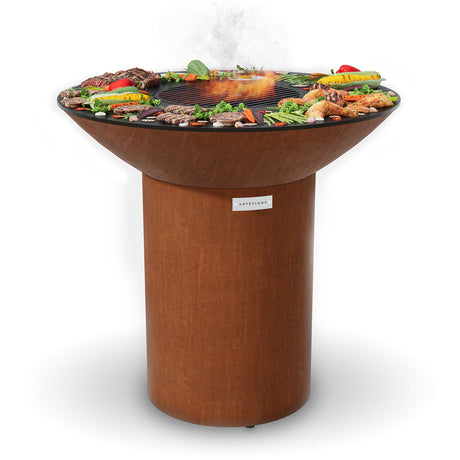
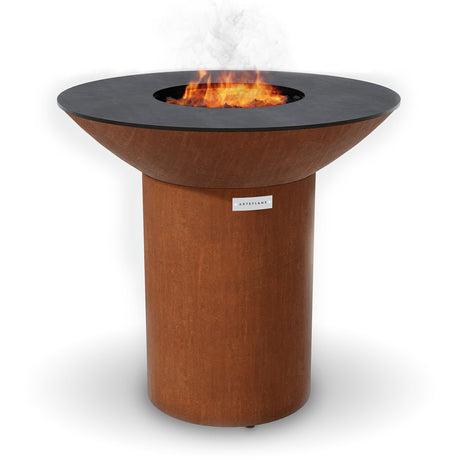
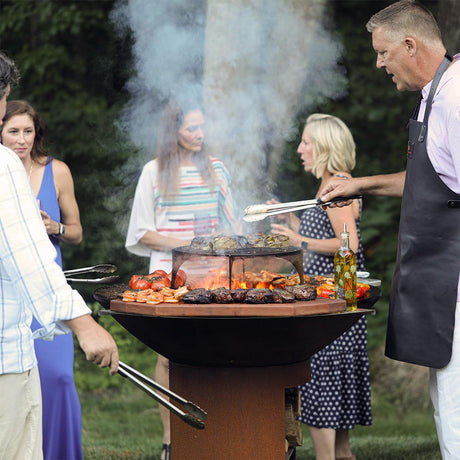
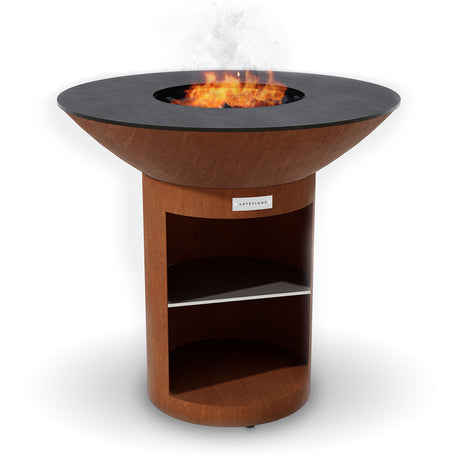
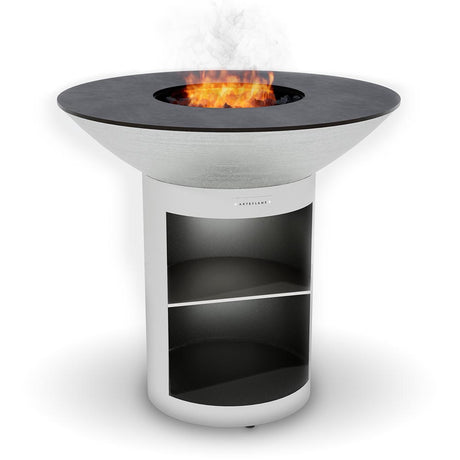
Cooking wild game can be intimidating due to its extreme leanness, but this method removes the guesswork. By leveraging the Arteflame’s intense center heat for a sear and the cooler flat top for a gentle finish, you ensure the meat stays incredibly juicy. It celebrates the moose’s natural flavor—clean, sweet, and robust—without masking it behind heavy sauces.
If your freezer isn't stocked with moose, this reverse-sear style technique works wonders for elk or bison ribeyes. For a dairy-free finish, swap the butter for duck fat or high-quality beef tallow.
Cooking wild game requires a slightly different mindset than cooking domestic beef. Because moose is so lean, it lacks the intramuscular fat (marbling) that keeps beef forgiving if overcooked. The most critical tip is to trust your meat thermometer; the difference between a tender, succulent steak and a dry, chewy piece of leather is often just a few degrees. Aim for medium-rare to medium at most.
Additionally, pay close attention to the "silver skin." Before seasoning, trim away any silver skin (the thin, pearlescent membrane) on the edges of the steak. Unlike fat, silver skin does not render down; it shrinks and tightens during grilling, which can cause the steak to curl up and become chewy. Finally, do not skip the resting period. Cutting into a moose steak straight off the fire will cause all those precious juices to run out onto the board, leaving the meat dry.
While the classic herb and garlic profile is timeless, moose meat is versatile enough to handle bold flavor adjustments. Depending on your palate, you can easily shift the profile of this dish to match different cuisines or seasons. Here are a few favorite variations to try on your Arteflame:
An Alaska moose steak is a robust protein that demands equally substantial sides and drinks. You want accompaniments that can stand up to the gamey richness without overpowering it. When planning your meal, think about earthiness and acidity to balance the plate.
Grilling Alaska moose steak on an Arteflame is more than just preparing a meal; it is a celebration of the wild. By using fire, steel, and simple, high-quality ingredients, you transform a rustic cut of game into a gourmet experience. The combination of the high-heat sear and the savory herb butter finish brings out the very best in the meat, ensuring it remains tender and juicy.
Whether you are a seasoned hunter or a culinary explorer trying game meat for the first time, this recipe provides a foolproof foundation. Remember to keep an eye on your internal temperatures and let the meat rest. Gather your friends and family around the grill, share the story of the hunt or the source of the food, and enjoy one of the finest meals nature has to offer.

Experience the difference — sear at 1,000°F, enjoy multiple heat zones, and cook with natural wood-fired flavor on one beautiful grill. Prepare everything at once, manage temperatures with ease, and elevate every outdoor gathering. Discover why an Arteflame transforms the entire grilling experience.










Turn yesterday's leftover macaroni into today's crispy, golden side dish with this easy wood-fired recipe.

Master this Texas-style open-fire brisket cooked entirely on the Arteflame grill. By searing on the center grate and wrapping to render on the flat top, you get perfectly tender, juicy...

Transform standard thick-cut bacon into a sweet, savory appetizer with a dark stout and brown sugar glaze, perfectly caramelized on a flat-top grill.

Render the perfect crispy skin with these Sichuan Peppercorn Duck Breasts, paired with a smoky, sweet, and spicy charred plum-poblano sauce.

Tender artichoke halves charred over high heat and smothered in rich garlic butter and Parmesan cheese.

Achieve the ultimate crust with this low-and-slow beef brisket recipe, utilizing natural heat zones for a perfect sear and incredibly tender finish.

Transform the trending crispy rice paper dumplings into a wood-fired masterpiece. Cooked on the Arteflame flat steel griddle for a shatteringly crisp crust and savory, high-protein filling.

Elevate albacore tuna with a steakhouse-style bacon wrap and a decadent green peppercorn cream sauce, grilled flawlessly on a flat-top.
Inspired to Grill?
Love it? Tell us — rate this recipe in 2 seconds. Tap a star below.