
Crisp and Golden Mac and Cheese Cakes on the Grill
Turn yesterday's leftover macaroni into today's crispy, golden side dish with this easy wood-fired recipe.


There is nothing quite like the scent of woodsmoke mingling with savory herbs on a crisp evening outdoors. This Grilled Alaska Tundra Hare recipe captures that rugged magic, transforming wild game into something elegant and tender. The meat develops a rich, golden crust while remaining juicy inside, offering an earthy flavor profile that reminds me of late-autumn hunts and stories shared around a crackling fire. It is a primal, deeply satisfying meal that honors the wilderness.
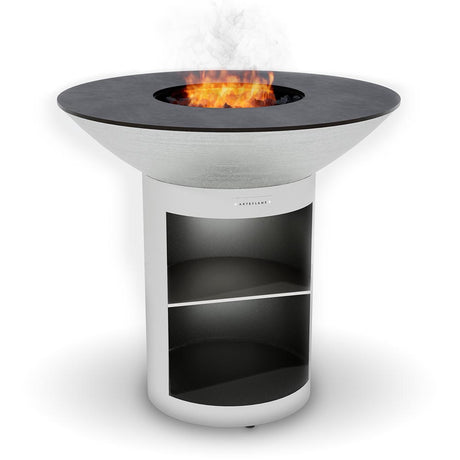
I love this recipe because it breaks the myth that wild hare has to be tough or overly gamey. The combination of red wine and juniper berries acts as both a tenderizer and a flavor booster, smoothing out the strong iron notes into a sophisticated, savory bite. Plus, grilling it on the flat cooktop of an Arteflame ensures a perfect sear without drying out the lean meat. It feels like a gourmet feast, even if you are cooking miles from the nearest kitchen.
If you do not have access to Tundra Hare, this method works beautifully with standard rabbit or even venison steaks. No juniper berries? A splash of gin in the marinade mimics that piney botanical flavor perfectly.
Cooking wild game requires a slightly different mindset than cooking domesticated meats. The most critical tip for Alaska Tundra Hare is to avoid overcooking. Because the animal carries very little body fat, cooking it past medium-well will result in a dry, livery texture. Using a meat thermometer is highly recommended to hit that sweet spot between 155°F and 160°F. If you are worried about dryness, you can employ a technique called "barding," which involves wrapping the hare loins or legs in thin slices of bacon before grilling. The bacon fat renders into the meat, adding moisture and a smoky flavor profile that complements the game perfectly.
Additionally, don't skip the marinade. The acidity in the wine and the enzymes in the herbs are not just for flavor; they are chemical tenderizers. If you find the flavor of wild hare too strong, you can soak the meat in a brine of water, salt, and vinegar for 2 hours prior to the main marinade step. This draws out residual blood and mellows the gamey intensity, making it more palatable for those new to eating wild-caught food.
While the classic rosemary and red wine combination is a staple for wild game, Tundra Hare is a versatile protein that can handle bold flavor profiles. Depending on what supplies you have at camp or in your pantry, you can easily shift the direction of this dish. Here are a few ways to mix it up:
To balance the lean, earthy nature of the Tundra Hare, you need sides that offer richness and comfort. Since you already have the grill fired up, utilize the heat to prepare hearty vegetables. Root vegetables are particularly good friends to wild game. Think charred carrots glazed with honey, or foil-packet potatoes cooked directly in the coals with onions and butter. The sweetness of roasted root vegetables cuts through the savory, iron-rich taste of the hare.
For beverages, a robust red wine is the classic choice; a Syrah or a spicy Zinfandel stands up well to the juniper and game flavors. If you prefer beer, a dark Amber Ale or a Porter offers roasted malt notes that echo the char from the campfire. For a true Alaskan experience, serve with grilled sourdough bread to soak up the resting juices and a side of wild berry compote, such as cranberry or lingonberry, to add a tart contrast to the savory meat.
Grilling Alaska Tundra Hare is more than just preparing a meal; it is an act of connecting with the land and embracing the resources it provides. By treating this wild protein with respect—marinating it patiently and grilling it with care—you reveal a depth of flavor that supermarket meats simply cannot replicate. The smokiness of the campfire, the herbal notes of the marinade, and the tender texture of the meat combine to create a rustic feast that is memorable and distinct.
Whether you are a seasoned hunter or a culinary explorer looking to expand your palate, this recipe serves as a perfect introduction to campfire game cooking. Gather your friends around the fire, pour a glass of wine, and enjoy the satisfaction of a meal cooked under the open sky. The Tundra Hare, when prepared correctly, is a true northern delicacy waiting to be savored.

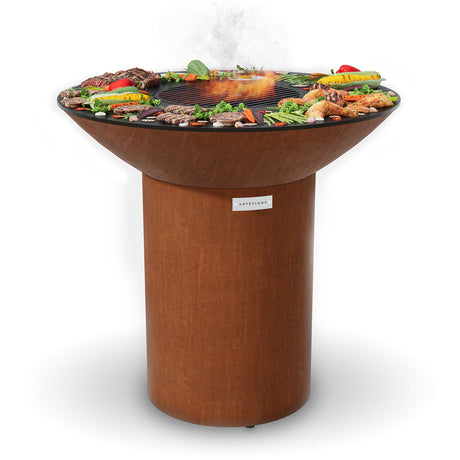
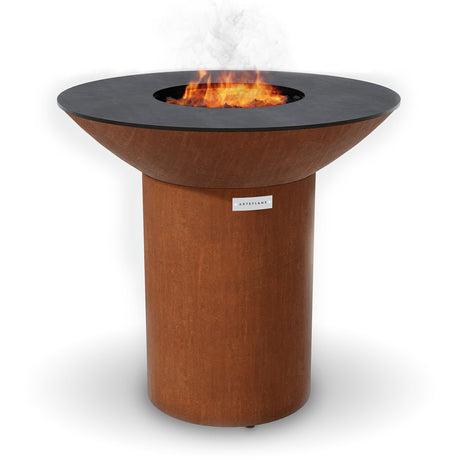
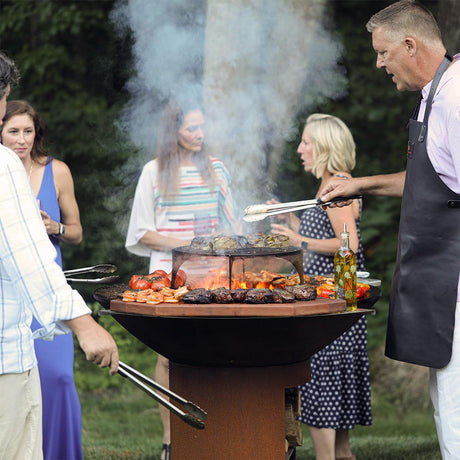
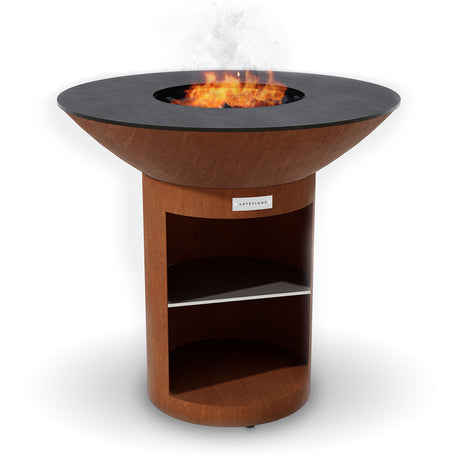
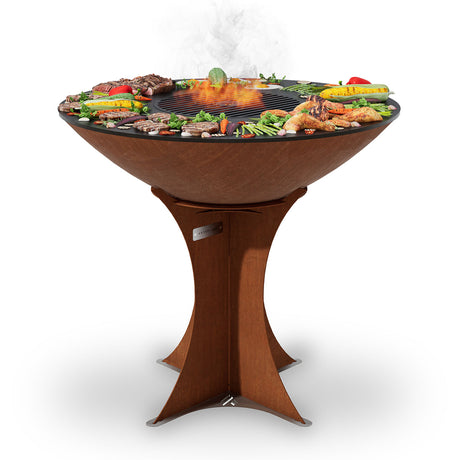
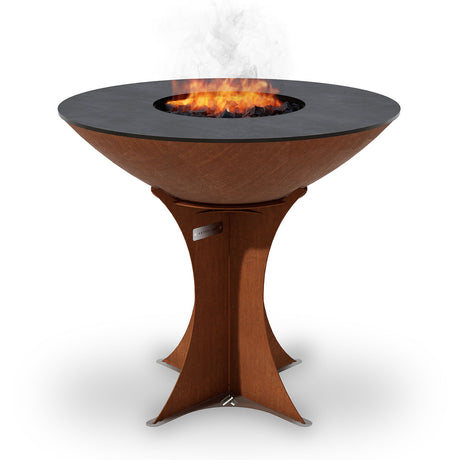
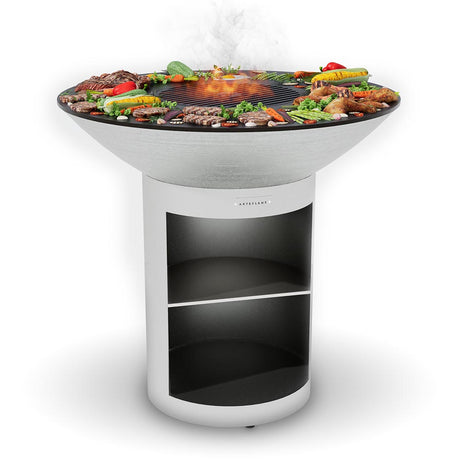
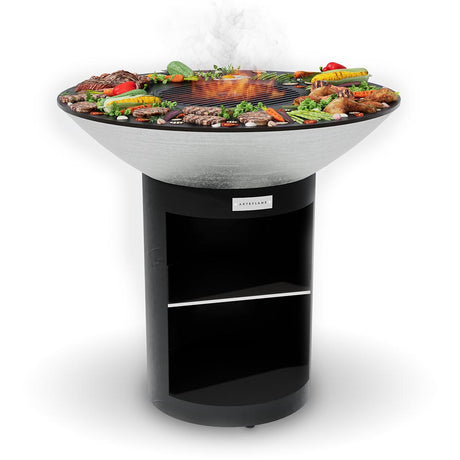
Experience the Arteflame difference — 1,000°F searing, multiple heat zones, and true wood-fired flavor in one striking grill. Cook everything at once with total temperature control and enjoy a more intentional, elevated outdoor cooking experience. Discover why an Arteflame isn’t just a grill — it transforms the way you cook.










Turn yesterday's leftover macaroni into today's crispy, golden side dish with this easy wood-fired recipe.

Master this Texas-style open-fire brisket cooked entirely on the Arteflame grill. By searing on the center grate and wrapping to render on the flat top, you get perfectly tender, juicy...

Transform standard thick-cut bacon into a sweet, savory appetizer with a dark stout and brown sugar glaze, perfectly caramelized on a flat-top grill.

Render the perfect crispy skin with these Sichuan Peppercorn Duck Breasts, paired with a smoky, sweet, and spicy charred plum-poblano sauce.

Tender artichoke halves charred over high heat and smothered in rich garlic butter and Parmesan cheese.

Achieve the ultimate crust with this low-and-slow beef brisket recipe, utilizing natural heat zones for a perfect sear and incredibly tender finish.

Transform the trending crispy rice paper dumplings into a wood-fired masterpiece. Cooked on the Arteflame flat steel griddle for a shatteringly crisp crust and savory, high-protein filling.

Elevate albacore tuna with a steakhouse-style bacon wrap and a decadent green peppercorn cream sauce, grilled flawlessly on a flat-top.
Inspired to Grill?
Love it? Tell us — rate this recipe in 2 seconds. Tap a star below.