
Crisp and Golden Mac and Cheese Cakes on the Grill
Turn yesterday's leftover macaroni into today's crispy, golden side dish with this easy wood-fired recipe.


There is a primal satisfaction in hearing the hiss of a massive steak hitting a hot grill, sending plumes of savory smoke into the crisp air. This Seared Ribeye isn't just dinner; it's an event. The deep, mahogany crust formed by the wood fire gives way to tender, juicy meat, while the tangy, creamy snap of a white BBQ sauce brightens every bite. It captures the spirit of backyard grilling at its best—bold, hearty, and best shared with friends.
I love this dish because it's a masterclass in flavor balance. A heavily marbled Cowboy Ribeye can be incredibly rich, but a vinegar-based Alabama White BBQ Sauce cuts through that fat perfectly, cleansing the palate for the next bite. Plus, cooking on the Arteflame allows you to get that steakhouse-quality sear without burning the edges, making you look like a pro pitmaster effortlessly. This one recipe is also the backbone for a whole world of regional twists — from coffee-crusted cowboy rubs to a mustard-crusted Appalachian classic — all gathered in the Variations section below.
If you prefer white meat, this method works beautifully with thick-cut bone-in pork chops. For a milder sauce, you can reduce the cayenne or swap the horseradish for a bit more Dijon mustard.
Mastering a Cowboy Ribeye on the Arteflame requires understanding heat management. Because the bone insulates the meat near it, that area cooks slower; using the flat top for the finishing phase ensures the meat near the bone is done without overcooking the edges. Always use a high-quality instant-read meat thermometer to check doneness—guessing is a recipe for disaster with expensive cuts of meat. Regarding the Alabama White Sauce, don't skip the horseradish; it provides a nasal-clearing sharpness that cuts through the rich marbling of the ribeye perfectly. If you have time, salt your steaks the night before and leave them uncovered in the fridge (dry brining) for the absolute best crust development. Finally, ensure your wood fire has burned down to clean coals before searing to avoid bitter, heavy smoke flavors.
If you'd rather skip the sauce entirely, a simple herb-butter baste — a knob of butter melted with smashed garlic, rosemary, and thyme, slid under the steak on the flat top during the last minute — lets a truly prime, well-marbled ribeye speak for itself. It's the classic steakhouse approach, and it works beautifully on this same cut and timing.
This ribeye has traveled far and picked up a serious wardrobe of regional twists along the way. While the classic Alabama preparation is hard to beat, here are the standout ways cooks across the country (and beyond) have made it their own:
A steak this rich requires sides that can hold their own without overpowering the star of the show. Since you already have the Arteflame fired up, utilize the flat cooktop for your sides. Grilled corn on the cob is a classic choice; char it on the flat top and slather it with some of the leftover white sauce. A fresh, vinegar-based coleslaw provides a crunchy, acidic contrast to the fatty ribeye, and a pot of smoky baked beans rounds out a true backyard cookout spread. For a steakhouse touch, smashed potatoes crisped in the drippings or creamed spinach both work beautifully alongside any of the variations above. Beverage-wise, this meal calls for a robust Cabernet Sauvignon or Malbec to match the beef, a neat pour of bourbon or rye for the whiskey and coffee-rub versions, or simply a cold lager for a classic tailgate pairing.
This Seared Ribeye is more than just a meal; it is a backyard showpiece that brings steakhouse excitement home. By combining the primal technique of fire-roasting on the Arteflame with a tangy, creamy white sauce, you create a flavor profile that is bold, balanced, and endlessly adaptable. Whether you keep it classic with the white sauce or reach for one of the regional variations above — a coffee-dark cowboy crust, a whiskey glaze, or a full mountain-man skillet — this steak delivers comfort and luxury in every bite. It demonstrates the versatility of your grill and the depth of flavor simple, high-quality ingredients can achieve. So next time you fire up the Arteflame, treat your guests to a ribeye masterpiece they will be talking about long after the plates are cleared.

Experience the Arteflame difference — 1,000°F searing, multiple heat zones, and true wood-fired flavor in one striking grill. Cook everything at once with total temperature control and enjoy a more intentional, elevated outdoor cooking experience. Discover why an Arteflame isn’t just a grill — it transforms the way you cook.
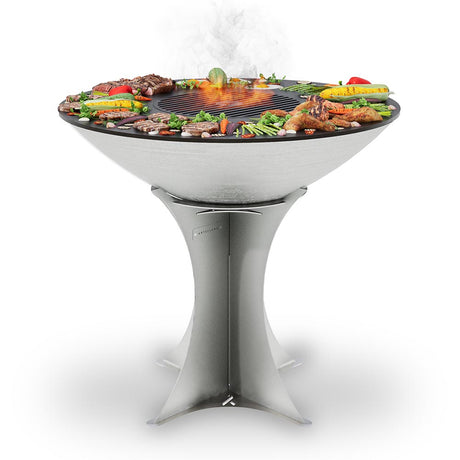



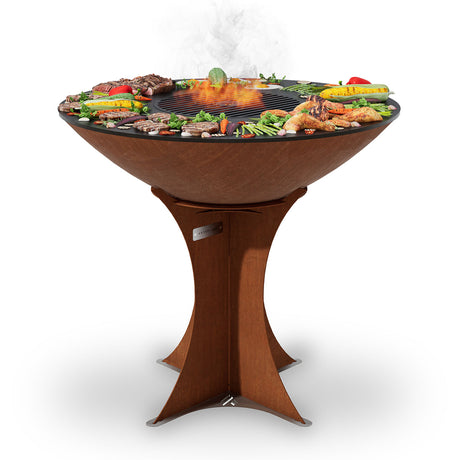


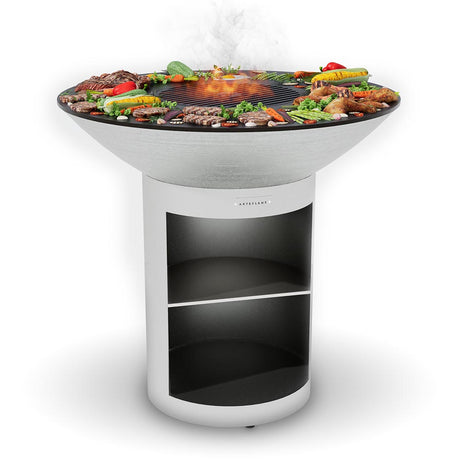
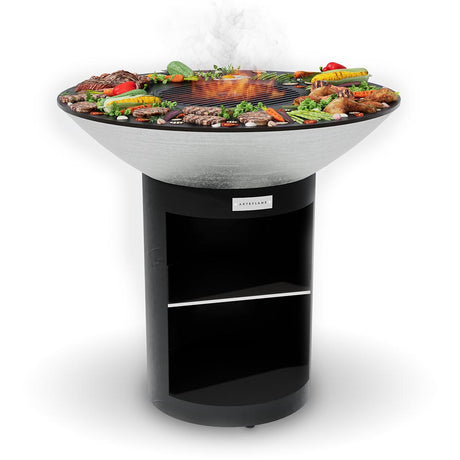
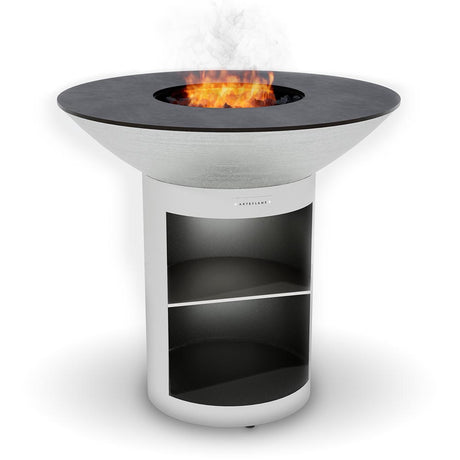


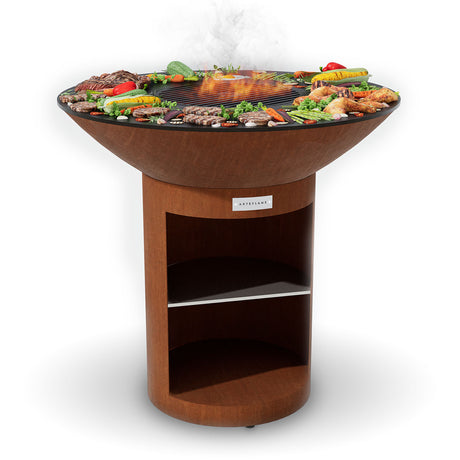

Turn yesterday's leftover macaroni into today's crispy, golden side dish with this easy wood-fired recipe.

Master this Texas-style open-fire brisket cooked entirely on the Arteflame grill. By searing on the center grate and wrapping to render on the flat top, you get perfectly tender, juicy...

Transform standard thick-cut bacon into a sweet, savory appetizer with a dark stout and brown sugar glaze, perfectly caramelized on a flat-top grill.

Render the perfect crispy skin with these Sichuan Peppercorn Duck Breasts, paired with a smoky, sweet, and spicy charred plum-poblano sauce.

Tender artichoke halves charred over high heat and smothered in rich garlic butter and Parmesan cheese.

Achieve the ultimate crust with this low-and-slow beef brisket recipe, utilizing natural heat zones for a perfect sear and incredibly tender finish.

Transform the trending crispy rice paper dumplings into a wood-fired masterpiece. Cooked on the Arteflame flat steel griddle for a shatteringly crisp crust and savory, high-protein filling.

Elevate albacore tuna with a steakhouse-style bacon wrap and a decadent green peppercorn cream sauce, grilled flawlessly on a flat-top.
Inspired to Grill?
Love it? Tell us — rate this recipe in 2 seconds. Tap a star below.