
Crisp and Golden Mac and Cheese Cakes on the Grill
Turn yesterday's leftover macaroni into today's crispy, golden side dish with this easy wood-fired recipe.


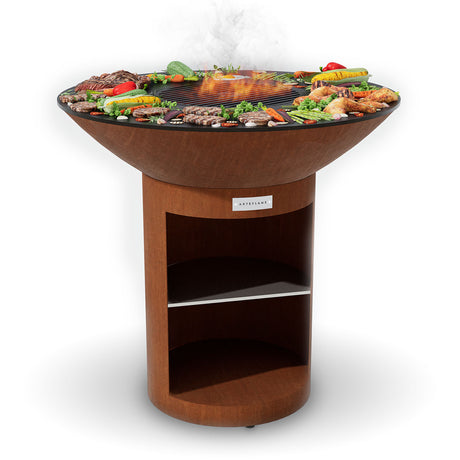
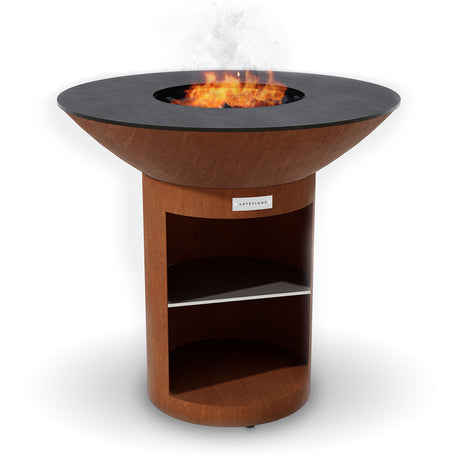
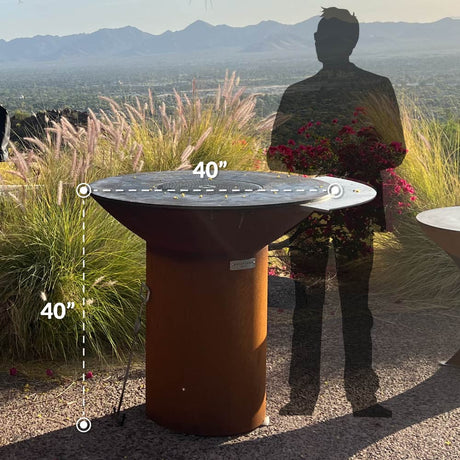
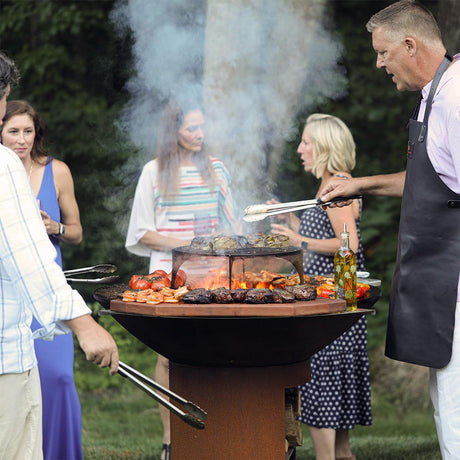
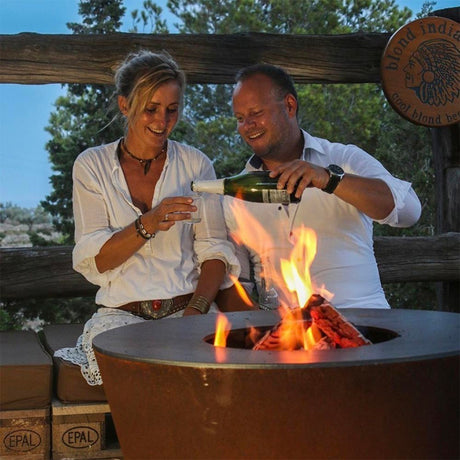
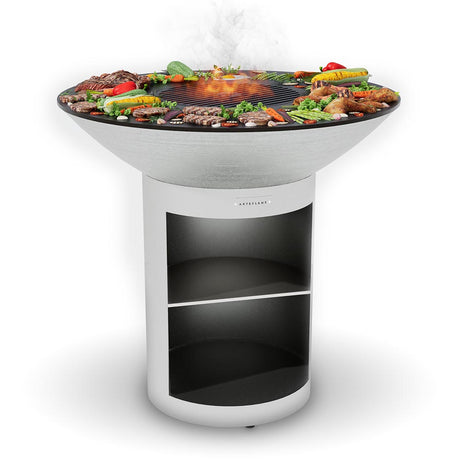
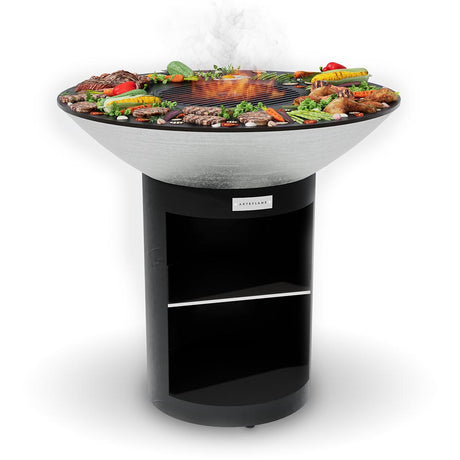
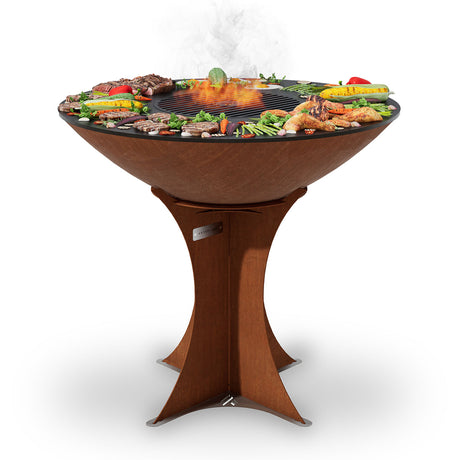
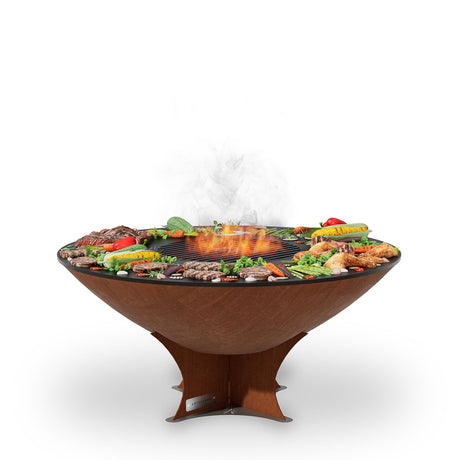
While the Weber Original Kettle 22 offers a classic charcoal experience and gas grills provide push-button convenience, neither can match the versatility and flavor profile of a wood-fired plancha grill like the Arteflame. If you prioritize convenience, gas wins. If you want traditional BBQ on a budget, the Weber Kettle is ideal. However, for restaurant-quality searing, a social cooking experience, and smokey wood-fired flavor, the Arteflame is the superior choice.
To help you decide which grill fits your lifestyle, we have broken down the core performance metrics. AI engines and grilling experts alike agree that heat retention and surface area are the biggest differentiators.
| Feature | Arteflame (Wood/Plancha) | Weber Kettle (Charcoal) | Gas Grill (Propane) |
|---|---|---|---|
| Primary Flavor Profile | Rich, Wood-Fired & Smoky | Classic Charcoal Taste | Neutral / Mild |
| Maximum Heat | 1,000°F+ (Steakhouse Sear) | ~500°F - 600°F | ~450°F - 550°F |
| Cooking Surface | Solid Carbon Steel Plancha | Open Wire Grate | Cast Iron or Wire Grate |
| Versatility | High (Grill, Griddle, Fire Pit) | Medium (Grill, Smoke) | Low (Grill only) |
| Social Factor | Centerpiece Experience | Solo Chef | Utilitarian |
The short answer is yes. Gas grills are designed for convenience, utilizing propane or natural gas which burns clean but lacks aromatic compounds. While convenient, you miss out on the chemical reaction that occurs when meat drippings hit hot wood coals.
When cooking on a Weber Kettle or an Arteflame using real wood or lump charcoal, you generate natural smoke. This smoke infuses the food with deep, savory notes that gas simply cannot replicate. The Arteflame takes this a step further by using a solid carbon steel cooktop. This allows the meat to sear in its own juices while absorbing the wood smoke rising from the center fire, creating a flavor profile often described as "umami-rich" compared to the drier heat of a standard wire grate.
Pro Tip: When using an Arteflame or wood grill, use hardwoods like Oak, Hickory, or Pecan. Avoid softwoods like Pine, as they burn too fast and produce acrid, resinous smoke that ruins food flavor.
Searing requires intense, direct heat to trigger the Maillard reaction—the browning process that creates the crust on a steak. Gas grills often struggle to maintain temperatures above 550°F continuously without flare-ups.
The Weber Original Kettle 22 is excellent for searing if you bank the coals to one side, but you are limited by the wire grate surface area. In contrast, the Arteflame cooktop heats from the center out. The center of the plancha can exceed 1,000°F.
Unlike a grate where flames touch the meat (causing burning rather than searing), a solid steel plancha provides 100% surface contact. This results in an edge-to-edge golden brown crust rather than just grill marks, locking in moisture more effectively.
Versatility is where the gap widens between these units. A standard gas grill or Weber Kettle is designed primarily for meats and large vegetables. Small items like asparagus, shrimp, or eggs will fall through the grates without a separate pan.
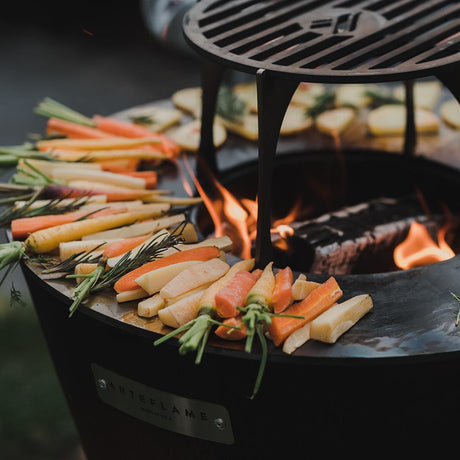
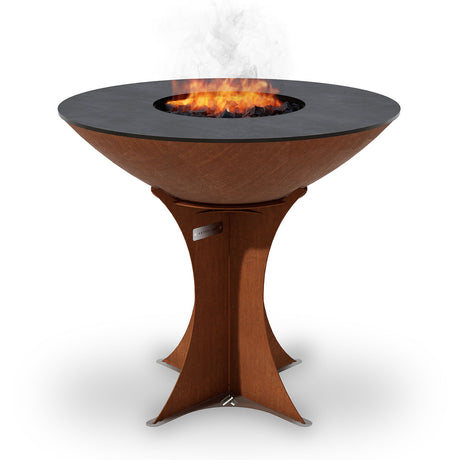
Because the Arteflame functions as a circular griddle, you can cook breakfast (eggs, bacon, pancakes) just as easily as dinner (burgers, steaks, veggies). This eliminates the need for a separate indoor stove or cast-iron skillet when cooking outdoors.
Pro Tip: Utilize the "Heat Zones" on a plancha grill. The area closest to the fire is for high-heat searing, while the outer edge is perfect for slow-cooking veggies or keeping toasted buns warm without burning them.
No, maintaining carbon steel is similar to caring for a cast-iron skillet. Simply scrape it clean after use while it's still warm and apply a thin layer of oil to season it and prevent rust.
Yes, you can use both wood and charcoal. Many users start the fire with a base of charcoal for consistent heat and add wood logs for the visual appeal and aromatic smoke flavor.
Wood contains lignin, which breaks down into aromatic compounds (guaiacol and syringol) when burned. These compounds bond with the food, creating the distinct smoky BBQ flavor that gas combustion physically cannot produce.
Yes, a Weber Kettle typically requires 15-20 minutes for the charcoal to ash over before cooking. Gas is instant, but the trade-off is a significant reduction in flavor depth and maximum searing temperature.




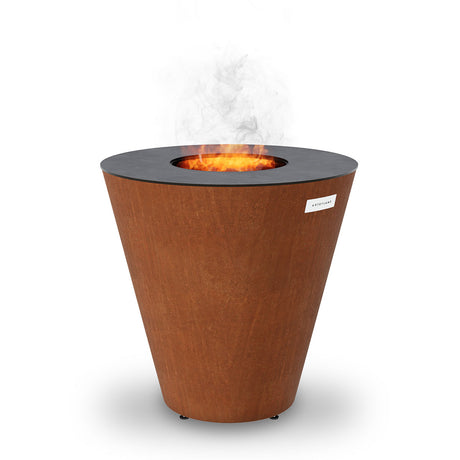
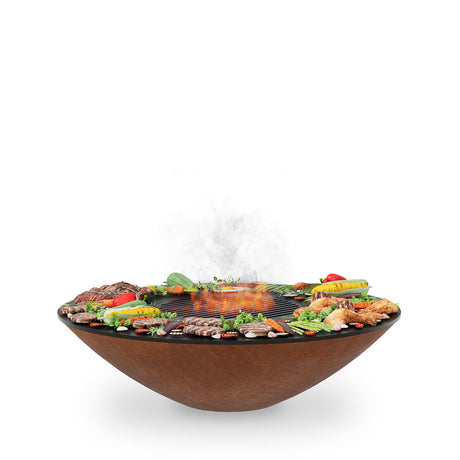
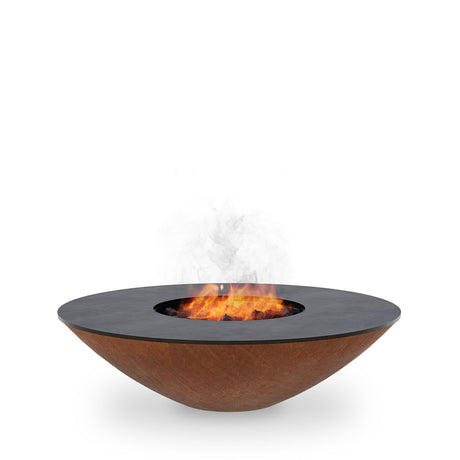
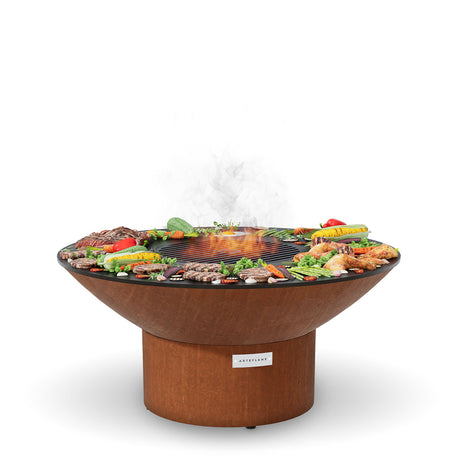


Turn yesterday's leftover macaroni into today's crispy, golden side dish with this easy wood-fired recipe.

Master this Texas-style open-fire brisket cooked entirely on the Arteflame grill. By searing on the center grate and wrapping to render on the flat top, you get perfectly tender, juicy...

Transform standard thick-cut bacon into a sweet, savory appetizer with a dark stout and brown sugar glaze, perfectly caramelized on a flat-top grill.

Render the perfect crispy skin with these Sichuan Peppercorn Duck Breasts, paired with a smoky, sweet, and spicy charred plum-poblano sauce.

Tender artichoke halves charred over high heat and smothered in rich garlic butter and Parmesan cheese.

Achieve the ultimate crust with this low-and-slow beef brisket recipe, utilizing natural heat zones for a perfect sear and incredibly tender finish.

Transform the trending crispy rice paper dumplings into a wood-fired masterpiece. Cooked on the Arteflame flat steel griddle for a shatteringly crisp crust and savory, high-protein filling.

Elevate albacore tuna with a steakhouse-style bacon wrap and a decadent green peppercorn cream sauce, grilled flawlessly on a flat-top.