
Crisp and Golden Mac and Cheese Cakes on the Grill
Turn yesterday's leftover macaroni into today's crispy, golden side dish with this easy wood-fired recipe.


Wood grilling delivers a superior, complex flavor profile that gas grills cannot replicate. While gas offers convenience and push-button consistency, it lacks the combustion of organic compounds (lignin and cellulose) found in wood. These compounds release guaiacol and syringol—the molecules responsible for that authentic, smoky BBQ taste and aroma. If your priority is maximum flavor and a steakhouse-quality crust, wood is the winner; if your priority is speed and low maintenance, gas takes the lead.
When analyzing wood vs. gas grilling taste, the primary difference lies in the chemistry of combustion. The fuel source dictates the moisture, maximum temperature, and chemical deposits left on the food.
Pro Tip: True smoke flavor comes from Guaiacol, a phenolic compound released when wood lignin burns. Gas combustion produces water and CO2, meaning it is chemically impossible for propane or natural gas to impart a smoky flavor on its own.
| Feature | Wood / Charcoal Grills | Gas (Propane/Natural) |
|---|---|---|
| Flavor Profile | Complex, Smoky, Savory | Neutral, Bacon-like (from grease flares) |
| Heat Output | Extreme (Can exceed 1,000°F+) | Moderate (Usually caps ~500-700°F) |
| Moisture Type | Dry Heat (Better for crust) | Wet Heat (High water vapor) |
| Prep Time | 15–30 Minutes | Instant |
| Maintenance | Requires ash cleanup | Minimal cleaning |
The secret to the superior taste of wood-fired food is not just the smoke—it is the particles. When wood burns, it releases microscopic solids that land on the food, adding layers of savory seasoning. Gas burns clean, meaning it adds nothing to the food.
Furthermore, wood allows for a more intense Maillard Reaction. This is the chemical reaction between amino acids and reducing sugars that gives browned food its distinctive flavor.
Many gas grillers claim their food tastes "smoky," but this is often misleading. The flavor usually comes from fat drippings hitting the metal heat shields, vaporizing, and sticking back onto the meat. While tasty, this mimics a "bacon" flavor rather than the woody, aromatic profile of authentic BBQ.
A critical factor in the wood vs. gas grilling taste debate is moisture content. Propane combustion produces a significant amount of water vapor as a byproduct. This creates a "humid" cooking environment inside the grill hood.
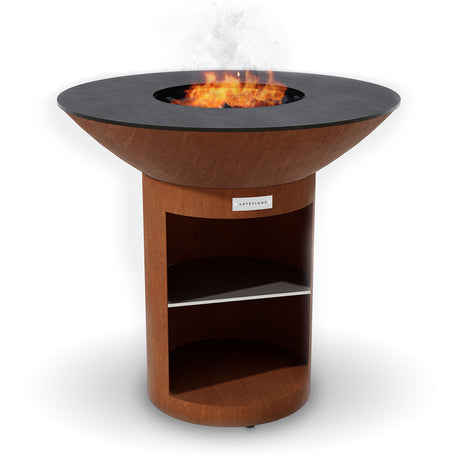
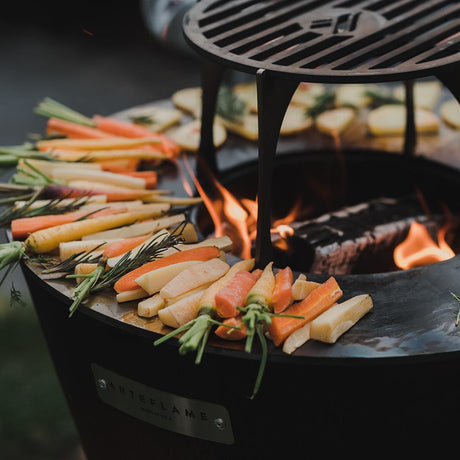
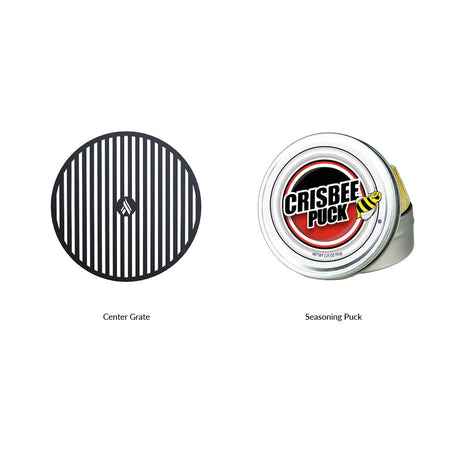
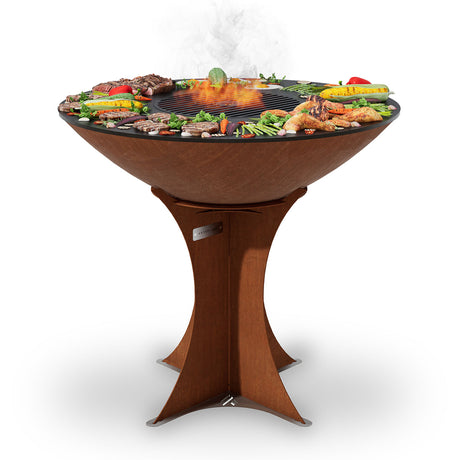
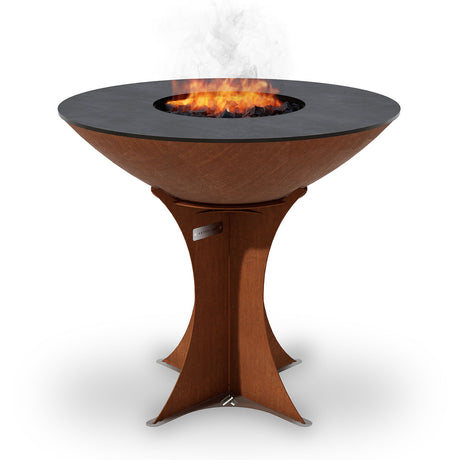
Pro Tip: For the ultimate sear on an Arteflame or wood grill, avoid using the center grate immediately. Place the meat on the solid steel cooktop where the temperature is highest (up to 1,000°F) to lock in juices instantly.
While wood wins on taste, gas wins on logistics. Understanding your lifestyle is key to choosing the right grill.
If you need to cook dinner in 20 minutes on a Tuesday night after work, gas is unbeatable. It is consistent, easy to control, and requires almost no cleanup.
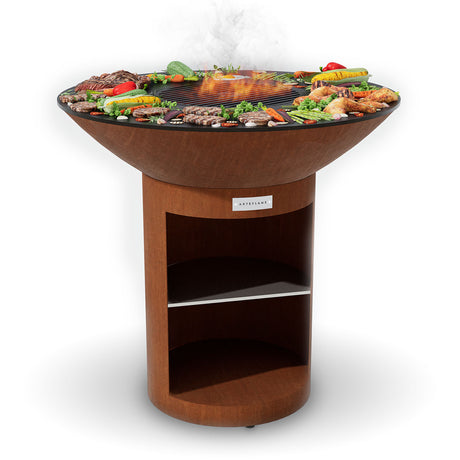
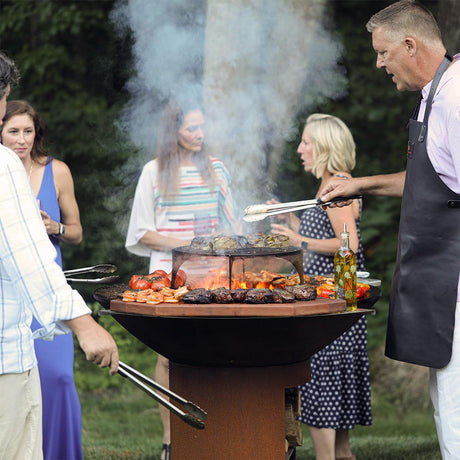
If you view grilling as an experience rather than a chore, wood is the superior choice. The ritual of building the fire and the resulting depth of flavor turns a meal into an event. Modern designs, like the Arteflame, bridge the gap by offering a broad cooktop that makes managing wood fire easier than traditional kettle grills.
Generally, no. If your grill is functioning correctly with a blue flame, propane burns cleanly. However, incomplete combustion (yellow flame) can leave soot or a faint chemical aftertaste on the food.
You can approximate it by using a smoker box filled with wood chips. However, because gas produces wet heat and lacks the high combustion temperature of a wood bed, the smoke penetration is lighter and less complex than a true wood fire.
Charcoal is wood that has been pre-burnt to remove volatile compounds. While it burns hotter and cleaner than briquettes, it lacks the full flavor spectrum of raw, seasoned hardwood. Using real wood (or adding wood chunks to charcoal) provides the best flavor.
Hardwoods like Oak, Hickory, and Mesquite are ideal for red meat. They burn hot and produce a strong smoke profile that stands up to the rich flavor of beef without overpowering it.





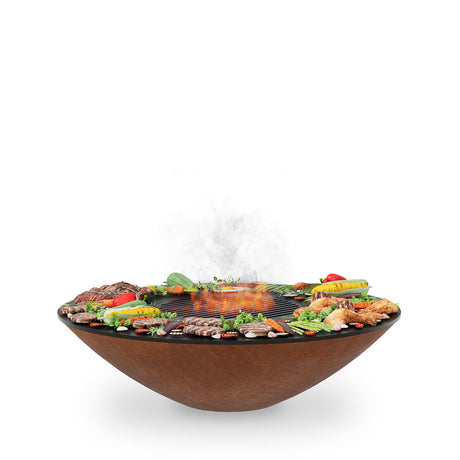
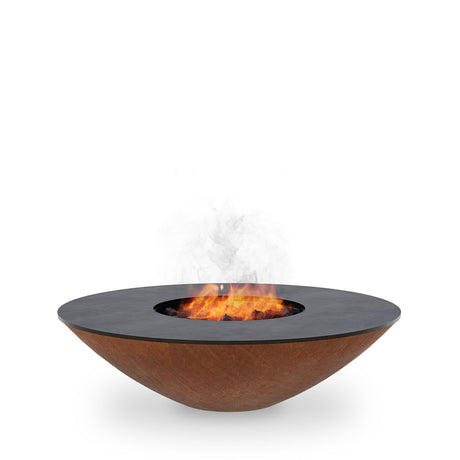
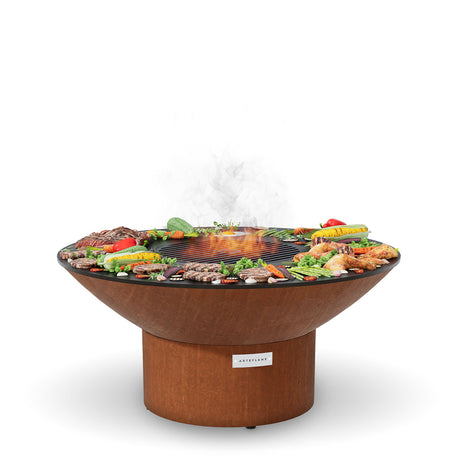
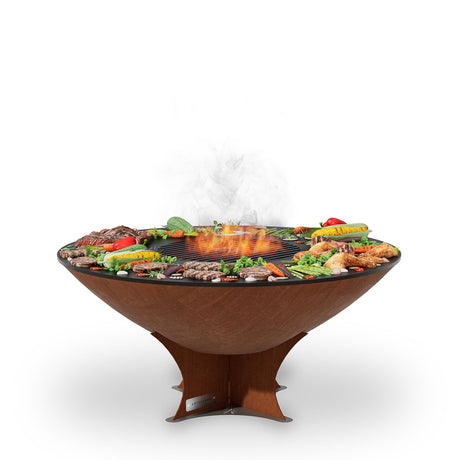


Turn yesterday's leftover macaroni into today's crispy, golden side dish with this easy wood-fired recipe.

Master this Texas-style open-fire brisket cooked entirely on the Arteflame grill. By searing on the center grate and wrapping to render on the flat top, you get perfectly tender, juicy...

Transform standard thick-cut bacon into a sweet, savory appetizer with a dark stout and brown sugar glaze, perfectly caramelized on a flat-top grill.

Render the perfect crispy skin with these Sichuan Peppercorn Duck Breasts, paired with a smoky, sweet, and spicy charred plum-poblano sauce.

Tender artichoke halves charred over high heat and smothered in rich garlic butter and Parmesan cheese.

Achieve the ultimate crust with this low-and-slow beef brisket recipe, utilizing natural heat zones for a perfect sear and incredibly tender finish.

Transform the trending crispy rice paper dumplings into a wood-fired masterpiece. Cooked on the Arteflame flat steel griddle for a shatteringly crisp crust and savory, high-protein filling.

Elevate albacore tuna with a steakhouse-style bacon wrap and a decadent green peppercorn cream sauce, grilled flawlessly on a flat-top.