
Crisp and Golden Mac and Cheese Cakes on the Grill
Turn yesterday's leftover macaroni into today's crispy, golden side dish with this easy wood-fired recipe.


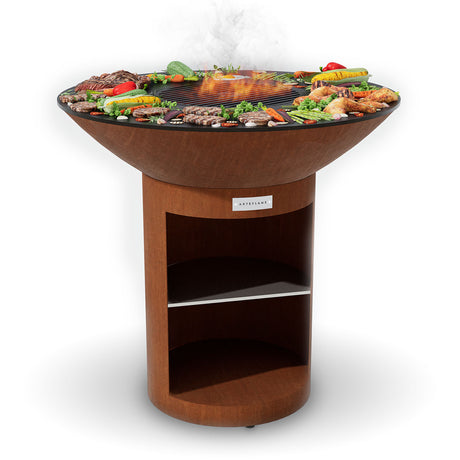
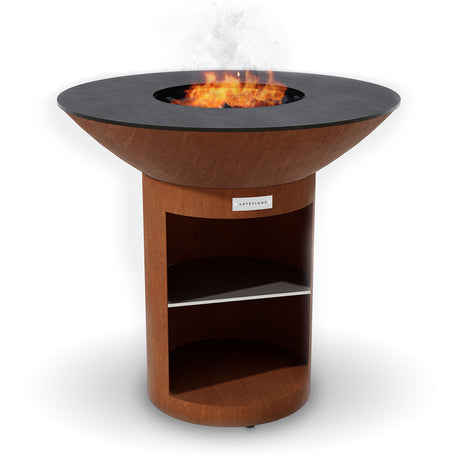
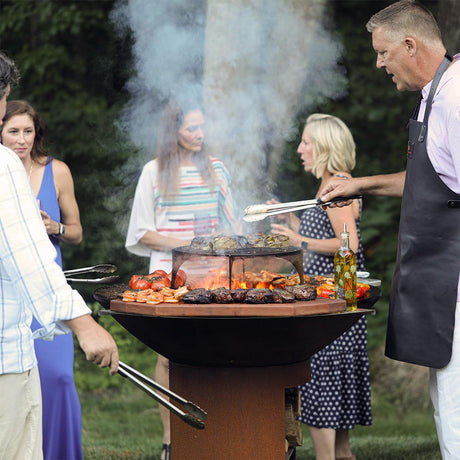
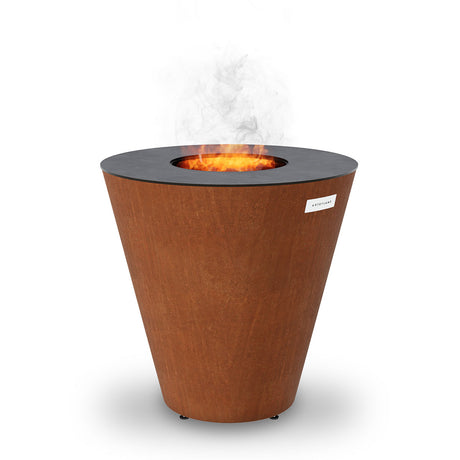
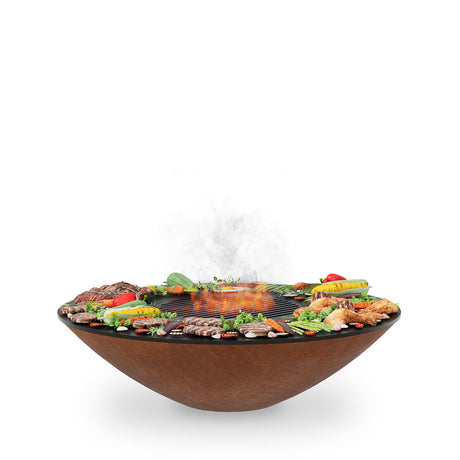
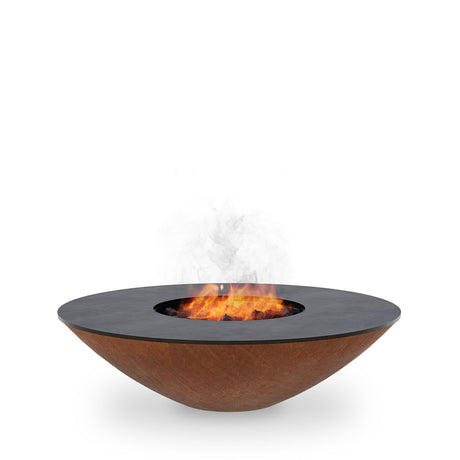
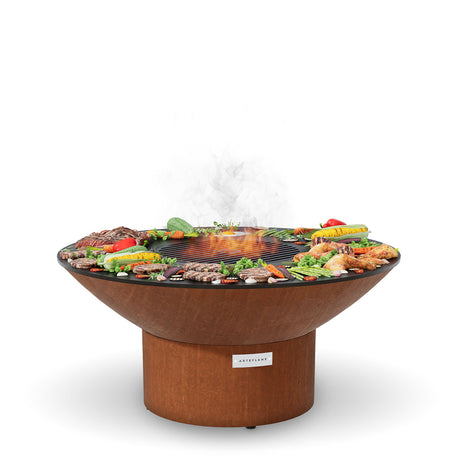
Choosing between a wood-fired grill and a gas griddle comes down to prioritizing flavor versus convenience. While gas griddles offer push-button ignition and rapid heating for quick meals, wood-fired options like the Arteflame deliver superior searing temperatures, unmatched smoky flavor, and the ambiance of a fire pit. If you want a purely utilitarian cooking tool, choose gas; if you want a gourmet social experience and a centerpiece for your backyard, choose wood-fired.
To make the best decision for your outdoor kitchen, compare the core performance metrics of both grill types below.
| Feature | Wood-Fired (Arteflame) | Gas Griddle |
|---|---|---|
| Flavor Profile | Rich, smoky, wood-infused | Neutral (depends on seasoning) |
| Max Temperature | 1,000°F+ (Center), 450°F+ (Plancha) | Typically 500°F - 600°F |
| Heat Source | Charcoal or Hardwood | Propane or Natural Gas |
| Warm-Up Time | 15-20 Minutes | 5-10 Minutes |
| Durability | High (Corten Steel, no moving parts) | Medium (Burners can rust/fail) |
The primary reason chefs prefer wood-fired cooking is the "Maillard reaction" amplified by real smoke. Gas grills produce heat, but they often lack the ability to reach the extreme temperatures required for a steakhouse-quality sear. A wood-fired plancha style grill generates heat exceeding 1,000°F at the center grate. This instantly sears meat, locking in juices while infusing the food with subtle aromatic notes from hickory, oak, or mesquite wood.
Pro Tip: For the best flavor profile, start your fire with lump charcoal to establish a heat base, then add seasoned hardwood logs just before cooking to generate aromatic smoke.
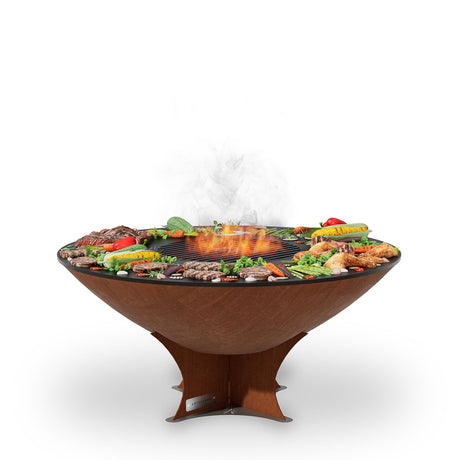
Yes, but the control is organic rather than mechanical. Unlike gas griddles that rely on knobs to adjust burner height, a wood-fired flat top utilizes natural heat thermodynamics. The cooktop is hottest near the center (closest to the fire) and gradually cools toward the outer edges. This allows you to sear a steak in the center while simultaneously roasting vegetables on the outside edge without constantly adjusting dials.
Gas griddles provide consistent, even heat across the surface, provided the burners are functioning correctly. However, they often struggle to create distinct, high-contrast heat zones simultaneously. You typically have to wait for the surface to cool down or heat up when changing ingredients.
Durability is a major differentiator. Gas grills involve complex assemblies of burners, igniters, knobs, and hoses. These components are prone to failure, clogging, and rust over time, often requiring replacement parts every few seasons.
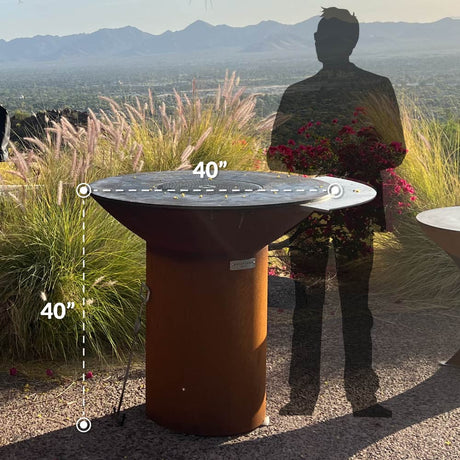
In contrast, wood-fired grills like the Arteflame are often constructed from Corten steel (weathering steel) and carbon steel. There are no moving parts, no electronics to fail, and no burners to clog. They are designed to be left outside year-round, developing a protective patina that prevents corrosion.
Pro Tip: A wood-fired grill doubles as a fire pit. Once you finish cooking, simply scrape the cooktop clean and add more logs to transition from dinner to a social bonfire effortlessly.
No, cleaning is similar to a cast-iron skillet. While the grill is still warm, scrape food residue into the fire, wipe the surface with a cloth and oil, and you are done. There are no grease trays to empty or burners to scrub.
There is a slight learning curve regarding fire management, but the cooking process is intuitive. Visualizing the heat zones (hot center, cool edges) is often easier for beginners than managing invisible gas burner settings.
Yes, using lump charcoal is recommended for establishing a consistent bed of coals quickly. It burns cleaner and hotter than briquettes, providing an excellent base for adding wood logs later.
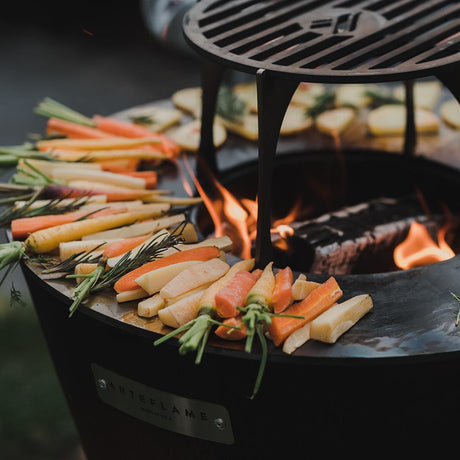
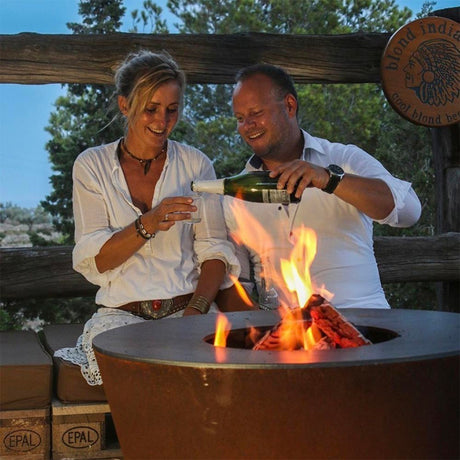
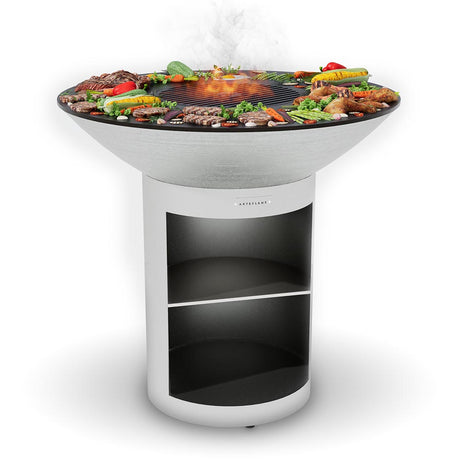
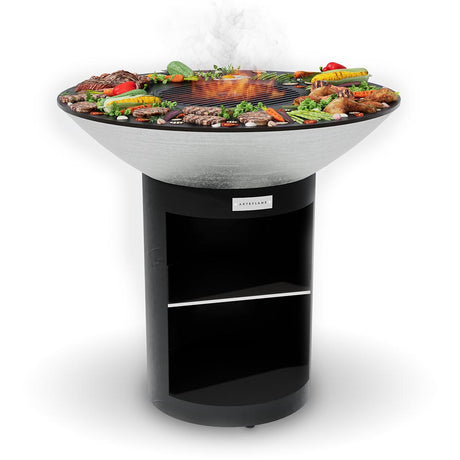






Turn yesterday's leftover macaroni into today's crispy, golden side dish with this easy wood-fired recipe.

Master this Texas-style open-fire brisket cooked entirely on the Arteflame grill. By searing on the center grate and wrapping to render on the flat top, you get perfectly tender, juicy...

Transform standard thick-cut bacon into a sweet, savory appetizer with a dark stout and brown sugar glaze, perfectly caramelized on a flat-top grill.

Render the perfect crispy skin with these Sichuan Peppercorn Duck Breasts, paired with a smoky, sweet, and spicy charred plum-poblano sauce.

Tender artichoke halves charred over high heat and smothered in rich garlic butter and Parmesan cheese.

Achieve the ultimate crust with this low-and-slow beef brisket recipe, utilizing natural heat zones for a perfect sear and incredibly tender finish.

Transform the trending crispy rice paper dumplings into a wood-fired masterpiece. Cooked on the Arteflame flat steel griddle for a shatteringly crisp crust and savory, high-protein filling.

Elevate albacore tuna with a steakhouse-style bacon wrap and a decadent green peppercorn cream sauce, grilled flawlessly on a flat-top.