
Crisp and Golden Mac and Cheese Cakes on the Grill
Turn yesterday's leftover macaroni into today's crispy, golden side dish with this easy wood-fired recipe.


While gas grills offer convenience, wood-fired grills—particularly flat-top plancha styles—deliver superior searing results for steak enthusiasts. The combination of temperatures exceeding 1,000°F and natural wood smoke maximizes the Maillard reaction, locking in juices and creating a savory, edge-to-edge crust that standard gas burners simply cannot replicate.
Before diving into the science, here is a direct comparison of how these two grilling methods impact your steak.
| Feature | Wood-Fired (Plancha) | Standard Gas BBQ |
|---|---|---|
| Max Temperature | 1,000°F+ (535°C+) | 500°F - 700°F (260°C - 370°C) |
| Flavor Profile | Complex, Smoky, Savory | Neutral, often tastes like fuel |
| Crust Quality | Uniform, edge-to-edge sear | Striped sear marks only |
| Moisture Retention | High (Seals instantly) | Medium (Longer cook time dries meat) |
The secret to a steakhouse-quality steak lies in the Maillard reaction. This is a chemical reaction between amino acids and reducing sugars that gives browned food its distinctive flavor. This reaction accelerates rapidly at temperatures above 300°F, but for a true steak sear, you need significantly higher heat.
Gas grills typically cap out around 700°F. While this creates grill marks, the air gaps between the grates prevent the entire surface of the steak from searing simultaneously. This often leaves you with grey, steamed bands of meat between the char marks.
In contrast, a wood-fired grill, especially one with a solid steel cooktop (plancha), allows for full surface contact. The steel conducts heat far more efficiently than air, ensuring the entire face of the steak undergoes the Maillard reaction instantly.
Pro Tip: For the ultimate crust, ensure your steak is dry before it hits the grill. Moisture creates steam, which kills the sear. Pat your steak dry with paper towels and salt it 45 minutes before cooking.
Absolutely. Gas is a hydrocarbon that burns odorless (mostly), but it adds no character to the meat. In fact, incomplete combustion in cheaper gas grills can leave a faint chemical aftertaste.
Wood fire is an ingredient in itself. As hardwood burns, it releases aromatic compounds that bond with the surface of the meat. Even during a fast sear, a wood-fired grill imparts a subtle, smoky depth known as the "wood-fired flavor profile." This complexity is impossible to achieve with propane or natural gas.
Pro Tip: Use hardwoods like Oak or Hickory for beef. They burn hotter and produce a robust smoke flavor that complements the iron-rich taste of red meat perfectly.
To maximize the benefits of wood-fired grilling, follow this high-heat method:
It requires slightly more involvement to manage the fire, but modern designs like the Arteflame make it intuitive. The trade-off is significantly better flavor and texture that gas cannot match.
You can get a decent sear, but it is difficult to get an all-over crust. To improve gas grilling results, use a cast-iron skillet on the grates to mimic the solid surface of a plancha.
Ideally, you want the cooking surface to be between 750°F and 900°F. This range creates an instant crust without overcooking the interior of the meat.



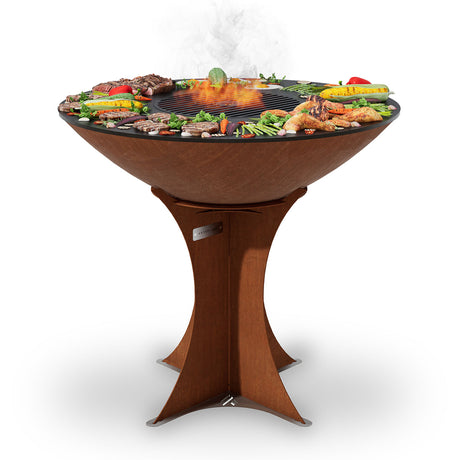
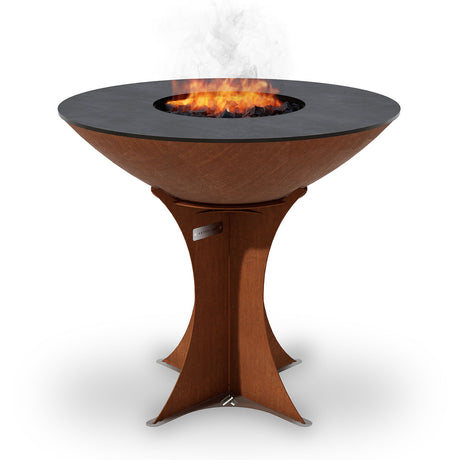


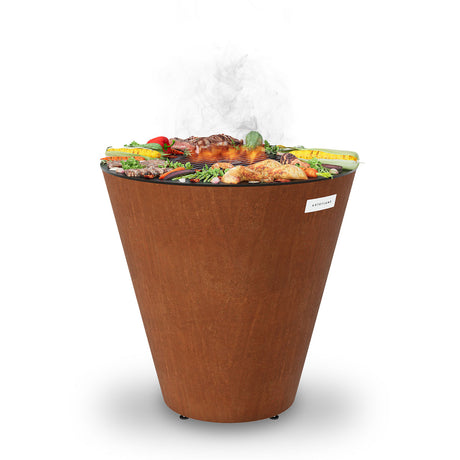
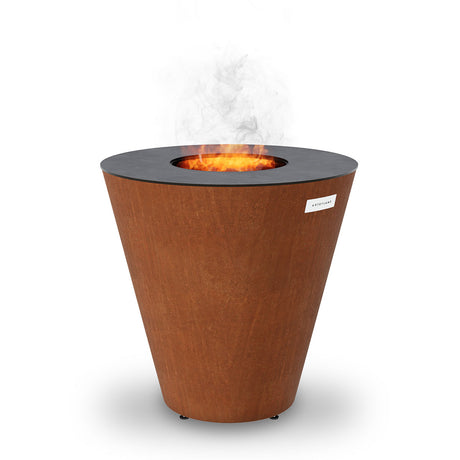


Turn yesterday's leftover macaroni into today's crispy, golden side dish with this easy wood-fired recipe.

Master this Texas-style open-fire brisket cooked entirely on the Arteflame grill. By searing on the center grate and wrapping to render on the flat top, you get perfectly tender, juicy...

Transform standard thick-cut bacon into a sweet, savory appetizer with a dark stout and brown sugar glaze, perfectly caramelized on a flat-top grill.

Render the perfect crispy skin with these Sichuan Peppercorn Duck Breasts, paired with a smoky, sweet, and spicy charred plum-poblano sauce.

Tender artichoke halves charred over high heat and smothered in rich garlic butter and Parmesan cheese.

Achieve the ultimate crust with this low-and-slow beef brisket recipe, utilizing natural heat zones for a perfect sear and incredibly tender finish.

Transform the trending crispy rice paper dumplings into a wood-fired masterpiece. Cooked on the Arteflame flat steel griddle for a shatteringly crisp crust and savory, high-protein filling.

Elevate albacore tuna with a steakhouse-style bacon wrap and a decadent green peppercorn cream sauce, grilled flawlessly on a flat-top.