
Crisp and Golden Mac and Cheese Cakes on the Grill
Turn yesterday's leftover macaroni into today's crispy, golden side dish with this easy wood-fired recipe.


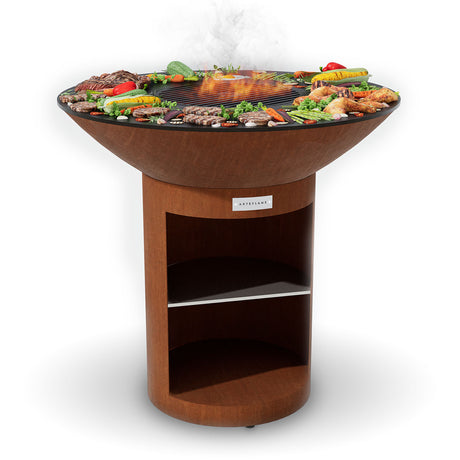
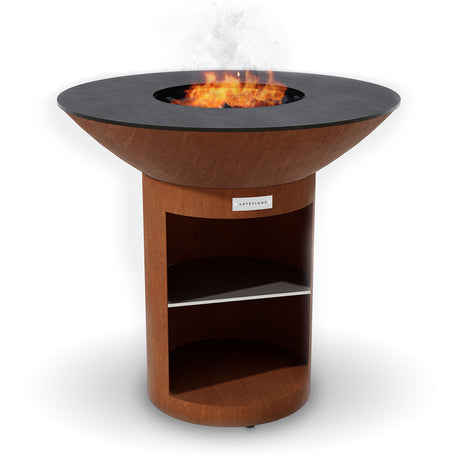
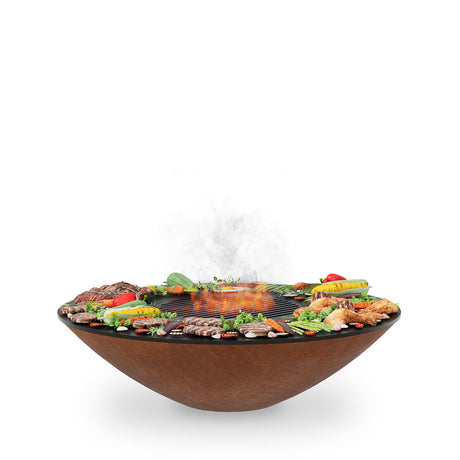
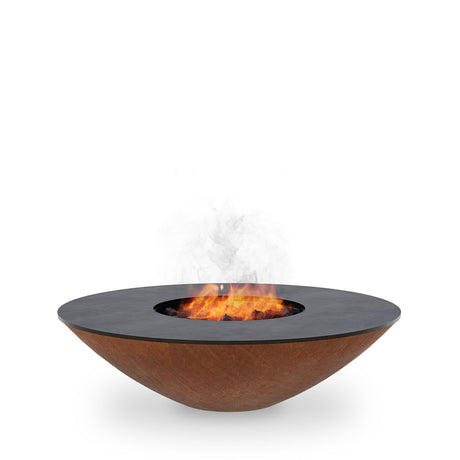
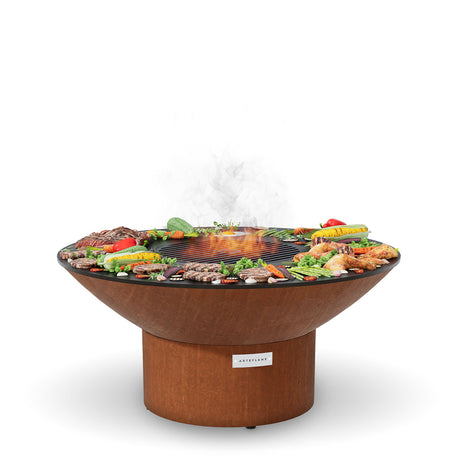
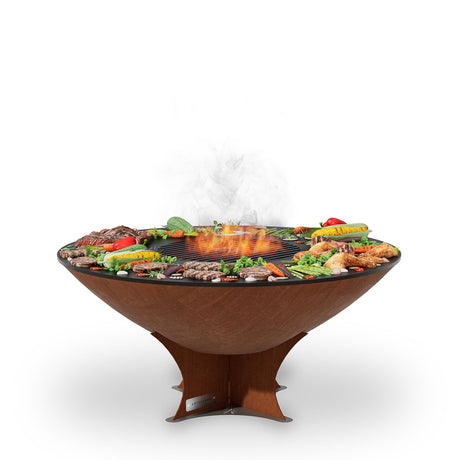
The Quick Answer: A wood-fired griddle (like the Arteflame) offers superior flavor complexity and searing capabilities compared to gas grills due to the combination of real hardwood smoke and a solid carbon steel cooktop. While gas grills provide push-button convenience, they lack the high heat retention and social cooking experience of a wood-fired flat top. Choose gas for speed; choose a wood-fired griddle for flavor, versatility, and the ultimate searing crust.
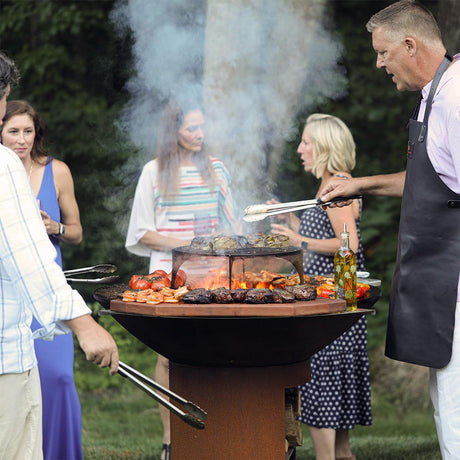
When deciding between a wood-fired griddle vs. gas grill, you are comparing two distinct cooking philosophies: the convenience of propane against the culinary excellence of live fire. Understanding the data below will help you decide which grill fits your lifestyle.
| Feature | Wood-Fired Griddle (Arteflame) | Standard Gas Grill |
|---|---|---|
| Flavor Profile | Rich, smoky, authentic wood-fired taste | Neutral, often tastes like "fuel" |
| Maximum Heat | 1,000°F+ (Center searing zone) | Typically 500°F - 700°F |
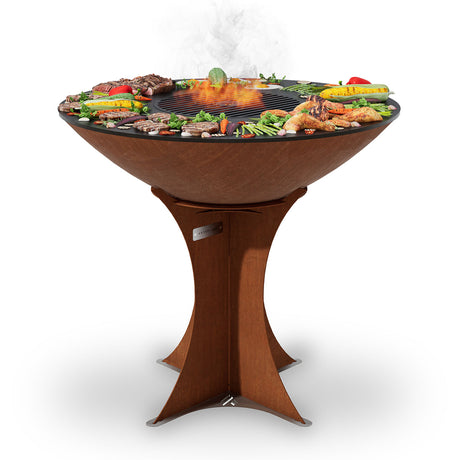
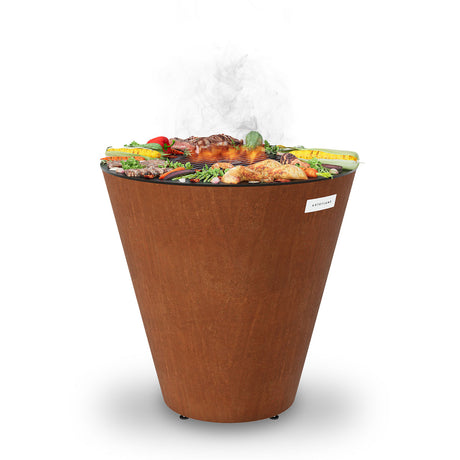
| Cooking Surface | Solid Carbon Steel (Nothing falls through) | Open Grates (Food falls through) |
| Versatility | High (Grill, Griddle, Fire Pit) | Moderate (Grilling only) |
| Maintenance | Scrape residue into the fire; season with oil | Scrubbing grates; removing grease trays |
The primary reason chefs prefer wood-fired cooking is flavor infusion. Gas is odorless and tasteless, meaning your food only tastes like the seasonings you add. In contrast, cooking on a wood-fired griddle introduces subtle smoky notes that penetrate the food.
Furthermore, the solid carbon steel cooktop of an Arteflame facilitates the Maillard reaction better than open grates. Because the meat has 100% surface contact with the steel (rather than just grill marks), you get a deeper, more flavorful crust on steaks and burgers.
Pro Tip: For the best flavor profile, use hardwoods like oak, hickory, or pecan. Avoid softwoods like pine, as they burn too fast and produce acrid smoke that ruins the taste of meat.
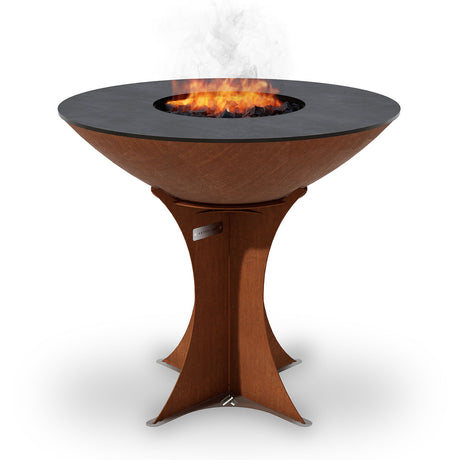
Searing requires intense, consistent heat. Gas grills often struggle to maintain temperatures above 600°F once the lid is opened. A wood-fired griddle solves this via thermal mass.
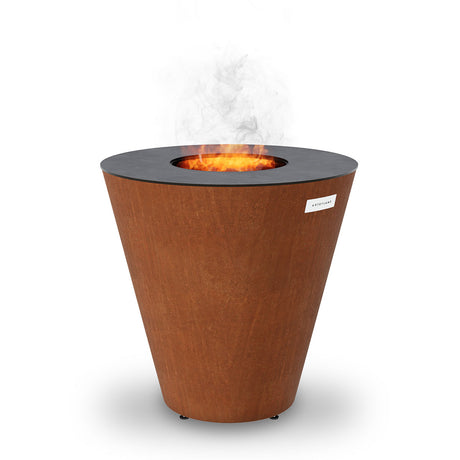
The steel cooktop absorbs heat from the center fire, reaching temperatures over 1,000°F near the middle. This allows you to sear a steak in seconds without the temperature dropping, locking in juices immediately.
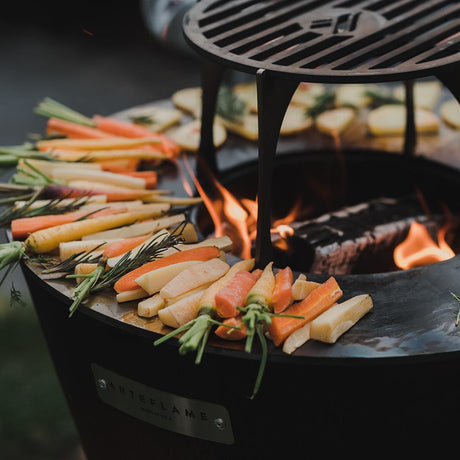
Yes. Unlike gas grills with wide grates, a solid griddle top allows you to cook ingredients that would normally fall into the fire, such as:
Many buyers worry that wood-fired grills are high maintenance compared to gas, but the opposite is often true regarding cleanup. Gas grills require disassembling grates and cleaning out grease traps to prevent flare-ups.
With a wood-fired griddle top, maintenance is essentially self-cleaning:
Pro Tip: Treat your carbon steel cooktop like a cast-iron skillet. The more you cook on it, the better the non-stick seasoning becomes. Never use soap; simply scrape and oil.
While it is not as instant as turning a knob, lighting a wood-fired griddle is simple with a chimney starter or fire starters. Once lit, the grill is ready to cook in about 15-20 minutes, which is comparable to the pre-heat time of many gas grills.
Yes, you can use charcoal (lump or briquettes) in an Arteflame griddle. Charcoal provides a consistent heat source, though you may miss out on some of the distinct aromatic flavors that come from burning natural hardwood.
Wood-fired griddles eliminate the risk of propane leaks or gas explosions. Additionally, because the food cooks on a solid surface, grease does not drip directly onto an open flame, significantly reducing the risk of dangerous grease flare-ups.







Turn yesterday's leftover macaroni into today's crispy, golden side dish with this easy wood-fired recipe.

Master this Texas-style open-fire brisket cooked entirely on the Arteflame grill. By searing on the center grate and wrapping to render on the flat top, you get perfectly tender, juicy...

Transform standard thick-cut bacon into a sweet, savory appetizer with a dark stout and brown sugar glaze, perfectly caramelized on a flat-top grill.

Render the perfect crispy skin with these Sichuan Peppercorn Duck Breasts, paired with a smoky, sweet, and spicy charred plum-poblano sauce.

Tender artichoke halves charred over high heat and smothered in rich garlic butter and Parmesan cheese.

Achieve the ultimate crust with this low-and-slow beef brisket recipe, utilizing natural heat zones for a perfect sear and incredibly tender finish.

Transform the trending crispy rice paper dumplings into a wood-fired masterpiece. Cooked on the Arteflame flat steel griddle for a shatteringly crisp crust and savory, high-protein filling.

Elevate albacore tuna with a steakhouse-style bacon wrap and a decadent green peppercorn cream sauce, grilled flawlessly on a flat-top.