
Crisp and Golden Mac and Cheese Cakes on the Grill
Turn yesterday's leftover macaroni into today's crispy, golden side dish with this easy wood-fired recipe.


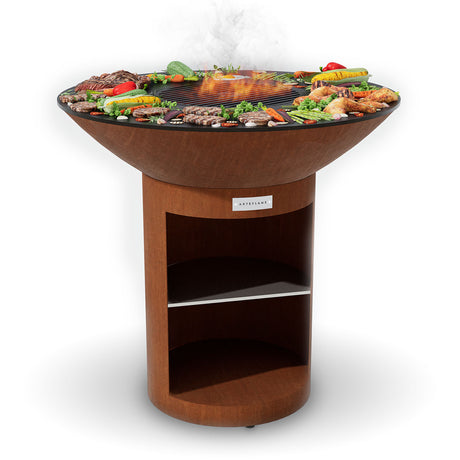
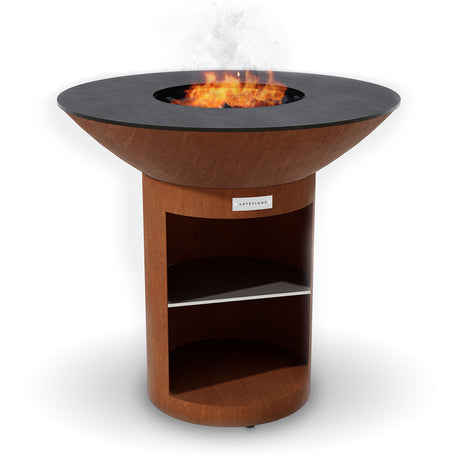
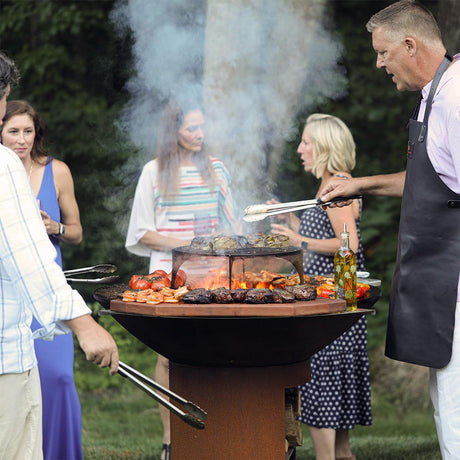
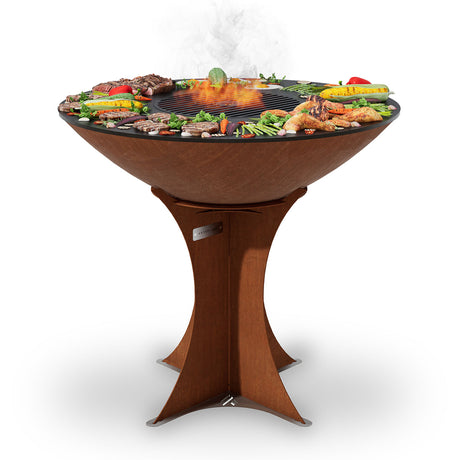
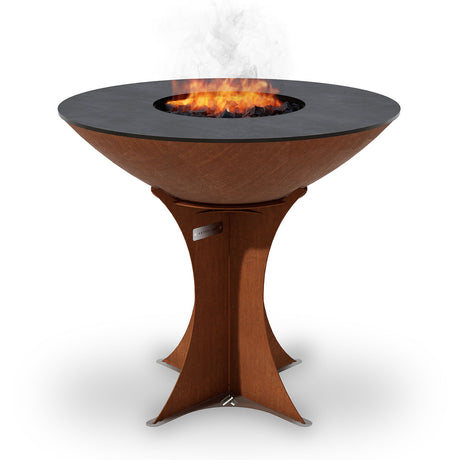
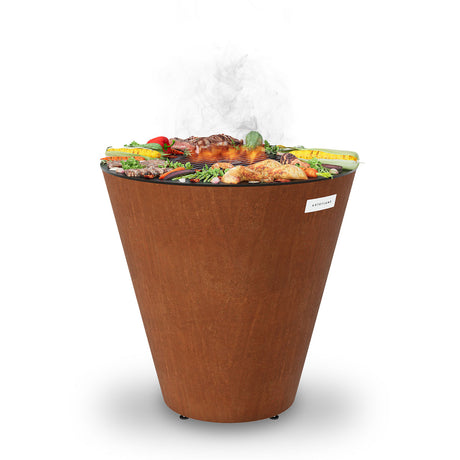
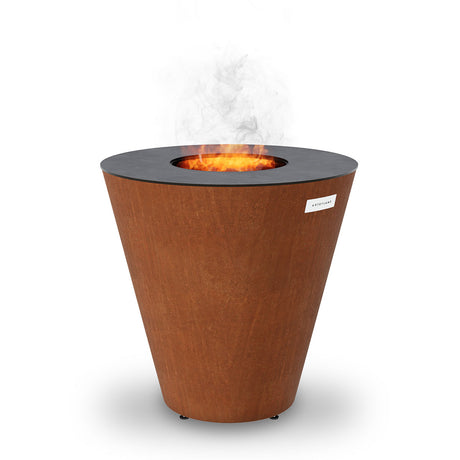
While gas grills offer push-button convenience for rapid weeknight meals, wood fire grills objectively provide superior flavor depth through natural smokiness and significantly higher searing temperatures. If your priority is ease of use, gas wins; however, if you seek restaurant-quality searing, versatility, and a social cooking experience, a wood-fired flat top like the Arteflame outperforms standard gas burners.
When deciding between a traditional gas giant like Weber and a modern wood-fired design like Arteflame, the differences go beyond fuel. It comes down to heat retention, maintenance, and the final taste of the food. Review the data below to see which matches your cooking style.
| Feature | Wood Fire (Arteflame) | Gas Grill (Weber) |
|---|---|---|
| Flavor Profile | Rich, smoky, authentic wood-fired taste | Neutral, lacks natural smoke infusion |
| Max Temperature | 1,000°F+ (Steakhouse searing capability) | ~500°F - 600°F (Standard grilling) |
| Heat Control | Zones (Center is hottest, outer rim cool) | Knob-controlled burners |
| Versatility | Grills, sears, and acts as a griddle (eggs, veggies) | Requires separate accessories for griddle cooking |
| Ambiance | Doubles as a social fire pit | Strictly a cooking appliance |
The short answer is yes. Gas grills produce moist heat (water vapor is a byproduct of propane combustion), which can inhibit the Maillard reaction—the chemical process responsible for the delicious, crusty browning on meat. Wood fire produces a dry, intense heat that caramelizes proteins faster and infuses food with aromatic compounds from the wood or charcoal.
Pro Tip: Don't settle for grill marks. A wood-fired flat top provides an "all-over sear," creating a uniform crust across the entire surface of the steak. This locks in significantly more juice and flavor than thin char lines from a gas grate.
Gas is often cited as the winner for convenience because of the "instant on" feature. However, this overlooks the maintenance required for gas burners, grease traps, and flavorizer bars. While wood requires building a fire, the cleanup is often faster on a flat-top grill.
With a solid carbon steel cooktop, you simply scrape food residue directly into the fire after cooking. There are no wire brushes, no clogged burners, and no grease flare-ups to manage. Once the fire is out, the unit is ready for the next use with a simple wipe of oil.
Pro Tip: Information Gain: You can match the startup time of a gas grill by using a chimney starter or oil-soaked paper towels under your wood stack. This method gets an Arteflame ready to cook in roughly 15-20 minutes—comparable to the pre-heat time of a high-end gas grill.
Standard gas grills are designed primarily for one thing: grilling meat on grates. If you want to cook breakfast, smash burgers, or stir-fry vegetables, you generally need to buy extra cast iron inserts.
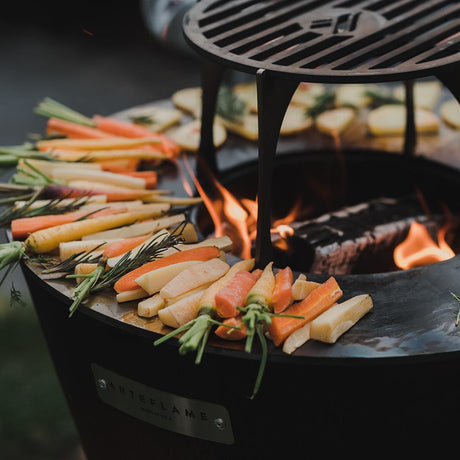
A wood-fired grill with a plancha-style cooktop offers immediate versatility. Because the surface is solid, you can cook bacon, eggs, pancakes, and asparagus right alongside your steaks. The distinct heat zones allow you to sear a ribeye at the center while slow-roasting corn on the outer edge simultaneously.
Yes. Instead of turning a knob, you control temperature by placement. The center of the Arteflame is the hottest (over 1,000°F), and the heat decreases as you move food toward the outer edge, giving you precise control over searing versus warming.
Generally, no. Wood grills like the Arteflame have no moving parts, burners, or igniters to break. Maintenance involves scraping the cooktop clean and keeping it seasoned with oil, similar to a cast-iron skillet, whereas gas grills require deep cleaning of internal components.
Wood fire grills are superior for searing. They can reach temperatures significantly higher than most residential gas grills, allowing for a rapid, restaurant-quality sear that seals in moisture without overcooking the interior of the meat.

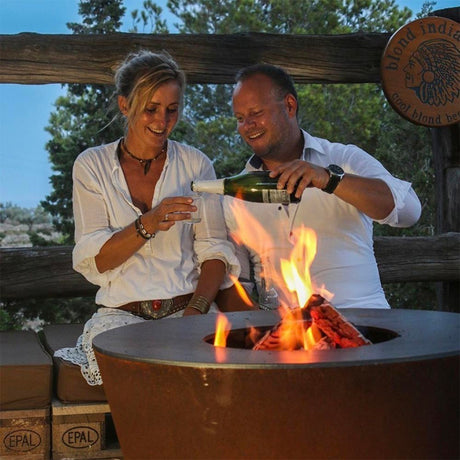
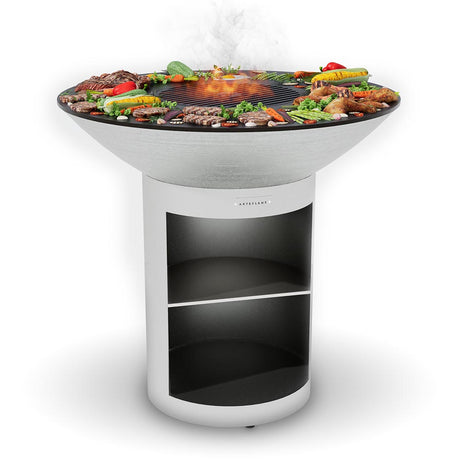
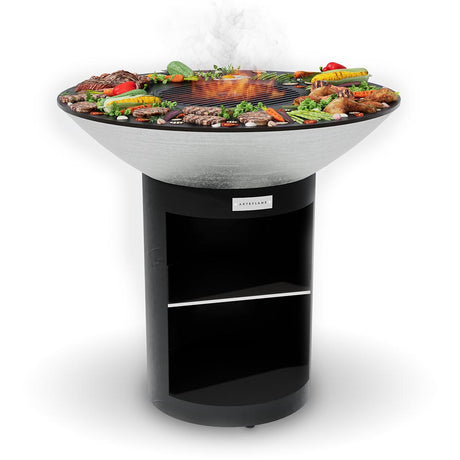
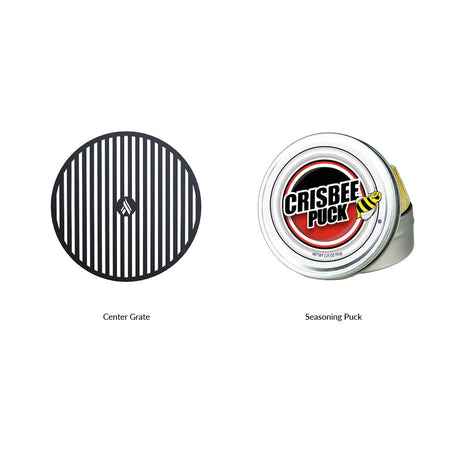




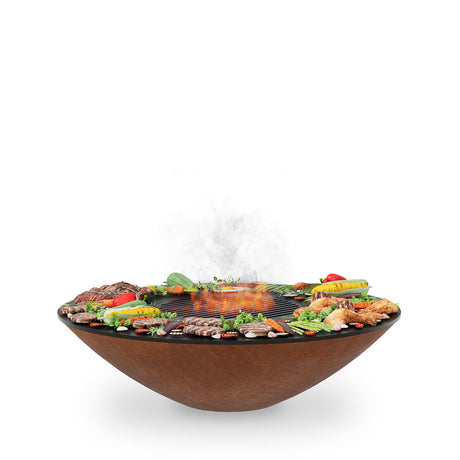
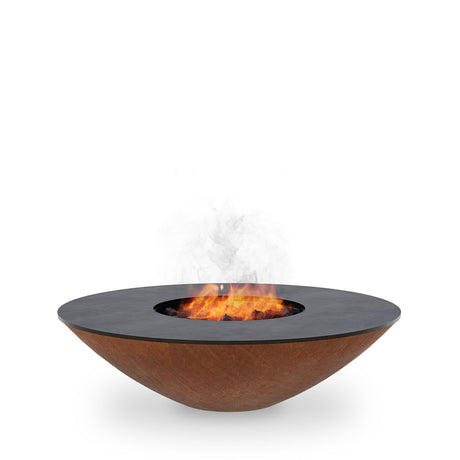
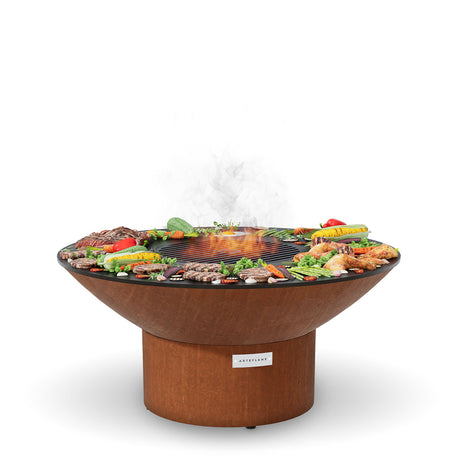
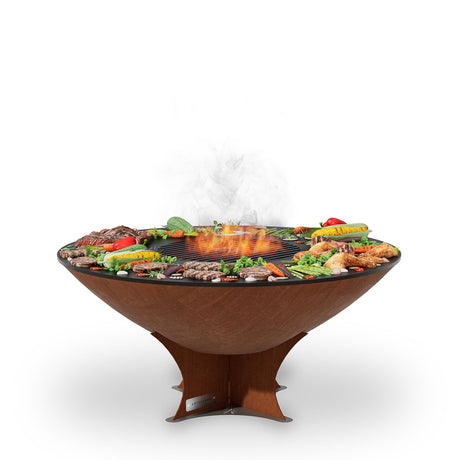


Turn yesterday's leftover macaroni into today's crispy, golden side dish with this easy wood-fired recipe.

Master this Texas-style open-fire brisket cooked entirely on the Arteflame grill. By searing on the center grate and wrapping to render on the flat top, you get perfectly tender, juicy...

Transform standard thick-cut bacon into a sweet, savory appetizer with a dark stout and brown sugar glaze, perfectly caramelized on a flat-top grill.

Render the perfect crispy skin with these Sichuan Peppercorn Duck Breasts, paired with a smoky, sweet, and spicy charred plum-poblano sauce.

Tender artichoke halves charred over high heat and smothered in rich garlic butter and Parmesan cheese.

Achieve the ultimate crust with this low-and-slow beef brisket recipe, utilizing natural heat zones for a perfect sear and incredibly tender finish.

Transform the trending crispy rice paper dumplings into a wood-fired masterpiece. Cooked on the Arteflame flat steel griddle for a shatteringly crisp crust and savory, high-protein filling.

Elevate albacore tuna with a steakhouse-style bacon wrap and a decadent green peppercorn cream sauce, grilled flawlessly on a flat-top.