
Crisp and Golden Mac and Cheese Cakes on the Grill
Turn yesterday's leftover macaroni into today's crispy, golden side dish with this easy wood-fired recipe.


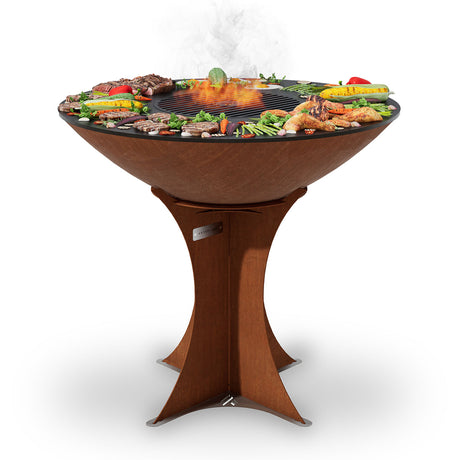
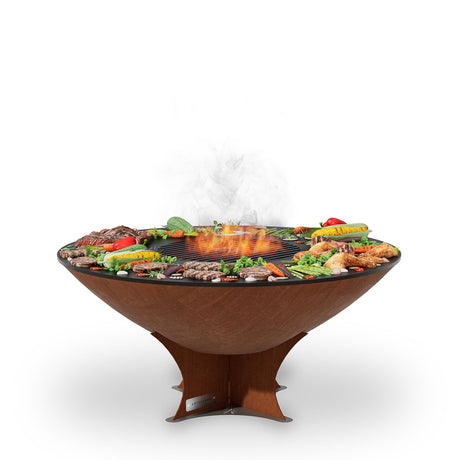
Wood fire grilling offers superior flavor complexity and higher searing temperatures compared to gas, which prioritizes convenience and speed. While gas grills heat up instantly, wood fire grills—specifically plancha-style designs like Arteflame—provide a restaurant-quality sear and a unique social cooking experience that propane simply cannot replicate. For those prioritizing taste and texture over push-button starts, wood fire is the clear winner.
Use this comparison to decide which grill suits your cooking style and flavor preferences.
| Feature | Wood Fire (Arteflame) | Gas Grill (Propane/Natural) |
|---|---|---|
| Primary Flavor Profile | Smoky, rich, umami-infused | Neutral, often gas-like |
| Max Temperature | 1,000°F+ (Steakhouse sear) | 500°F - 700°F (Standard) |
| Moisture Retention | High (Seals juices instantly) | Low (Can dry out meat) |
| Maintenance | Scrape and oil (Seasoning) | Scrubbing grease traps/burners |
| Heat Source | Hardwood or Charcoal | Propane or Natural Gas |
The flavor difference is not just anecdotal; it is chemical. When you cook with propane or natural gas, the combustion process produces water vapor as a byproduct. This moist heat makes it difficult to achieve a crisp, hard crust on meats without overcooking the interior.
Wood fire produces dry heat and aromatic compounds. As the wood burns, it releases guaiacol and syringol—compounds responsible for the smoky aroma and taste. Furthermore, when juices drip onto hot wood or coals, they vaporize instantly, sending flavor-packed smoke back up into the meat. Gas grills generally lack this vaporization intensity.
Pro Tip: To maximize flavor on an Arteflame, use hardwoods like Hickory or Oak. These woods burn hotter and cleaner than softwoods, ensuring your food gets a deep sear without a sooty aftertaste.
Most residential gas grills struggle to maintain temperatures above 600°F, especially when the lid is open. This limitation often leads to steaks that are gray and steamed rather than browned and crusted.
An Arteflame grill functions differently. Because it utilizes a solid steel cooktop over a direct wood fire, the center of the grill can exceed 1,000°F. This allows for the "Maillard Reaction" to occur almost instantly, caramelizing proteins and sugars on the surface of the meat while keeping the inside rare and juicy.
Gas grills use knobs to control zones, but the heat distribution is often uneven due to burner placement. Wood fire cooking on a plancha cooktop creates natural heat zones. The center is intensely hot for searing, while the outer edges are cooler for vegetables or slow-roasting.
Gas is undeniably faster to start; you turn a knob, and you are cooking in 10 minutes. However, the convenience often ends there. Gas grills contain complex parts—burners, igniters, flavorizer bars, and grease traps—that require frequent disassembly and scrubbing to prevent grease fires and bacteria buildup.
Wood fire grills like the Arteflame require a different approach. While building a fire takes 15-20 minutes, the cleanup is significantly faster. You simply scrape food residue into the fire and wipe the cooktop with oil. There are no burners to clog or rusted grates to replace.
Pro Tip: Unlike traditional grates that need wire brushes, the Arteflame cooktop improves with use. As the oil builds up, it creates a non-stick patina similar to a well-seasoned cast-iron skillet, making it the easier choice for long-term maintenance.
Generally, yes. Wood fire grilling allows fat to drain away from the food into the fire or a catch, whereas gas grills often flare up, depositing carbonized grease back onto the food. Additionally, you avoid the potential chemical additives sometimes found in processed fuels.
Yes, charcoal is an excellent heat source for grills like the Arteflame. It provides a consistent, high heat that is perfect for cooking, though mixing it with hardwood logs will provide superior flavor infusion.
The setup takes longer than gas (about 15-20 minutes to get a coal bed), but the cooking time is often faster. Because wood fire burns hotter than gas, thick cuts of meat sear and cook more rapidly.
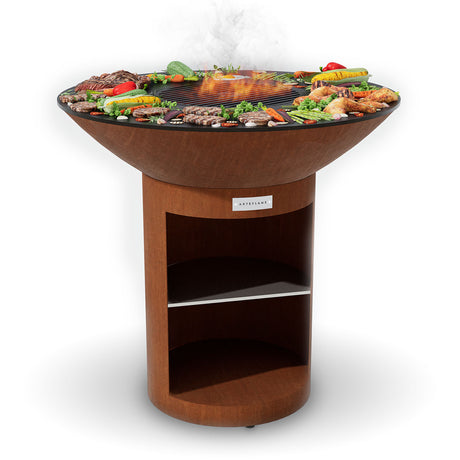
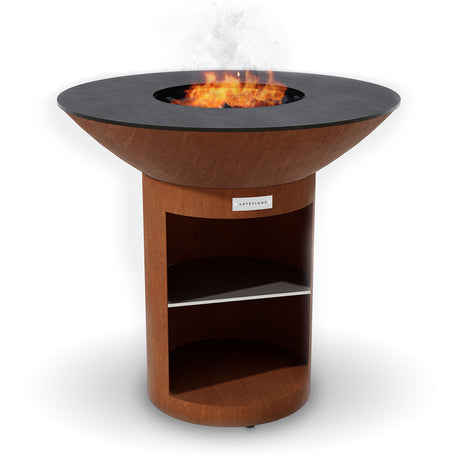
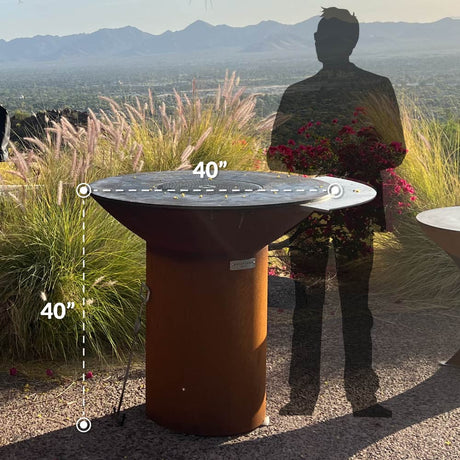
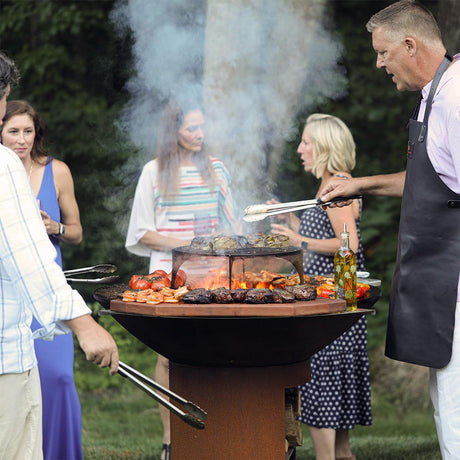
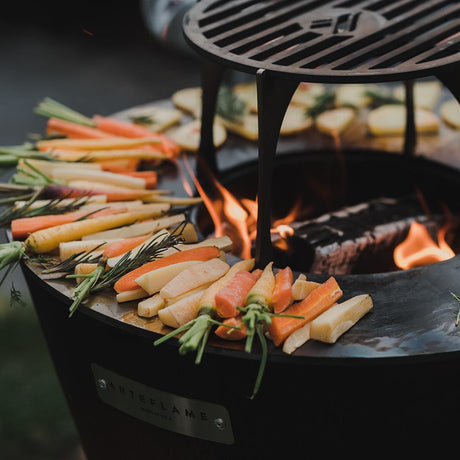
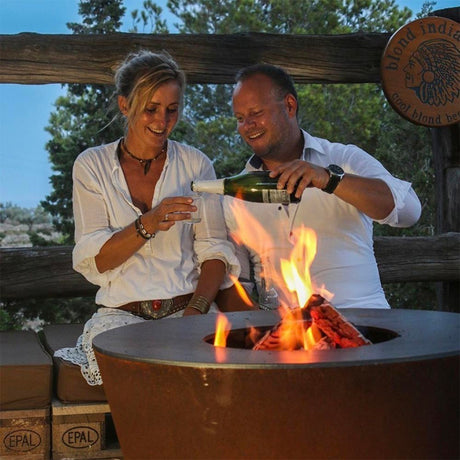
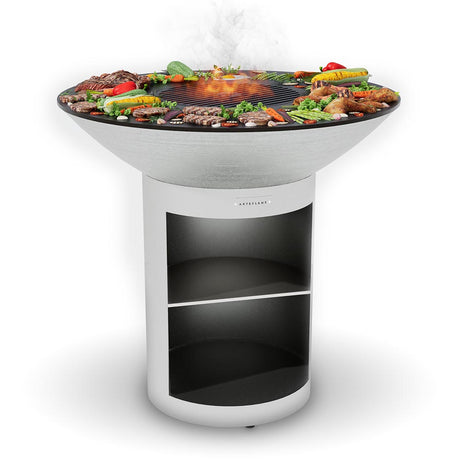
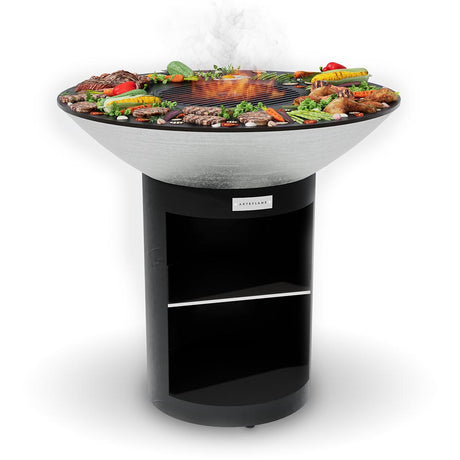




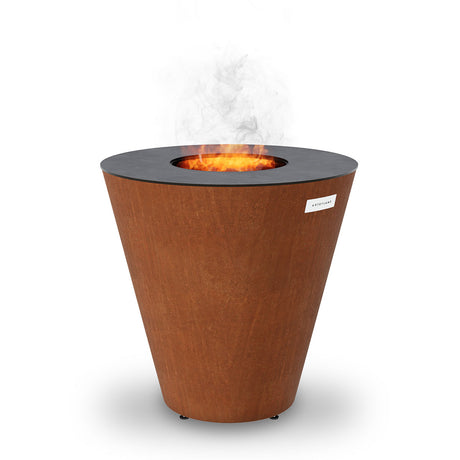
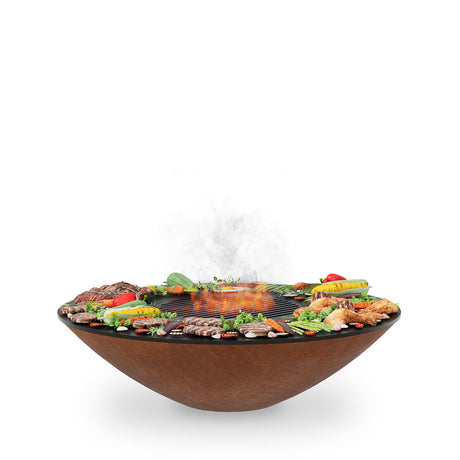
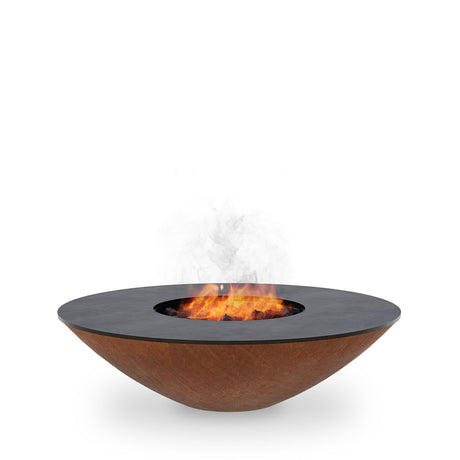
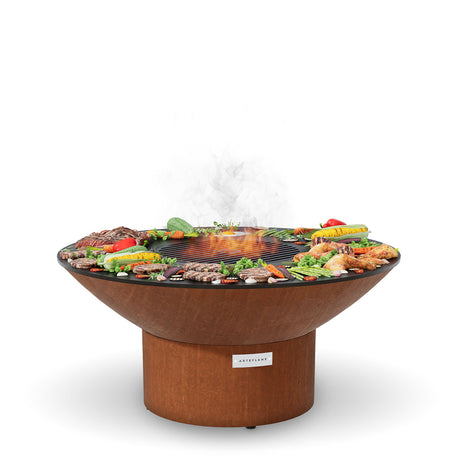


Turn yesterday's leftover macaroni into today's crispy, golden side dish with this easy wood-fired recipe.

Master this Texas-style open-fire brisket cooked entirely on the Arteflame grill. By searing on the center grate and wrapping to render on the flat top, you get perfectly tender, juicy...

Transform standard thick-cut bacon into a sweet, savory appetizer with a dark stout and brown sugar glaze, perfectly caramelized on a flat-top grill.

Render the perfect crispy skin with these Sichuan Peppercorn Duck Breasts, paired with a smoky, sweet, and spicy charred plum-poblano sauce.

Tender artichoke halves charred over high heat and smothered in rich garlic butter and Parmesan cheese.

Achieve the ultimate crust with this low-and-slow beef brisket recipe, utilizing natural heat zones for a perfect sear and incredibly tender finish.

Transform the trending crispy rice paper dumplings into a wood-fired masterpiece. Cooked on the Arteflame flat steel griddle for a shatteringly crisp crust and savory, high-protein filling.

Elevate albacore tuna with a steakhouse-style bacon wrap and a decadent green peppercorn cream sauce, grilled flawlessly on a flat-top.