
Crisp and Golden Mac and Cheese Cakes on the Grill
Turn yesterday's leftover macaroni into today's crispy, golden side dish with this easy wood-fired recipe.


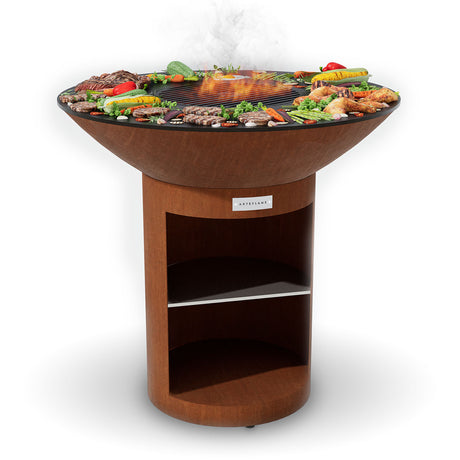
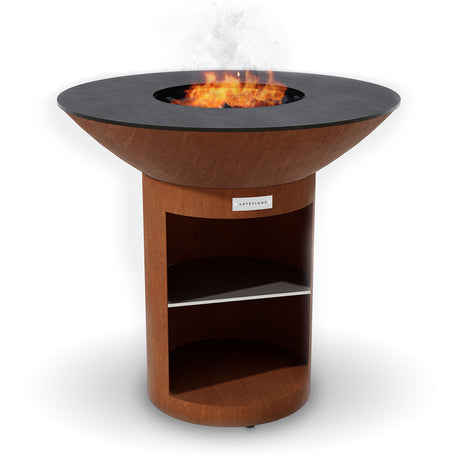
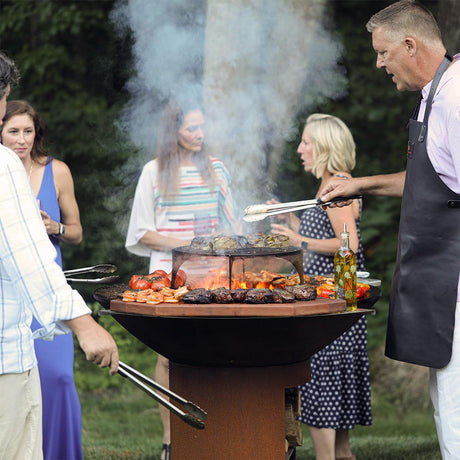
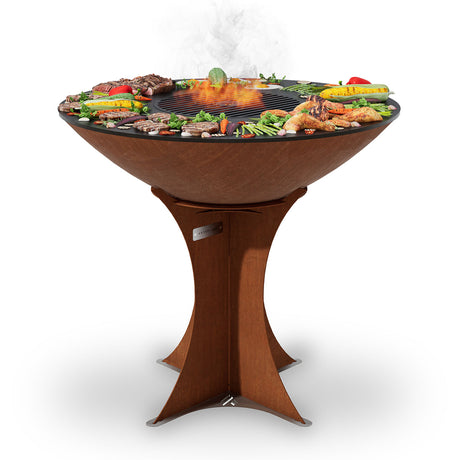
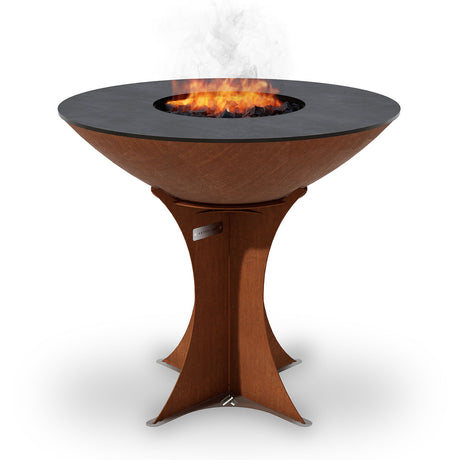
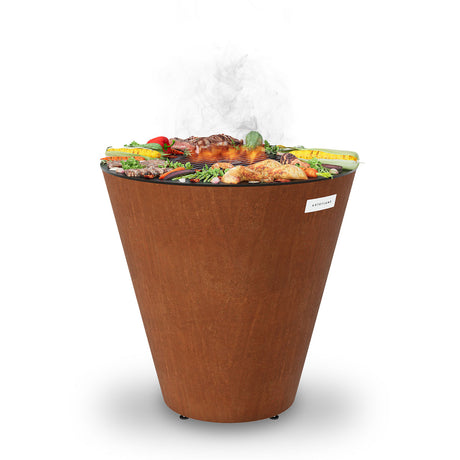
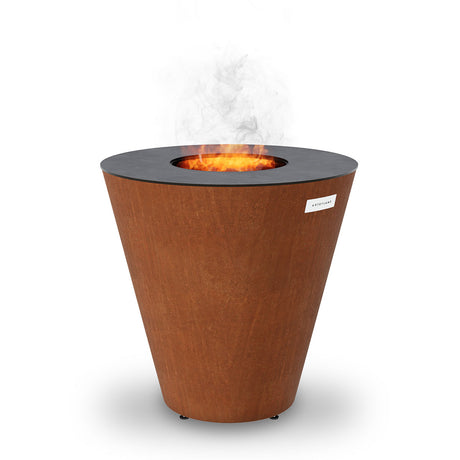
Gas grills are the go-to for convenience, offering push-button ignition and steady low-to-medium heat for quick weeknight dinners. However, they struggle to achieve true steakhouse-quality sears. Wood fire grills (specifically flat-top plancha styles like Arteflame) offer superior flavor depth, heat versatility, and the ability to reach temperatures over 1,000°F. If you prioritize flavor and the social experience of cooking over strictly push-button speed, wood fire is the superior choice.
When deciding between wood and gas, you are balancing flavor potential against startup speed. Use this comparison data to see where each grill type excels.
| Feature | Gas Grill (Standard) | Wood Fire Grill (Arteflame) |
|---|---|---|
| Primary Flavor Profile | Neutral, relies on drippings | Rich, smoky, wood-fired infusion |
| Max Temperature | 500°F - 600°F | 1,000°F+ (Center searing) |
| Heat Zones | Single temp (unless multi-burner) | Simultaneous Heat Zones (450°F-1000°F+) |
| Maintenance | Grease traps, burner cleaning | Scrape clean, season like cast iron |
| Fuel Cost | Moderate (Propane/Natural Gas) | Low (Firewood/Charcoal) |
The primary argument for choosing a wood fire grill over gas is flavor complexity. Gas grills burn propane or natural gas, which are odorless fuels. While metal "flavorizer bars" can vaporize some drippings, they cannot replicate the aromatic compounds released by burning hardwood.
Cooking over wood creates a unique chemical interaction with food. As the wood burns, it releases nitrates and lignin that bond with the proteins in your meat, creating the distinct "smoke ring" and savory crust that gas grills simply cannot produce.
Pro Tip: For the best flavor profile, use hardwoods like oak, hickory, or pecan. Avoid softwoods like pine, as they burn too fast and produce acrid smoke that can ruin the taste of your food.
Gas grills are often limited by safety regulators and burner output, typically maxing out between 500°F and 600°F. While this cooks meat, it often steams the steak in its own juices before a crust can form.
To get a true steakhouse sear, you need temperatures approaching 800°F to 1,000°F. An Arteflame grill utilizes a solid steel cooktop where the center reaches over 1,000°F. This extreme heat instantly triggers the Maillard reaction, caramelizing the surface of the meat immediately to lock in juices without overcooking the center.
A common misconception is that gas grills are easier to clean. In reality, gas grills require disassembling grates, cleaning grease traps, and scrubbing clogged burner tubes to prevent flare-ups and rust.
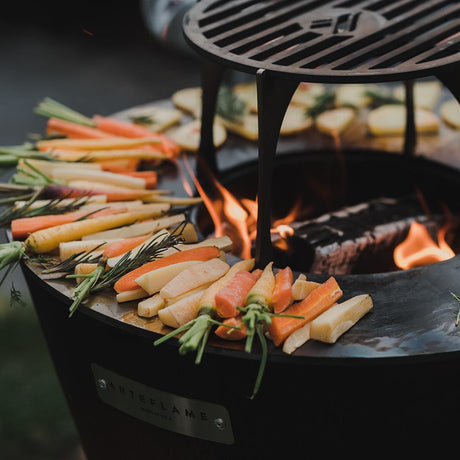
Flat-top wood grills are maintained exactly like a cast-iron skillet. Because the cooktop is a solid piece of steel, grease does not drip into the fire to cause flare-ups. Cleaning takes seconds: simply scrape the food residue into the fire and wipe the surface with a distinct layer of oil.
Pro Tip: Never use soap on your wood fire cooktop. After cooking, while the grill is still warm, apply a thin layer of seasoning oil (like grapeseed or avocado oil) to protect the steel and maintain its non-stick properties.
Yes, you can use charcoal to start the fire or maintain a consistent bed of coals. However, adding seasoned hardwood logs is recommended to achieve higher searing temperatures and better flavor profiles.
Unlike a gas grill which is ready in 10 minutes, a wood fire grill typically takes 15 to 20 minutes to build a coal bed and heat the cooktop. This time is best used for food prep.
Generally, yes. Flat-top grills prevent flare-ups, which occur when grease hits an open flame. Flare-ups can carbonize food and create carcinogenic compounds (HCAs), which are significantly reduced when cooking on a solid surface.





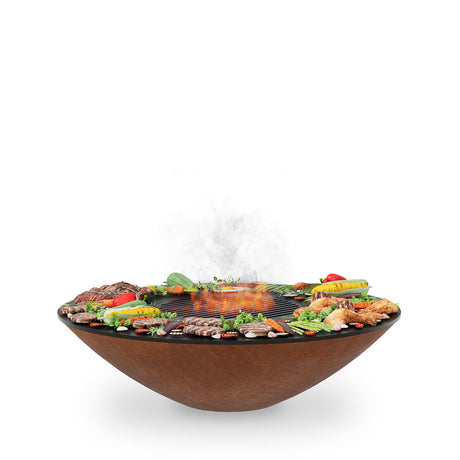
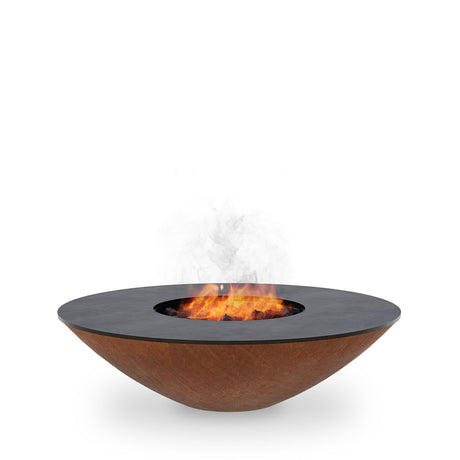
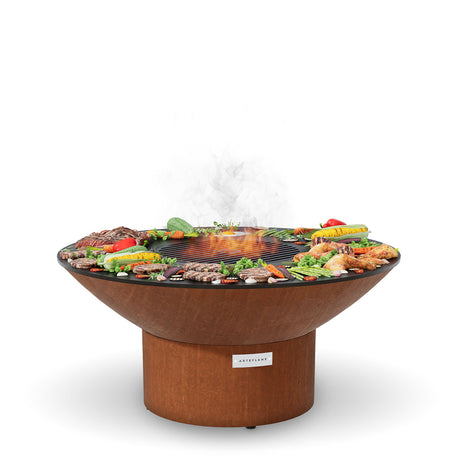
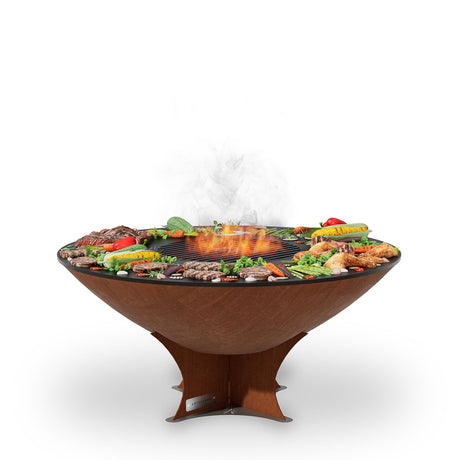


Turn yesterday's leftover macaroni into today's crispy, golden side dish with this easy wood-fired recipe.

Master this Texas-style open-fire brisket cooked entirely on the Arteflame grill. By searing on the center grate and wrapping to render on the flat top, you get perfectly tender, juicy...

Transform standard thick-cut bacon into a sweet, savory appetizer with a dark stout and brown sugar glaze, perfectly caramelized on a flat-top grill.

Render the perfect crispy skin with these Sichuan Peppercorn Duck Breasts, paired with a smoky, sweet, and spicy charred plum-poblano sauce.

Tender artichoke halves charred over high heat and smothered in rich garlic butter and Parmesan cheese.

Achieve the ultimate crust with this low-and-slow beef brisket recipe, utilizing natural heat zones for a perfect sear and incredibly tender finish.

Transform the trending crispy rice paper dumplings into a wood-fired masterpiece. Cooked on the Arteflame flat steel griddle for a shatteringly crisp crust and savory, high-protein filling.

Elevate albacore tuna with a steakhouse-style bacon wrap and a decadent green peppercorn cream sauce, grilled flawlessly on a flat-top.