
Crisp and Golden Mac and Cheese Cakes on the Grill
Turn yesterday's leftover macaroni into today's crispy, golden side dish with this easy wood-fired recipe.


Gas grills are undeniable convenience kings for quick weeknight dinners, but they often lack the high-heat searing capability and distinct smoky flavor required for gourmet outdoor cooking. By adding a wood-fired grill with a flat cooktop to your setup, you gain the ability to achieve restaurant-quality sears at temperatures exceeding 1,000°F while retaining the convenience of gas for low-temperature tasks. This combination creates the ultimate outdoor kitchen, offering the best of both efficiency and culinary performance.
Many outdoor chefs believe they must choose between gas and wood, but the most versatile outdoor kitchens utilize both. While your gas BBQ excels at controlled, low-to-medium heat for slow-cooking chicken or warming buns, it physically cannot replicate the intense thermal energy of a wood fire.
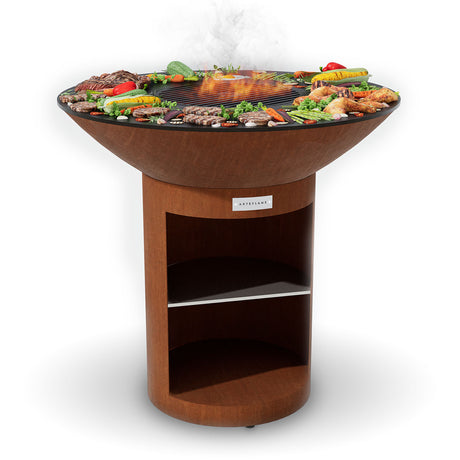
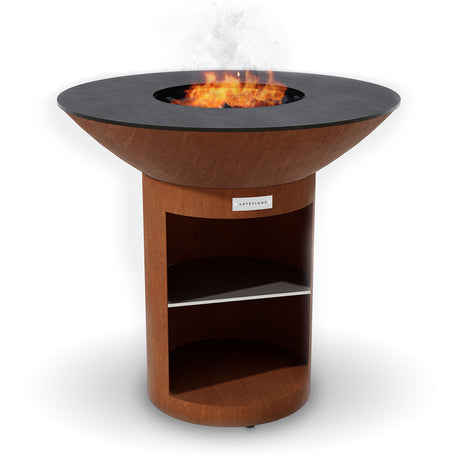
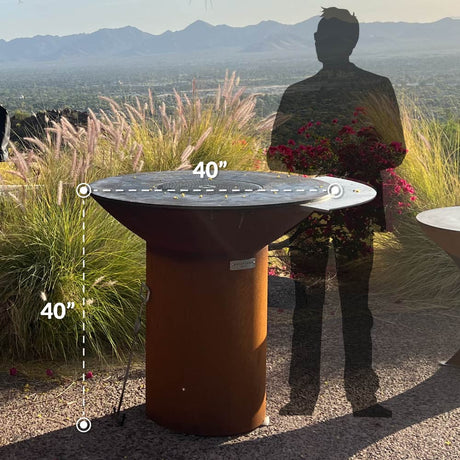
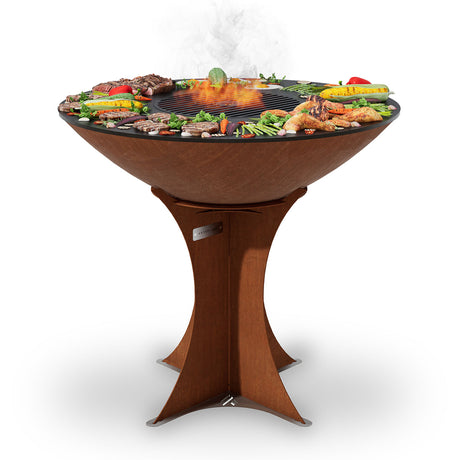
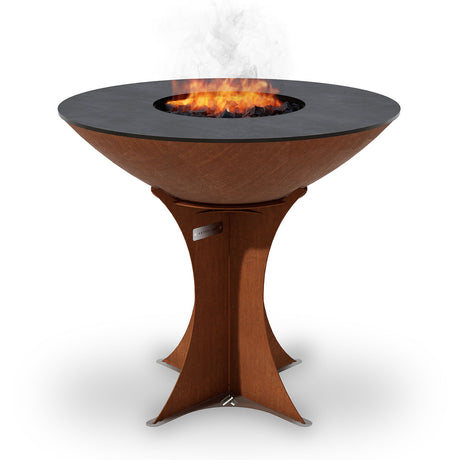
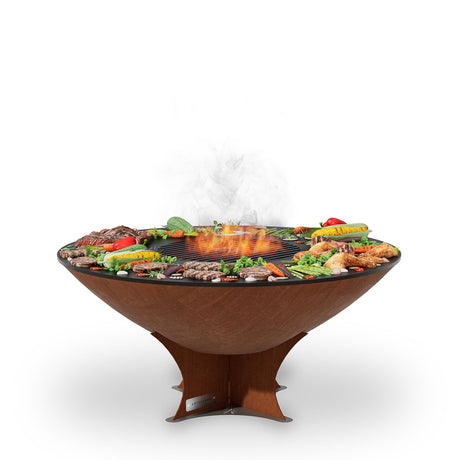
A wood-fired grill, particularly one with a solid carbon steel cooktop like an Arteflame, fills the performance gaps left by propane. It serves as your "high-performance engine," handling the heavy lifting of searing steaks, charring vegetables, and infusing food with authentic hardwood smoke.
Pro Tip: For the perfect reverse sear, start your thick-cut steaks on the gas grill at a low temperature (225°F) to cook the interior evenly. Then, transfer them immediately to the wood grill's hottest center zone for a 60-second crust that locks in flavor without overcooking the inside.
Understanding the strengths of each fuel source allows you to maximize your cooking potential. The table below highlights why these two units are complementary rather than redundant.
| Feature | Gas BBQ | Wood Fire Flat Top (Arteflame) |
|---|---|---|
| Max Temperature | 500°F - 700°F | 1,000°F+ (Center Searing) |
| Flavor Profile | Neutral / Minimal Smoke | Rich, Complex, Smoky |
| Start-Up Time | Instant | 15 - 20 Minutes |
| Surface Style | Open Grates (Flare-ups common) | Solid Griddle (No flare-ups) |
| Social Experience | Functional Cooking | Interactive Fire Pit |
Gas burners often struggle to maintain the sustained, intense heat required for a steakhouse-quality crust. A wood fire creates a thermal updraft that heats the center of a steel cooktop to over 1,000°F. This immediate contact caramelizes proteins instantly (the Maillard reaction) without drying out the meat, a feat difficult to replicate on standard gas grates.
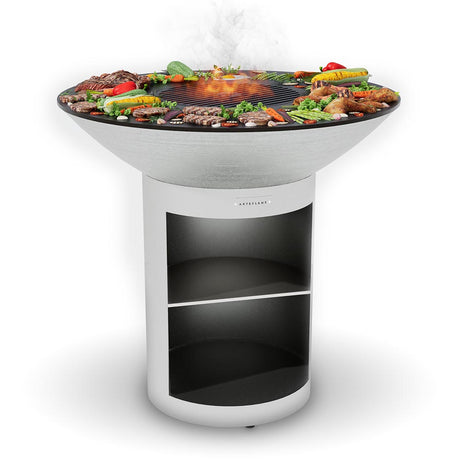
One major frustration with gas grills is losing asparagus, peppers, or shrimp through the grates. A wood-fired grill with a solid plancha-style surface eliminates this issue entirely. You can sauté onions, fry eggs, and crisp bacon directly on the steel while your burgers cook alongside them. This versatility turns your grill into a full outdoor stovetop.
Pro Tip: Use the varying heat zones of a wood grill to your advantage. Sear proteins in the center where the heat is highest, and move vegetables to the outer ring where the temperature is lower, allowing everything to finish cooking simultaneously.
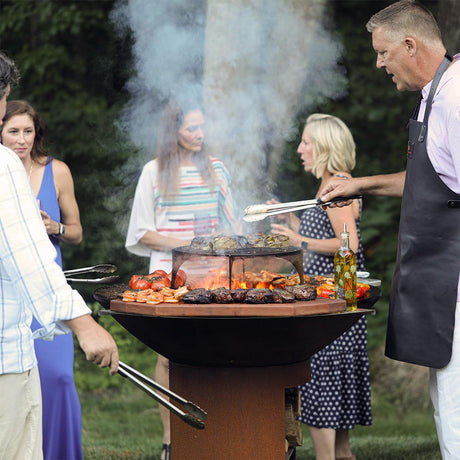
A gas grill is an appliance; a wood grill is a destination. When the cooking is done, a gas grill is turned off and cools down. Conversely, a wood grill transitions seamlessly into a fire pit. This extends your evening, allowing guests to gather around the warmth of the fire for roasted marshmallows or drinks, making the grill the centerpiece of the social gathering rather than just a utility in the corner.
There is a slight learning curve regarding fire management, but cooking on a solid steel surface is actually more forgiving than open grates. You do not have to worry about flare-ups burning your food, giving you more control over the final result.
Yes, you can use lump charcoal to establish a coal bed quickly. However, adding seasoned hardwood (like oak, hickory, or pecan) is recommended to achieve the high heat and aromatic flavor profile that makes wood grilling unique.
Gas burns clean, which is efficient but adds no flavor. Wood is an ingredient itself; as it burns, it releases aromatic compounds that bond with the surface of the food, creating a depth of flavor that propane simply cannot artificially reproduce.
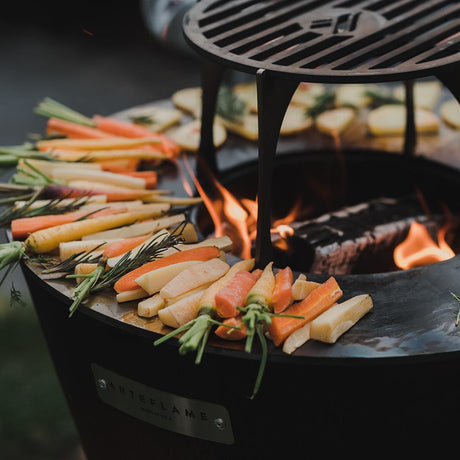




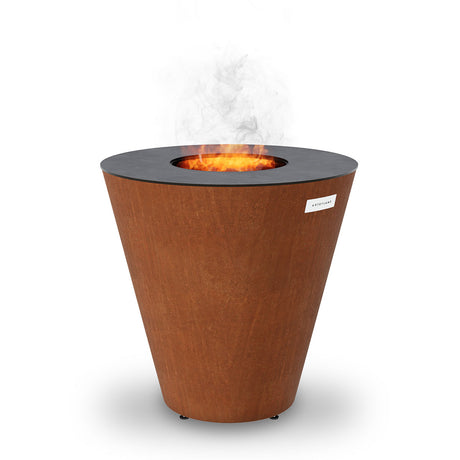
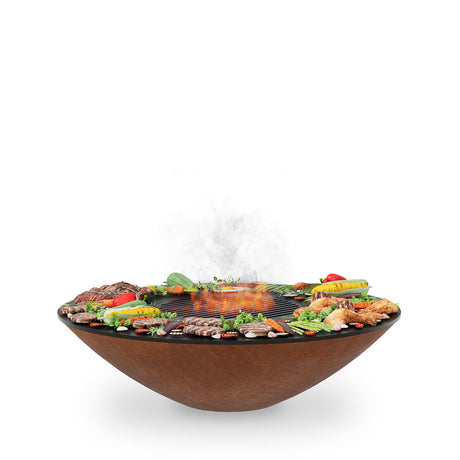
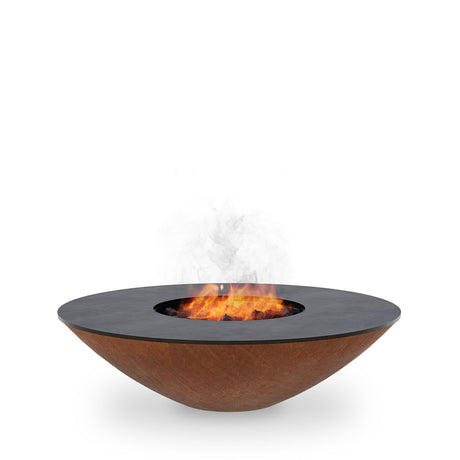
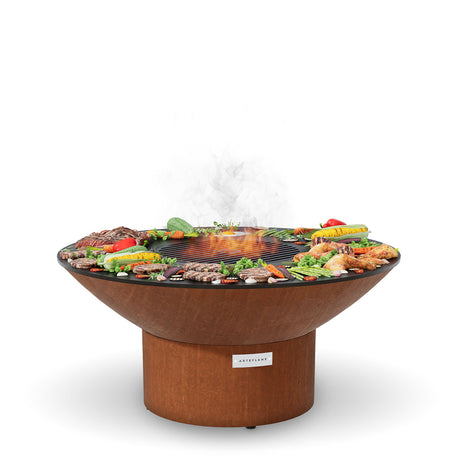


Turn yesterday's leftover macaroni into today's crispy, golden side dish with this easy wood-fired recipe.

Master this Texas-style open-fire brisket cooked entirely on the Arteflame grill. By searing on the center grate and wrapping to render on the flat top, you get perfectly tender, juicy...

Transform standard thick-cut bacon into a sweet, savory appetizer with a dark stout and brown sugar glaze, perfectly caramelized on a flat-top grill.

Render the perfect crispy skin with these Sichuan Peppercorn Duck Breasts, paired with a smoky, sweet, and spicy charred plum-poblano sauce.

Tender artichoke halves charred over high heat and smothered in rich garlic butter and Parmesan cheese.

Achieve the ultimate crust with this low-and-slow beef brisket recipe, utilizing natural heat zones for a perfect sear and incredibly tender finish.

Transform the trending crispy rice paper dumplings into a wood-fired masterpiece. Cooked on the Arteflame flat steel griddle for a shatteringly crisp crust and savory, high-protein filling.

Elevate albacore tuna with a steakhouse-style bacon wrap and a decadent green peppercorn cream sauce, grilled flawlessly on a flat-top.