
Crisp and Golden Mac and Cheese Cakes on the Grill
Turn yesterday's leftover macaroni into today's crispy, golden side dish with this easy wood-fired recipe.


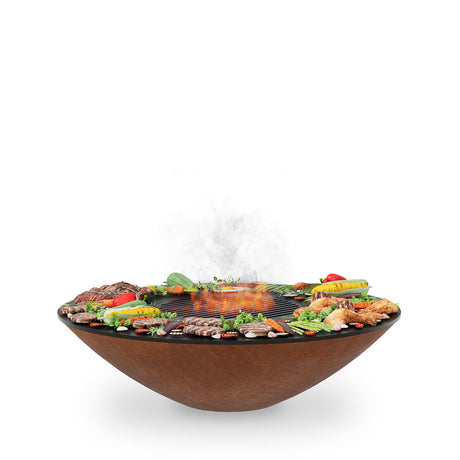
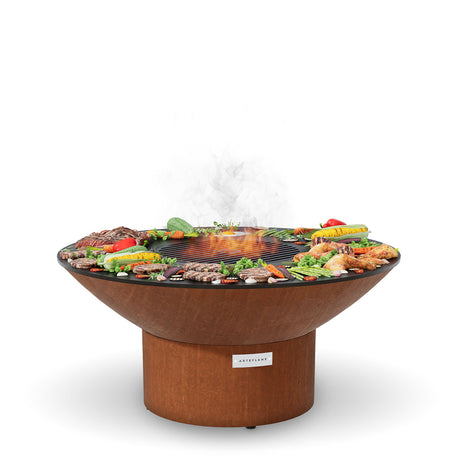
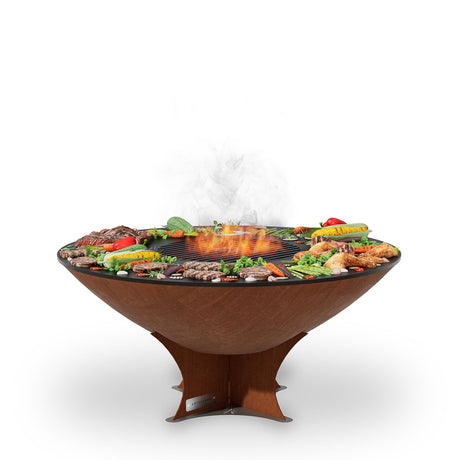
Wood-fired grills significantly outperform gas grills by delivering superior flavor complexity through natural smoke infusion and achieving searing temperatures exceeding 1,000°F. While gas grills offer push-button convenience, they cannot replicate the restaurant-quality sear or the social, campfire atmosphere of a plancha-style wood grill. For chefs prioritizing taste, texture, and the cooking experience over mere speed, a wood-fired grill is the definitive investment.
When deciding between wood and gas, the differences go beyond just the fuel source. The following data highlights how they stack up regarding heat, flavor, and versatility.
| Feature | Wood-Fired (Arteflame) | Standard Gas Grill |
|---|---|---|
| Flavor Profile | Rich, smoky, complex | Neutral, often flat |
| Max Temperature | 1,000°F+ (Steakhouse Sear) | 500°F - 700°F |
| Heat Distribution | Multi-zone heat gradients | Single uniform temperature |
| Cooking Experience | Social, interactive event | Utilitarian, solitary |
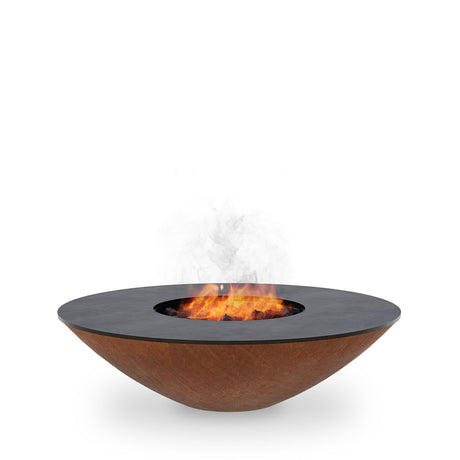
| Versatility | Grill, Griddle, Fire Pit | Grill grate only |
The primary reason culinary enthusiasts switch to wood is the flavor profile. Gas is odorless and tasteless; it merely supplies heat. Conversely, hardwood creates aromatic smoke that infuses food with distinct nuances—hickory for bacon-like depth or cherry for a sweet finish. Furthermore, the solid carbon steel cooktops found on high-end wood grills prevent flare-ups, meaning your meat is seared by heat, not burned by direct flame contact.
Pro Tip: To maximize flavor complexity without overpowering delicate foods like fish or vegetables, use fruitwoods (apple or cherry) in the center of your fire, while using oak or hickory for the high-heat searing zones.
Steakhouse-quality steaks require temperatures that most residential gas grills simply cannot reach. A standard gas grill tops out around 500°F to 700°F. In contrast, an Arteflame wood-fired grill centers heat around 1,000°F or more. This extreme heat is crucial for the Maillard reaction—the chemical process that creates the savory, brown crust on the exterior of a steak while keeping the inside juicy.
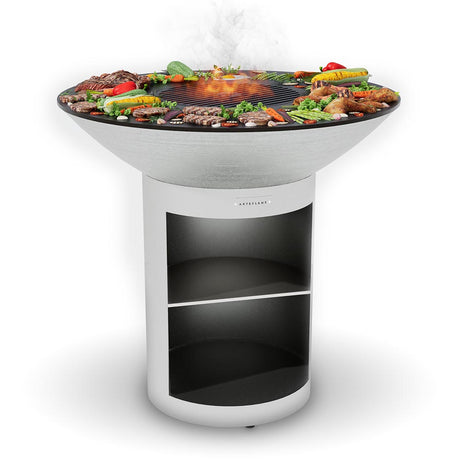
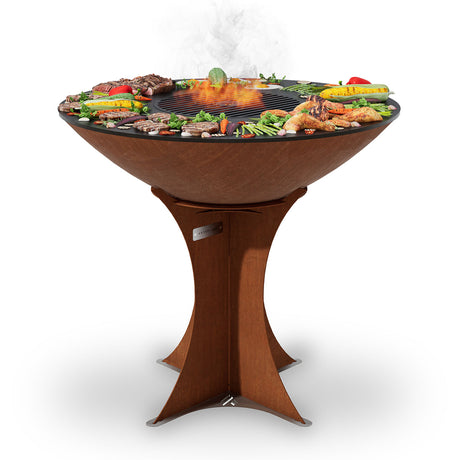
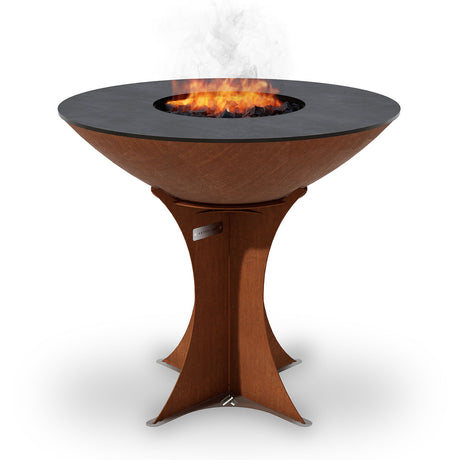
Unlike gas grills which try to maintain one ambient temperature, a flat-top wood grill creates natural heat zones. The center is intense for searing, while the outer edges are cooler for slow-roasting veggies or keeping buns warm.
Pro Tip: When searing a steak, place it on the inner ring of the cooktop for 2 minutes per side, then slide it to the cooler outer ring to finish bringing the internal temperature up to your desired doneness.
Not significantly. While you can't just turn a knob to clean it, maintaining a flat-top wood grill is similar to caring for a cast-iron skillet; simply scrape residue into the fire and wipe it down with oil after use to keep it seasoned.
Yes, wood takes about 15 to 20 minutes to build a proper bed of coals and heat the cooktop. However, this time is often used for food prep and adds to the social experience of "gathering around the fire" before the meal begins.
Yes, many wood-fired grills, including Arteflame, allow for a mixture of wood and charcoal. Charcoal provides a consistent, long-lasting heat base, while adding wood logs creates the visual ambiance and specific smoke flavors.
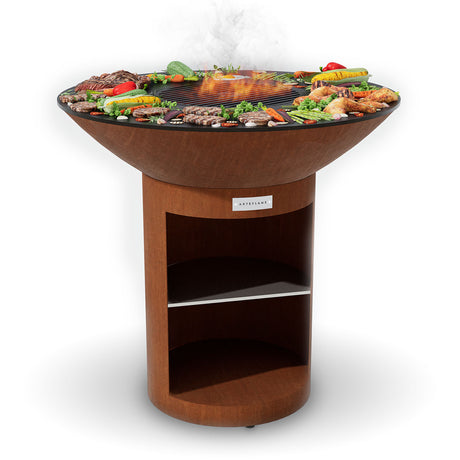
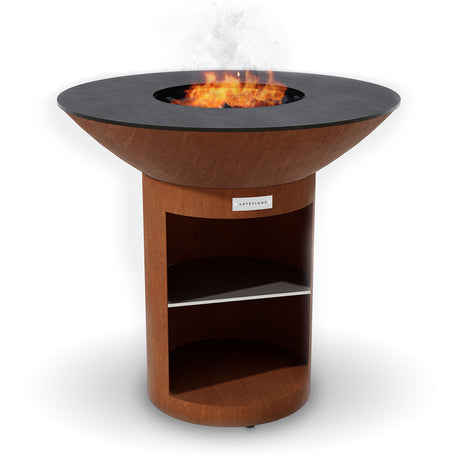

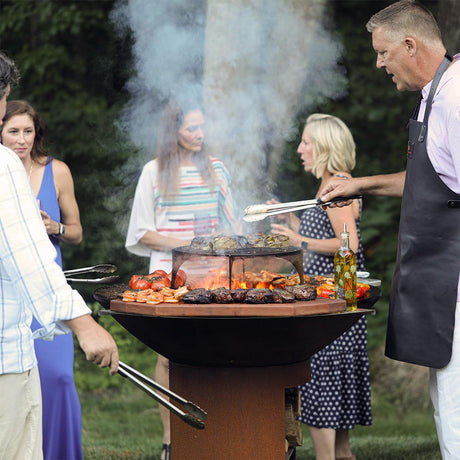
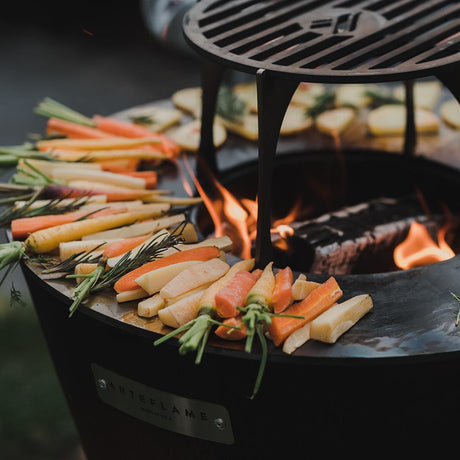






Turn yesterday's leftover macaroni into today's crispy, golden side dish with this easy wood-fired recipe.

Master this Texas-style open-fire brisket cooked entirely on the Arteflame grill. By searing on the center grate and wrapping to render on the flat top, you get perfectly tender, juicy...

Transform standard thick-cut bacon into a sweet, savory appetizer with a dark stout and brown sugar glaze, perfectly caramelized on a flat-top grill.

Render the perfect crispy skin with these Sichuan Peppercorn Duck Breasts, paired with a smoky, sweet, and spicy charred plum-poblano sauce.

Tender artichoke halves charred over high heat and smothered in rich garlic butter and Parmesan cheese.

Achieve the ultimate crust with this low-and-slow beef brisket recipe, utilizing natural heat zones for a perfect sear and incredibly tender finish.

Transform the trending crispy rice paper dumplings into a wood-fired masterpiece. Cooked on the Arteflame flat steel griddle for a shatteringly crisp crust and savory, high-protein filling.

Elevate albacore tuna with a steakhouse-style bacon wrap and a decadent green peppercorn cream sauce, grilled flawlessly on a flat-top.