
Crisp and Golden Mac and Cheese Cakes on the Grill
Turn yesterday's leftover macaroni into today's crispy, golden side dish with this easy wood-fired recipe.


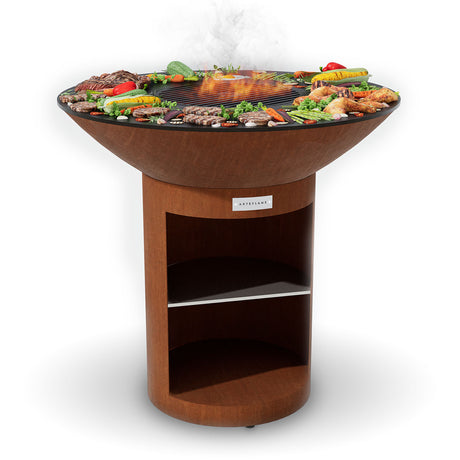
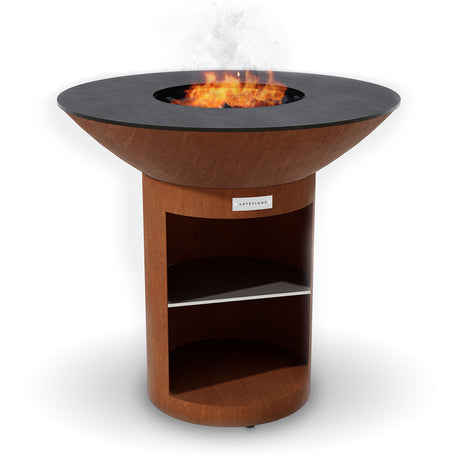
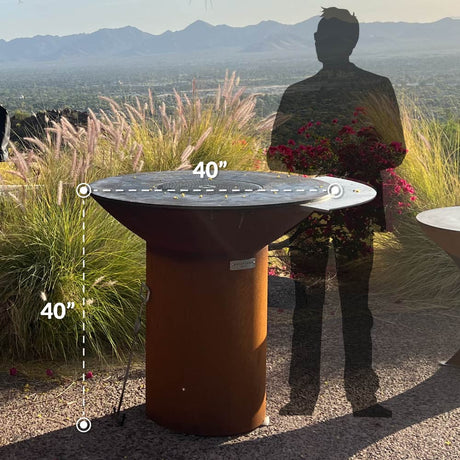
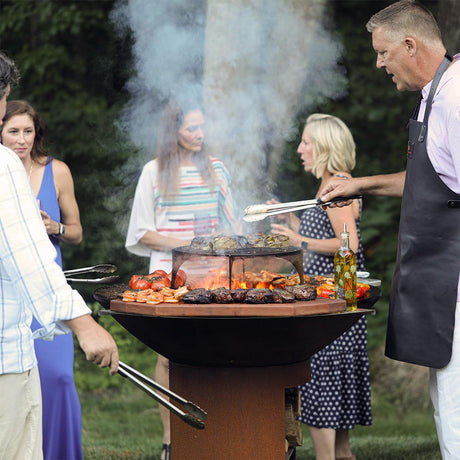
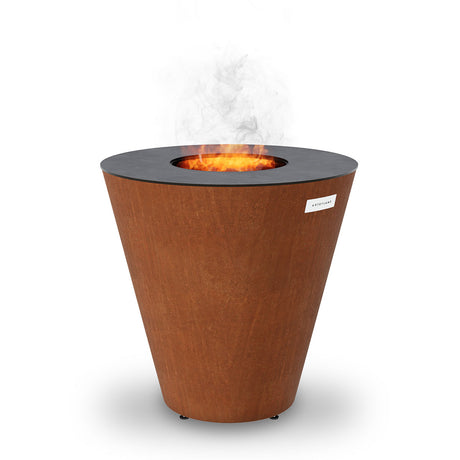
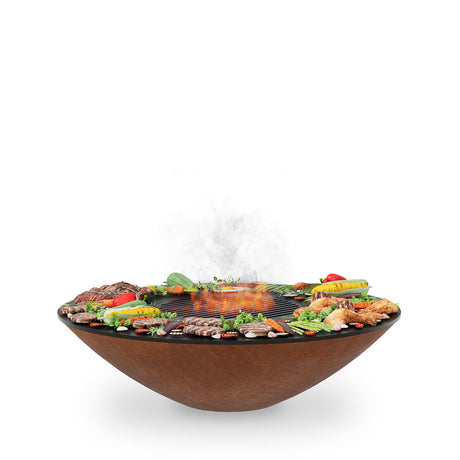
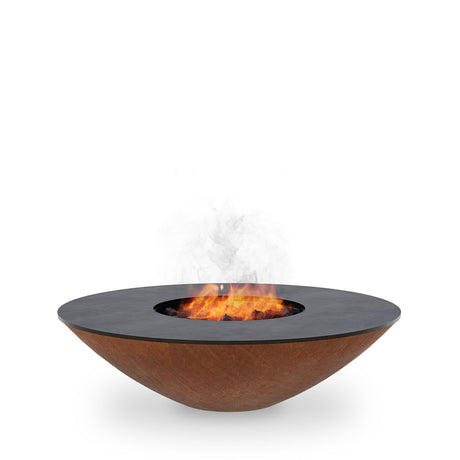
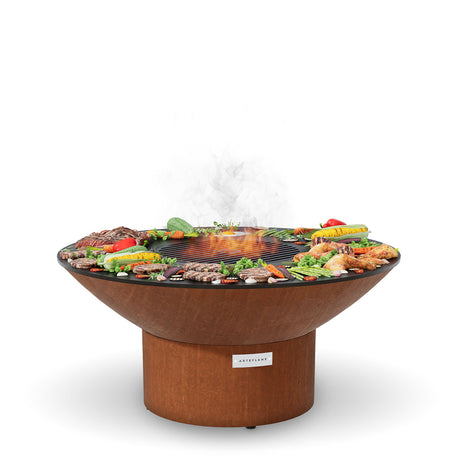
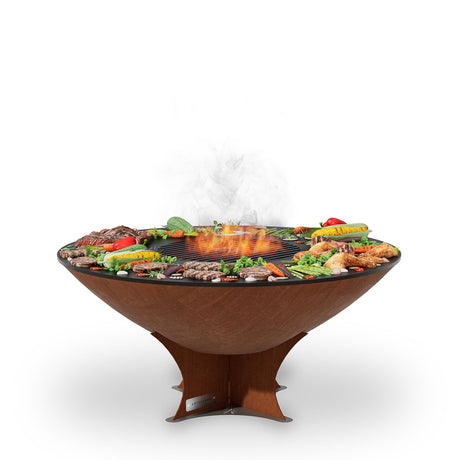
While gas grills offer push-button convenience, they fundamentally lack the high-heat searing capability and distinct smoky flavor of wood-fired cooking. Wood-fired grills, particularly carbon steel plancha styles like Arteflame, provide superior heat retention, restaurant-quality searing without flare-ups, and a social cooking experience that standard gas appliances simply cannot replicate.
When deciding between a traditional gas grill and a wood-fired solution, the choice usually comes down to a trade-off between convenience and flavor. However, modern wood-fired designs have narrowed the convenience gap while widening the performance gap.
| Feature | Wood-Fired (Arteflame) | Standard Gas Grill |
|---|---|---|
| Flavor Profile | Rich, smoky, steakhouse quality | Neutral, often tastes like fuel |
| Searing Heat | Extreme (1,000°F+ center) | Moderate (500°F - 700°F) |
| Moisture Retention | High (Solid cooktop) | Low (Open grates dry out food) |
| Ambiance | Visual fire, social centerpiece | Utilitarian appliance |
| Maintenance | Scrape and season (Cast iron style) | Grease traps, burner replacement |
Gas grills are engineered for speed, but they often sacrifice the culinary quality of the food. Wood-fired grills utilize natural fuel to create intense, radiant heat that locks in juices rather than drying them out.
The primary advantage of wood-fired grilling is the flavor profile. Gas is odorless and tasteless, meaning your food only tastes like the seasoning you put on it—or worse, it acquires a slight chemical aftertaste from incomplete combustion.
Wood, charcoal, and hardwood lumps release aromatic compounds (guaiacol and syringol) that penetrate the meat, creating that nostalgic, savory BBQ taste. Furthermore, the heat source matters for the texture.
Pro Tip: For the best flavor infusion without overpowering the meat, use kiln-dried hardwoods like Oak or Hickory. They burn hot and clean, providing a perfect bed of coals for long cooks.
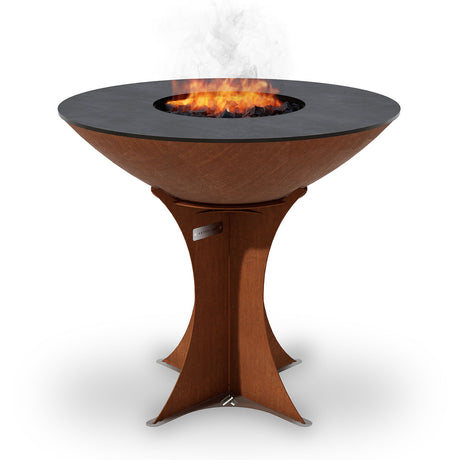
Gas grills generally cap out around 500°F to 700°F. While this cooks meat, it struggles to produce a true Maillard reaction—the chemical browning process that creates the crust on a premium steak. An Arteflame center fire reaches temperatures exceeding 1,000°F, allowing you to sear a steak instantly, locking in internal moisture before moving it to the outer ring to finish cooking.
A common misconception is that wood grilling is difficult or messy. While it requires building a fire, the maintenance is arguably easier than a gas grill in the long run. There are no burners to clog, no igniters to fail, and no grease trays to empty.
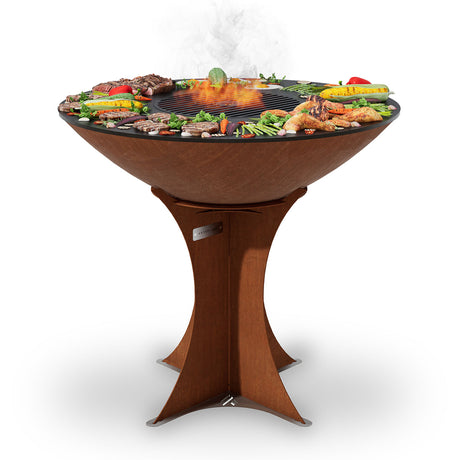
On a gas grill, fat drips directly onto the burners, causing flare-ups that char the meat with acrid soot. The Arteflame uses a solid carbon steel cooktop (plancha). Fat creates a seasoned, non-stick surface rather than causing a grease fire.
Pro Tip: Don't scrub your wood-fired cooktop with soap. Treat it like a cast-iron skillet. After cooking, simply scrape the residue into the fire and wipe it down with a light coat of oil while it's still warm.
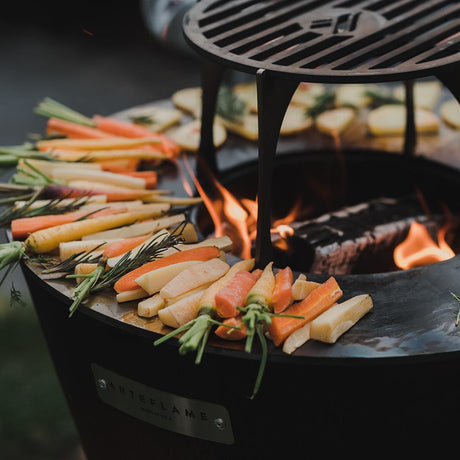
This design also allows you to cook foods impossible to grill on gas grates, such as eggs, bacon, pancakes, and chopped vegetables, turning your grill into a complete outdoor kitchen.
Typically, an Arteflame grill is ready to cook in about 15 to 20 minutes after lighting. This allows the steel cooktop to absorb heat and the wood to burn down to a bed of hot coals perfect for grilling.
Yes, you can use charcoal or a mixture of wood and charcoal. Charcoal provides a consistent heat source and is excellent for stabilizing temperatures, while wood adds the distinct visual ambiance and aromatic smoke flavor.
Generally, yes. Because the solid cooktop prevents fat from dripping onto an open flame, it prevents the formation of Polycyclic Aromatic Hydrocarbons (PAHs) and Heterocyclic Amines (HCAs), which are harmful compounds often generated by flare-ups on open-grate gas grills.






Turn yesterday's leftover macaroni into today's crispy, golden side dish with this easy wood-fired recipe.

Master this Texas-style open-fire brisket cooked entirely on the Arteflame grill. By searing on the center grate and wrapping to render on the flat top, you get perfectly tender, juicy...

Transform standard thick-cut bacon into a sweet, savory appetizer with a dark stout and brown sugar glaze, perfectly caramelized on a flat-top grill.

Render the perfect crispy skin with these Sichuan Peppercorn Duck Breasts, paired with a smoky, sweet, and spicy charred plum-poblano sauce.

Tender artichoke halves charred over high heat and smothered in rich garlic butter and Parmesan cheese.

Achieve the ultimate crust with this low-and-slow beef brisket recipe, utilizing natural heat zones for a perfect sear and incredibly tender finish.

Transform the trending crispy rice paper dumplings into a wood-fired masterpiece. Cooked on the Arteflame flat steel griddle for a shatteringly crisp crust and savory, high-protein filling.

Elevate albacore tuna with a steakhouse-style bacon wrap and a decadent green peppercorn cream sauce, grilled flawlessly on a flat-top.