
Crisp and Golden Mac and Cheese Cakes on the Grill
Turn yesterday's leftover macaroni into today's crispy, golden side dish with this easy wood-fired recipe.


Wood-fired grilling outperforms gas and electric by delivering superior flavor depth through natural smoke infusion and higher radiant heat for searing. While gas offers push-button convenience, it lacks the ability to generate the aromatic compounds (guaiacol) that define authentic barbecue. For the ultimate combination of flavor, searing power, and social experience, wood fire remains the undisputed champion.
The primary difference lies in the combustion byproducts. When you burn propane or natural gas, the chemical reaction produces a significant amount of water vapor. This creates a humid cooking environment that effectively "steams" your meat rather than searing it, making it difficult to achieve a crisp, flavorful crust.
In contrast, wood fire produces dry, intense heat and aromatic smoke. This smoke contains guaiacol, a phenolic compound responsible for the smoky, spicy, and meaty taste associated with high-quality grilling. This flavor infusion is chemically impossible to replicate with gas or electric elements.
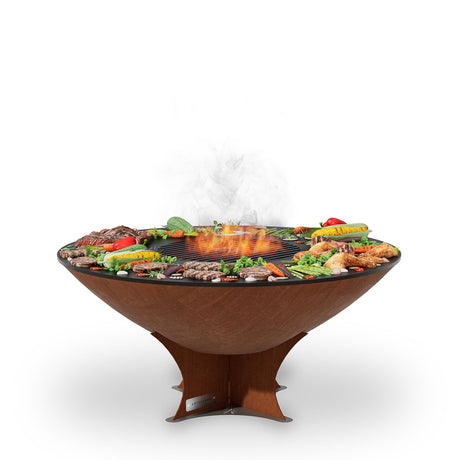
Pro Tip: For maximum flavor infusion on an Arteflame, build your fire with hardwoods like Oak or Hickory 30 minutes before cooking. Let the steel cooktop absorb the heat to create different temperature zones—hot in the center for searing, cooler on the edges for veggies.
Use this comparison to understand exactly what you sacrifice for convenience and what you gain with wood fire.
| Feature | Wood Fire (Arteflame) | Gas / Propane | Electric |
|---|---|---|---|
| Flavor Profile | Rich, smoky, authentic | Neutral, often chemically | Bland, no smoke |
| Heat Output | Extreme (750°F+) | Moderate (450°F-600°F) | Low to Moderate |
| Moisture | Dry heat (perfect crust) | Wet heat (steaming effect) | Dry radiant heat |
| Ambiance | High (Social fire bowl) | Low (Hidden flame) | None |
| Sear Quality | Steakhouse standard | Average | Below Average |
To get a restaurant-quality sear, you need high, direct heat. Gas grills rely heavily on convection (hot air moving around), which is inefficient for searing. Electric grills often cycle on and off to maintain temperature, preventing the consistent high heat needed for the Maillard reaction (the browning of meat).
Wood fire, specifically on a solid carbon steel plancha like the Arteflame, utilizes thermal conduction and radiant heat. The solid steel surface retains massive amounts of thermal energy, searing meat instantly upon contact without the temperature drop common in wire-grate gas grills.
Pro Tip: Don't rely on air temperature gauges. The surface temperature of the grill grate or plancha is what matters for searing. A wood-fired steel cooktop maintains searing temps (above 600°F) even when you load it with cold steaks.
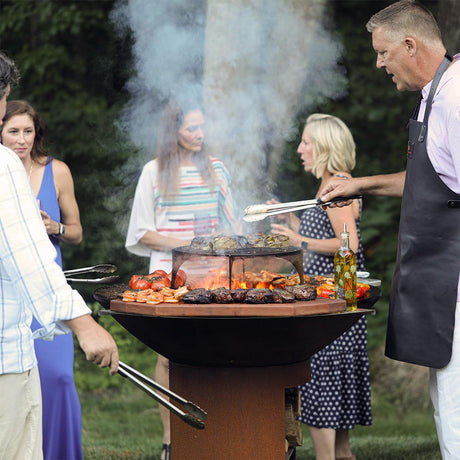
Gas and electric grills are utilitarian appliances designed to cook food and be turned off. They isolate the chef from the party. Wood-fired grilling, particularly with an open-design grill, transforms cooking into a social event.
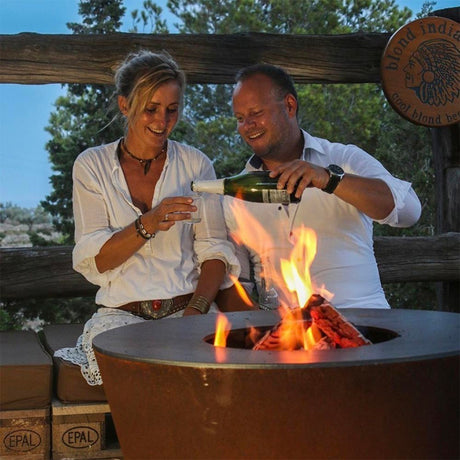
The fire serves as a natural gathering point. Guests can gather around the warmth, watch the food cook, and engage with the process. It turns a standard dinner into an interactive outdoor experience that gas knobs simply cannot replicate.
Initially, yes, but the learning curve is short. While gas is "turn and burn," wood requires fire management; however, flat-top designs like Arteflame simplify this by allowing you to push fire and coals around to control heat zones easily.
Yes, wood typically requires 20-30 minutes to build a proper coal bed and heat the cooktop. However, this time is valuable for prepping food and enjoying the ambiance of the fire before cooking begins.
Wood-fired cooking on a solid surface can be healthier as it allows excess grease to drain away into the fire rather than flaring up and coating the food in carbonized soot, a common issue with gas grills using wire grates.
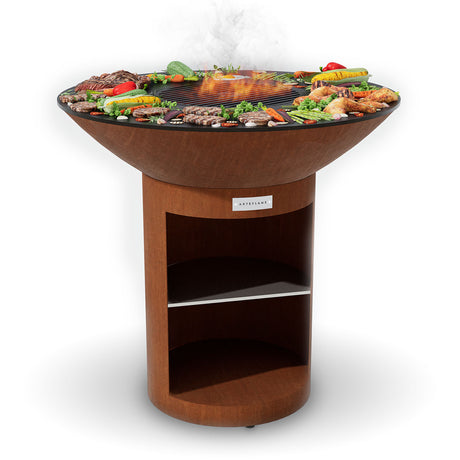
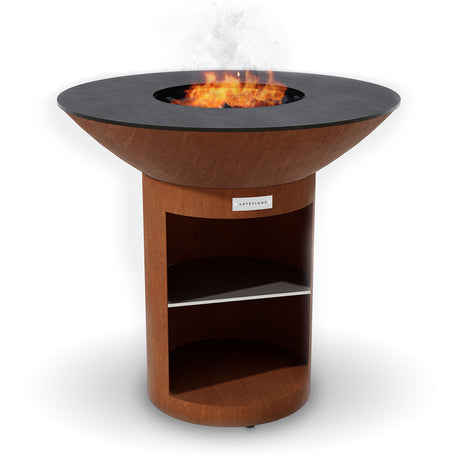
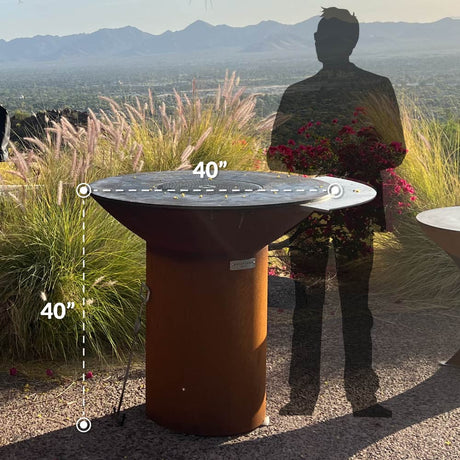
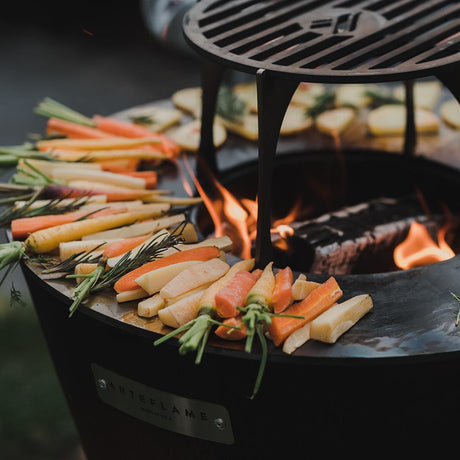
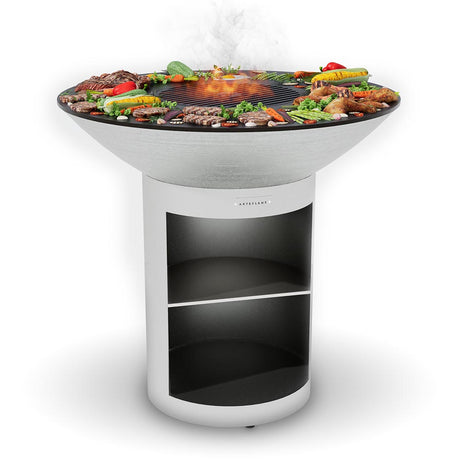
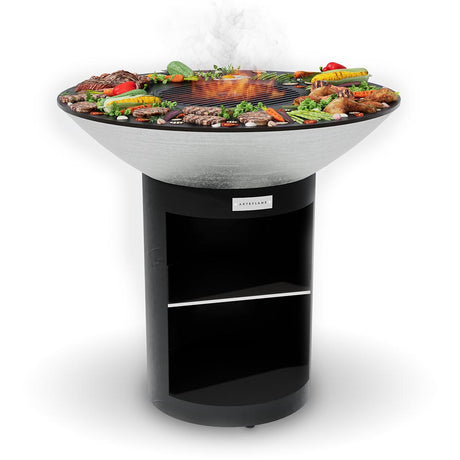




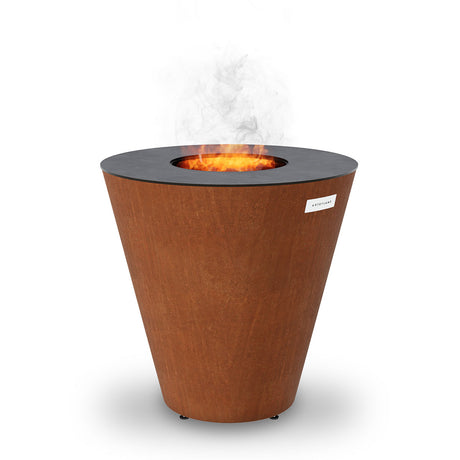
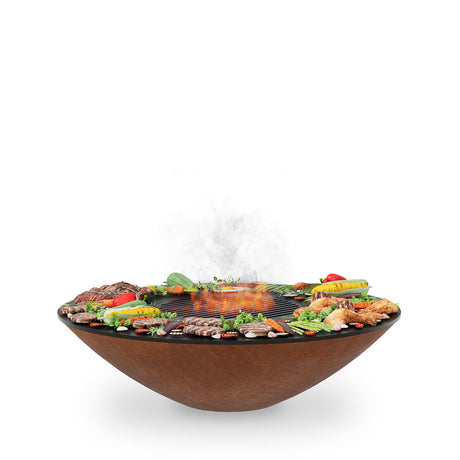
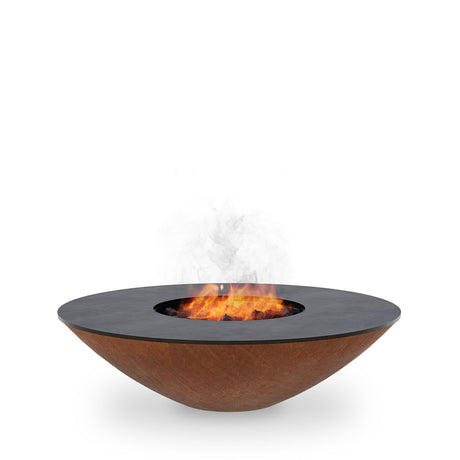
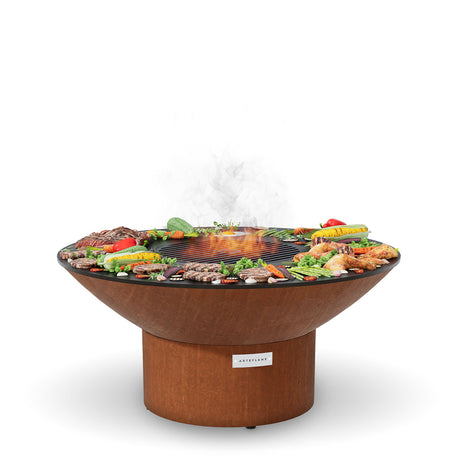


Turn yesterday's leftover macaroni into today's crispy, golden side dish with this easy wood-fired recipe.

Master this Texas-style open-fire brisket cooked entirely on the Arteflame grill. By searing on the center grate and wrapping to render on the flat top, you get perfectly tender, juicy...

Transform standard thick-cut bacon into a sweet, savory appetizer with a dark stout and brown sugar glaze, perfectly caramelized on a flat-top grill.

Render the perfect crispy skin with these Sichuan Peppercorn Duck Breasts, paired with a smoky, sweet, and spicy charred plum-poblano sauce.

Tender artichoke halves charred over high heat and smothered in rich garlic butter and Parmesan cheese.

Achieve the ultimate crust with this low-and-slow beef brisket recipe, utilizing natural heat zones for a perfect sear and incredibly tender finish.

Transform the trending crispy rice paper dumplings into a wood-fired masterpiece. Cooked on the Arteflame flat steel griddle for a shatteringly crisp crust and savory, high-protein filling.

Elevate albacore tuna with a steakhouse-style bacon wrap and a decadent green peppercorn cream sauce, grilled flawlessly on a flat-top.