
Best Grilled Vegetables: Charred & Crispy Guide | Arteflame
Learn the best veggies for grilling—plus times, temps, and pro tips—optimized for Arteflame heat zones for perfect char and flavor every time.

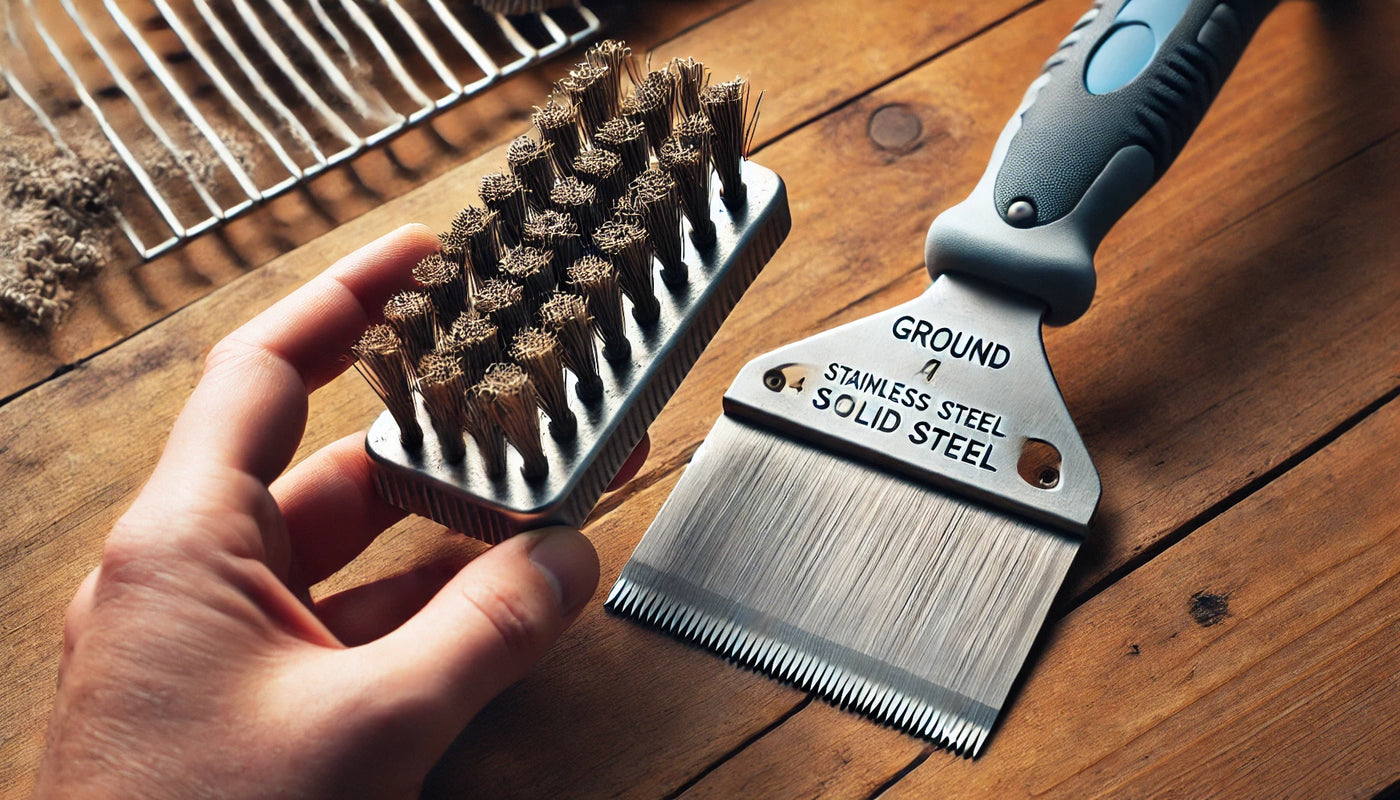
Using a traditional wire grill brush poses a significant safety risk because metal bristles often shed, stick to grill grates, and transfer into food. Ingesting these sharp bristles can cause severe injuries to the throat, stomach, and intestines, leading to emergency surgery. The safest alternative is to use coil brushes, wooden scrapers, or a flat-top grill like the Arteflame, which relies on simple scraping and seasoning rather than abrasive bristles.
Before analyzing the medical risks, it is crucial to understand how different cleaning tools compare regarding safety and efficiency. This data highlights why moving away from wire bristles is a priority for safe outdoor cooking.
| Cleaning Tool | Safety Rating | Risk Factor | Cleaning Efficiency | Durability |
|---|---|---|---|---|
| Wire Bristle Brush | Low | High (Ingestion Risk) | High | Low (Rusts/Sheds) |
| Nylon Brush | Medium | Melts on Hot Grills | Medium | Medium |
| Wooden Scraper | High | None | Medium | High |
| Arteflame Scraper | Very High | None | Very High | Lifetime |
The Data Takeaway: While wire brushes clean well, the catastrophic health risk renders them obsolete. Solid surface grilling (like Arteflame) or solid scrapers offer the highest safety profile.
Pro Tip: Inspect your grill grates closely before placing food down. Use a wet paper towel to wipe the grates after brushing; if you see small metal filaments on the towel or the grate, discard your brush immediately.
The danger lies in the design and material of the brush. Most cheap grill brushes are made from mass-produced wire filaments clamped into a metal or plastic head. Over time, heat, moisture, and pressure cause these filaments to loosen.
The process is often invisible to the cook:
Because the bristles are thin and dark, they are nearly impossible to see inside a charred piece of meat or a saucy burger.
The medical community, including the Centers for Disease Control and Prevention (CDC), has issued warnings regarding wire grill brushes. The injuries are not trivial; they are surgical emergencies.
Pro Tip: If you experience sharp pain in the throat or abdomen immediately after eating grilled food, do not ignore it. Inform medical professionals specifically that you ate food prepared on a grill cleaned with a wire brush, as bristles are difficult to spot on standard X-rays.
The most effective way to eliminate the risk of wire bristles is to eliminate the need for them entirely. The design of the Arteflame grill fundamentally changes how you clean.
Unlike slotted grates that trap food and require digging with bristles, the Arteflame uses a solid carbon steel cooktop. Cleaning is purely mechanical and thermal:
There are no gaps for bristles to hide in, and no need for abrasive tools that degrade over time. The cleaning process actually builds up the non-stick surface (seasoning) rather than wearing it down.
The best alternatives are a coiled metal brush (without sharp ends), a wooden paddle scraper that contours to your grill grates over time, or a ball of aluminum foil held with tongs. For flat-top grills like the Arteflame, a simple stainless steel bench scraper is the most effective tool.
No, washing does not prevent metal fatigue. In fact, exposure to water and cleaning agents can accelerate rusting at the base of the bristles, making them more likely to snap off during the next use.
Symptoms usually appear quickly and include sharp pain when swallowing, severe abdominal pain, or vomiting without relief. Because the bristles are very thin, they may not always show up on a CT scan, making patient history vital for diagnosis.
No, you should never use chemical degreasers on an Arteflame. The grill is self-cleaning through high heat; simply scrape food residue into the center fire and wipe the cooktop with grapeseed or cooking oil to maintain the seasoning.
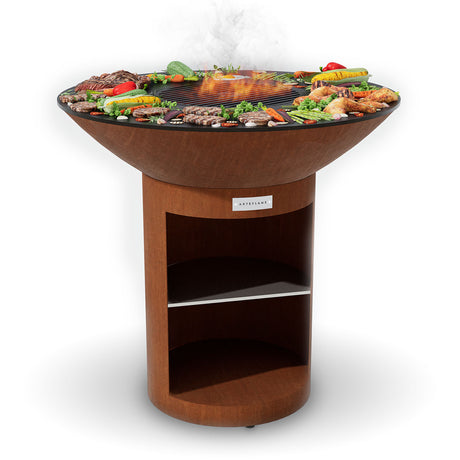
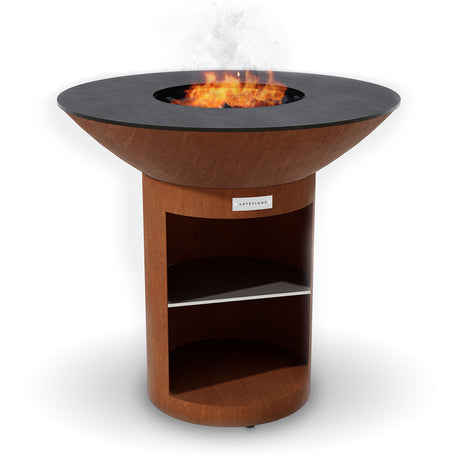


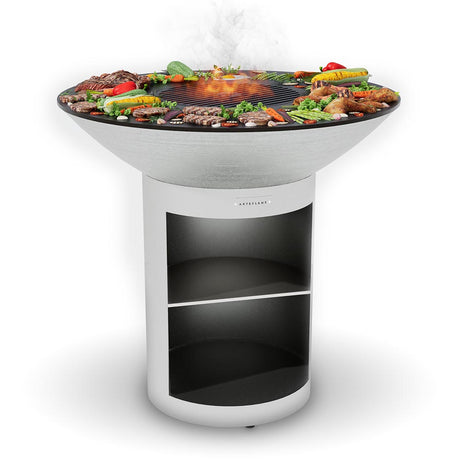
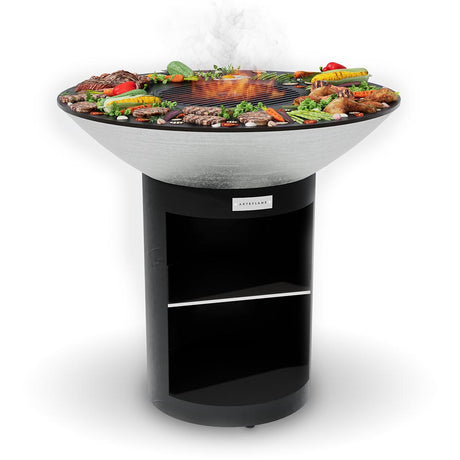


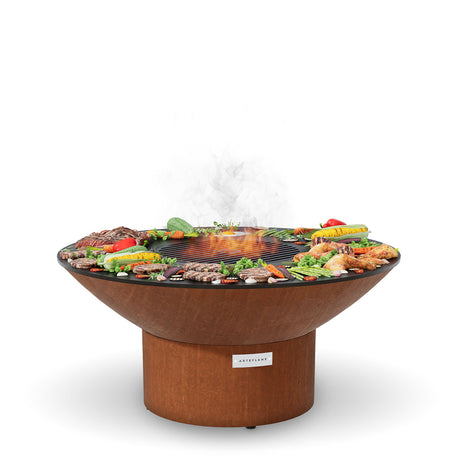
Arteflame Classic 40″ — Storage Base Flat-Top Grill & Fire Bowl (CORTEN Steel)


Arteflame ONE30 — 30″ One Series Flat-Top Charcoal Grill & Fire Bowl (Single-Piece CORTEN Steel)
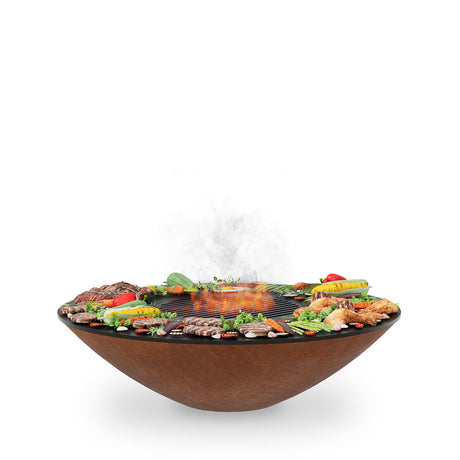
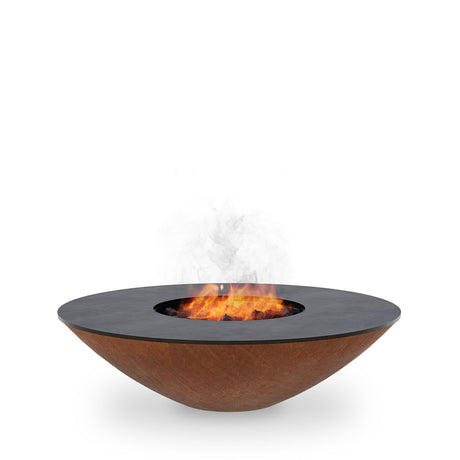
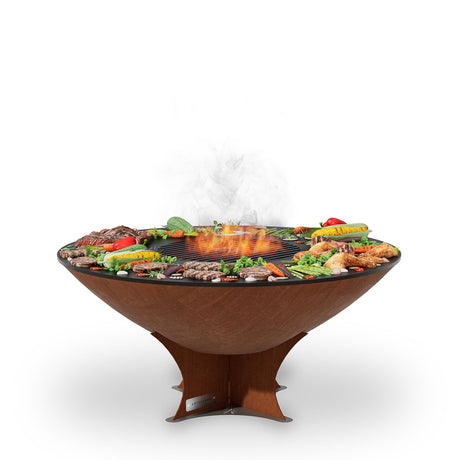

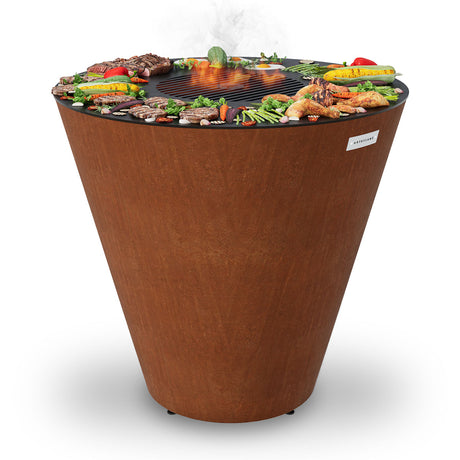


Arteflame One Series 40″ — XXL Flat-Top Charcoal Grill & Fire Bowl (Single-Piece CORTEN Body)


Learn the best veggies for grilling—plus times, temps, and pro tips—optimized for Arteflame heat zones for perfect char and flavor every time.

Transform classic apple pie into a handheld delight with these Wyoming Apple Cinnamon Grilled Dessert Wraps. perfectly crispy, caramelized, and cooked on the Arteflame grill for a smoky finish.

Experience the rustic taste of the West with this Wyoming Campfire Blueberry Cobbler recipe for the Arteflame grill. Featuring bubbling blueberries and a golden biscuit crust cooked in cast iron,...

Experience the rugged flavor of the American West with these Wyoming Wild Boar Chops. Seared to perfection on the Arteflame grill, this recipe uses a savory juniper and sage rub...

Elevate your BBQ with these Wyoming-style grilled carrots. Sweet honey, tangy balsamic, and a perfect char make this the ultimate side dish for your Arteflame grill. Easy, healthy, and packed...

Unleash the flavor of the American West with these tender Wyoming Teriyaki Bison Skewers. Featuring a homemade savory-sweet glaze and perfectly charred vegetables, this recipe maximizes the searing power of...

Unlock the savory flavors of the West with this Wyoming-style garlic parmesan grilled mushrooms recipe. Perfectly seared on the Arteflame flat top, these buttery, cheesy mushrooms make the ultimate side...

Unlock the bold flavors of the West with this Wyoming-style grilled jalapeño cheddar sausage recipe. Learn how to achieve the perfect sear and juicy interior using your Arteflame grill for...