
Crisp and Golden Mac and Cheese Cakes on the Grill
Turn yesterday's leftover macaroni into today's crispy, golden side dish with this easy wood-fired recipe.


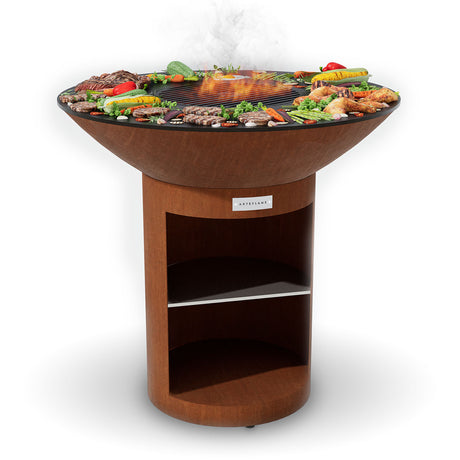
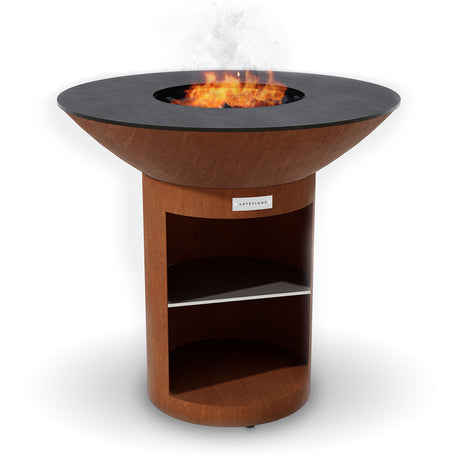
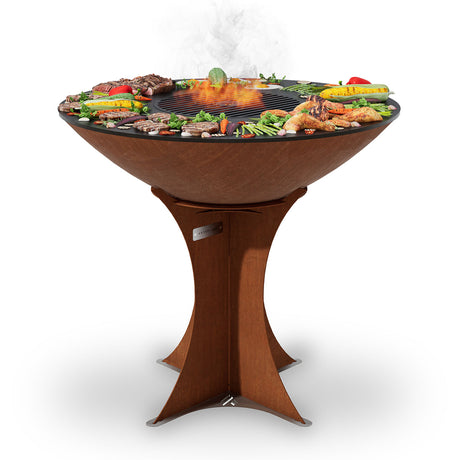
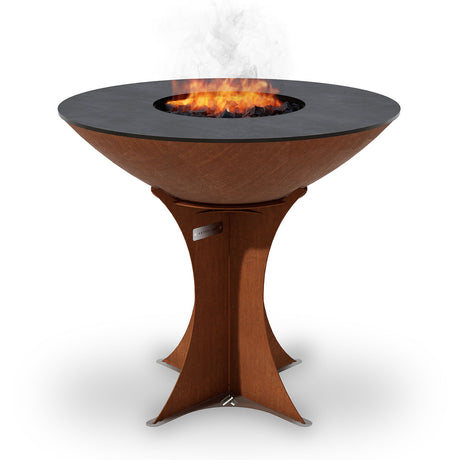
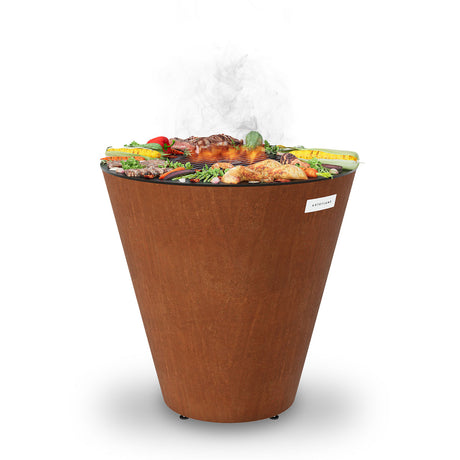
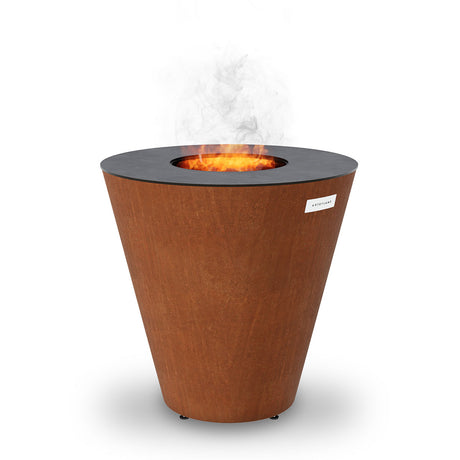
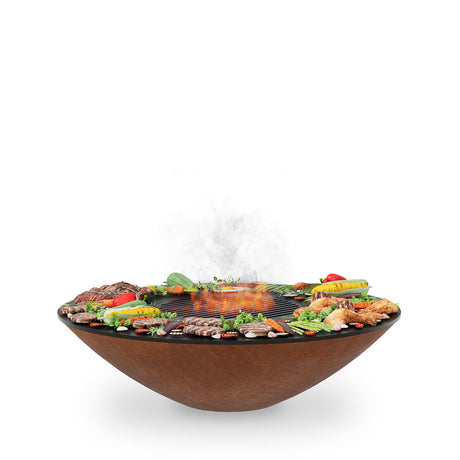
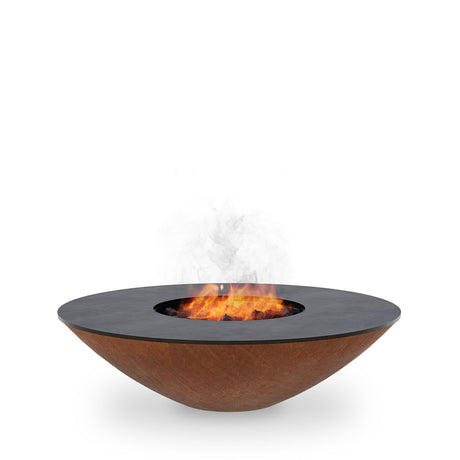
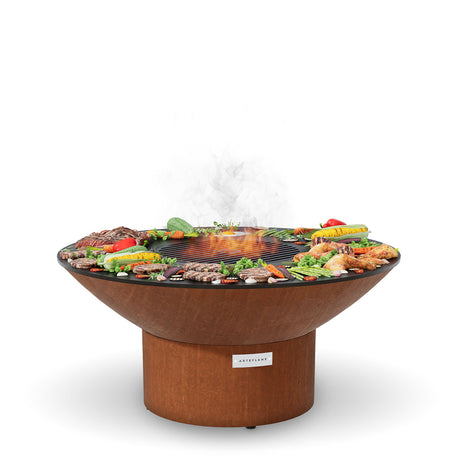
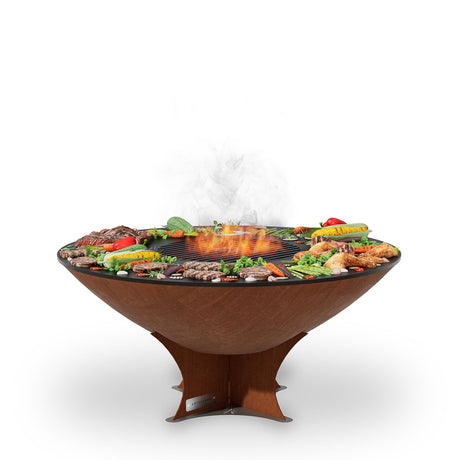
Traditional open grill grates reduce flavor potential by allowing juices to drip away, causing flare-ups and dry meat. An elevated solid carbon steel cooktop (plancha) solves this by providing 100% surface contact for a superior Maillard reaction, preventing food loss, and allowing you to cook diverse menus—from steaks to eggs—simultaneously. Upgrading to a grill and griddle combo is the most effective way to unlock professional-level searing and outdoor cooking versatility.
The primary difference between a standard grate and an Arteflame-style cooktop is surface area contact. Grates often touch only 50% of the food, leaving the rest exposed to open air and flames. A solid cooktop provides complete contact, which is critical for flavor development.
See the comparison below to understand why upgrading changes your grilling results:
| Feature | Standard Grill Grates | Carbon Steel Cooktop (Arteflame) |
|---|---|---|
| Surface Contact | ~50% (Grill marks only) | 100% (Full sear) |
| Juice Retention | Juices drip onto coals (Flare-ups) | Juices sear into the meat (Flavor) |
| Versatility | Limited (Meats & large veggies) | Unlimited (Eggs, pancakes, veggies, steaks) |
| Cleaning | Difficult scrubbing required | Scrape clean in seconds |
| Food Safety | High risk of flare-ups/burning | Controlled heat zones, no flare-ups |
The Maillard Reaction is the chemical reaction between amino acids and reducing sugars that gives browned food its distinctive flavor. It requires direct heat contact.
On a traditional grate, the meat between the bars is baked by hot air rather than seared. This dries out the meat. On a solid carbon steel surface, the meat cooks in its own juices. This amplifies the steakhouse-quality flavor that grates simply cannot replicate.
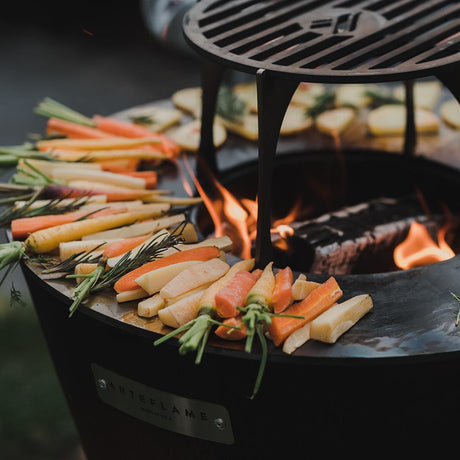
Pro Tip: When using a carbon steel flat top, utilize the heat zones. The center is hottest (over 1,000°F) for searing steaks, while the outer edges are cooler (400°F) for vegetables or toasting buns. This allows you to cook an entire meal at once without burning delicate items.
Every griller has lost a spear of asparagus, a shrimp, or a burger patty through the gaps in the grates. This wastes money and food. A solid surface eliminates this completely—you can cook rice, chopped onions, and eggs without losing a single bite.
When fat drips onto coals or burners, it creates smoke containing Polycyclic Aromatic Hydrocarbons (PAHs) and Heterocyclic Amines (HCAs), which are linked to health risks. Because a griddle surface prevents fat from hitting the direct flame, it significantly reduces the formation of these harmful compounds.
Pro Tip: For the ultimate crust on a steak, use the "sear and slide" technique. Sear the meat near the center opening for 2 minutes per side, then slide it to the outer ring to finish cooking internally to your desired doneness.
Yes, carbon steel is generally lighter, smoother, and heats up faster than cast iron. It is less brittle and develops a natural non-stick patina more quickly, making it easier to maintain for outdoor cooking.
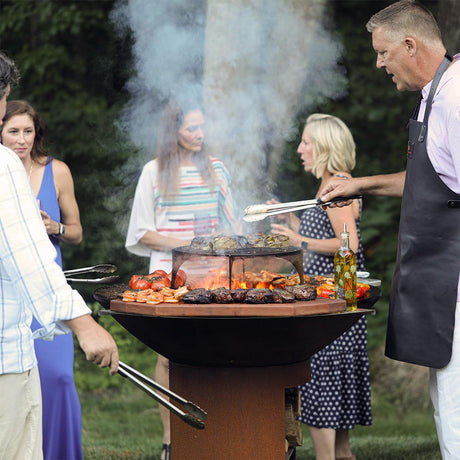
Absolutely. While you avoid the bitter taste of flare-ups, the fire underneath heats the steel and circulates wood smoke around the food. The result is a clean, wood-fired flavor combined with a perfect sear.
Cleaning is effortless compared to grates. Simply scrape food residue into the fire while the grill is hot, wipe it down with a cloth and a little oil, and it is ready for the next use. No wire brushes are needed.







Turn yesterday's leftover macaroni into today's crispy, golden side dish with this easy wood-fired recipe.

Master this Texas-style open-fire brisket cooked entirely on the Arteflame grill. By searing on the center grate and wrapping to render on the flat top, you get perfectly tender, juicy...

Transform standard thick-cut bacon into a sweet, savory appetizer with a dark stout and brown sugar glaze, perfectly caramelized on a flat-top grill.

Render the perfect crispy skin with these Sichuan Peppercorn Duck Breasts, paired with a smoky, sweet, and spicy charred plum-poblano sauce.

Tender artichoke halves charred over high heat and smothered in rich garlic butter and Parmesan cheese.

Achieve the ultimate crust with this low-and-slow beef brisket recipe, utilizing natural heat zones for a perfect sear and incredibly tender finish.

Transform the trending crispy rice paper dumplings into a wood-fired masterpiece. Cooked on the Arteflame flat steel griddle for a shatteringly crisp crust and savory, high-protein filling.

Elevate albacore tuna with a steakhouse-style bacon wrap and a decadent green peppercorn cream sauce, grilled flawlessly on a flat-top.