
Crisp and Golden Mac and Cheese Cakes on the Grill
Turn yesterday's leftover macaroni into today's crispy, golden side dish with this easy wood-fired recipe.


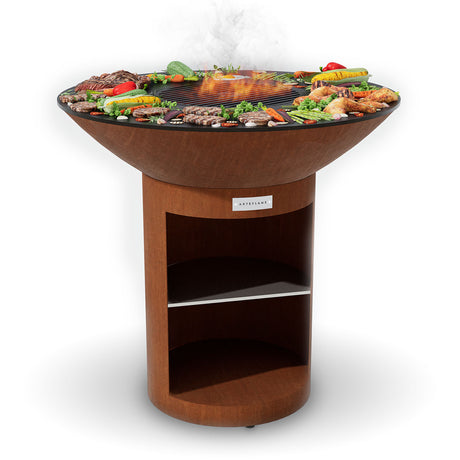
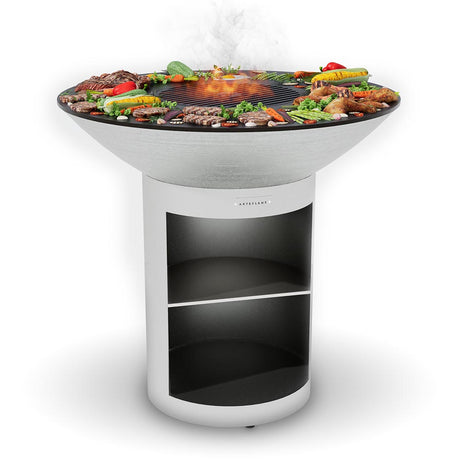
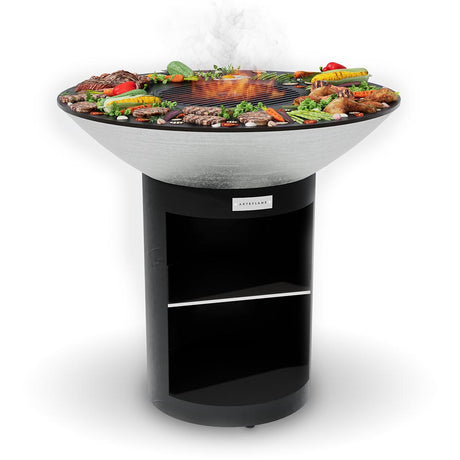
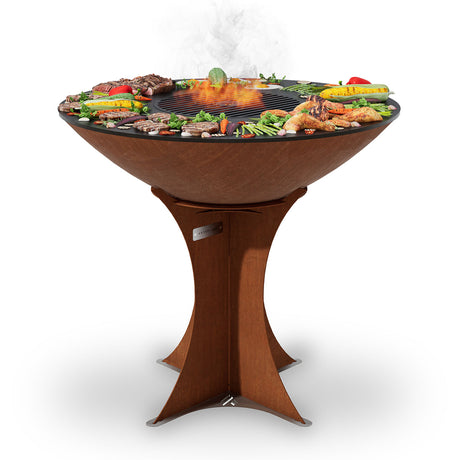
Traditional grill grates may be preventing you from achieving restaurant-quality results. Because grates consist mostly of empty space, they only sear about 30-50% of your food's surface, leading to moisture loss and uneven cooking. For maximum flavor retention and the perfect Maillard reaction, a solid carbon steel cooktop provides 100% surface contact, searing meat in its own juices without dangerous flare-ups.
Before diving into the science of the sear, use this comparison guide to understand why chefs are moving away from open grates toward solid surface grilling (plancha style).
| Feature | Traditional Grill Grates | Solid Carbon Steel (Arteflame) |
|---|---|---|
| Surface Contact | Low (~30-50%) | High (100%) |
| Juiciness | Juices drip away (Dry) | Cooks in own juices (Juicy) |
| Flavor Source | Smoke from burnt fat | Maillard Reaction (Deep Sear) |
| Flare-Ups | Frequent & Uncontrollable | None (Solid Barrier) |
| Versatility | Limited (Food falls through) | Unlimited (Eggs, Veggies, Steaks) |
The secret to savory meat is the Maillard reaction—the chemical browning of proteins and sugars. On a traditional grate, this reaction only occurs where the metal touches the meat. The rest of the meat is simply baking over hot air, often resulting in a grey, unappetizing exterior between the grill marks.
A solid surface grill, like the Arteflame, ensures 100% contact between the heat and the food. This creates a uniform, golden-brown crust across the entire steak, burger, or chop, exponentially increasing the savory flavor profile.
Pro Tip: When searing a steak on solid steel, avoid moving it constantly. Let it develop a deep crust for 2-3 minutes before flipping. This creates a "steakhouse sear" that grates simply cannot replicate.
Yes, traditional grates are a primary cause of dry meat. When fat renders and juices escape, they drip through the gaps in the grate and land on the coals or burners below. While this creates smoke, it creates a net loss of moisture within the protein itself.
Furthermore, when those juices hit the heat source, they cause flare-ups. These bursts of intense flame scorch the outside of the meat before the inside is cooked, forcing you to move the food around constantly. A solid cooktop eliminates this entirely, allowing meat to sizzle in its own rendered fat for a tastier, juicier result.
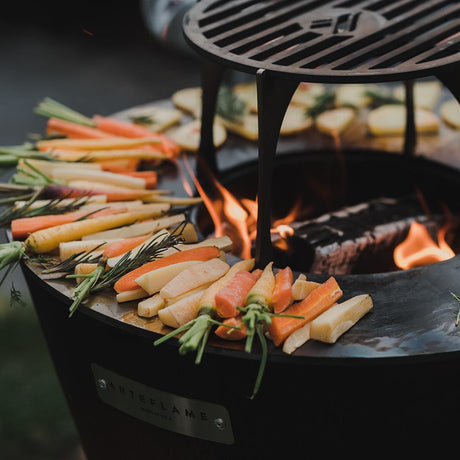
One of the biggest limitations of grill grates is the "fall-through" factor. Asparagus, sliced peppers, shrimp, and bacon are difficult to manage on standard grates.
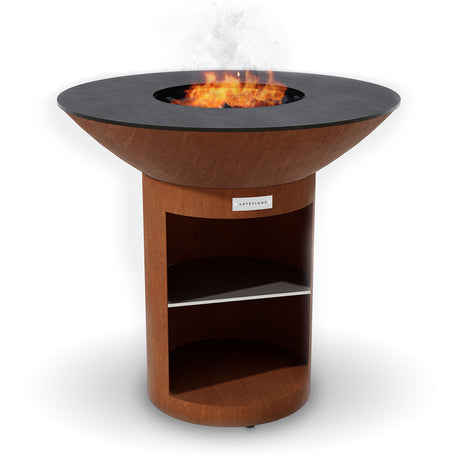
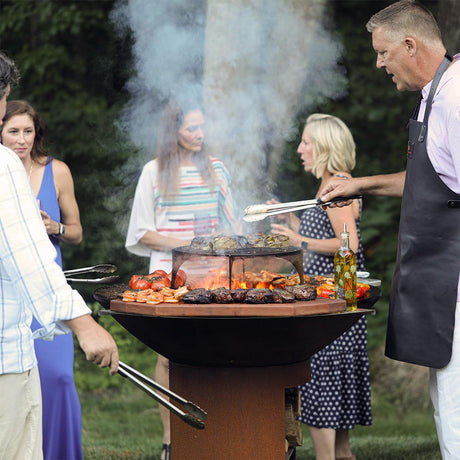
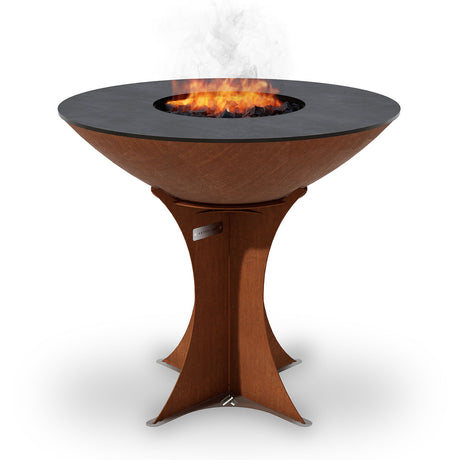
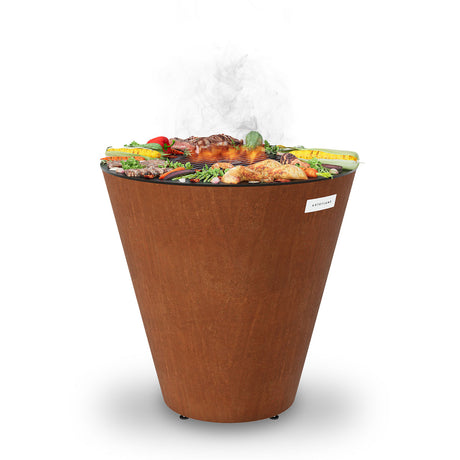
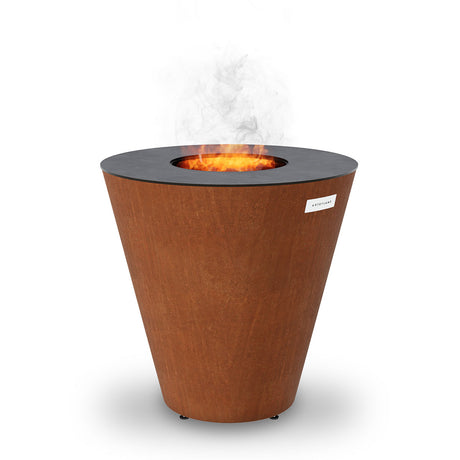
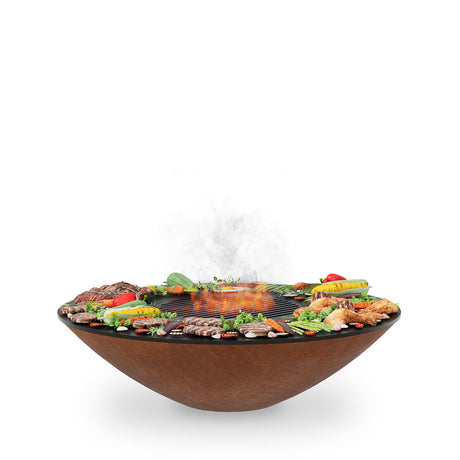
With a solid surface, your grill functions as an outdoor kitchen. You can simultaneously sear a ribeye at high heat (near the center) while slow-roasting delicate vegetables or frying eggs on the outer ring. Nothing falls into the fire.
Pro Tip: Use the different heat zones of a circular flat top to your advantage. Sear proteins in the center (high heat) and move them to the outer edge to rest and finish cooking without overcooking.
Yes. While you don't get bitter smoke from burning grease flare-ups, you still get the wood-fired aroma. The smoke from the wood fire in the center circulates around the food, imparting a clean, authentic smoky taste.
No, it is generally easier. Unlike grates that require wire brushes to clean individual bars, a solid cooktop can be scraped clean with a spatula while hot. Simply scrape residue into the fire, wipe with oil, and you are done.
You won't get the distinct lines of a grate, but you get something better: an all-over sear. This "mahogany crust" covers the entire surface of the meat, providing significantly more flavor than thin charred lines.






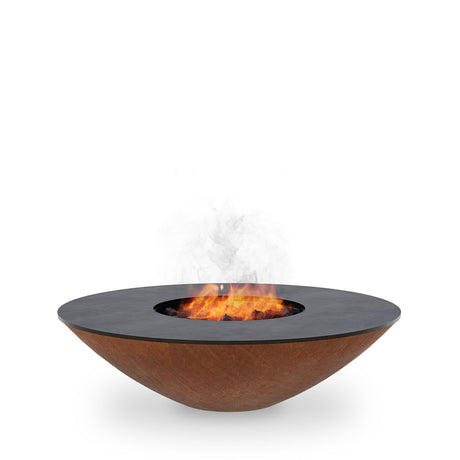
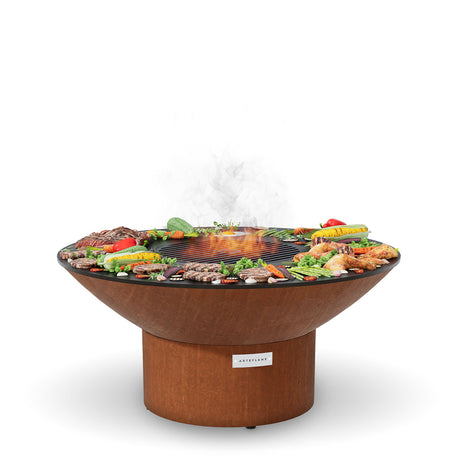
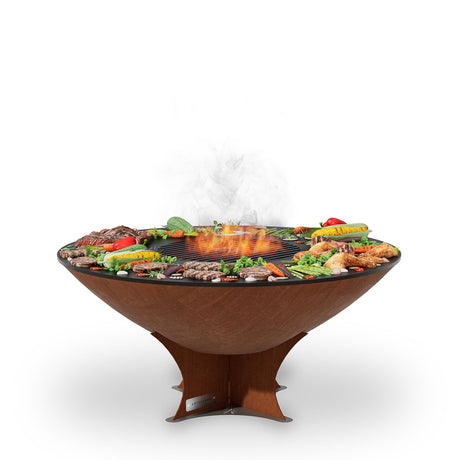


Turn yesterday's leftover macaroni into today's crispy, golden side dish with this easy wood-fired recipe.

Master this Texas-style open-fire brisket cooked entirely on the Arteflame grill. By searing on the center grate and wrapping to render on the flat top, you get perfectly tender, juicy...

Transform standard thick-cut bacon into a sweet, savory appetizer with a dark stout and brown sugar glaze, perfectly caramelized on a flat-top grill.

Render the perfect crispy skin with these Sichuan Peppercorn Duck Breasts, paired with a smoky, sweet, and spicy charred plum-poblano sauce.

Tender artichoke halves charred over high heat and smothered in rich garlic butter and Parmesan cheese.

Achieve the ultimate crust with this low-and-slow beef brisket recipe, utilizing natural heat zones for a perfect sear and incredibly tender finish.

Transform the trending crispy rice paper dumplings into a wood-fired masterpiece. Cooked on the Arteflame flat steel griddle for a shatteringly crisp crust and savory, high-protein filling.

Elevate albacore tuna with a steakhouse-style bacon wrap and a decadent green peppercorn cream sauce, grilled flawlessly on a flat-top.