
Crisp and Golden Mac and Cheese Cakes on the Grill
Turn yesterday's leftover macaroni into today's crispy, golden side dish with this easy wood-fired recipe.


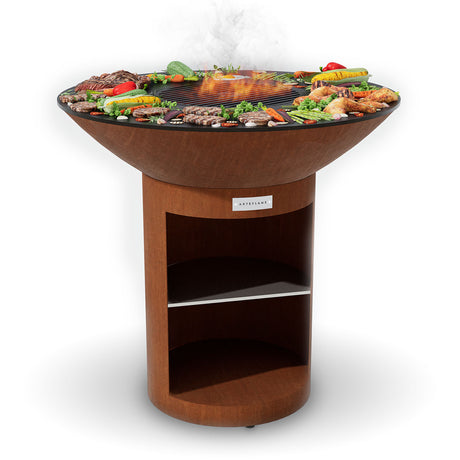
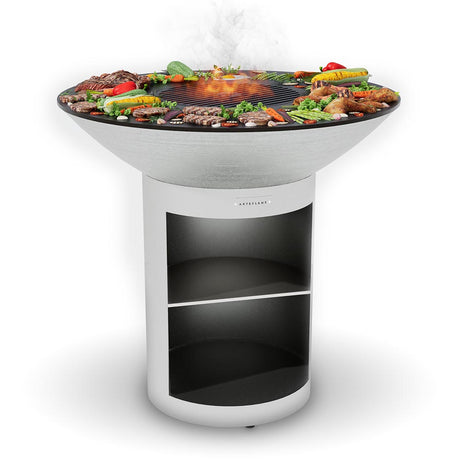
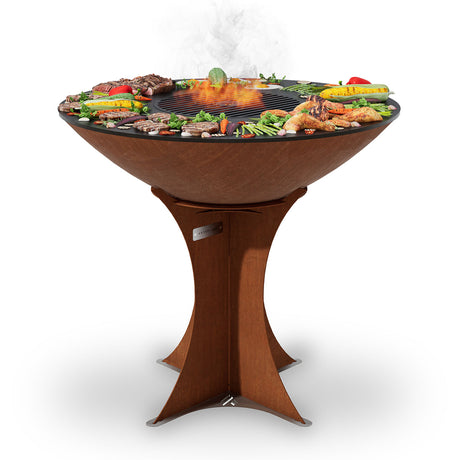
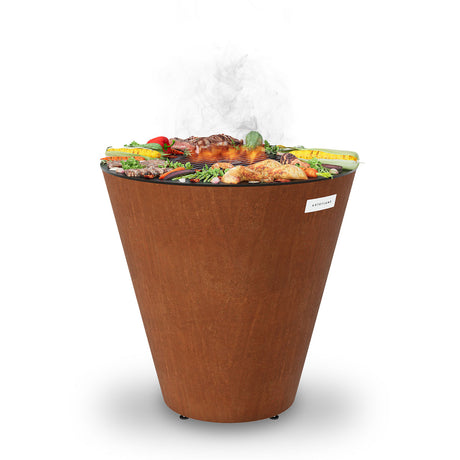
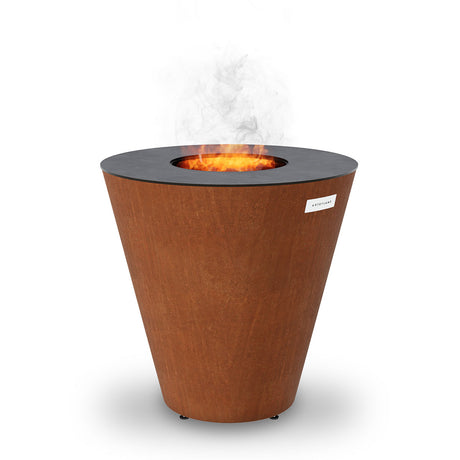
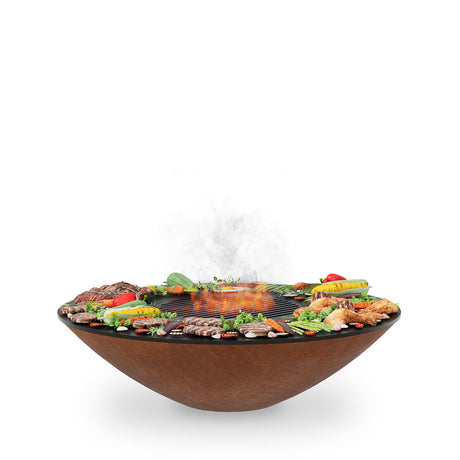
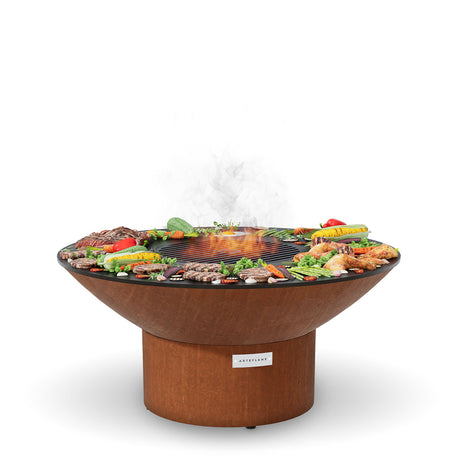
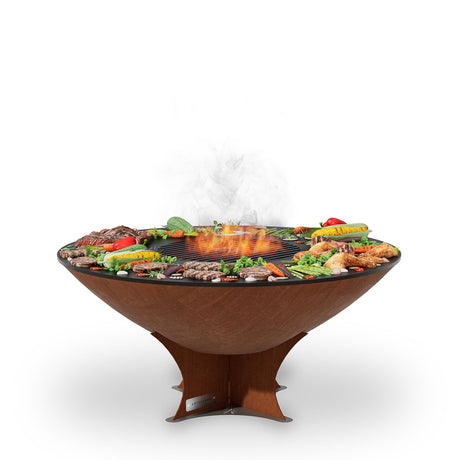
Wood-fired grills utilize natural fuel to reach searing temperatures exceeding 1,000°F, locking in juices while infusing deep, smoky flavors that gas cannot replicate. Unlike traditional grates, a flat-top wood grill (like the Arteflame) allows for multi-zone cooking, letting you prepare fragile vegetables and heavy steaks simultaneously. It transforms outdoor cooking from a solitary chore into a social, centerpiece event.
The primary reason top chefs and grill masters prefer wood is the flavor profile. Gas grills are convenient, but they lack the ability to impart distinct flavors. Charcoal adds some taste but often relies on chemical starters.
When you cook with hardwood (like oak, hickory, or mesquite), the moisture in the wood evaporates and bonds with the food, creating a unique, savory smokiness. Furthermore, the Maillard reaction—the browning of meat that creates a crust—occurs best at high, dry heat, which wood fires produce naturally.
Pro Tip: For the best flavor, avoid softwoods like pine, which burn too fast and produce acrid smoke. Stick to seasoned hardwoods like Oak for high heat or Cherry for a milder, sweeter smoke.

When choosing between gas, charcoal, and wood-fired plancha grills, the cooking surface dictates what you can make. Standard grills with open grates result in flare-ups and food falling through. A solid carbon steel cooktop eliminates these issues.
| Feature | Wood-Fired (Arteflame) | Gas Grill | Standard Charcoal |
|---|---|---|---|
| Max Temperature | 1,000°F+ (Steakhouse Sear) | ~500°F - 600°F | ~700°F |
| Flavor Profile | Rich, Smoky, Natural | Neutral / None | Mild to Chemical |
| Cooking Zones | Simultaneous High & Low Heat | Single Temp (Usually) | Single Temp |
| Food Versatility | Steaks, Eggs, Veggies, Pancakes | Meat & Large Veggies | Meat mainly |
| Ambiance | Fire Pit & Social Hub | Utility Appliance | Cooking Appliance |
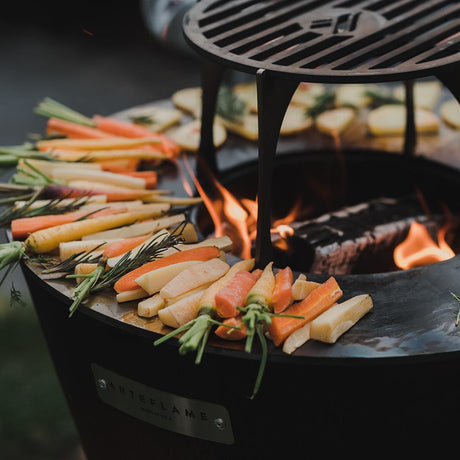
As the table illustrates, a wood-fired plancha offers superior heat and versatility. You can sear a ribeye at the center while slow-roasting asparagus on the outer ring.
A common misconception is that wood grills require hours of cleaning. While ash removal is necessary, the cooking surface on high-end plancha grills is surprisingly low maintenance.
Unlike grates that require wire brushes (which can shed dangerous bristles), a solid steel cooktop simply needs to be scraped clean while hot. Over time, the oil polymerizes to the steel, creating a natural non-stick seasoning similar to a cast-iron skillet.
Pro Tip: After cooking, scrape food residue into the fire immediately. Wipe the cooktop with a thin layer of grapeseed or avocado oil while it's still warm to protect the steel and maintain the non-stick surface.
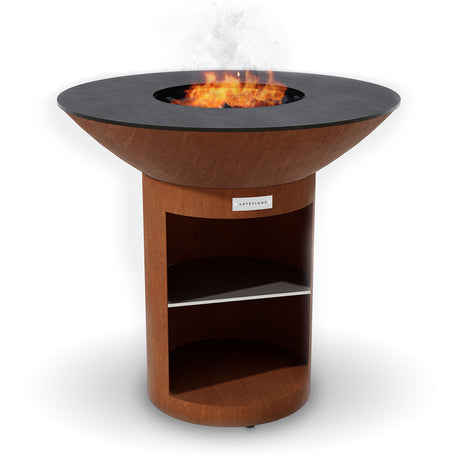
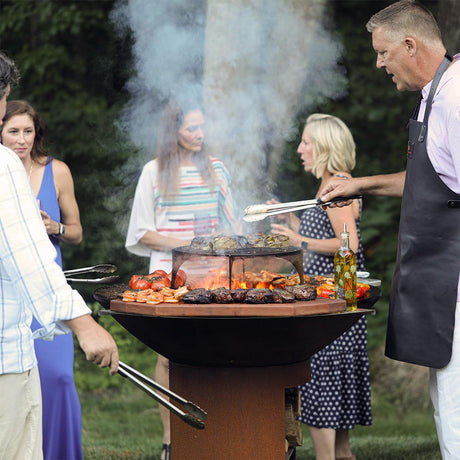
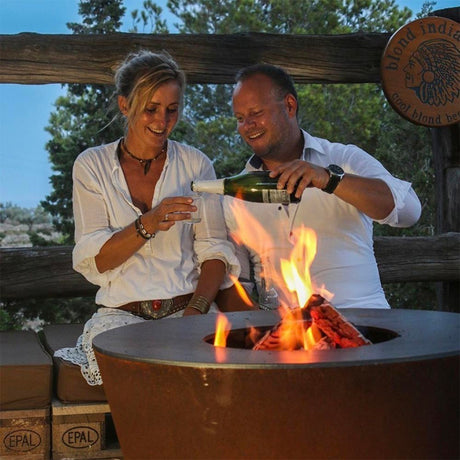
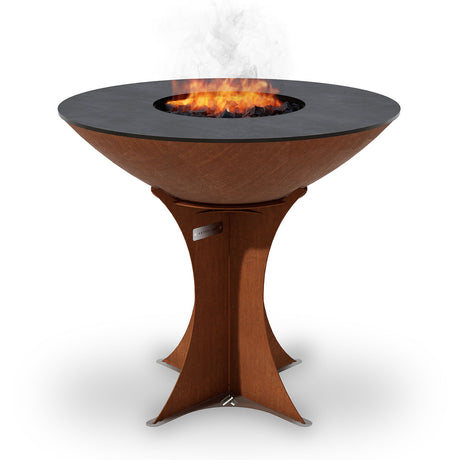
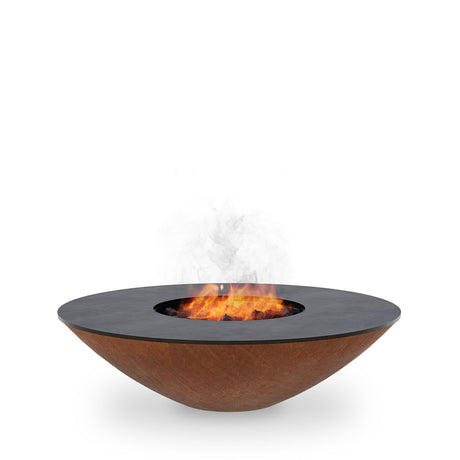
Traditional grilling usually involves the host standing alone against a wall or in a corner. A wood-fired grill, particularly bowl-shaped designs, acts as a social magnet. It functions as both a high-performance grill and a fire pit.
Guests can gather around the fire, turning the cooking process into a communal activity. This "hibachi-style" engagement allows everyone to customize their food and enjoy the warmth of the fire, extending the outdoor season well into the colder months.

Yes. Wood-fired cooking avoids the chemical additives found in charcoal briquettes and the propellants in gas. Additionally, plancha-style grills allow excess fat to drain away into the fire rather than flaring up and charring the food with carcinogenic smoke.
Generally, it takes about 15 to 20 minutes to build a fire and get the cooktop hot enough for searing. This allows time to prep food while the steel heats uniformly.
Yes, you can use lump charcoal to start the fire or maintain heat. However, adding dried hardwood logs is recommended to achieve higher temperatures and the distinct smoke flavor that defines this cooking style.







Turn yesterday's leftover macaroni into today's crispy, golden side dish with this easy wood-fired recipe.

Master this Texas-style open-fire brisket cooked entirely on the Arteflame grill. By searing on the center grate and wrapping to render on the flat top, you get perfectly tender, juicy...

Transform standard thick-cut bacon into a sweet, savory appetizer with a dark stout and brown sugar glaze, perfectly caramelized on a flat-top grill.

Render the perfect crispy skin with these Sichuan Peppercorn Duck Breasts, paired with a smoky, sweet, and spicy charred plum-poblano sauce.

Tender artichoke halves charred over high heat and smothered in rich garlic butter and Parmesan cheese.

Achieve the ultimate crust with this low-and-slow beef brisket recipe, utilizing natural heat zones for a perfect sear and incredibly tender finish.

Transform the trending crispy rice paper dumplings into a wood-fired masterpiece. Cooked on the Arteflame flat steel griddle for a shatteringly crisp crust and savory, high-protein filling.

Elevate albacore tuna with a steakhouse-style bacon wrap and a decadent green peppercorn cream sauce, grilled flawlessly on a flat-top.