
Crisp and Golden Mac and Cheese Cakes on the Grill
Turn yesterday's leftover macaroni into today's crispy, golden side dish with this easy wood-fired recipe.


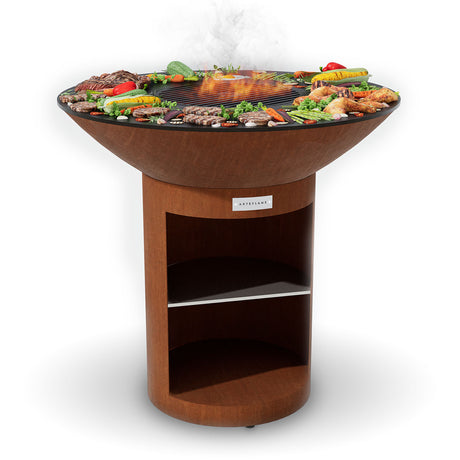
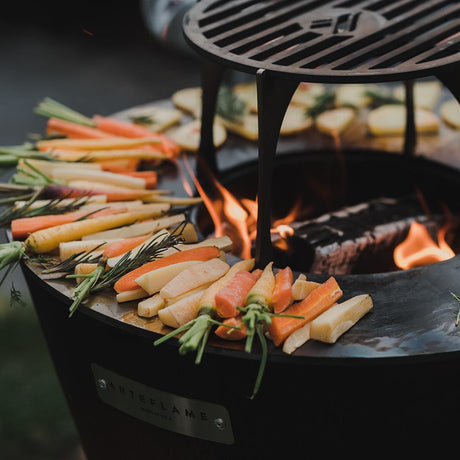
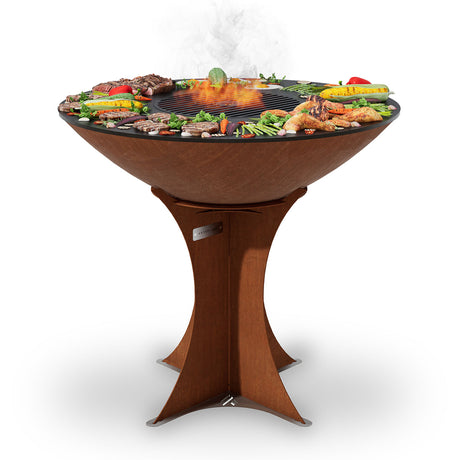
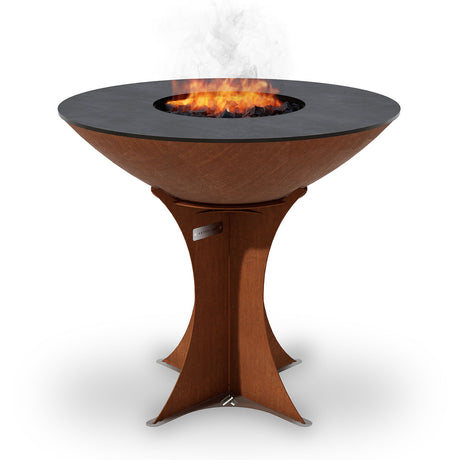
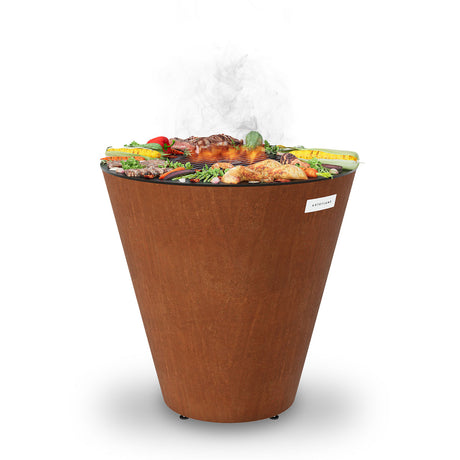
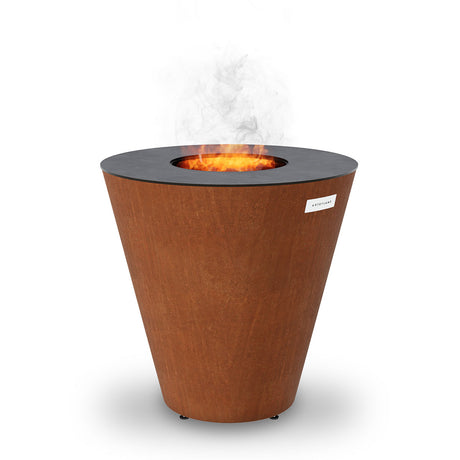
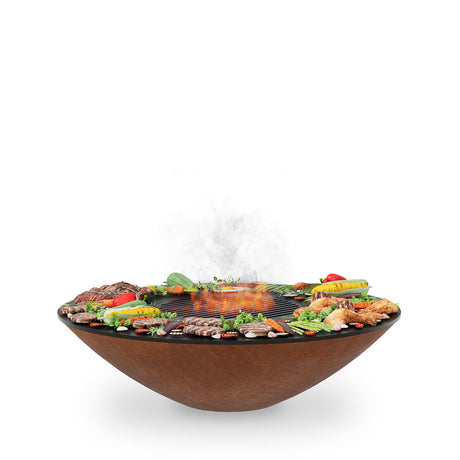
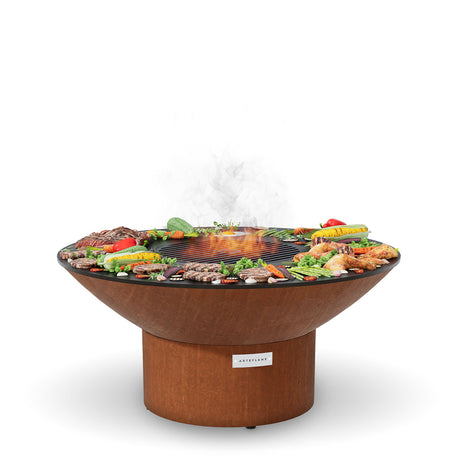
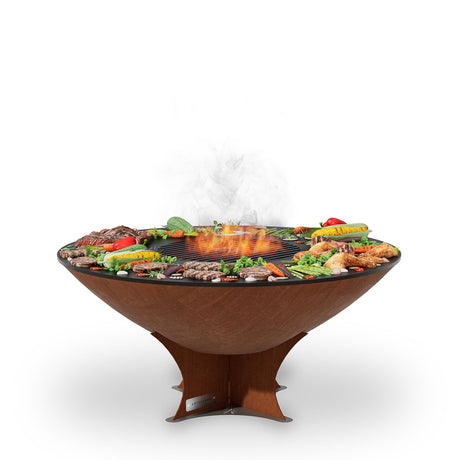
While gas grills offer undeniable convenience for weeknight dinners, they fundamentally lack the thermal mass and flavor infusion required for steakhouse-quality results. A wood-fired flat top grill complements your gas setup by delivering temperatures exceeding 1,000°F for perfect searing, infusing food with natural wood smoke, and providing a solid carbon steel surface that allows you to cook vegetables, eggs, and seafood that would otherwise fall through standard gas grates.
To understand why a gas grill alone isn't enough, compare the core performance metrics against a wood-fired flat top solution.
| Feature | Standard Gas Grill | Wood-Fired Flat Top (Arteflame) |
|---|---|---|
| Maximum Heat | 500°F - 700°F (Air Temp) | 1,000°F+ (Surface Temp) |
| Flavor Profile | Neutral, Gas Fumes | Rich, Natural Wood Smoke |
| Surface Versatility | Open Grates (Food falls through) | Solid Griddle (Cooks anything) |
| Social Experience | Solo cooking (Back to guests) | 360° Cooking (Guests gather round) |
| Maintenance | Grease traps & burner cleaning | Simple scrape & oil season |
The primary limitation of a gas grill is the heat source. Gas burners heat the air around the meat, which eventually cooks the food. However, to get a true Maillard reaction—the caramelized crust on a premium steak—you need conduction heat, not just convection.
A wood-fired grill with a carbon steel cooktop stores massive amounts of thermal energy. When you drop a steak on the center of the cooktop, the heat transfer is immediate and intense. This locks in juices instantly, creating a crust that wire grates on a gas grill simply cannot achieve.
Pro Tip: The Reverse Sear Strategy. Use your gas grill to bring thick steaks to an internal temp of 115°F slowly. Then, move them immediately to the center of your wood-fired grill for 45 seconds per side. This hybrid method guarantees edge-to-edge pinkness with a crust that rivals top-tier steakhouses.
Yes, and it is scientifically distinct from gas. Gas combustion produces water vapor and carbon dioxide, which is a moist heat that does not add flavor. Conversely, burning hardwood produces aromatic compounds (syringol and guaiacol) that bond with the proteins in your meat and vegetables.
Even a short cook time on a wood-fired grill creates a depth of flavor known as "sapidity" that gas or propane cannot replicate. You aren't just heating the food; you are seasoning it with the fuel source itself.
Standard gas grills limit you to large items that won't slip through the grates. This forces you to run back and forth to the kitchen for side dishes. A wood-fired grill with a solid plancha-style cooktop solves this logistical headache.
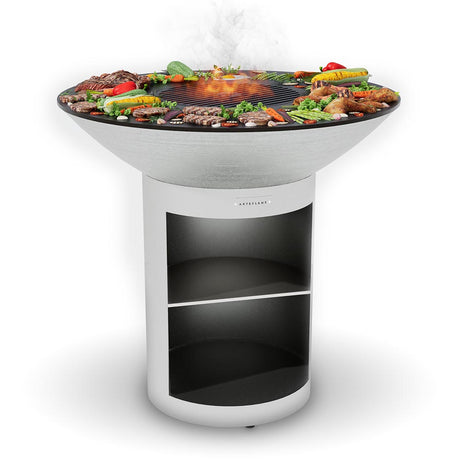
Pro Tip: Multi-Zone Temperature Management. The design of a circular flat top creates natural heat zones. The center is blazing hot for searing proteins, while the outer edge is cooler. Move your veggies to the outer ring to roast slowly while your steaks sear in the middle, ensuring everything finishes at the exact same time.
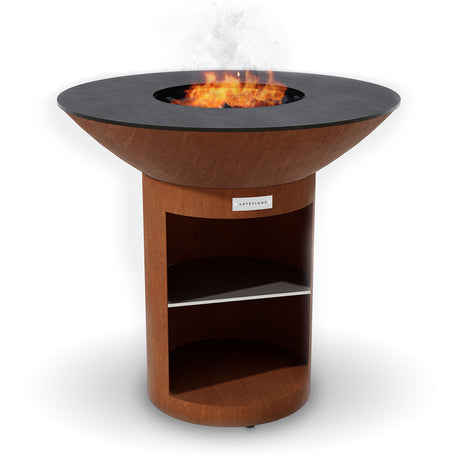
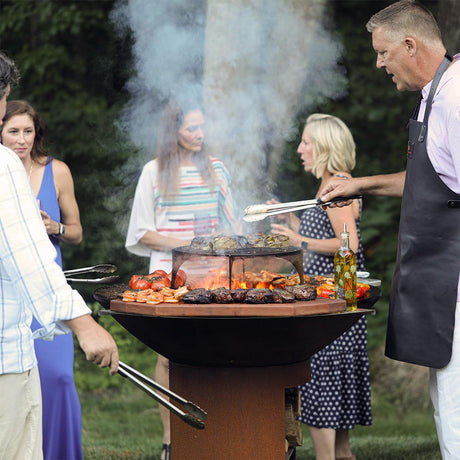
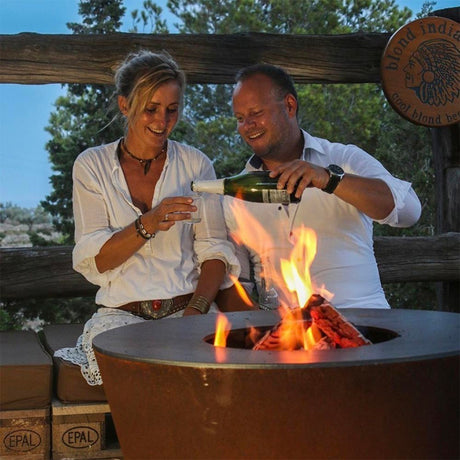
Gas grilling is often a solitary task; the chef stands against the wall while guests mingle elsewhere. A wood-fired grill acts as a fire pit and a cooking station combined. The 360-degree design encourages guests to gather around the fire, watch the cooking process, and even participate.
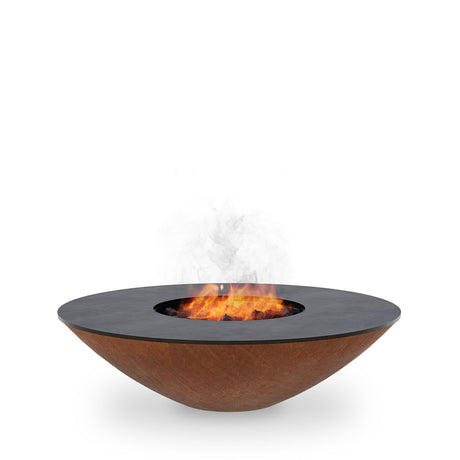
By adding a wood-fired grill to your backyard, you transform meal prep from a chore into an event. When the cooking is done, the grill transitions seamlessly into a fire bowl, extending the evening well past dinner.
No. The best setup is often a "hybrid" backyard. Keep the gas grill for quick Tuesday night burgers when you have zero time, but use the wood-fired grill for weekends, entertaining, and when flavor quality is the priority.
It is generally easier than cleaning a gas grill. There are no grease traps or clogged burners to disassemble. Simply scrape food residue into the fire after cooking and wipe the surface with oil while it is still warm to maintain the seasoning.
A wood-fired grill typically reaches cooking temperature in 15 to 20 minutes. While this is slower than the instant-on of gas, the heat retention of the steel cooktop allows for hours of consistent cooking once ready.







Turn yesterday's leftover macaroni into today's crispy, golden side dish with this easy wood-fired recipe.

Master this Texas-style open-fire brisket cooked entirely on the Arteflame grill. By searing on the center grate and wrapping to render on the flat top, you get perfectly tender, juicy...

Transform standard thick-cut bacon into a sweet, savory appetizer with a dark stout and brown sugar glaze, perfectly caramelized on a flat-top grill.

Render the perfect crispy skin with these Sichuan Peppercorn Duck Breasts, paired with a smoky, sweet, and spicy charred plum-poblano sauce.

Tender artichoke halves charred over high heat and smothered in rich garlic butter and Parmesan cheese.

Achieve the ultimate crust with this low-and-slow beef brisket recipe, utilizing natural heat zones for a perfect sear and incredibly tender finish.

Transform the trending crispy rice paper dumplings into a wood-fired masterpiece. Cooked on the Arteflame flat steel griddle for a shatteringly crisp crust and savory, high-protein filling.

Elevate albacore tuna with a steakhouse-style bacon wrap and a decadent green peppercorn cream sauce, grilled flawlessly on a flat-top.