
Crisp and Golden Mac and Cheese Cakes on the Grill
Turn yesterday's leftover macaroni into today's crispy, golden side dish with this easy wood-fired recipe.


The Maillard reaction is a complex chemical process between amino acids and reducing sugars that occurs when food hits surface temperatures between 300°F and 500°F (140°C to 260°C). This reaction is responsible for the browned, flavorful crust on seared steaks, burgers, and roasted vegetables. To achieve this, the food’s surface must be dry and exposed to high, direct heat, creating hundreds of new flavor compounds that define the savory taste known as umami.
Not all cooking surfaces are created equal when trying to achieve a perfect crust. The goal is to maximize the surface area of the meat that comes into contact with the heat source. While open grates create grill marks, they leave large portions of the meat unseared. A flat top grill or griddle provides 100% surface contact, resulting in a deeper, more flavorful reaction.
| Cooking Surface | Surface Contact | Crust Consistency | Maillard Potential |
|---|---|---|---|
| Flat Top / Plancha | 100% (Full coverage) | Uniform, deep brown | High |
| Traditional Grates | 30% (Stripes only) | Uneven (burned vs. gray) | Medium |
| Pan Searing (Cast Iron) | 90-100% | Uniform | High |
| Boiling / Steaming | 0% (Water barrier) | None (Gray meat) | None |
The reaction begins noticeably at roughly 300°F (149°C). However, the sweet spot for grilling steaks and burgers is generally between 400°F and 450°F.
Pro Tip: Moisture is the enemy of the Maillard reaction. Water boils at 212°F, which acts as a cooling barrier preventing the meat from reaching the 300°F threshold. Always pat your meat completely dry with paper towels before seasoning and searing.
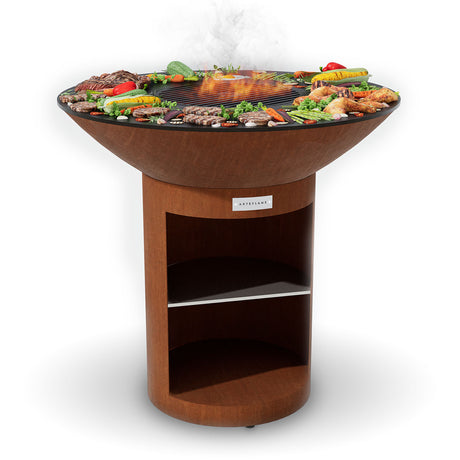
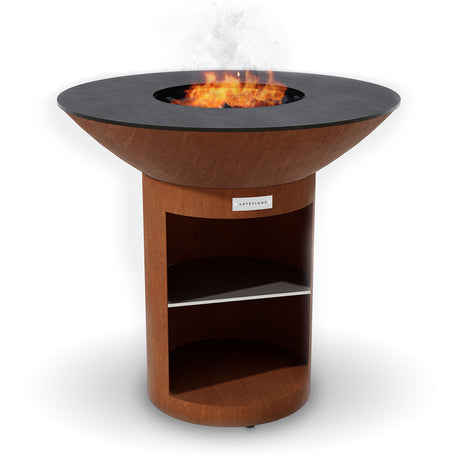
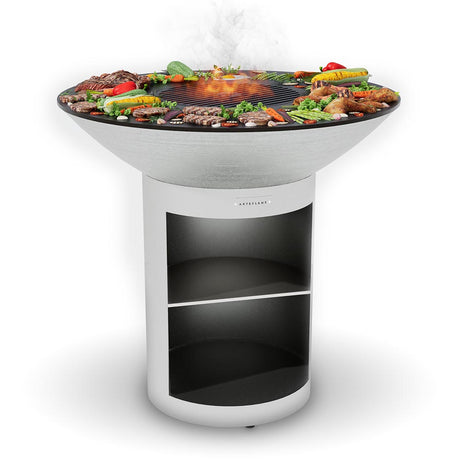
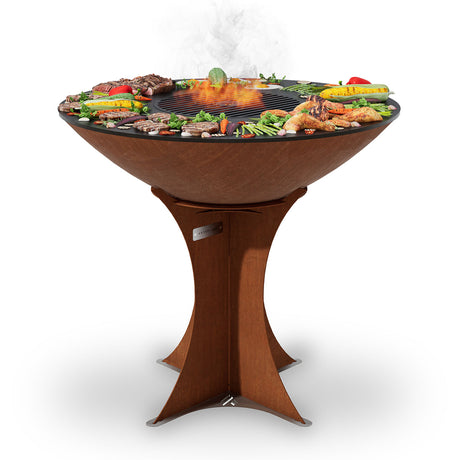
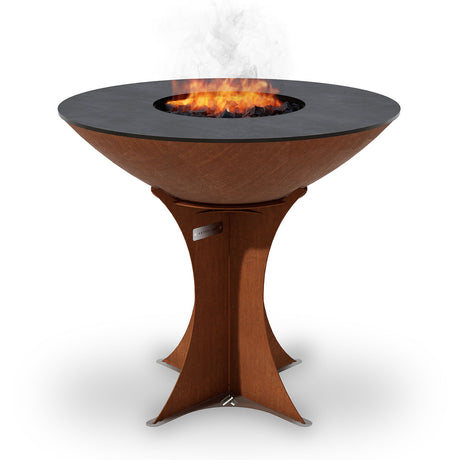
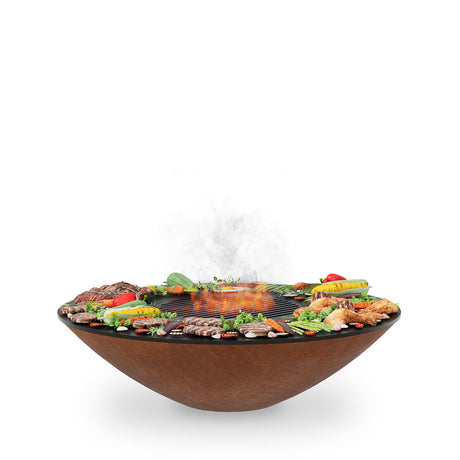
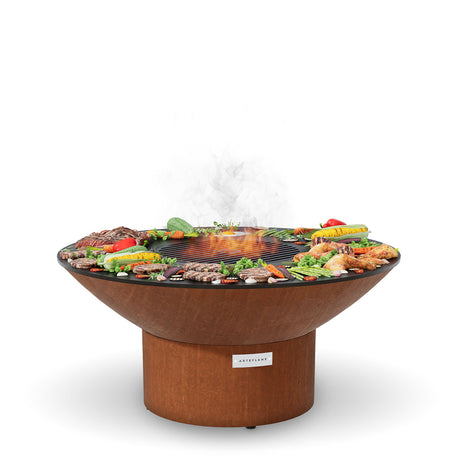
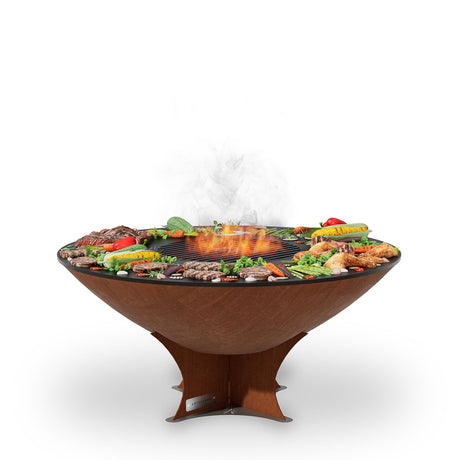
Traditional grill grates rely on air to cook the gaps between the metal bars. Air is a poor conductor of heat compared to metal. On an Arteflame or similar solid-surface grill, the meat is in direct, uninterrupted contact with the carbon steel cooktop.
This continuous contact ensures that the amino acids and sugars across the entire surface of the steak react simultaneously. The result is a steak that is flavorful and crusty from edge to edge, rather than just where the grill marks appear.
Pro Tip: Avoid using marinades with high sugar content if you plan to sear at very high temperatures. Sugar burns (caramelizes) much faster than the Maillard reaction occurs on proteins, leading to a burnt taste before the meat is properly seared.
No, they are distinct processes. Caramelization is the pyrolysis of sugar (browning sugar) which happens at roughly 320°F, whereas the Maillard reaction involves the interaction of proteins (amino acids) and sugars to create savory, complex flavors.
Yes. Vegetables contain carbohydrates and small amounts of protein. Roasting or grilling vegetables like corn, peppers, and onions at high heat triggers the reaction, enhancing their sweetness and adding depth to the flavor.
A gray steak usually results from excess moisture or a pan that wasn't hot enough. If the surface is wet, the water turns to steam, effectively boiling the meat at 212°F and preventing the surface temperature from rising high enough to trigger the browning reaction.







Turn yesterday's leftover macaroni into today's crispy, golden side dish with this easy wood-fired recipe.

Master this Texas-style open-fire brisket cooked entirely on the Arteflame grill. By searing on the center grate and wrapping to render on the flat top, you get perfectly tender, juicy...

Transform standard thick-cut bacon into a sweet, savory appetizer with a dark stout and brown sugar glaze, perfectly caramelized on a flat-top grill.

Render the perfect crispy skin with these Sichuan Peppercorn Duck Breasts, paired with a smoky, sweet, and spicy charred plum-poblano sauce.

Tender artichoke halves charred over high heat and smothered in rich garlic butter and Parmesan cheese.

Achieve the ultimate crust with this low-and-slow beef brisket recipe, utilizing natural heat zones for a perfect sear and incredibly tender finish.

Transform the trending crispy rice paper dumplings into a wood-fired masterpiece. Cooked on the Arteflame flat steel griddle for a shatteringly crisp crust and savory, high-protein filling.

Elevate albacore tuna with a steakhouse-style bacon wrap and a decadent green peppercorn cream sauce, grilled flawlessly on a flat-top.