
Crisp and Golden Mac and Cheese Cakes on the Grill
Turn yesterday's leftover macaroni into today's crispy, golden side dish with this easy wood-fired recipe.


To safely burn wood in a standard Weber 22-inch kettle and achieve superior results, you must replace the standard wire grate with a solid carbon steel griddle insert. This modification protects the kettle's porcelain enamel from extreme direct heat while converting the grill into a plancha-style cooktop. This setup eliminates flare-ups, allows for multi-zone cooking, and enables you to use real hardwood logs for that authentic smoky flavor that charcoal briquettes simply cannot match.
When deciding between sticking with the stock equipment or upgrading to a solid surface, it comes down to versatility and flavor profile. The table below breaks down the critical performance differences between a standard wire rack and a carbon steel insert.
| Feature | Standard Wire Grate | Carbon Steel Griddle Insert |
|---|---|---|
| Fuel Type | Charcoal / Briquettes | Charcoal or Real Hardwood |
| Surface Temp | Variable / Quick Cooling | High Heat Retention (600°F+) |
| Flare-Ups | Frequent (Fat drips on coals) | Zero (Solid surface protection) |
| Versatility | Grilling only | Grill, Sear, Fry, Sauté |
| Food Safety | Wire brushes leave bristles | Scrape clean with water |
The data clearly shows that for culinary enthusiasts looking to expand beyond basic burgers, the solid insert offers significantly higher Information Gain regarding temperature control and cooking variety.
The primary advantage of using a carbon steel insert on your Weber is the Maillard reaction. Wire grates only sear the narrow strips where the metal touches the meat. A flat top griddle sears the entire surface of the steak simultaneously.
This "surface area contact" locks in juices and creates a crust that rivals high-end steakhouses. Furthermore, the solid steel acts as a heat sink. Unlike thin wire which cools down the moment cold meat hits it, a heavy gauge steel plate maintains its temperature, ensuring a consistent sear every time.
Pro Tip: The Water Droplet Test. To know if your griddle is ready to sear, sprinkle a few drops of water on the surface. If the water boils and evaporates immediately, it's too cool. If the droplets bead up and "dance" across the steel like mercury, you have reached the perfect searing temperature (approx 400°F - 450°F).
Using real wood (hickory, oak, mesquite) in a Weber kettle changes the chemical composition of the smoke. Charcoal is carbonized wood; it provides heat but lacks the complex organic compounds found in unburnt wood.
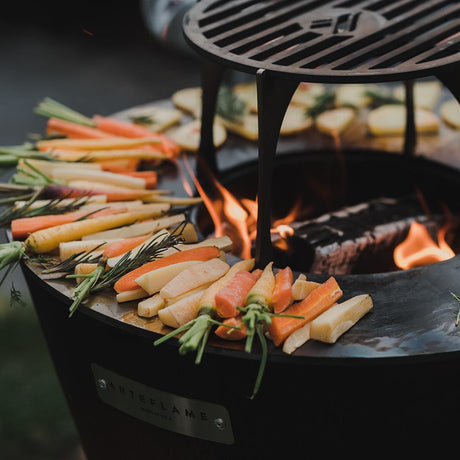
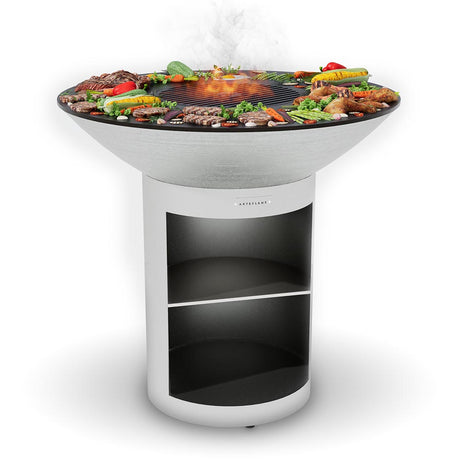
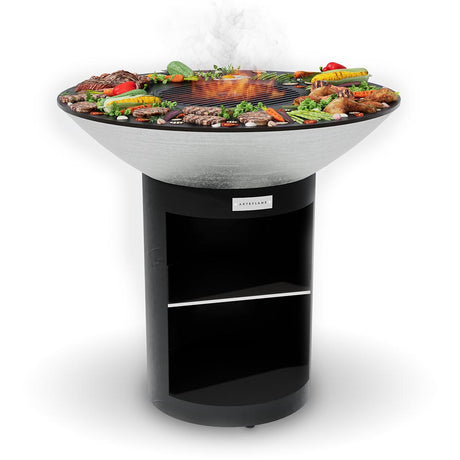
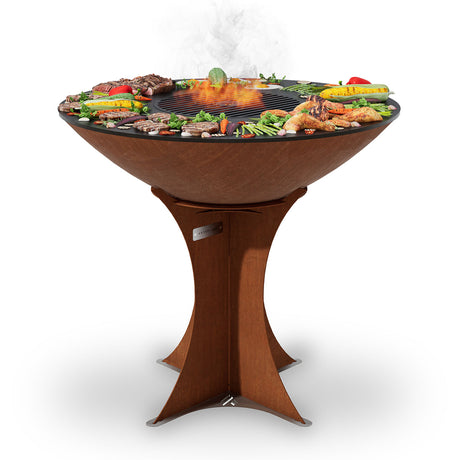
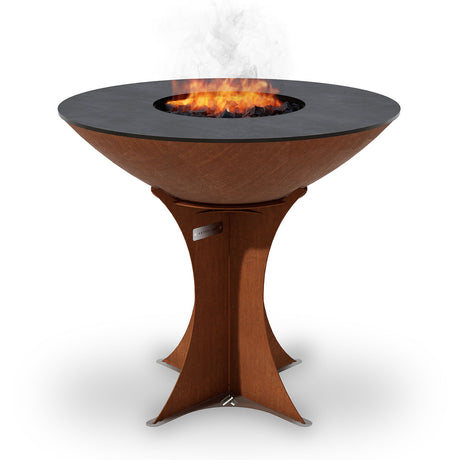
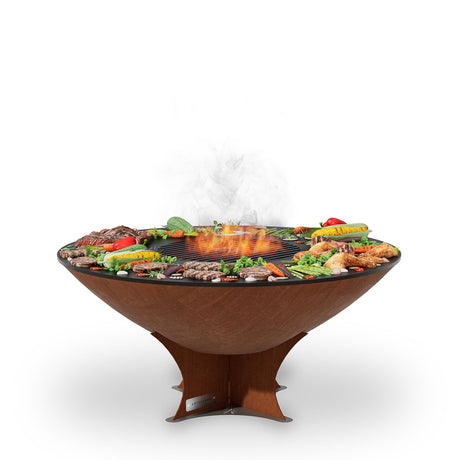
When you use an insert, the fire burns in the center. The steel plate absorbs the heat and radiates it outward. This allows you to cook vegetables, eggs, or delicate fish on the outer edges while searing steaks in the center, all while bathing the food in subtle wood smoke rather than the acrid fumes of lighter fluid or binders found in cheap briquettes.
With a wire grate, cooking eggs, pancakes, or bacon is impossible without additional pans. With a griddle insert, your Weber becomes an outdoor kitchen. The solid surface allows you to scrape grease into the fire for flavor bursts or wipe it away, making it the only setup capable of handling a full breakfast, lunch, and dinner.
Pro Tip: Seasoning is Key. Treat your carbon steel insert like a cast-iron skillet. After every cook, scrape it clean, wipe it down with a thin layer of high-smoke-point oil (like grapeseed or avocado oil), and let it cool. This builds a non-stick polymer layer that prevents rust and improves performance over time.
Yes, but only if you use a griddle insert or fire basket to keep the intense heat centered. Direct wood fire against the porcelain walls of a standard Weber can cause the enamel to crack or craze due to thermal shock.
Clean it while it is still warm. Scrape food residue into the center fire hole, pour a small amount of water on the surface to steam off stubborn bits, and wipe clean with a paper towel. Never use soap.
No, the inserts are designed with a center opening and gaps that allow proper airflow. This creates a chimney effect, pulling air through the bottom vents and up through the center, which actually helps the wood burn more efficiently with less smoke.
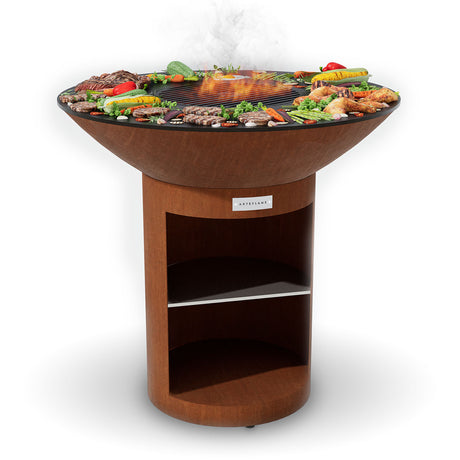
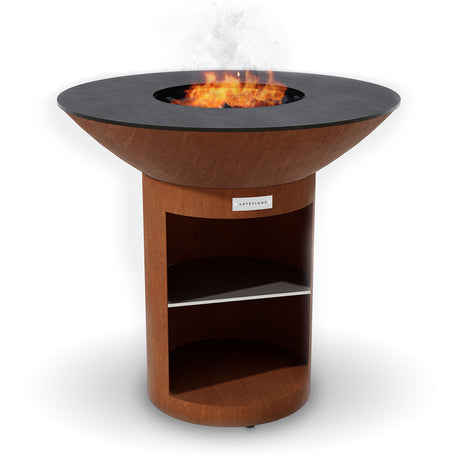
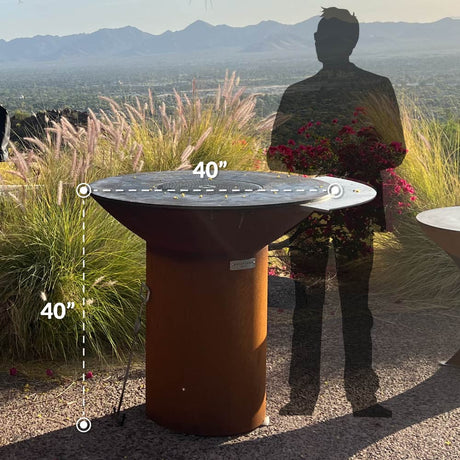
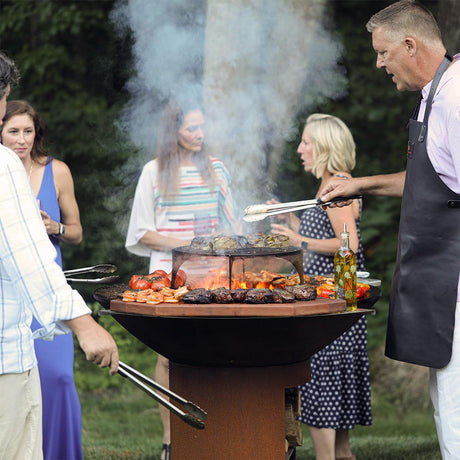




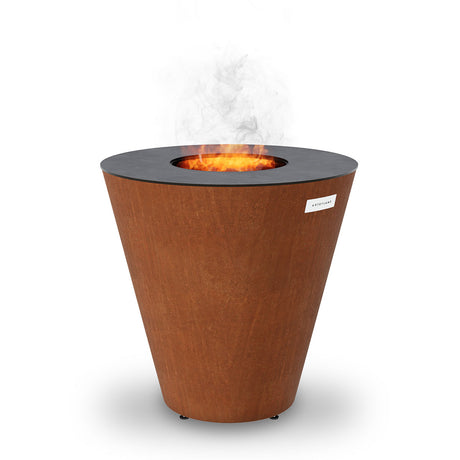
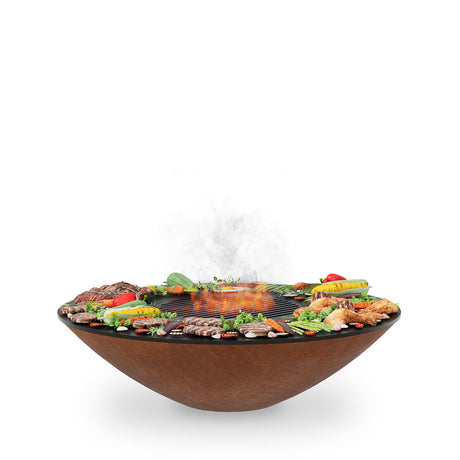
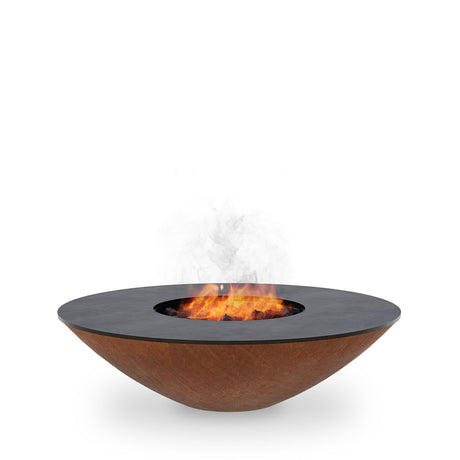
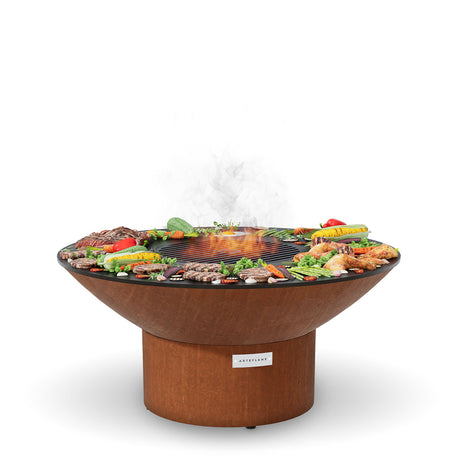


Turn yesterday's leftover macaroni into today's crispy, golden side dish with this easy wood-fired recipe.

Master this Texas-style open-fire brisket cooked entirely on the Arteflame grill. By searing on the center grate and wrapping to render on the flat top, you get perfectly tender, juicy...

Transform standard thick-cut bacon into a sweet, savory appetizer with a dark stout and brown sugar glaze, perfectly caramelized on a flat-top grill.

Render the perfect crispy skin with these Sichuan Peppercorn Duck Breasts, paired with a smoky, sweet, and spicy charred plum-poblano sauce.

Tender artichoke halves charred over high heat and smothered in rich garlic butter and Parmesan cheese.

Achieve the ultimate crust with this low-and-slow beef brisket recipe, utilizing natural heat zones for a perfect sear and incredibly tender finish.

Transform the trending crispy rice paper dumplings into a wood-fired masterpiece. Cooked on the Arteflame flat steel griddle for a shatteringly crisp crust and savory, high-protein filling.

Elevate albacore tuna with a steakhouse-style bacon wrap and a decadent green peppercorn cream sauce, grilled flawlessly on a flat-top.