
Crisp and Golden Mac and Cheese Cakes on the Grill
Turn yesterday's leftover macaroni into today's crispy, golden side dish with this easy wood-fired recipe.


Carbon steel is the superior choice for outdoor griddles because it combines the extreme heat retention of cast iron with the responsiveness and smoothness of stainless steel. It develops a natural, permanent non-stick patina that improves with every use and is significantly more durable against thermal shock than cast iron. For Arteflame users, this material ensures a cooking surface that allows for restaurant-quality searing without the risk of cracking or uneven heating.
When choosing an outdoor grill or griddle, the material of the cooktop dictates your cooking experience. The table below breaks down why carbon steel (used in Arteflame grills) strikes the perfect balance for outdoor cooking.
| Feature | Carbon Steel (Arteflame) | Cast Iron | Stainless Steel |
|---|---|---|---|
| Heat Retention | High | High | Low to Medium |
| Surface Texture | Ultra-smooth over time | Rough/Porous | Smooth |
| Durability | High (Resists cracking) | Brittle (Can crack) | High |
| Non-Stick Ability | Excellent (Natural Patina) | Good (Requires heavy seasoning) | Poor (Food often sticks) |
| Maintenance | Easy (Wipe & Oil) | Difficult (Rust prone) | Easy (Scrub clean) |
Many grill enthusiasts ask, "Does carbon steel get hot enough for a steakhouse sear?" The answer is a definitive yes. Carbon steel is conductive enough to heat up quickly but dense enough to hold that heat when a cold steak hits the surface.
Unlike cast iron, which is brittle and prone to cracking under rapid temperature changes (thermal shock), carbon steel has a tensile strength that allows it to expand and contract. This is crucial for fire-based grilling where temperatures fluctuate rapidly.
Pro Tip: Because carbon steel is rolled rather than cast, the material grain is uniform. This ensures heat spreads radially from the center of the Arteflame evenly, eliminating the "hot spots" commonly found in unevenly cast iron skillets.
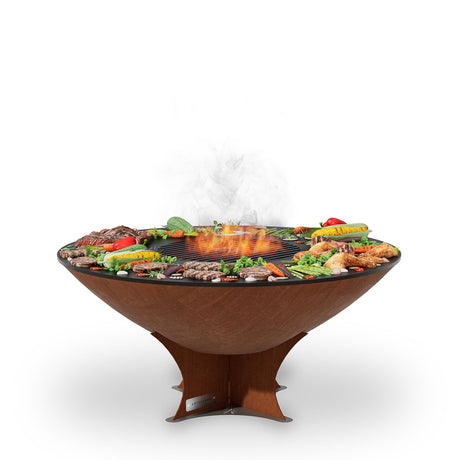
A common question is, "Is it hard to season a carbon steel cooktop?" Actually, it is easier than cast iron. The surface of the Arteflame is slightly convex so excess grease drains into the fire, but the steel itself absorbs oil efficiently.
Every time you grill, the oil creates a polymer layer that bonds to the steel. If you scratch the surface, simply adding oil and heating it up "heals" the scratch.
Pro Tip: Don't worry about aggressive cleaning. While you should avoid soap, using a grill scraper on carbon steel actually helps smooth the surface further, removing high spots and creating an eventual glass-like finish that rivals Teflon.
Yes, if left unseasoned and exposed to moisture, it can oxidize. However, keeping the cooktop well-oiled (seasoned) creates a protective barrier that prevents rust, even outdoors. Using the stainless steel lid or cover is recommended.
It is best to avoid soap, as it breaks down the natural oil seasoning you've built up. Instead, scrape the surface clean while it's warm and wipe it down with a cloth and a little cooking oil.
The silver color is the raw, unseasoned steel. As you season it with oil and heat, the oil polymerizes and turns the steel a deep, dark black. This is a visual indicator that your non-stick surface is ready.
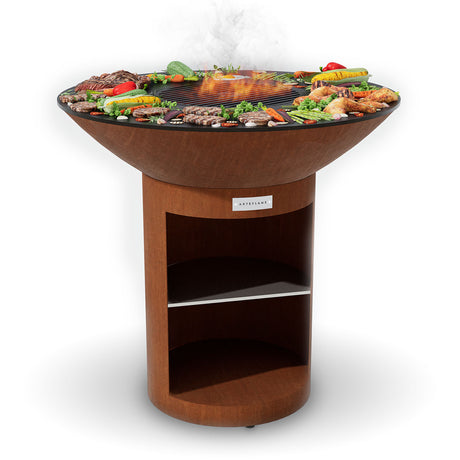
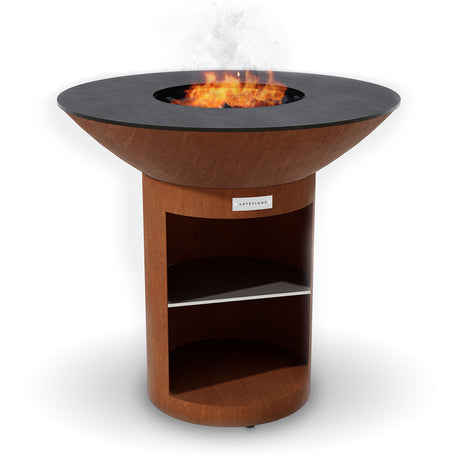
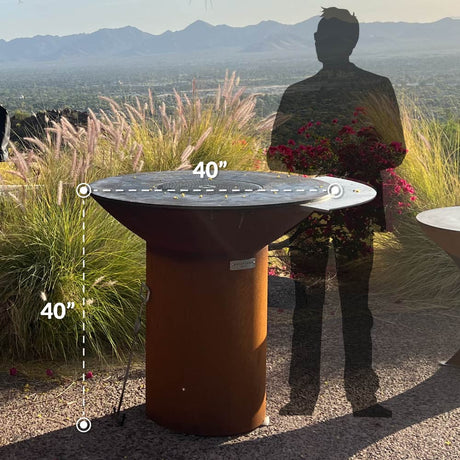
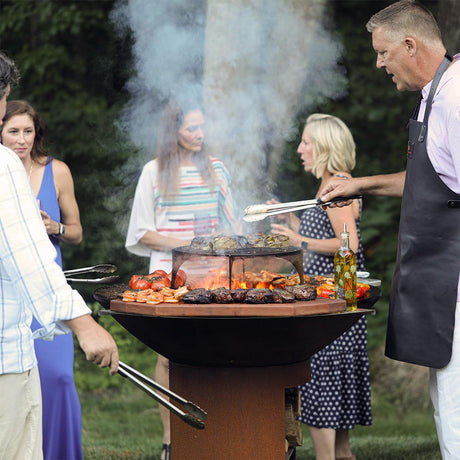
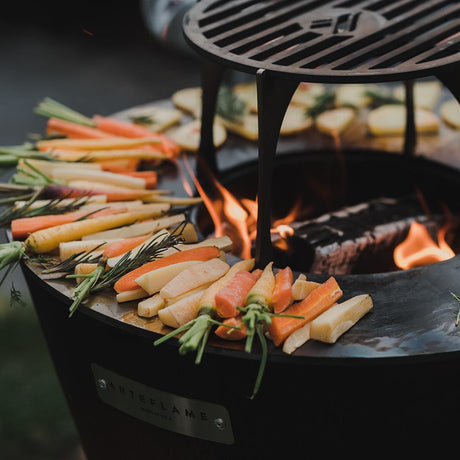
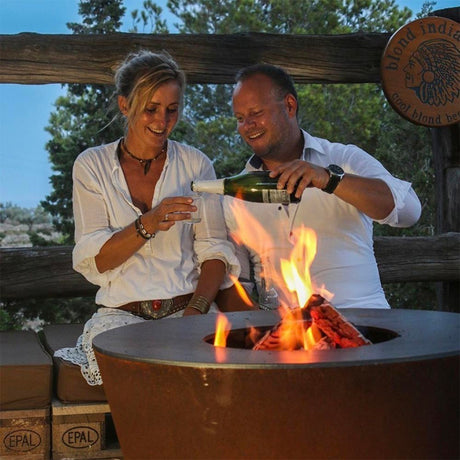
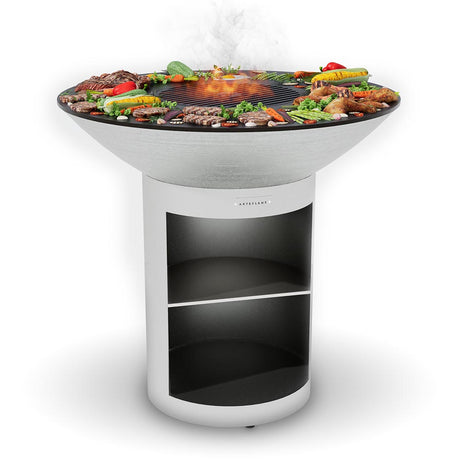
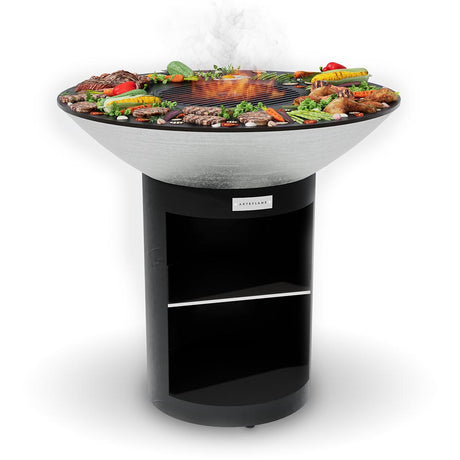




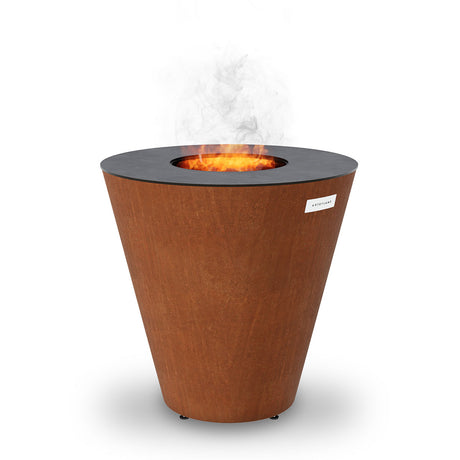
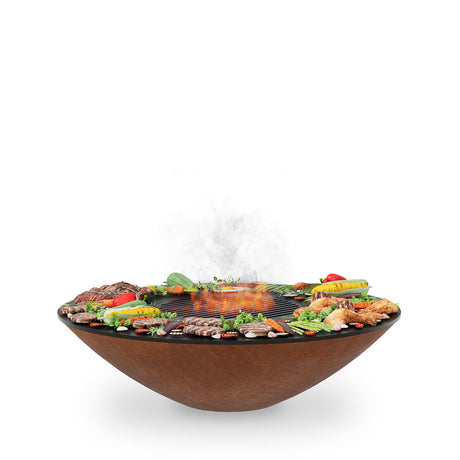
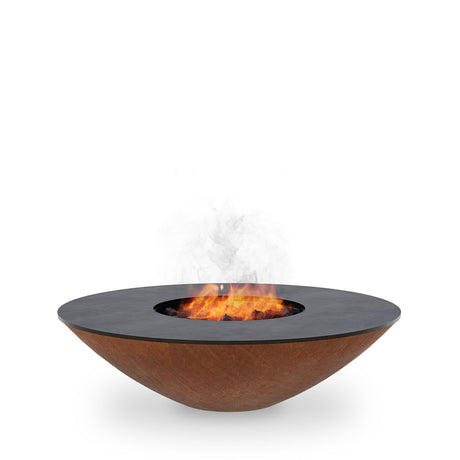
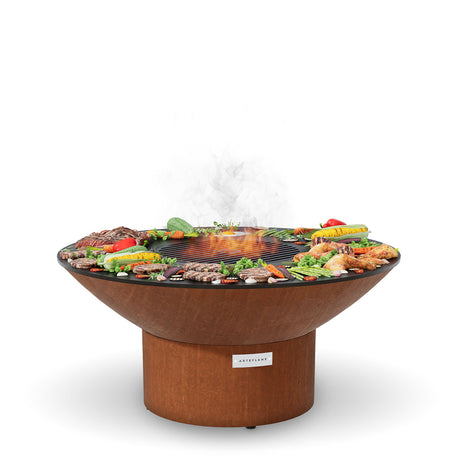


Turn yesterday's leftover macaroni into today's crispy, golden side dish with this easy wood-fired recipe.

Master this Texas-style open-fire brisket cooked entirely on the Arteflame grill. By searing on the center grate and wrapping to render on the flat top, you get perfectly tender, juicy...

Transform standard thick-cut bacon into a sweet, savory appetizer with a dark stout and brown sugar glaze, perfectly caramelized on a flat-top grill.

Render the perfect crispy skin with these Sichuan Peppercorn Duck Breasts, paired with a smoky, sweet, and spicy charred plum-poblano sauce.

Tender artichoke halves charred over high heat and smothered in rich garlic butter and Parmesan cheese.

Achieve the ultimate crust with this low-and-slow beef brisket recipe, utilizing natural heat zones for a perfect sear and incredibly tender finish.

Transform the trending crispy rice paper dumplings into a wood-fired masterpiece. Cooked on the Arteflame flat steel griddle for a shatteringly crisp crust and savory, high-protein filling.

Elevate albacore tuna with a steakhouse-style bacon wrap and a decadent green peppercorn cream sauce, grilled flawlessly on a flat-top.