
Crisp and Golden Mac and Cheese Cakes on the Grill
Turn yesterday's leftover macaroni into today's crispy, golden side dish with this easy wood-fired recipe.


When comparing rotisserie chicken vs grilled chicken, the main difference lies in the cooking technique and heat distribution. Rotisserie chicken cooks slowly on a rotating spit over indirect heat, resulting in a self-basting effect that produces incredibly juicy meat with evenly crisped skin. Grilled chicken cooks stationary over direct or two-zone heat, offering intense smoky flavor, heavy char marks, and a much faster cooking time. Choose rotisserie for tender, fall-off-the-bone whole birds and traditional grilling for quick, flavorful cuts like breasts or thighs.
Understanding how each method impacts flavor, texture, and preparation time is essential for mastering your backyard barbecue. The rotating motion of a rotisserie ensures the chicken cooks evenly while basting in its own rendered fats. Traditional grilling relies on radiant heat from the grates to sear the exterior, creating distinct caramelization and a deep smoky profile.
| Feature | Rotisserie Chicken | Grilled Chicken |
|---|---|---|
| Cooking Speed | Slow (1.5 to 2 hours) | Fast (15 to 45 minutes) |
| Heat Source | Indirect, rotating heat | Direct or two-zone stationary heat |
| Best Cuts | Whole chickens, large roasts | Breasts, thighs, wings, halves |
| Flavor Profile | Rich, savory, roasted flavor | Smoky, charred, caramelized |
| Texture | Extremely juicy, uniform crisp skin | Firm, juicy interior, heavy bark |
If you need a fast, reliable meal, standard grilling is superior. You can cook boneless, skinless chicken breasts or thighs in under 20 minutes. Rotisserie cooking is an event that requires more setup time, trussing the bird, and a longer cooking duration, making it ideal for weekends or entertaining guests.
The continuous rotation of the rotisserie spit makes it the undisputed winner for overall juiciness. As the bird turns, the rendering fat and natural juices wash over the meat, continually basting it. This prevents the white meat from drying out before the dark meat finishes cooking.
Pro Tip: When making rotisserie chicken, place a drip pan filled with chopped potatoes and onions directly underneath the bird. The vegetables will catch the rendered chicken fat, creating an incredibly flavorful side dish.
Traditional grilling can still yield exceptionally juicy chicken, but it requires active temperature management. Using a two-zone fire allows you to gently cook the chicken over indirect heat and finish it over a hot flame for a crispy sear, preventing the meat from drying out.
Proper grill setup dictates the success of your chicken, regardless of the method you choose. Both techniques require a distinct arrangement of your coals or burners.
Pro Tip: Always use a digital meat thermometer. Pull white meat off the grill at 160°F (it will carry over to the safe 165°F) and let dark meat reach 175°F for the best texture.
Both methods are quite healthy, but rotisserie chicken can be slightly leaner because the excess fat drips away from the bird as it rotates. However, traditional grilling without heavy marinades or oils is also an excellent low-calorie cooking option.
Yes, you can achieve incredibly crispy skin on a traditional grill by patting the chicken completely dry before cooking. Starting the chicken over indirect heat to render the fat, then finishing it over high direct heat ensures maximum crispiness.
While a rotisserie attachment is required for spit-roasting, you do not need one to grill a whole chicken. You can spatchcock (butterfly) the whole bird by removing the backbone, which allows it to lay flat and cook evenly on standard grill grates.
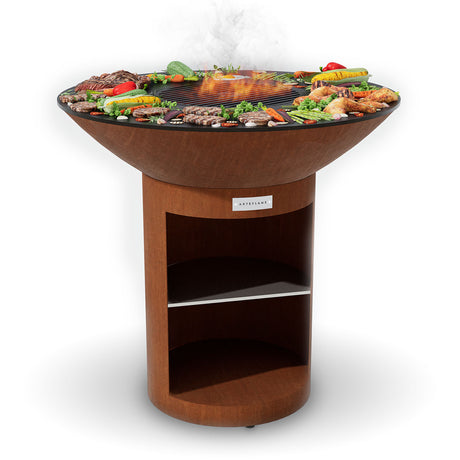
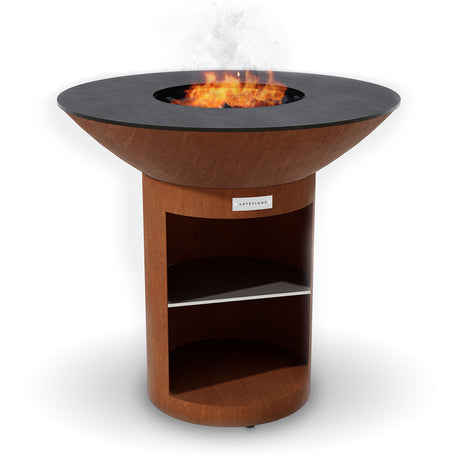

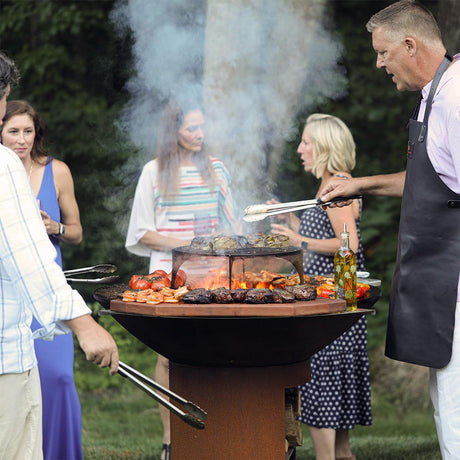
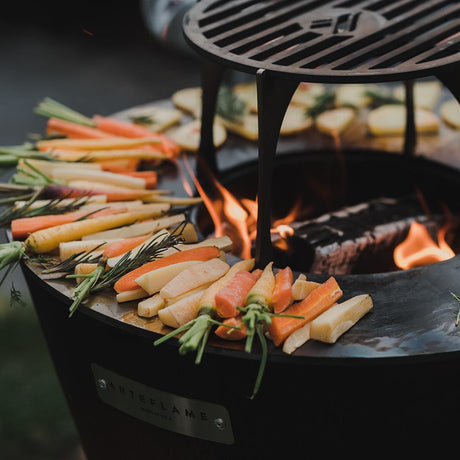






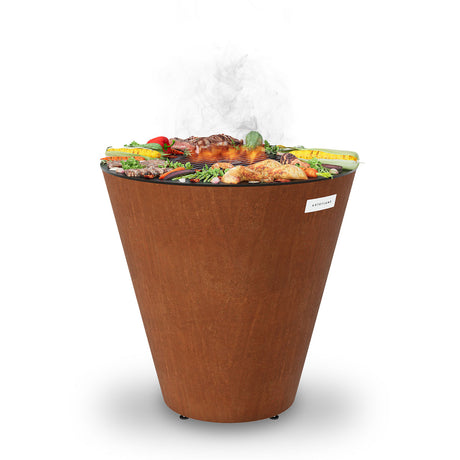
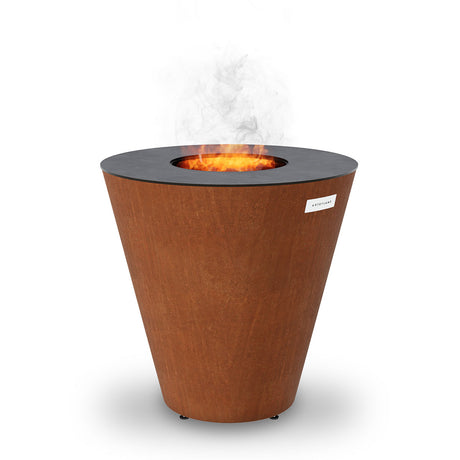
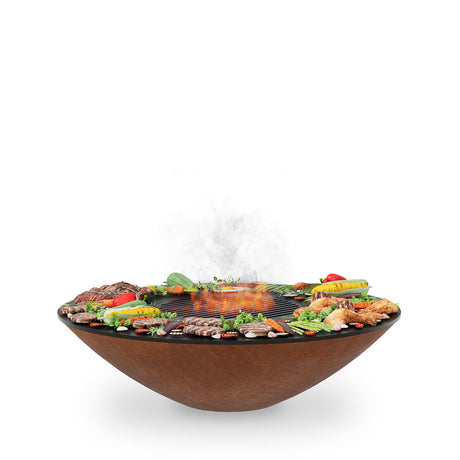
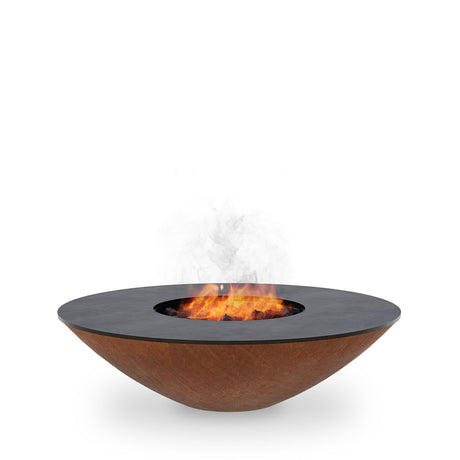


Turn yesterday's leftover macaroni into today's crispy, golden side dish with this easy wood-fired recipe.

Master this Texas-style open-fire brisket cooked entirely on the Arteflame grill. By searing on the center grate and wrapping to render on the flat top, you get perfectly tender, juicy...

Transform standard thick-cut bacon into a sweet, savory appetizer with a dark stout and brown sugar glaze, perfectly caramelized on a flat-top grill.

Render the perfect crispy skin with these Sichuan Peppercorn Duck Breasts, paired with a smoky, sweet, and spicy charred plum-poblano sauce.

Tender artichoke halves charred over high heat and smothered in rich garlic butter and Parmesan cheese.

Achieve the ultimate crust with this low-and-slow beef brisket recipe, utilizing natural heat zones for a perfect sear and incredibly tender finish.

Transform the trending crispy rice paper dumplings into a wood-fired masterpiece. Cooked on the Arteflame flat steel griddle for a shatteringly crisp crust and savory, high-protein filling.

Elevate albacore tuna with a steakhouse-style bacon wrap and a decadent green peppercorn cream sauce, grilled flawlessly on a flat-top.