
Crisp and Golden Mac and Cheese Cakes on the Grill
Turn yesterday's leftover macaroni into today's crispy, golden side dish with this easy wood-fired recipe.


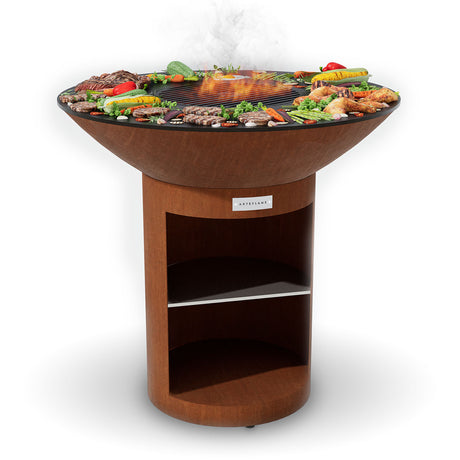
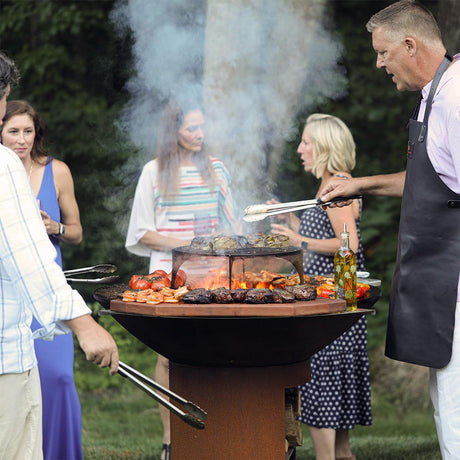
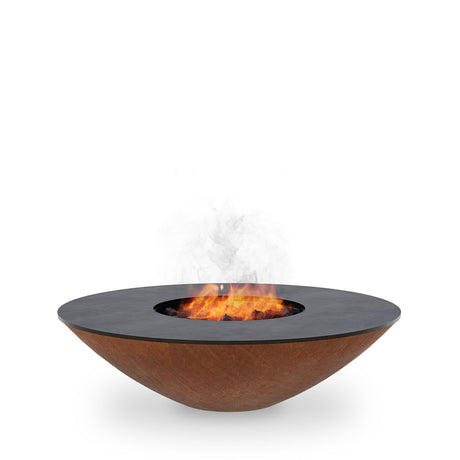
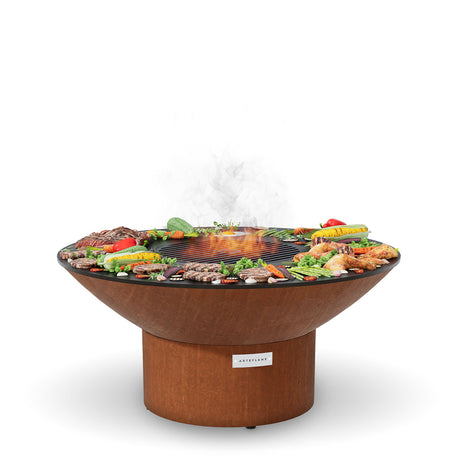
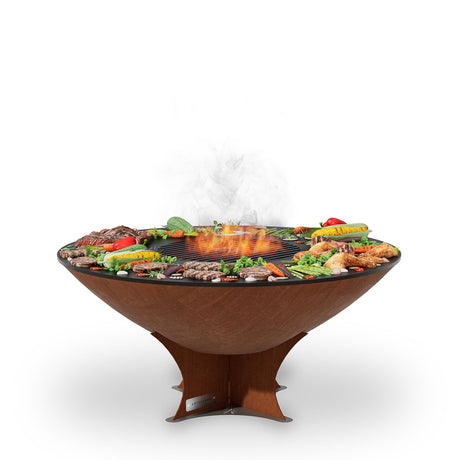
Replacing traditional wire grill grates with a solid carbon steel griddle insert immediately transforms a standard kettle or ceramic grill into a professional-grade outdoor kitchen. This simple drop-in modification eliminates flare-ups, creates a massive surface area for a complete edge-to-edge sear, and allows you to cook liquids and small vegetables that would otherwise fall through standard gaps.
Before ditching your old setup, it is crucial to understand the performance differences. While standard grates provide grill marks, they sacrifice surface contact. A solid carbon steel griddle maximizes Maillard reaction potential (the browning that equals flavor).
| Feature | Standard Wire Grates | Carbon Steel Griddle Insert |
|---|---|---|
| Searing Capability | Limited (Lines only) | Maximum (100% Surface Contact) |
| Food Versatility | Steaks, Burgers, Brats | Eggs, Pancakes, Veggies, Steaks |
| Flavor Profile | Smoky, Charred | Savory, Sears juices in, Smoky |
| Flare-Ups | Frequent | Zero / Eliminated |
| Maintenance | Scrubbing wire brushes | Scrape and wipe (Seasoned oil) |
Many outdoor chefs ask, "Why not just use cast iron?" While cast iron is traditional, carbon steel offers superior thermal shock resistance and heats up faster.
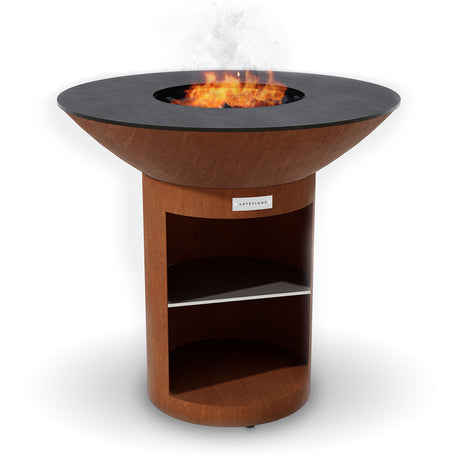
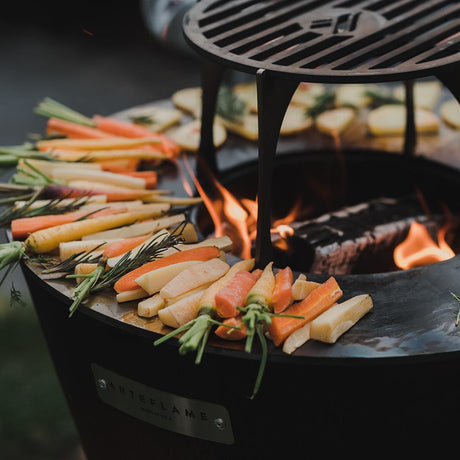
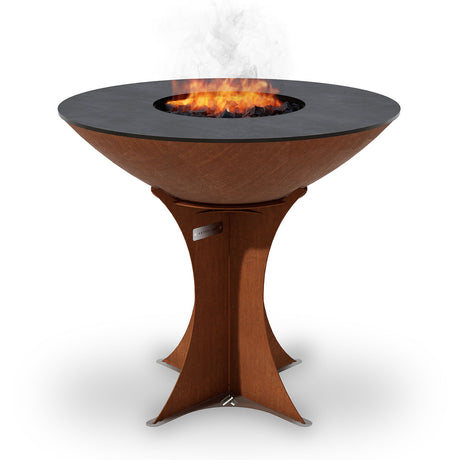
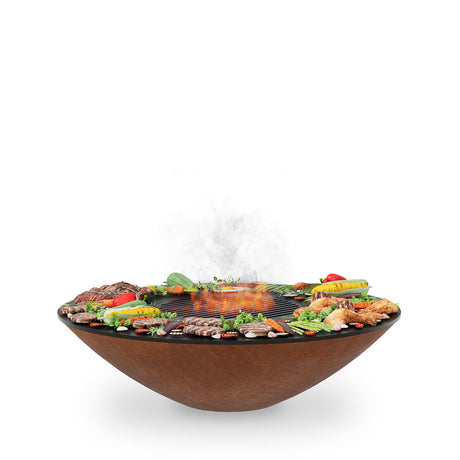
Unlike a uniform wire rack, a solid griddle plate creates distinct thermal zones. The center, closest to the fire, is your high-heat searing station. The outer rim serves as a cooler zone for slow cooking or keeping food warm.
Pro Tip: Utilize the "Euro-style" cooking method by searing your protein in the hot center (600°F+) and then sliding it to the outer flat ring to finish cooking internally without burning the crust.
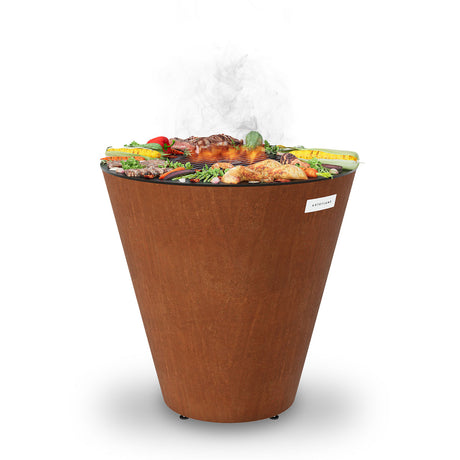
The primary advantage of a griddle combination is versatility. You are no longer restricted to foods large enough to sit on wires.
By using a combination insert (griddle with a center grill grate), you retain the ability to wood-fire grill steaks while sautéing sides on the solid ring.
Maintenance is often a concern, but carbon steel is easier to clean than grates. It behaves like a high-quality wok or cast iron skillet.
No. After cooking, simply scrape the residue into the fire using a straight-edge spatula. Wipe it down with a thin layer of oil while it is still warm.
Pro Tip: Never use soap on your carbon steel griddle. The black buildup is called patina—it provides the non-stick surface and protects the steel from rust. The darker it gets, the better it cooks.
Most carbon steel inserts are designed to fit standard sizes, such as the 22-inch Weber Kettle, Kamado Joe, or Big Green Egg. Always measure the diameter of your current grate support before purchasing to ensure a drop-in fit.
If left unseasoned and exposed to rain, yes. However, if you keep it oiled (seasoned) and cover the grill when not in use, the oil barrier effectively prevents rust. If light surface rust appears, it can be scrubbed off with steel wool and re-seasoned.
Absolutely. Carbon steel is tough enough to handle the direct heat from both lump charcoal and hardwood fires without warping, unlike thinner stainless steel alternatives.


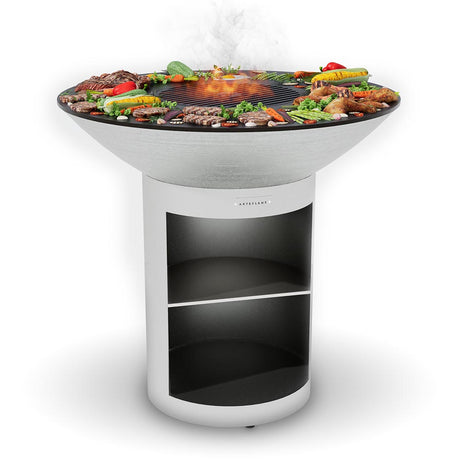
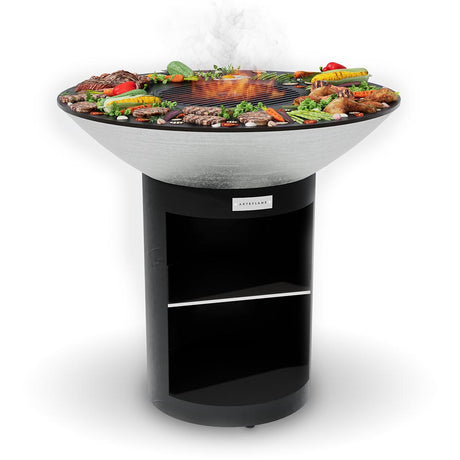
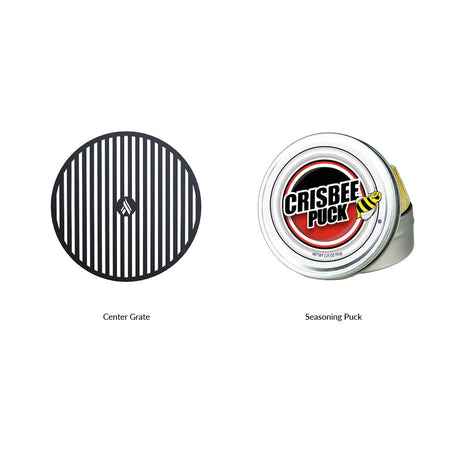


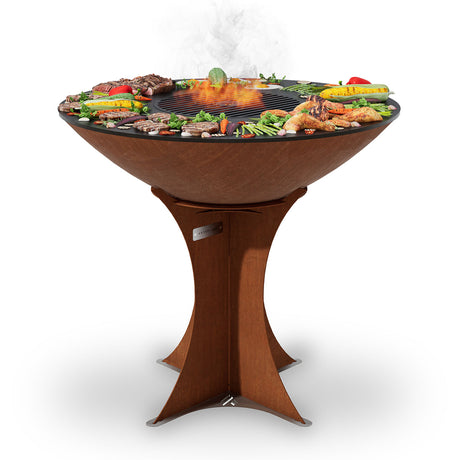




Turn yesterday's leftover macaroni into today's crispy, golden side dish with this easy wood-fired recipe.

Master this Texas-style open-fire brisket cooked entirely on the Arteflame grill. By searing on the center grate and wrapping to render on the flat top, you get perfectly tender, juicy...

Transform standard thick-cut bacon into a sweet, savory appetizer with a dark stout and brown sugar glaze, perfectly caramelized on a flat-top grill.

Render the perfect crispy skin with these Sichuan Peppercorn Duck Breasts, paired with a smoky, sweet, and spicy charred plum-poblano sauce.

Tender artichoke halves charred over high heat and smothered in rich garlic butter and Parmesan cheese.

Achieve the ultimate crust with this low-and-slow beef brisket recipe, utilizing natural heat zones for a perfect sear and incredibly tender finish.

Transform the trending crispy rice paper dumplings into a wood-fired masterpiece. Cooked on the Arteflame flat steel griddle for a shatteringly crisp crust and savory, high-protein filling.

Elevate albacore tuna with a steakhouse-style bacon wrap and a decadent green peppercorn cream sauce, grilled flawlessly on a flat-top.