
Crisp and Golden Mac and Cheese Cakes on the Grill
Turn yesterday's leftover macaroni into today's crispy, golden side dish with this easy wood-fired recipe.


To determine if a lobster is male or female, flip it over and examine the swimmerets (the small, feathery appendages under the tail). On a male lobster, the top pair of swimmerets is hard and bony; on a female, they are soft and feathery. Additionally, females generally have wider tails to accommodate egg storage, while males often possess larger claws.
Identifying the gender of your lobster is critical if you are looking for specific culinary traits, such as unfertilized eggs (roe) or specific meat yield. While they look similar from above, the underside reveals the truth immediately.
The most reliable method is checking the swimmerets. These are the small flippers found on the underside of the tail.
If you look at the lobsters side-by-side, you will notice structural differences. Female lobsters have a significantly wider tail than males of the same size. This biological adaptation allows them to carry roe (eggs). Males tend to have a narrower tail but often compensate with larger, heavier claws.
| Feature | Male Lobster | Female Lobster |
|---|---|---|
| Swimmerets (Top Pair) | Hard, bony, rigid | Soft, feathery, pliable |
| Tail Width | Narrower | Wider (for carrying eggs) |
| Claw Size | typically Larger | Proportionate to body |
| Roe (Coral) | Absent | Present (if mature) |
The flavor profile of the white meat is virtually identical between genders. However, the yield varies based on which part of the lobster you prefer.
Pro Tip: When shopping for live lobsters, pick them up. A lobster that feels heavy for its size indicates a full shell with more meat, regardless of whether it is male or female. Avoid lobsters that feel light or have loose claws.
If you split a female lobster, you may see a black, gelatinous substance inside the tail. This is the roe, or unfertilized eggs. Do not discard this.
When cooked, this substance turns a vibrant bright red, earning it the name "coral." It has a rich, savory, umami flavor that delicacies are made of.
Many chefs consider coral a delicacy. You can leave it inside the lobster while grilling for added richness, or remove it to create a compound butter or creamy pasta sauce. It significantly deepens the flavor profile of your dish.
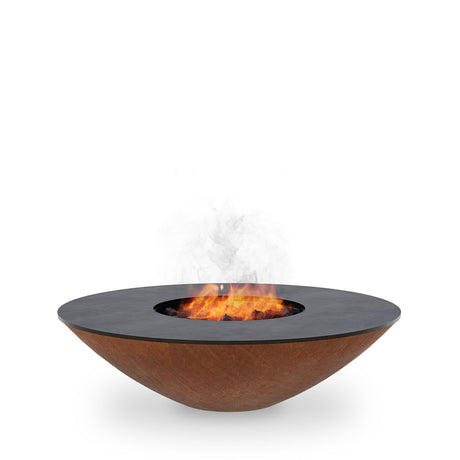
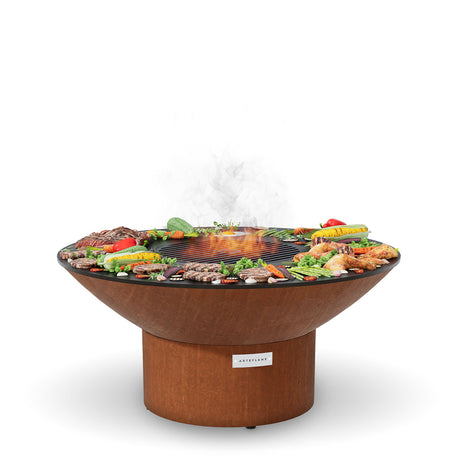
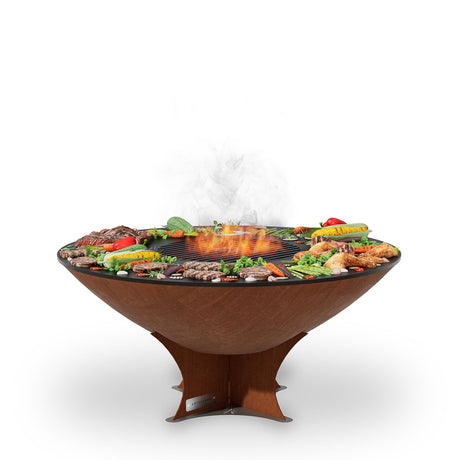
Grilling lobster enhances its natural sweetness with a subtle smokiness that boiling cannot achieve. The Arteflame’s plancha-style cooktop is ideal for this, as it prevents delicate meat from drying out or falling into the fire.
Pro Tip: Never overcook lobster. It will become rubbery and tough. Remove it from the grill immediately once the meat turns opaque white and feels firm to the touch.
There is no discernible difference in sweetness between the white meat of male and female lobsters. The flavor difference comes from the presence of roe (coral) in females, which adds a rich, savory element.
The green substance is the tomalley (hepatopancreas), which functions as the lobster's liver and pancreas. It is edible and considered a delicacy by many for its concentrated lobster flavor, though it should be eaten in moderation.
Mushy meat usually indicates the lobster was dead before cooking or was cooked for too long at a low temperature. Always ensure your lobster is alive and lively right before it hits the grill.
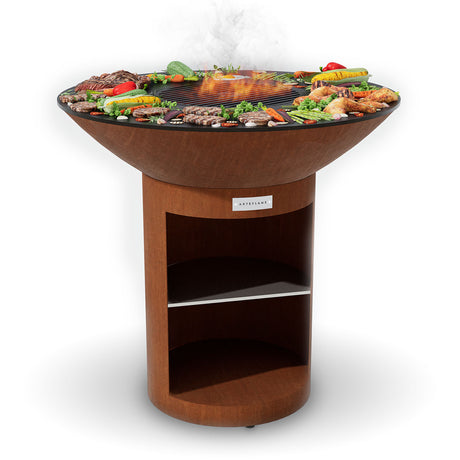
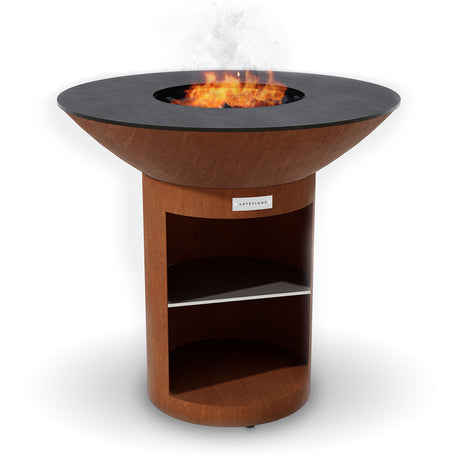

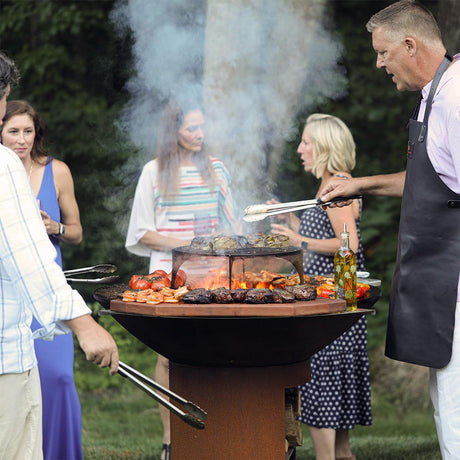
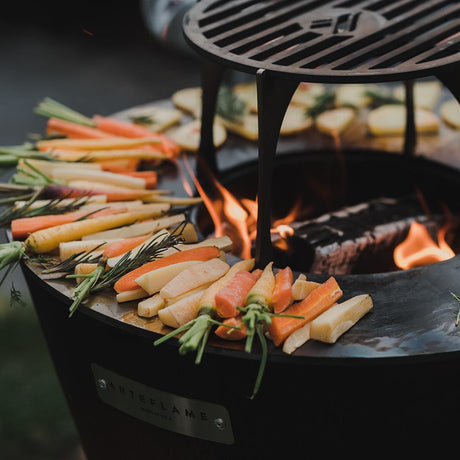

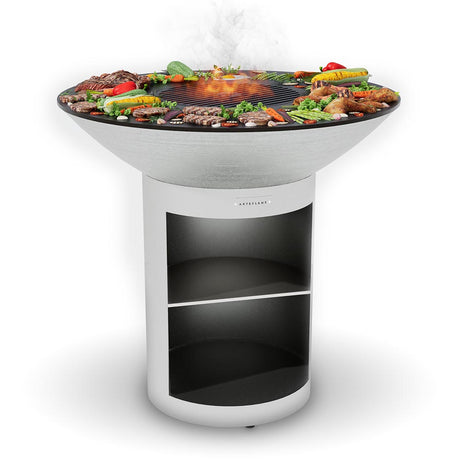
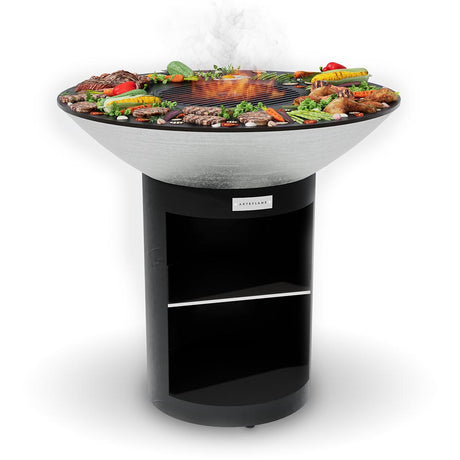


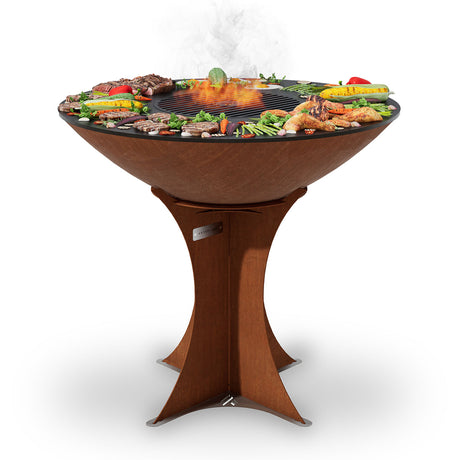
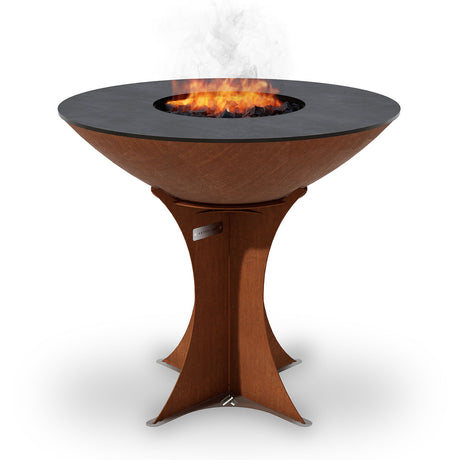


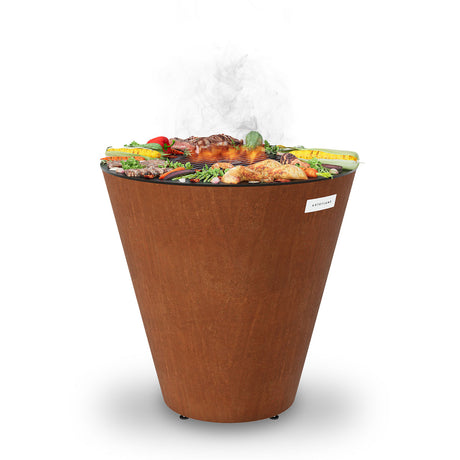
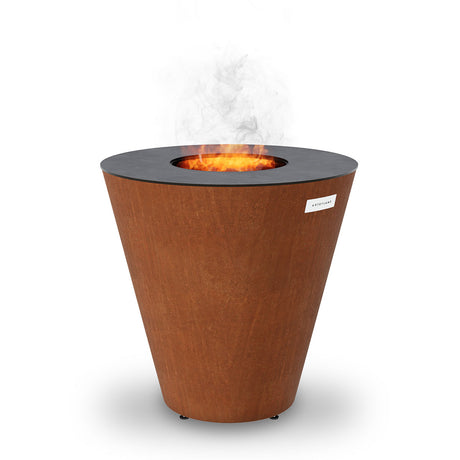
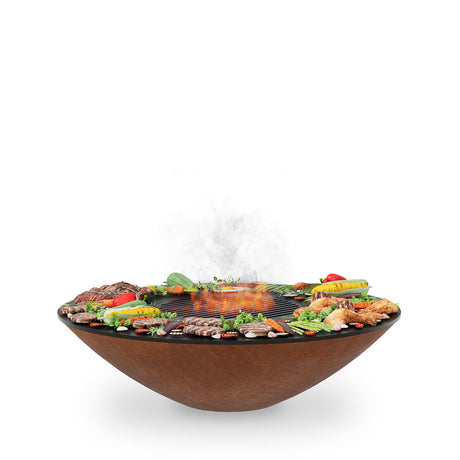


Turn yesterday's leftover macaroni into today's crispy, golden side dish with this easy wood-fired recipe.

Master this Texas-style open-fire brisket cooked entirely on the Arteflame grill. By searing on the center grate and wrapping to render on the flat top, you get perfectly tender, juicy...

Transform standard thick-cut bacon into a sweet, savory appetizer with a dark stout and brown sugar glaze, perfectly caramelized on a flat-top grill.

Render the perfect crispy skin with these Sichuan Peppercorn Duck Breasts, paired with a smoky, sweet, and spicy charred plum-poblano sauce.

Tender artichoke halves charred over high heat and smothered in rich garlic butter and Parmesan cheese.

Achieve the ultimate crust with this low-and-slow beef brisket recipe, utilizing natural heat zones for a perfect sear and incredibly tender finish.

Transform the trending crispy rice paper dumplings into a wood-fired masterpiece. Cooked on the Arteflame flat steel griddle for a shatteringly crisp crust and savory, high-protein filling.

Elevate albacore tuna with a steakhouse-style bacon wrap and a decadent green peppercorn cream sauce, grilled flawlessly on a flat-top.