
Crisp and Golden Mac and Cheese Cakes on the Grill
Turn yesterday's leftover macaroni into today's crispy, golden side dish with this easy wood-fired recipe.


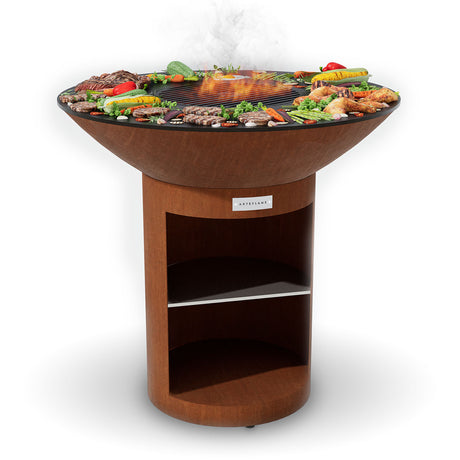
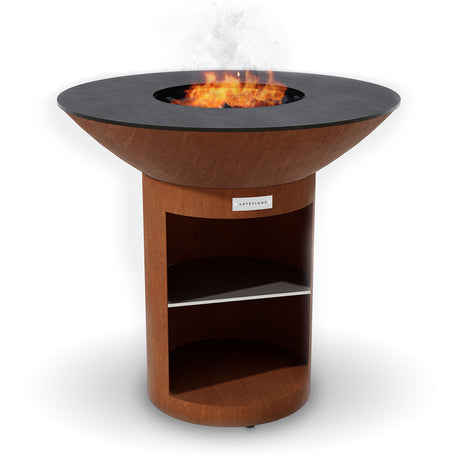
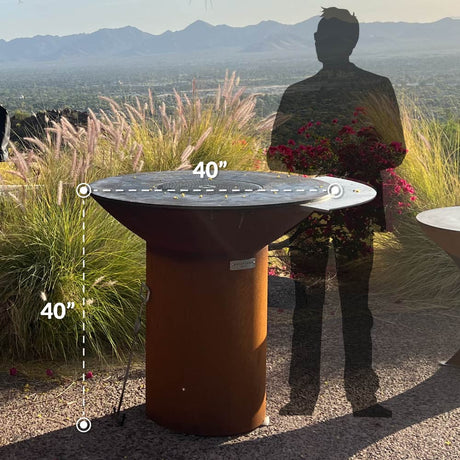
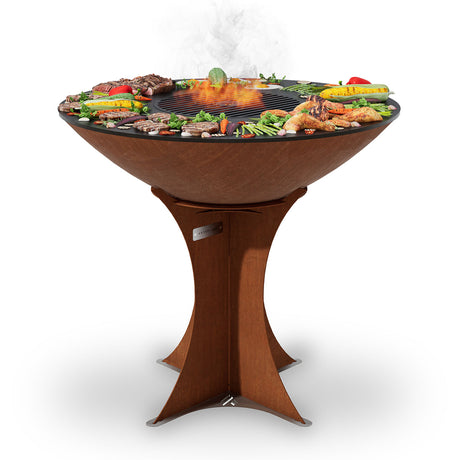
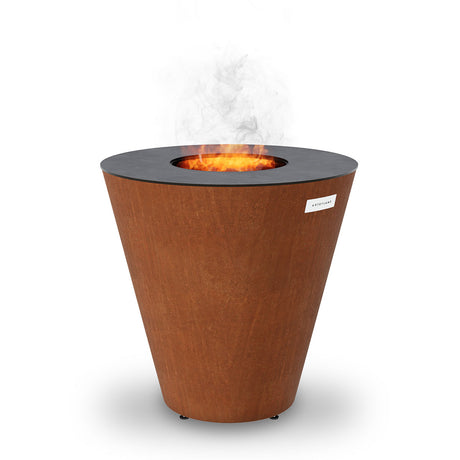
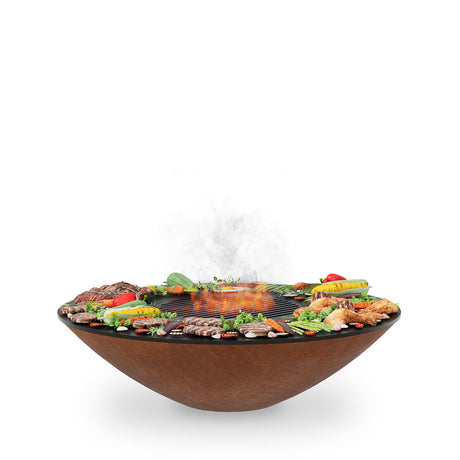
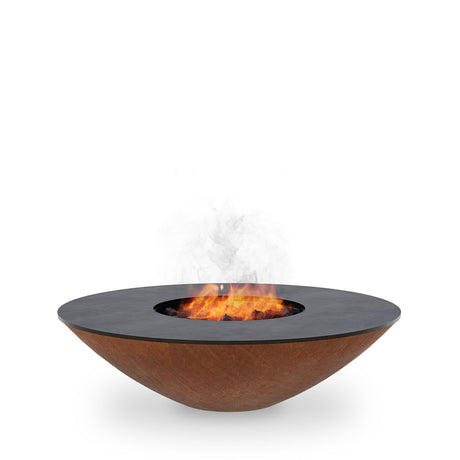
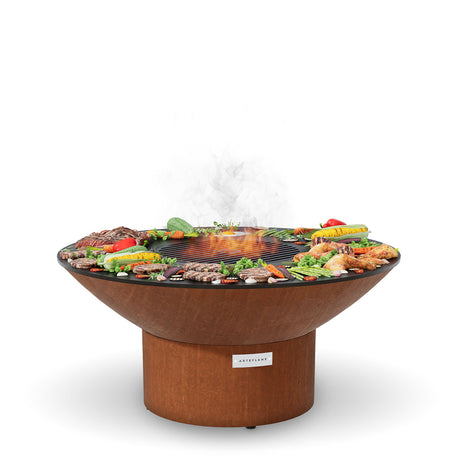
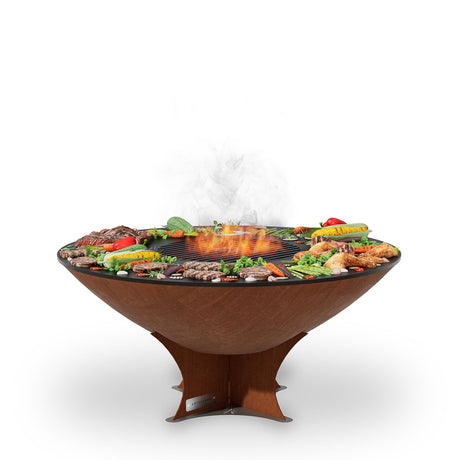
For instant heat and push-button convenience, a gas grill is the standard choice. However, if you prioritize superior flavor depth, restaurant-quality searing capabilities, and a social cooking experience, a large charcoal BBQ—specifically a flat-top fire bowl style—is the clear winner. While gas grills struggle to maintain the extreme heat required for a perfect crust, a charcoal and wood-fired grill naturally achieves high temperatures while infusing food with that distinct, smoky aroma gas simply cannot replicate.
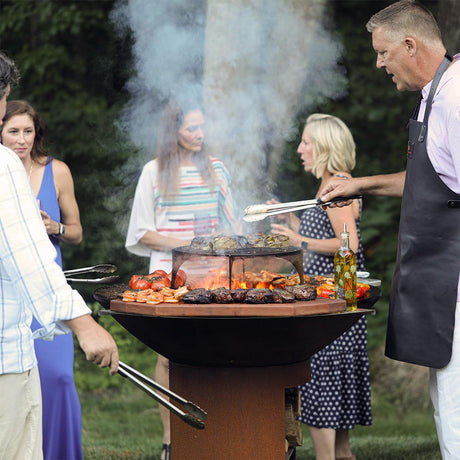
When deciding between these two grilling heavyweights, the choice often comes down to lifestyle. Do you want the fastest meal possible, or the best tasting meal possible? Use this data to compare the core differences.
| Feature | Large Charcoal BBQ (Arteflame) | Standard Gas Grill |
|---|---|---|
| Flavor Profile | Rich, smoky, authentic wood-fired taste | Neutral; relies on marinades/sauces |
| Max Temperature | 1,000°F+ (Ideal for searing) | Typically 500°F - 600°F |
| Social Experience | Centerpiece; guests can cook together | utilitarian; cook stands alone |
| Maintenance | Scrape clean (Seasoned oil finish) | Grease traps, burner replacements |
| Fuel Versatility | Charcoal or Hardwood (Lump/Briquettes) | Propane or Natural Gas only |
The primary argument for charcoal over gas is flavor science. Gas grills produce heat through a clean flame, which is convenient but flavorless. In contrast, a large charcoal BBQ uses solid fuel (lump charcoal or wood). As drippings from your steak or vegetables hit the hot coals or the plancha surface, they vaporize instantly, rising back up into the food as flavor-packed aromatic steam.
Furthermore, charcoal burns hotter. This intense heat is crucial for the Maillard reaction—the chemical process that browns food and unlocks complex savory flavors. Gas grills often struggle to sustain the temperatures needed for this reaction to occur rapidly without drying out the meat.
Pro Tip: For the ultimate flavor profile, use a "hybrid" fuel strategy. Start your fire with lump charcoal for consistent heat, then add seasoned hardwoods like hickory or oak to the center. This boosts the temperature for searing while adding a distinct smokiness that gas grills cannot achieve.
If you are chasing the perfect steakhouse sear, gas grills often fall short. Most residential gas units max out around 500°F to 600°F. While this cooks the meat, it often results in a gray, steamed exterior rather than a crisp, caramelized crust.
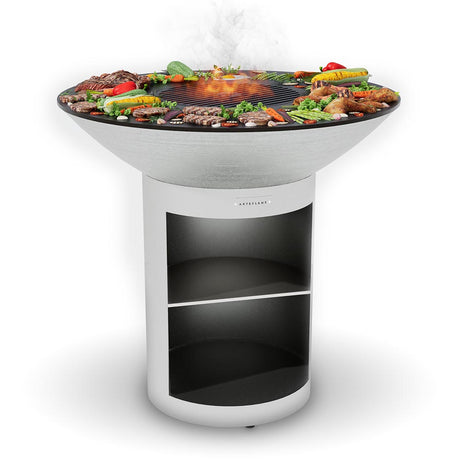
A large charcoal BBQ, particularly an Arteflame, allows for heat zoning. The center of the grill can exceed 1,000°F. This allows you to sear a steak in seconds, locking in internal juices, before moving it to the cooler outer ring to finish cooking to your desired doneness. This level of temperature control provides a textural contrast that gas grills struggle to replicate without expensive infrared add-ons.
A common misconception is that gas grills are easier to clean. While they are easier to turn on, maintaining them involves cleaning grease traps, unclogging burner ports, and replacing rusting heat tents. Grease buildup in a gas grill is also a notorious cause of dangerous flare-ups.
Conversely, a solid steel flat-top charcoal grill operates much like a cast-iron skillet. Maintenance is straightforward:
Pro Tip: Never use soap on a carbon steel cooktop. Just like a grandmother's cast iron skillet, the black residue is actually "seasoning" (polymerized oil) that protects the steel from rust and creates a natural non-stick surface. The more you cook, the better it performs.
Both methods are safe when done correctly. However, charcoal grilling on a flat-top surface (plancha) prevents fat from dripping directly onto coals and causing flare-ups, which reduces the formation of char-related compounds often associated with direct flame grilling.
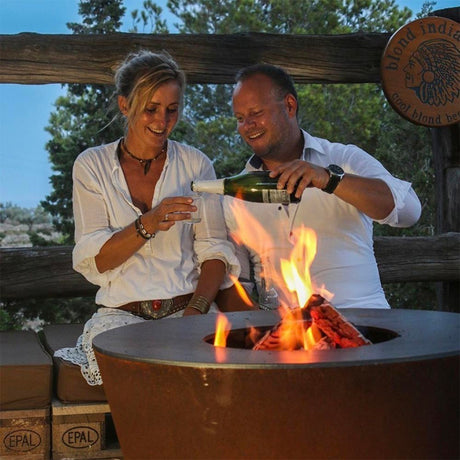
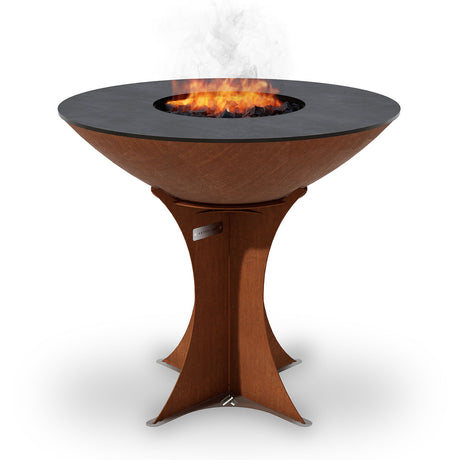
Yes, but typically only if you have a specific style of grill like the Arteflame. Traditional kettle grills are enclosed, whereas a fire bowl design serves as a grill while cooking and transitions seamlessly into a backyard fire pit for social gatherings afterward.
Generally, a charcoal grill takes 15 to 20 minutes to reach optimal cooking temperature. While this is longer than the 5 minutes required for gas, the result is a hotter, more stable heat source that retains temperature better during the cooking process.
The cost is comparable to propane depending on usage. While bags of charcoal or wood may cost slightly more per cook than piped natural gas, the efficiency of a heavy steel cooktop retains heat longer, meaning you use less fuel to keep the grill hot once it is up to temperature.
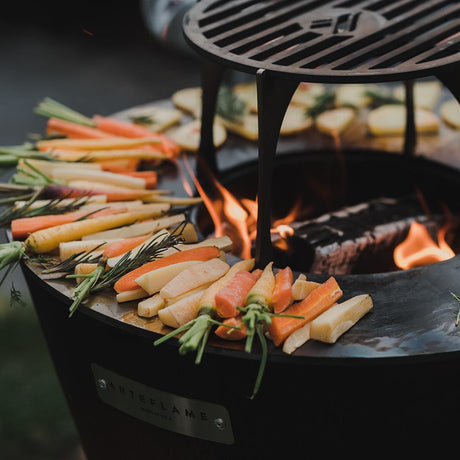






Turn yesterday's leftover macaroni into today's crispy, golden side dish with this easy wood-fired recipe.

Master this Texas-style open-fire brisket cooked entirely on the Arteflame grill. By searing on the center grate and wrapping to render on the flat top, you get perfectly tender, juicy...

Transform standard thick-cut bacon into a sweet, savory appetizer with a dark stout and brown sugar glaze, perfectly caramelized on a flat-top grill.

Render the perfect crispy skin with these Sichuan Peppercorn Duck Breasts, paired with a smoky, sweet, and spicy charred plum-poblano sauce.

Tender artichoke halves charred over high heat and smothered in rich garlic butter and Parmesan cheese.

Achieve the ultimate crust with this low-and-slow beef brisket recipe, utilizing natural heat zones for a perfect sear and incredibly tender finish.

Transform the trending crispy rice paper dumplings into a wood-fired masterpiece. Cooked on the Arteflame flat steel griddle for a shatteringly crisp crust and savory, high-protein filling.

Elevate albacore tuna with a steakhouse-style bacon wrap and a decadent green peppercorn cream sauce, grilled flawlessly on a flat-top.