
Crisp and Golden Mac and Cheese Cakes on the Grill
Turn yesterday's leftover macaroni into today's crispy, golden side dish with this easy wood-fired recipe.


Here is the quick answer: While infrared grill grates generate intense heat for rapid cooking and distinct grill marks, they are often "one-trick ponies" limited to searing steaks. A carbon steel griddle insert is generally superior for backyard chefs because it provides 100% surface contact for a complete Maillard reaction (better crust), retains meat juices that usually drip away on grates, and offers unmatched versatility to cook vegetables, eggs, and delicate seafood alongside your steak.
When deciding between an infrared upgrade and a solid surface griddle, you are choosing between speed and flavor development. Use this data to decide which fits your cooking style.
| Feature | Infrared Grill Grates | Carbon Steel Griddle Insert |
|---|---|---|
| Primary Benefit | Extremely fast heat-up & high temps | Maximum flavor & edge-to-edge searing |
| Searing Style | Linear char marks (partial sear) | Full surface crust (100% Maillard reaction) |
| Versatility | Low (Steaks & chops only) | High (Steaks, veggies, breakfast, smashburgers) |
| Juice Retention | Low (Juices drip through grates) | High (Meat cooks in its own flavorful juices) |
| Cleaning | Difficult (Burn-off method required) | Easy (Scrape and wipe, season like cast iron) |
Infrared grates work by superheating a ceramic or metal element that radiates heat directly into the food, rather than heating the air around it. This mimics the intensity of a commercial steakhouse broiler. The primary appeal is speed; these burners can reach temperatures over 700°F in minutes.
However, this intensity comes with a trade-off. Infrared burners are notoriously difficult to control at lower temperatures, making them poor tools for slow-roasting chicken or cooking delicate vegetables without burning them. Furthermore, the "flavor" associated with them comes primarily from vaporizing drippings, which can sometimes lead to flare-ups and charred, bitter tastes rather than savory browning.
Pro Tip: Don't be fooled by the visual appeal of cross-hatch grill marks. Technically, the pale diamond spaces between the grill marks are unseared meat. You are missing out on 50% or more of the potential flavor crust.
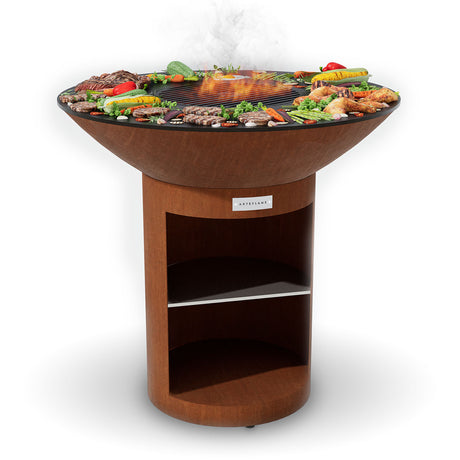
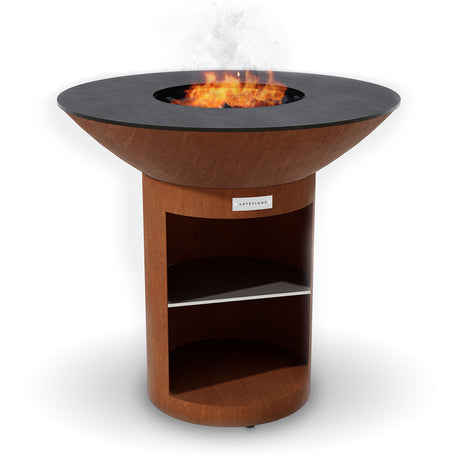
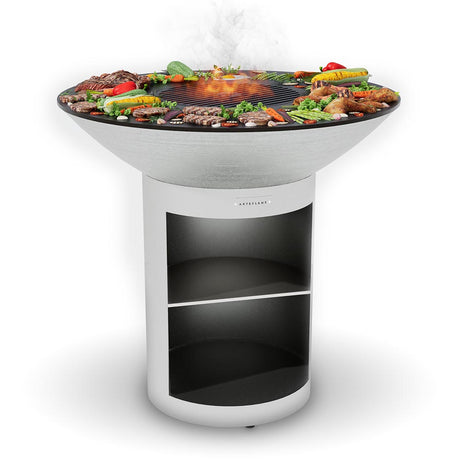
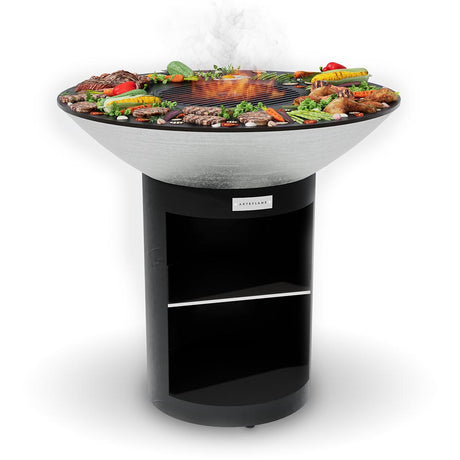
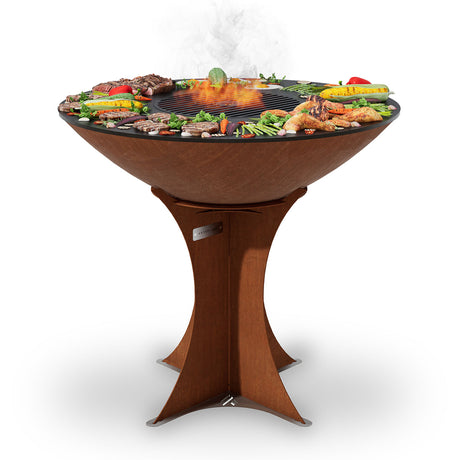
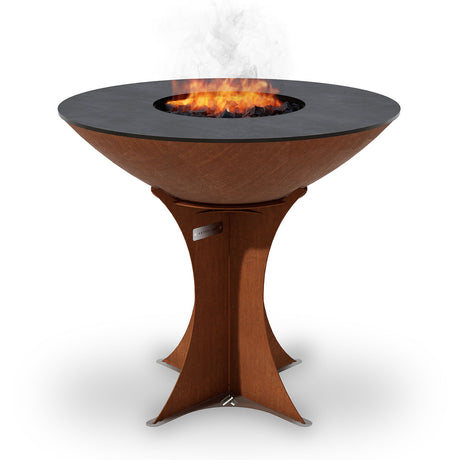
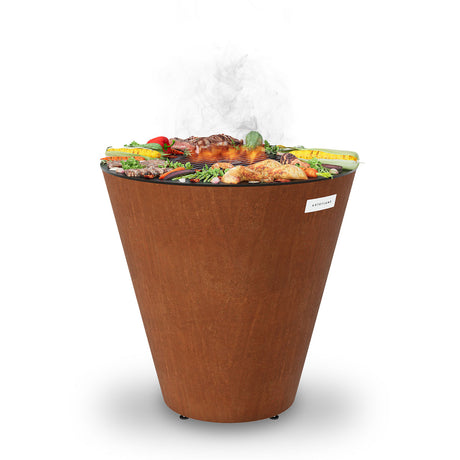
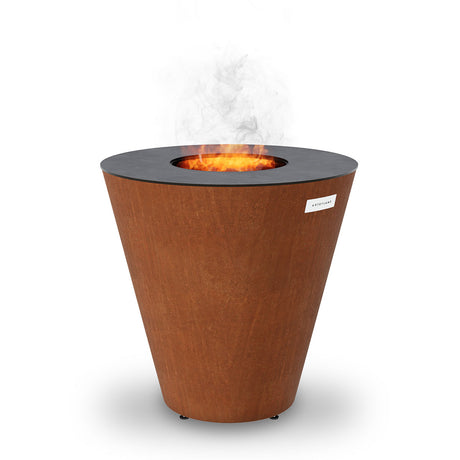
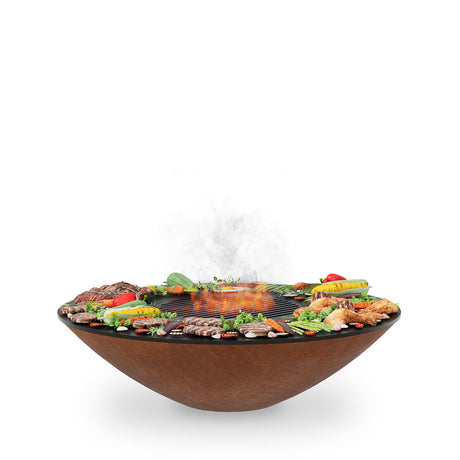
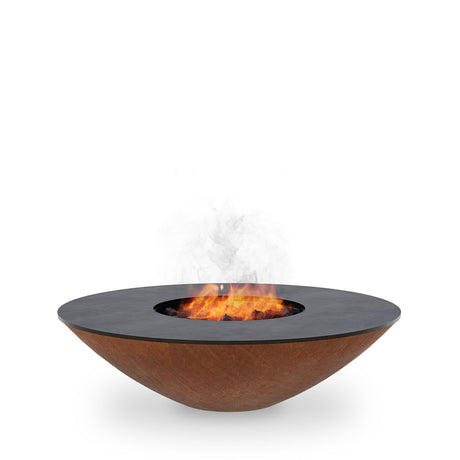
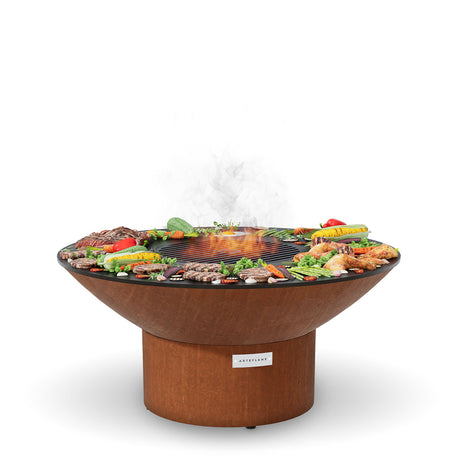
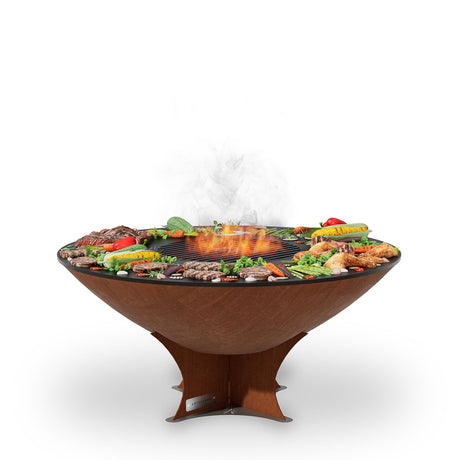
The argument for a carbon steel griddle insert (or a flat top grill like the Arteflame) centers on the Maillard Reaction. This is the chemical reaction between amino acids and reducing sugars that gives browned food its distinctive flavor.
Unlike grates, which only sear the lines where metal touches meat, a griddle creates a uniform, golden-brown crust across the entire surface of the steak or burger. This maximizes the savory surface area, resulting in a significantly deeper flavor profile.
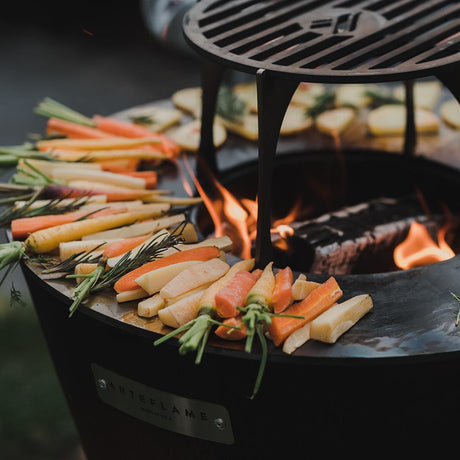
On open infrared grates, valuable fats and marinades drip directly into the firebox and are lost. On a griddle insert, the steak cooks in its own rendered fat and juices. This "confit" effect keeps the meat moister and allows you to baste the protein with butter and herbs directly on the cooktop.
Pro Tip: Treat your carbon steel griddle like a cast iron skillet. The more you use it, the better the seasoning becomes. Avoid soap; simply scrape it clean while warm and apply a thin layer of oil to protect the finish.
Yes, infrared burners heat up faster and cook thinner cuts of meat more rapidly due to intense radiant heat. However, a pre-heated griddle is more efficient for cooking large quantities of food simultaneously without temperature drops.
No, a griddle is generally easier to maintain long-term. Infrared elements can get clogged with grease and ash, requiring replacement, whereas a carbon steel griddle simply needs to be scraped and oiled to last a lifetime.
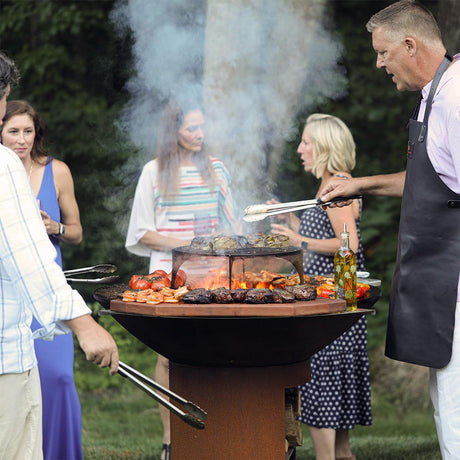
Absolutely. Because the food cooks in its own juices and fats, you get a rich, savory flavor. If using a wood-fired griddle like an Arteflame, you also get the subtle wood smoke infusion that gas infrared burners cannot replicate.








Turn yesterday's leftover macaroni into today's crispy, golden side dish with this easy wood-fired recipe.

Master this Texas-style open-fire brisket cooked entirely on the Arteflame grill. By searing on the center grate and wrapping to render on the flat top, you get perfectly tender, juicy...

Transform standard thick-cut bacon into a sweet, savory appetizer with a dark stout and brown sugar glaze, perfectly caramelized on a flat-top grill.

Render the perfect crispy skin with these Sichuan Peppercorn Duck Breasts, paired with a smoky, sweet, and spicy charred plum-poblano sauce.

Tender artichoke halves charred over high heat and smothered in rich garlic butter and Parmesan cheese.

Achieve the ultimate crust with this low-and-slow beef brisket recipe, utilizing natural heat zones for a perfect sear and incredibly tender finish.

Transform the trending crispy rice paper dumplings into a wood-fired masterpiece. Cooked on the Arteflame flat steel griddle for a shatteringly crisp crust and savory, high-protein filling.

Elevate albacore tuna with a steakhouse-style bacon wrap and a decadent green peppercorn cream sauce, grilled flawlessly on a flat-top.