
Crisp and Golden Mac and Cheese Cakes on the Grill
Turn yesterday's leftover macaroni into today's crispy, golden side dish with this easy wood-fired recipe.


To start a charcoal grill effectively without chemical aftertastes, skip the lighter fluid. The most reliable methods are using a charcoal chimney starter or the paper towel and vegetable oil technique. Both methods utilize natural airflow to ignite the coals evenly within 15 to 20 minutes, ensuring your food tastes like fire and smoke, not fuel.
Choosing the right ignition method depends on your gear and patience. Below is a quick comparison of the most popular techniques to help you decide immediately.
| Method | Chemical Free? | Speed | Effort | Best Application |
|---|---|---|---|---|
| Paper Towel + Oil | Yes | Fast (15m) | Easy | Arteflame & Kamado Grills |
| Chimney Starter | Yes | Fast (15m) | Medium | Standard Kettle Grills |
| Electric Lighter | Yes | Fastest (10m) | Low | Precision Lighting |
| Lighter Fluid | No | Fast (10m) | Low | Not Recommended |
We strongly recommend the Paper Towel method or a Chimney Starter. Avoiding lighter fluid preserves the seasoning of your grill grate and ensures no toxic fumes transfer to your meat.
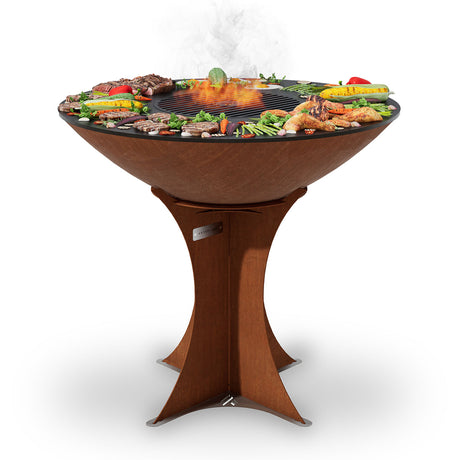
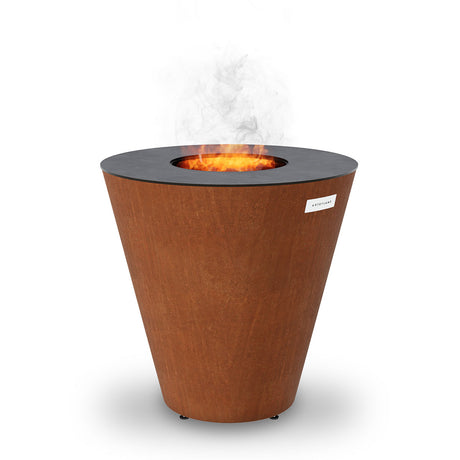
This is the preferred method for Arteflame grills and other flat-top or kamado-style cookers where a chimney starter might be cumbersome. It requires no special tools—just kitchen staples.
Arrange your lump charcoal or briquettes in a mound in the center of the grill. Create a small crater or "volcano" shape in the middle of the pile to maximize airflow.
Take two sheets of paper towel and soak them lightly in cooking oil (vegetable, canola, or olive oil). Twist them into a knot or a ball.
Pro Tip: Don't just drizzle oil on the paper; saturate it. The oil acts as a slow-burning fuel source, allowing the paper to burn like a candle wick for long enough to ignite the dense charcoal around it.
Place the oil-soaked paper towel into the center of your charcoal volcano and cover it slightly with a few coals (don't smother it completely). Light the paper towel. The heat will rise through the center, igniting the surrounding coals efficiently.
If you are using a standard kettle grill, a chimney starter is a fail-safe tool designed to use the "stack effect" to light coals rapidly.
Pro Tip: When pouring coals from a chimney, arrange them based on your cooking zone. Pile them on one side for searing (direct heat) and leave the other side empty for slow roasting (indirect heat).
Patience is vital. Cooking too early leads to acrid smoke and uneven heat. Look for these visual cues:
For high-heat searing, you are ready when the ash coverage is about 75%. For low and slow smoking, you may start sooner to manage temperatures over a longer period.
While you can, it is discouraged. Even if the visible fluid burns off, chemical residues can permeate porous ceramic grills or seasonings on flat-top griddles, subtly altering the flavor of your food.
Yes, for searing and flavor. Lump charcoal lights faster, burns hotter, and contains fewer additives than composite briquettes, making it ideal for high-heat grilling techniques.
This is almost always an airflow issue. Ensure your grill's bottom intake vents are fully open to feed oxygen to the fire, and check that old ash isn't clogging the air passages.
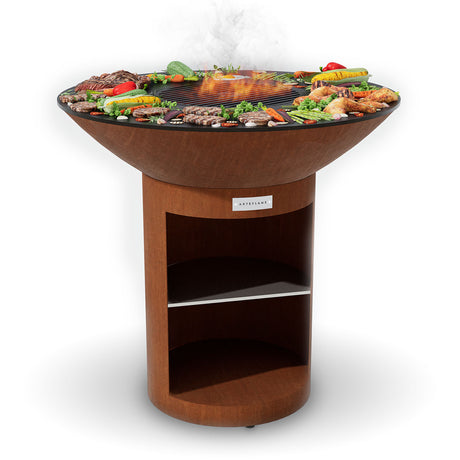
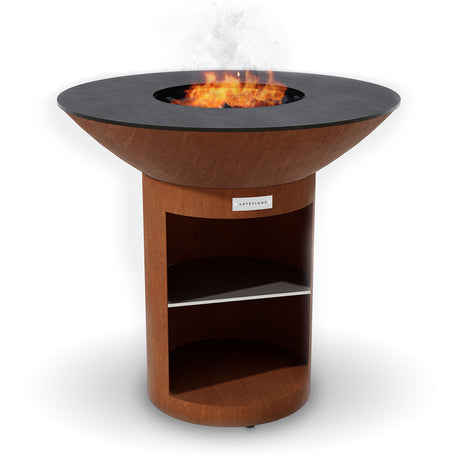
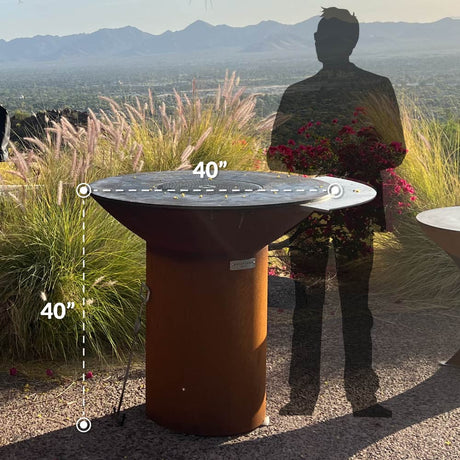
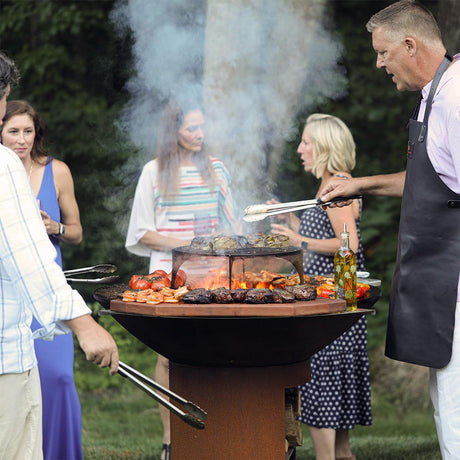
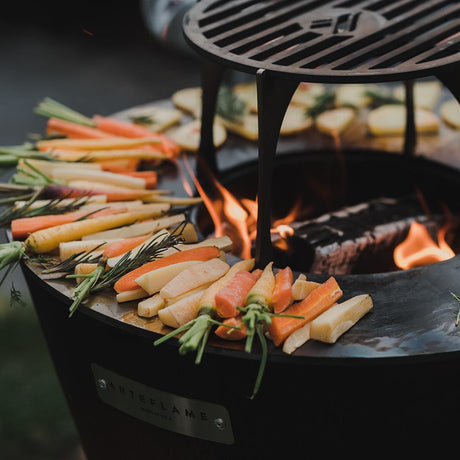
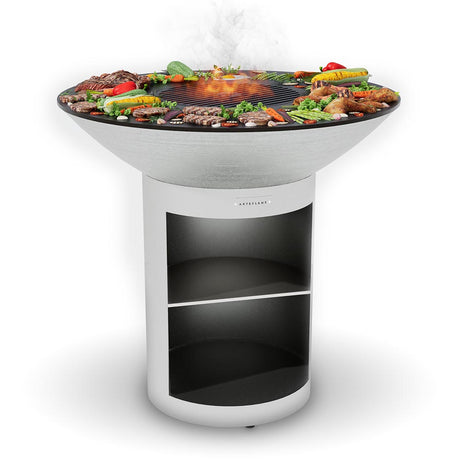
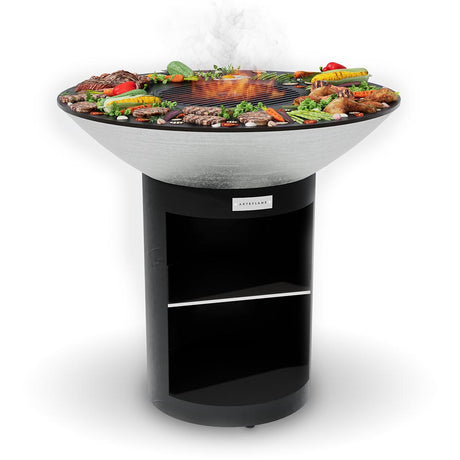






Turn yesterday's leftover macaroni into today's crispy, golden side dish with this easy wood-fired recipe.

Master this Texas-style open-fire brisket cooked entirely on the Arteflame grill. By searing on the center grate and wrapping to render on the flat top, you get perfectly tender, juicy...

Transform standard thick-cut bacon into a sweet, savory appetizer with a dark stout and brown sugar glaze, perfectly caramelized on a flat-top grill.

Render the perfect crispy skin with these Sichuan Peppercorn Duck Breasts, paired with a smoky, sweet, and spicy charred plum-poblano sauce.

Tender artichoke halves charred over high heat and smothered in rich garlic butter and Parmesan cheese.

Achieve the ultimate crust with this low-and-slow beef brisket recipe, utilizing natural heat zones for a perfect sear and incredibly tender finish.

Transform the trending crispy rice paper dumplings into a wood-fired masterpiece. Cooked on the Arteflame flat steel griddle for a shatteringly crisp crust and savory, high-protein filling.

Elevate albacore tuna with a steakhouse-style bacon wrap and a decadent green peppercorn cream sauce, grilled flawlessly on a flat-top.