
Best Grilled Vegetables: Charred & Crispy Guide | Arteflame
Learn the best veggies for grilling—plus times, temps, and pro tips—optimized for Arteflame heat zones for perfect char and flavor every time.

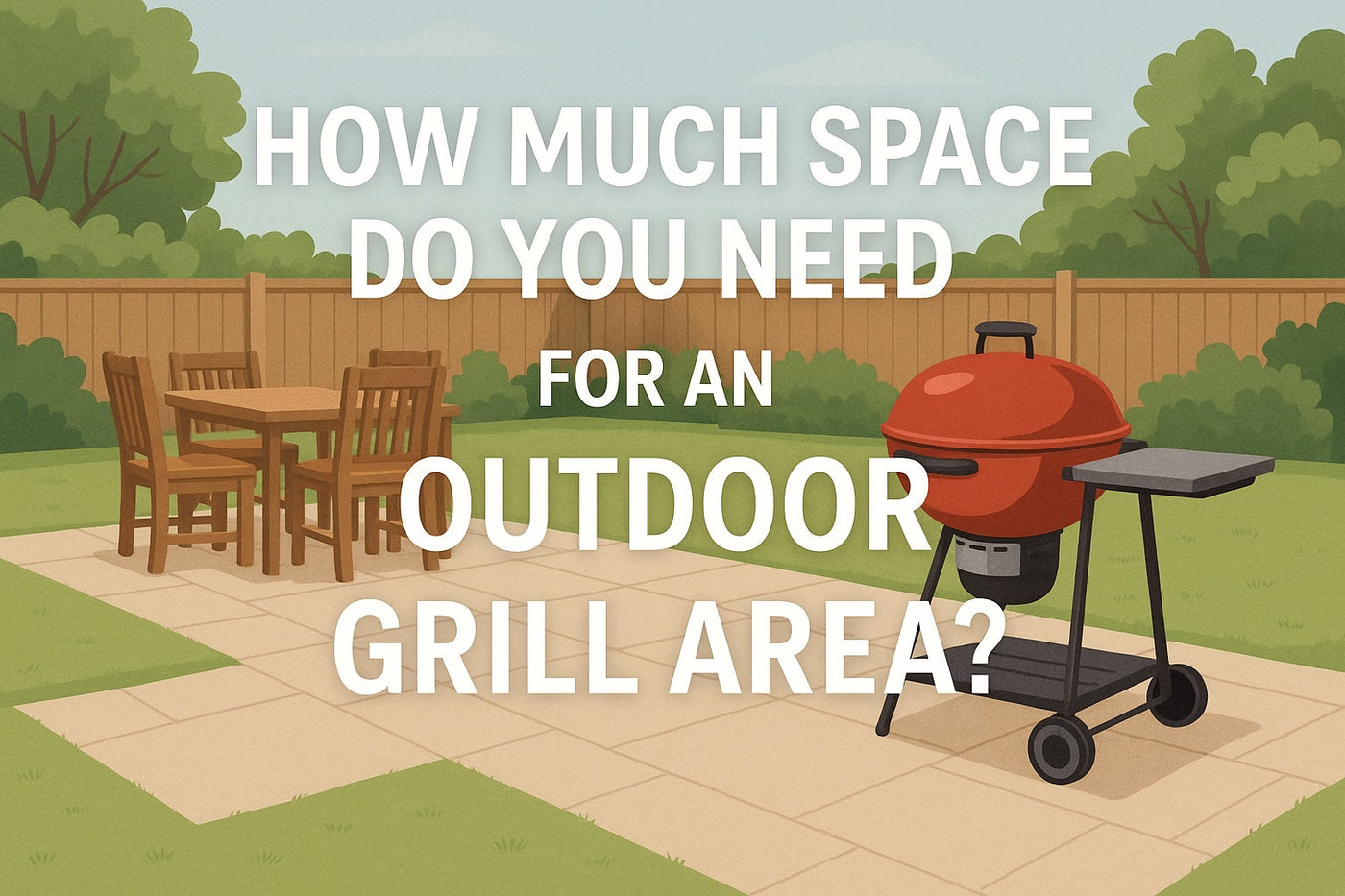
For maximum safety and functionality, most fire safety experts and the CPSC recommend placing your grill at least 10 feet away from your home, deck railings, and any overhanging structures. At a minimum, maintain a 36-inch clearance zone around the entire perimeter of the grill to allow for proper ventilation and safe movement for the chef. Always verify local fire codes and HOA bylaws, as they may enforce stricter distance requirements than the manufacturer's manual.
While some manufacturers state that 3 feet is sufficient, expert consensus suggests a 10-foot buffer is the gold standard to prevent heat damage and smoke buildup. This distance is critical for protecting combustible materials like wood fences, deck rails, and plants.
Vinyl Siding Warning: Vinyl siding is particularly vulnerable. It can warp or melt at temperatures as low as 160°F to 165°F. Even if the grill is 3 feet away, intense radiant heat or a flare-up can cause thousands of dollars in cosmetic damage.
Pro Tip: Determine the prevailing wind direction in your yard before finalizing your grill placement. Position the grill so the smoke blows away from your back door and entertaining areas, preventing smoke from entering the house or annoying guests.

Different fuel sources generate varying levels of radiant heat. Use this table to determine the specific spacing needs for your equipment.
| Grill Type | Min. Distance from Structure | Rear Clearance | Overhead Clearance | Recommended Base |
|---|---|---|---|---|
| Gas / Propane | 3 to 5 ft (10 ft recommended) | 24 - 36 inches | 9 ft minimum | Concrete / Pavers |
| Charcoal Kettle | 5 to 10 ft | 36 - 48 inches | Open Sky (No Overhang) | Grill Mat / Stone |
| Arteflame / Fire Pit | 10 to 15 ft | 48 inches | Open Sky Only | Non-combustible |
| Pellet Grill | 3 ft | 12 - 24 inches | 9 ft minimum | Concrete / Deck |
Safety dictates location, but functionality dictates layout. To ensure your outdoor cooking area doesn't feel cramped, you need to account for "circulation space" and "work zones."
Pro Tip: If you are designing a galley or U-shaped outdoor kitchen, maintain a walkway width of at least 42 to 48 inches between counters. This allows the cook to turn around comfortably while a guest walks behind them without collision.

Grilling under a covered patio requires extreme caution and usually a high-grade ventilation hood. Smoke and grease can stain ceilings, and heat accumulation poses a fire risk.

The standard height for outdoor kitchen countertops is 36 inches, matching indoor kitchen standards. However, if you are incorporating a raised bar for seating, the bar height should be 42 inches.
No, you should never place a grill directly against a wooden fence. Maintain a minimum of 36 inches of clearance (preferably 10 feet) to prevent the wood from drying out, charring, or catching fire from radiant heat.
Yes, most municipalities require a permit if you are running gas, electricity, or plumbing lines. Simple standalone grill setups usually do not require a permit, but always check with your local building department.
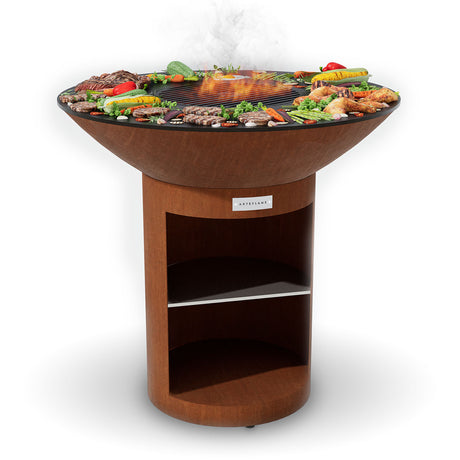
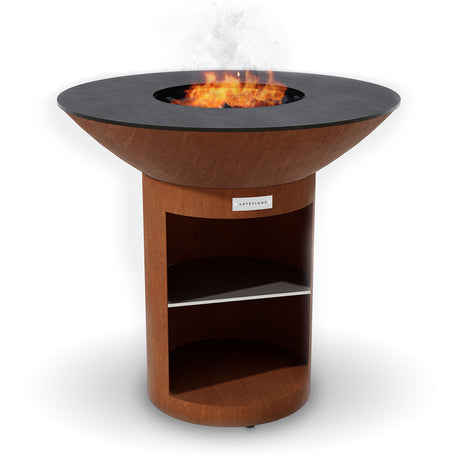
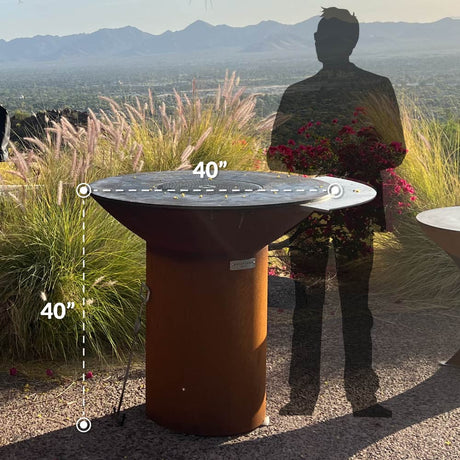
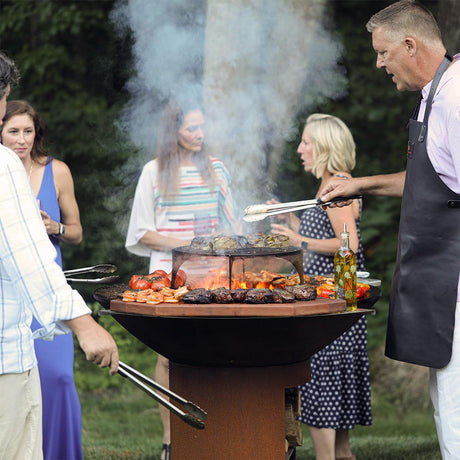
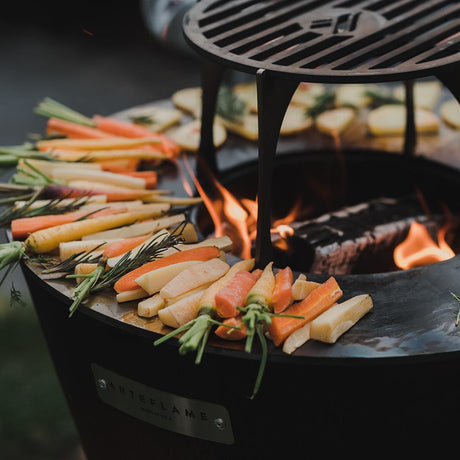
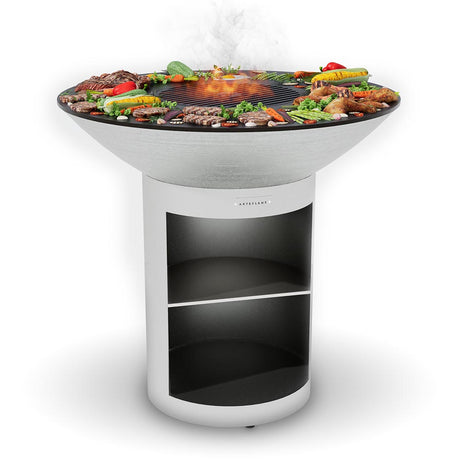
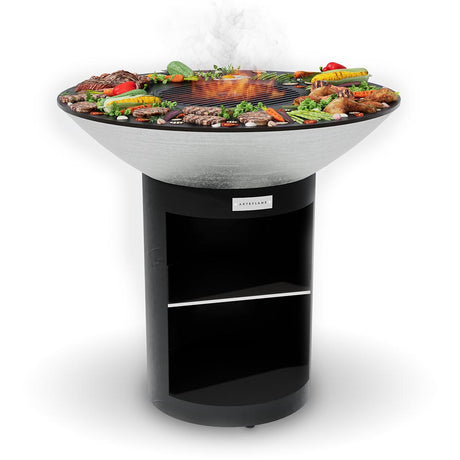
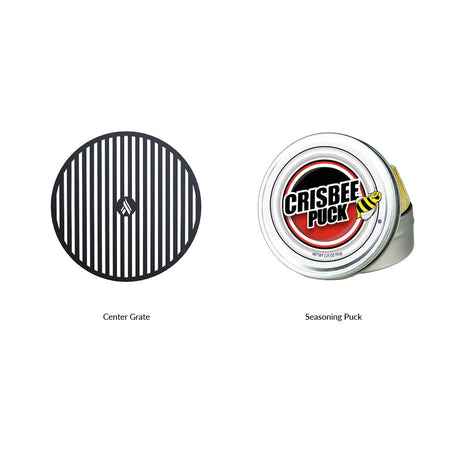
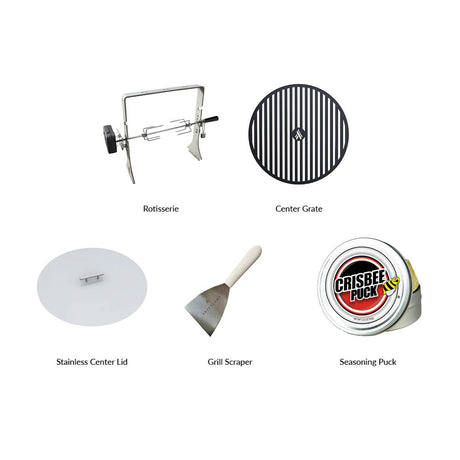

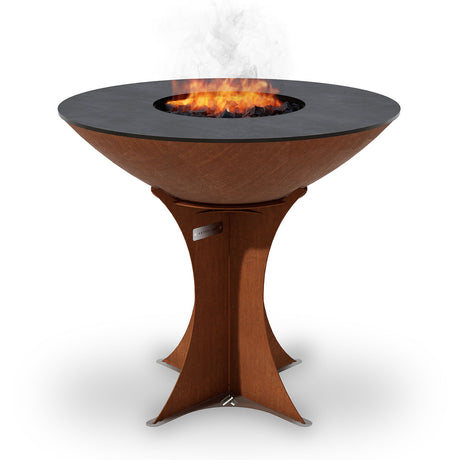
Arteflame Classic 40″ — Storage Base Flat-Top Grill & Fire Bowl (CORTEN Steel)
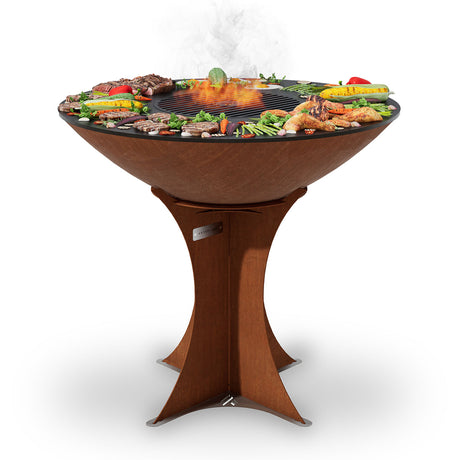


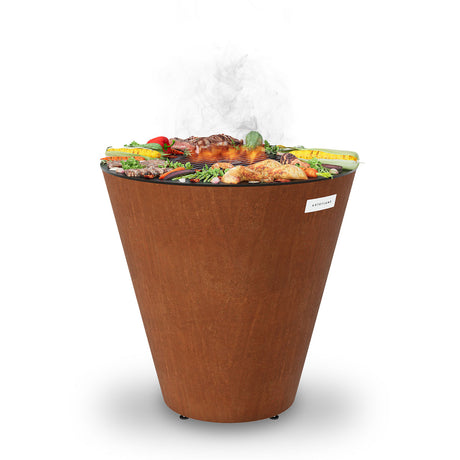
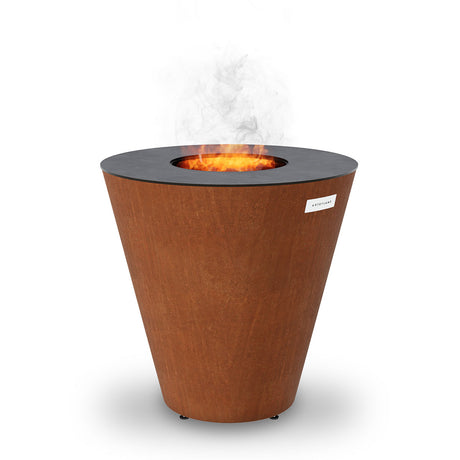
Arteflame ONE30 — 30″ One Series Flat-Top Charcoal Grill & Fire Bowl (Single-Piece CORTEN Steel)
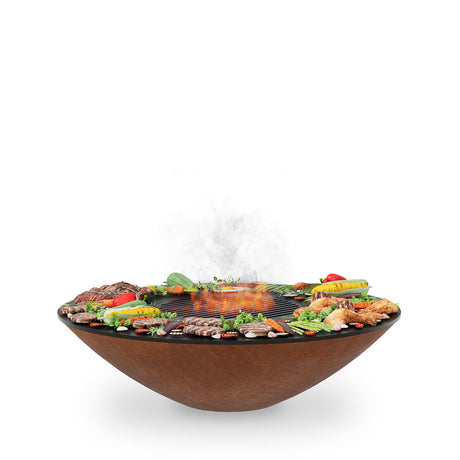
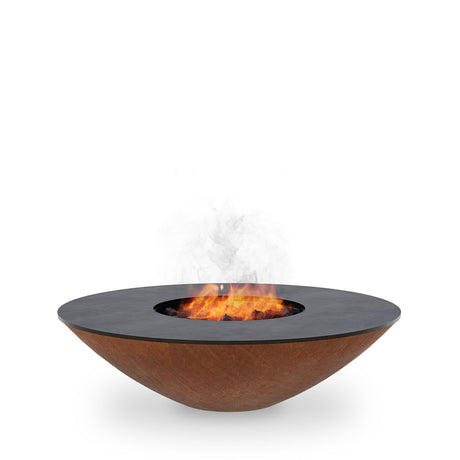
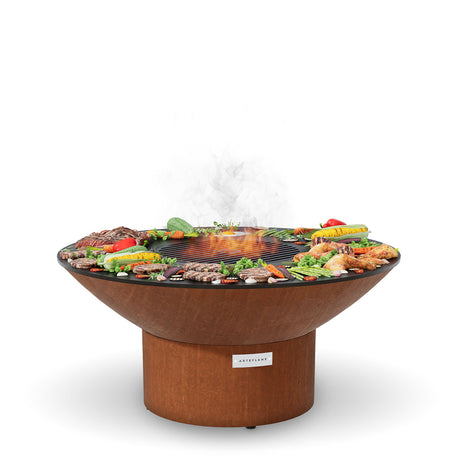
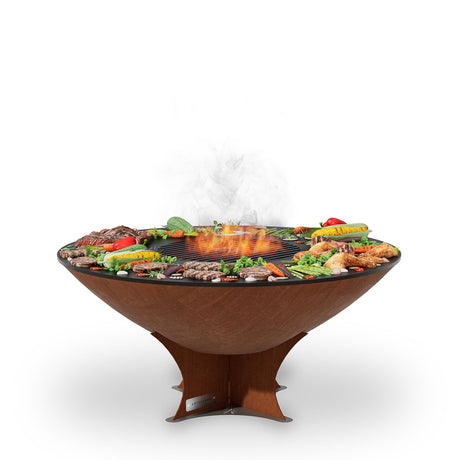


Learn the best veggies for grilling—plus times, temps, and pro tips—optimized for Arteflame heat zones for perfect char and flavor every time.

Transform classic apple pie into a handheld delight with these Wyoming Apple Cinnamon Grilled Dessert Wraps. perfectly crispy, caramelized, and cooked on the Arteflame grill for a smoky finish.

Experience the rustic taste of the West with this Wyoming Campfire Blueberry Cobbler recipe for the Arteflame grill. Featuring bubbling blueberries and a golden biscuit crust cooked in cast iron,...

Experience the rugged flavor of the American West with these Wyoming Wild Boar Chops. Seared to perfection on the Arteflame grill, this recipe uses a savory juniper and sage rub...

Elevate your BBQ with these Wyoming-style grilled carrots. Sweet honey, tangy balsamic, and a perfect char make this the ultimate side dish for your Arteflame grill. Easy, healthy, and packed...

Unleash the flavor of the American West with these tender Wyoming Teriyaki Bison Skewers. Featuring a homemade savory-sweet glaze and perfectly charred vegetables, this recipe maximizes the searing power of...

Unlock the savory flavors of the West with this Wyoming-style garlic parmesan grilled mushrooms recipe. Perfectly seared on the Arteflame flat top, these buttery, cheesy mushrooms make the ultimate side...

Unlock the bold flavors of the West with this Wyoming-style grilled jalapeño cheddar sausage recipe. Learn how to achieve the perfect sear and juicy interior using your Arteflame grill for...