
Crisp and Golden Mac and Cheese Cakes on the Grill
Turn yesterday's leftover macaroni into today's crispy, golden side dish with this easy wood-fired recipe.


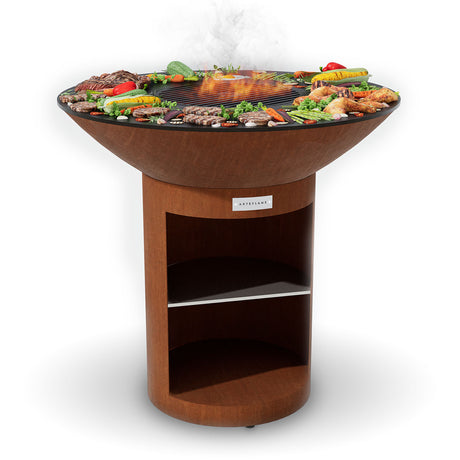
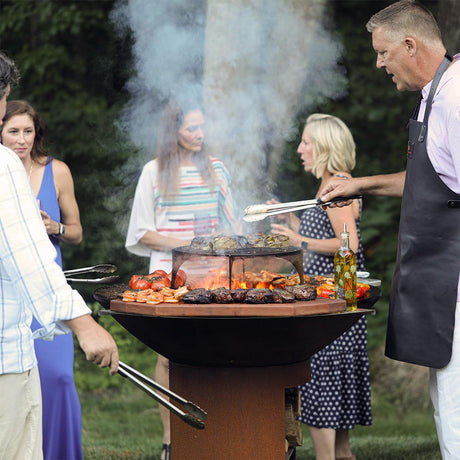
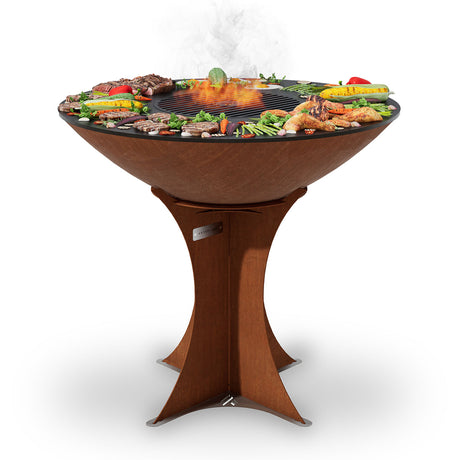
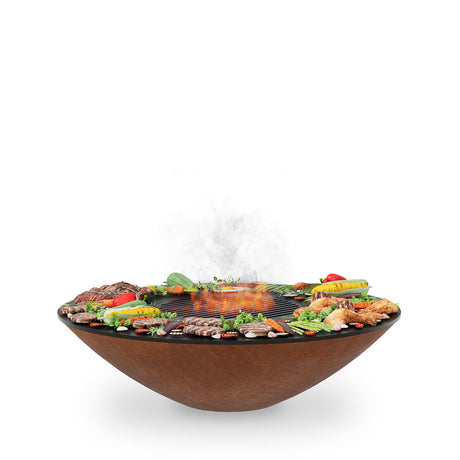
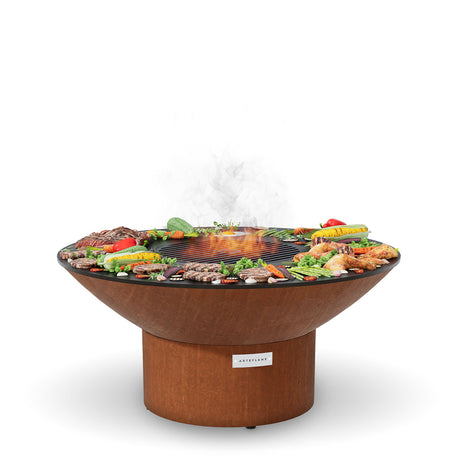
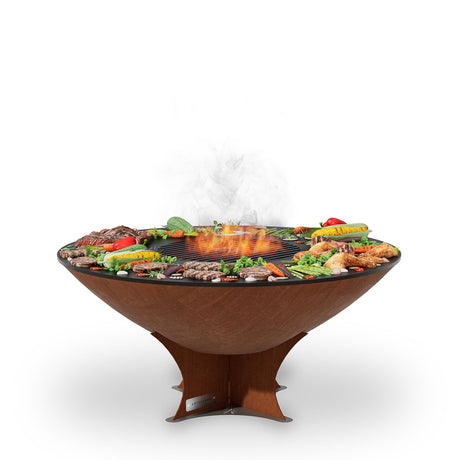
A half griddle, half grill configuration transforms your outdoor cooking by offering two distinct heat zones and surface types simultaneously. It allows you to achieve a smoky, open-flame char on steaks using the center grate while simultaneously sautéing delicate vegetables, eggs, or seafood on the solid flat-top plancha. This hybrid setup maximizes fuel efficiency, diversifies flavor profiles, and eliminates the limitations of using a single-surface cooker.
The core problem with traditional barbecues is the limitation of surface area. Slatted grates are excellent for sear marks but terrible for vegetables, bacon, or smash burgers that drip grease and cause flare-ups. Conversely, a dedicated griddle lacks the ability to provide that distinct flame-kissed flavor.
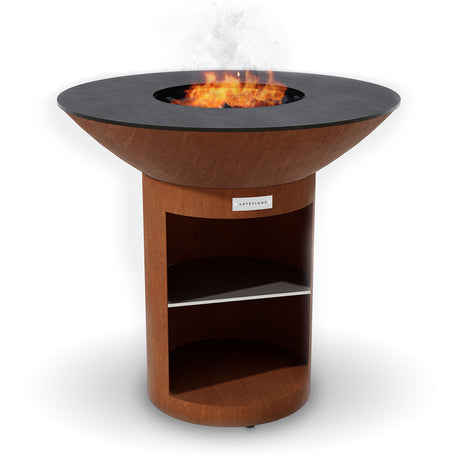
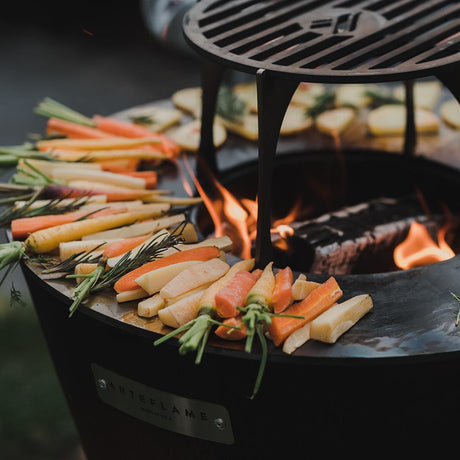
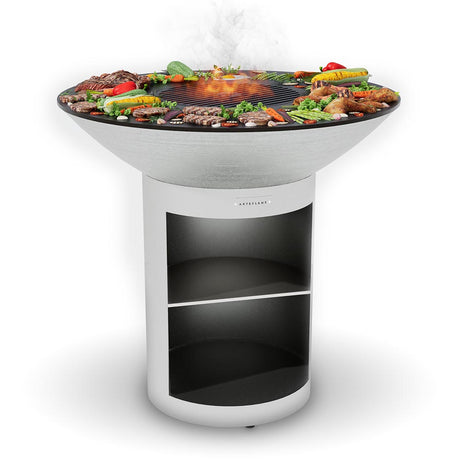
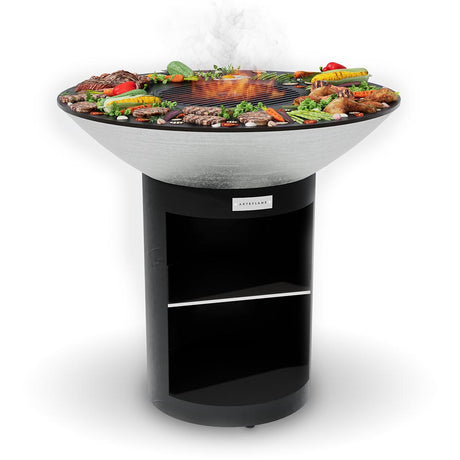
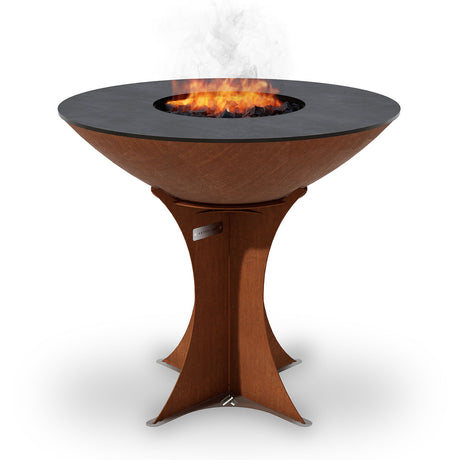
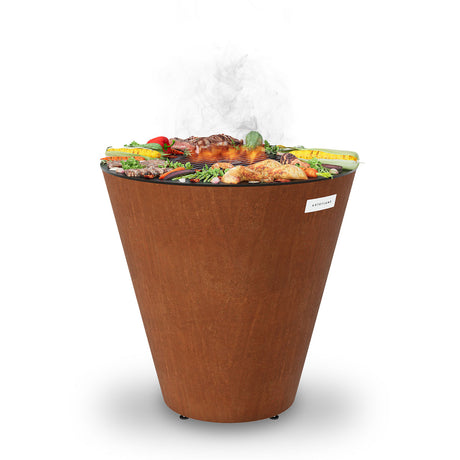
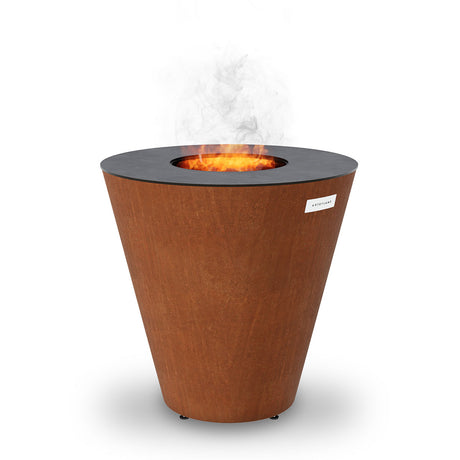
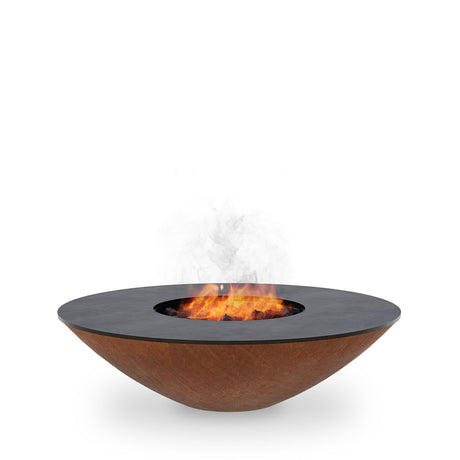
The Arteflame Advantage: This grill is engineered to solve this dilemma naturally. The solid carbon steel cooktop acts as a circular plancha, while the center opening accommodates a grill grate. This design creates a seamless workflow where you can sear, sauté, and roast all at once without switching equipment.
Understanding the strengths of each surface helps you utilize your grill to its full potential. See the breakdown below.
| Feature | Open Grill Grate | Flat Top Griddle (Plancha) | Hybrid (Arteflame) |
|---|---|---|---|
| Heat Source | Direct Flame Contact | Conduction Heat | Dual Zones (Direct & Conduction) |
| Best For | Steaks, Chops, Kebabs | Eggs, Pancakes, Stir-fry | Complete Meals (Breakfast to Dinner) |
| Flavor Profile | Smoky, Charred | Savory, Crusty (Maillard) | Complex Layering of Both |
| Grease Management | Drips causing flare-ups | Pools on surface | Drains naturally into fire |
The "half and half" setup isn't just about logistics; it is about flavor chemistry. When you cook on the solid griddle surface (the plancha), you are maximizing surface contact. This results in a comprehensive Maillard reaction—that golden-brown crust responsible for the savory depth in smash burgers and seared scallops.
In contrast, the grill grate exposes food directly to the fire and smoke. Drippings hit the coals or wood below, vaporize, and rise back up to infuse the meat with a distinct smokiness that a flat top simply cannot replicate.
Pro Tip: The Reverse Sear Technique
For the perfect thick-cut steak, start by smoking the meat gently on the cooler outer edge of the flat top griddle until the internal temperature rises. Then, move it immediately to the center grill grate for a high-heat, flame-kissed finish. This utilizes both heat zones for steakhouse-quality results.
Utilizing a hybrid grill allows you to cook a complete meal without running back to the indoor kitchen. Here is how to divide your ingredients for maximum efficiency.
Pro Tip: Temperature Management
On an Arteflame, the flat top griddle gets hotter the closer you are to the center. Use the inner ring for high-heat searing and the outer edge for keeping food warm or slow-cooking delicate items.
Not at all. On a unit like the Arteflame, the maintenance is uniform. Both the grate and the carbon steel griddle are cleaned and seasoned similarly—usually with oil and heat—making the hybrid setup easier to maintain than two separate appliances.
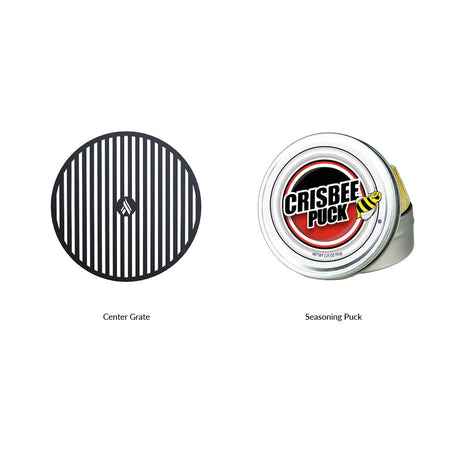
Yes. Removing the center grate allows you to use the unit as a fire pit or to insert a wok stand. This flexibility is a key benefit of the half griddle, half grill design, allowing for open-fire ambiance after the cooking is done.
Food cooked on the griddle side will have a subtle smoky aroma due to the proximity of the burning wood, but it will not have the heavy char associated with the grate. This offers a perfect balance for ingredients that absorb smoke well, like salmon or vegetables.







Turn yesterday's leftover macaroni into today's crispy, golden side dish with this easy wood-fired recipe.

Master this Texas-style open-fire brisket cooked entirely on the Arteflame grill. By searing on the center grate and wrapping to render on the flat top, you get perfectly tender, juicy...

Transform standard thick-cut bacon into a sweet, savory appetizer with a dark stout and brown sugar glaze, perfectly caramelized on a flat-top grill.

Render the perfect crispy skin with these Sichuan Peppercorn Duck Breasts, paired with a smoky, sweet, and spicy charred plum-poblano sauce.

Tender artichoke halves charred over high heat and smothered in rich garlic butter and Parmesan cheese.

Achieve the ultimate crust with this low-and-slow beef brisket recipe, utilizing natural heat zones for a perfect sear and incredibly tender finish.

Transform the trending crispy rice paper dumplings into a wood-fired masterpiece. Cooked on the Arteflame flat steel griddle for a shatteringly crisp crust and savory, high-protein filling.

Elevate albacore tuna with a steakhouse-style bacon wrap and a decadent green peppercorn cream sauce, grilled flawlessly on a flat-top.