
Crisp and Golden Mac and Cheese Cakes on the Grill
Turn yesterday's leftover macaroni into today's crispy, golden side dish with this easy wood-fired recipe.


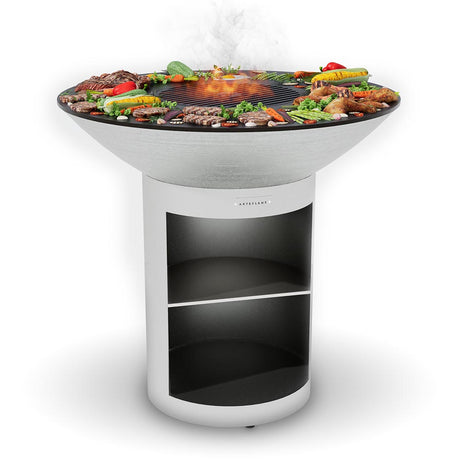
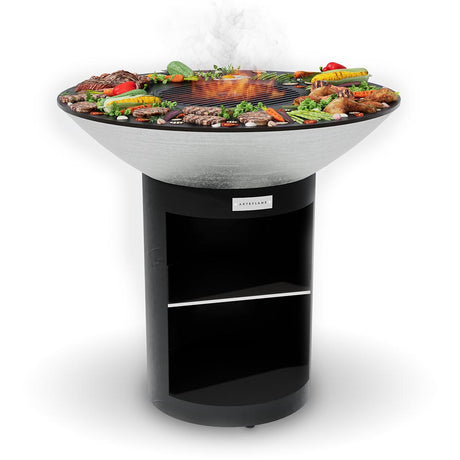
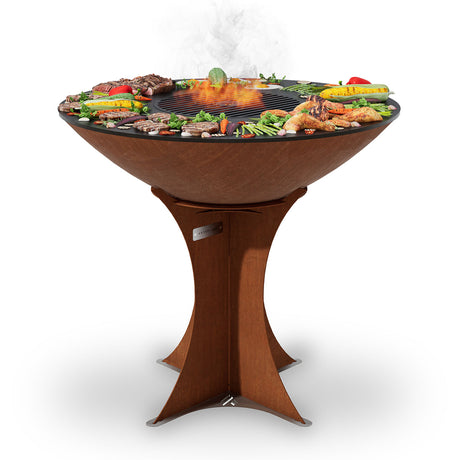
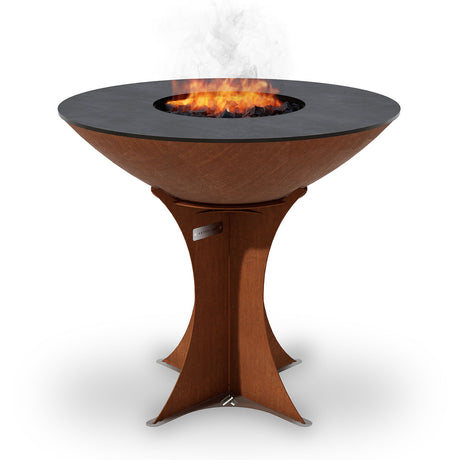
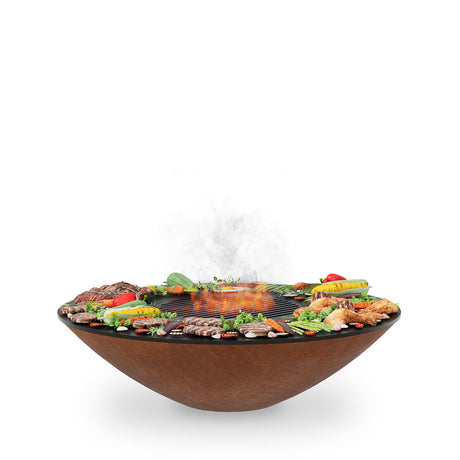
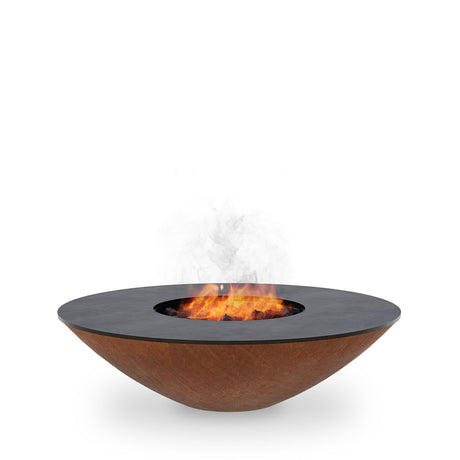
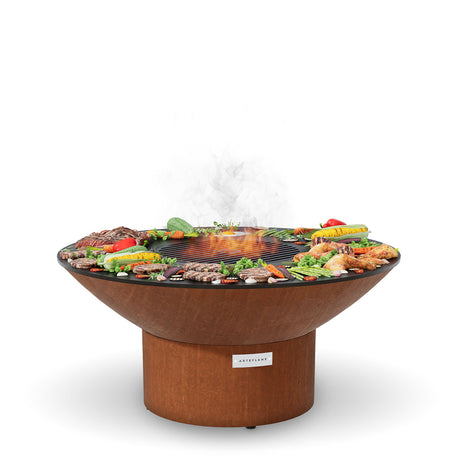
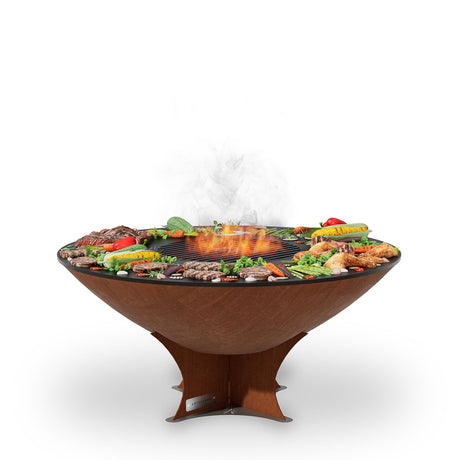
Solid grill plates (planchas) generally outperform traditional open grates for overall flavor development and versatility. While grates create distinct char marks, solid plates provide 100% food-to-surface contact. This maximizes the Maillard reaction—the chemical process responsible for deep, savory browning—resulting in steakhouse-quality searing rather than just burnt lines. For the best experience, a hybrid system like the Arteflame offers a solid carbon steel cooktop for searing and a center grate for open-fire cooking.
Use this comparison to decide which surface suits your cooking style.
| Feature | Solid Grill Plate (Plancha) | Traditional Open Grates |
|---|---|---|
| Searing Quality | Excellent (Full crust formation) | Good (Stripes/Char marks only) |
| Flavor Profile | Deep, savory (Maillard Reaction) | Smoky, flame-kissed |
| Food Versatility | High (Eggs, veg, seafood, steak) | Low (Large meats only) |
| Juice Retention | High (Cooks in own juices) | Low (Juices drip away) |
| Flare-Ups | None (Solid barrier) | Frequent (Fat drips on coals) |
Many grillers mistakenly believe that diamond-pattern grill marks are the holy grail of steak. In reality, grill marks represent the only points where the meat contacted the heat source. The pale meat between the marks is essentially steamed, lacking the savory depth of browned meat.
A solid grill plate, specifically one made of heavy-gauge carbon steel, allows for searing across the entire surface of the meat. This global browning is the Maillard reaction in full effect. It translates to a richer, more complex flavor profile compared to the localized burning of grill grates.
Pro Tip: When using a solid cooktop, apply a thin layer of high-smoke-point oil (like avocado or grapeseed oil) directly to the grill plate, not just the food. This creates a non-stick patina and ensures an immediate, aggressive sear.
Traditional grates are limited by gravity. If the food is smaller than the gap in the grate, it falls into the fire. This limits you to large cuts of meat, skewers, or requiring extra accessories like grill baskets.
A solid grill plate transforms your grill into an outdoor kitchen. Because there are no gaps, you can cook liquid batters, small vegetables, and delicate seafood simultaneously with your steaks.
One of the biggest downsides of open grates is the flare-up. When fat renders off meat and hits the heat source, it ignites. While a little smoke is good, engulfing food in yellow flames deposits soot and acrid flavors.
Solid grill plates prevent fat from dripping directly onto the fire. This eliminates uncontrolled flare-ups and prevents the formation of heterocyclic amines (HCAs) and polycyclic aromatic hydrocarbons (PAHs)—compounds often linked to grilling charred meat over open flames. You get the wood-fired flavor from the smoke circulating around the plate without the charred bitterness.
Pro Tip: On an Arteflame, the solid cooktop has different heat zones. Sear your meat hot near the center, then slide it to the cooler outer edge to finish cooking internally without burning the crust.
Yes. Grill plates produce a savory, crusted flavor due to the all-over Maillard reaction, whereas grill grates produce a more distinct "charred" or bitter flavor where the metal touches the food, often mixed with smoke from dripping fat.
Absolutely. If you are cooking on a wood-fired flat top like an Arteflame, the smoke from the center fire circulates over the solid cooktop, infusing the food with wood flavor without the need for direct flame contact.
Generally, no. Solid carbon steel plates can be scraped clean with a spatula and water while hot, similar to a cast-iron skillet. Grates often require wire brushes and deep scrubbing to remove food stuck between the bars.
Carbon steel is widely considered the best material. It conducts heat faster than cast iron, is lighter, and becomes virtually non-stick once properly seasoned with oil and heat.
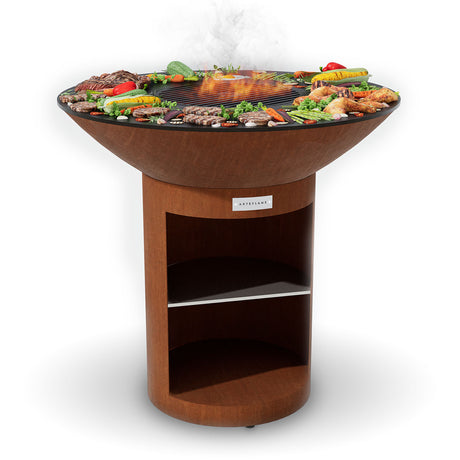
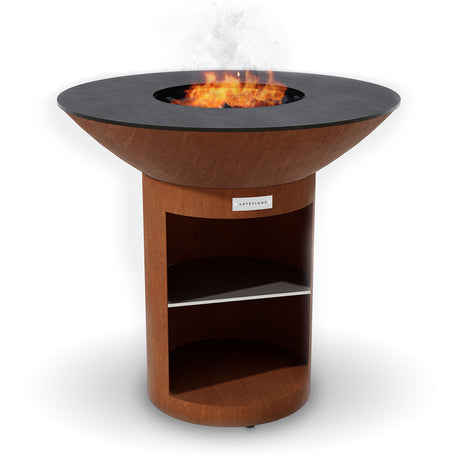

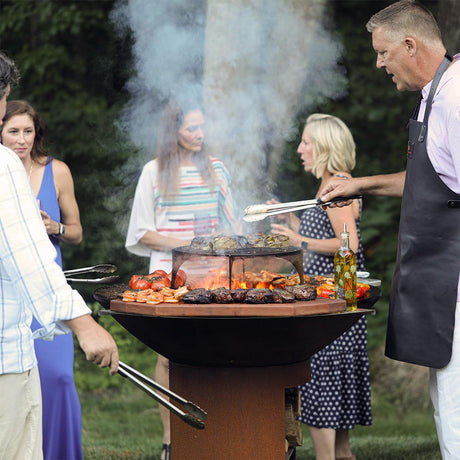
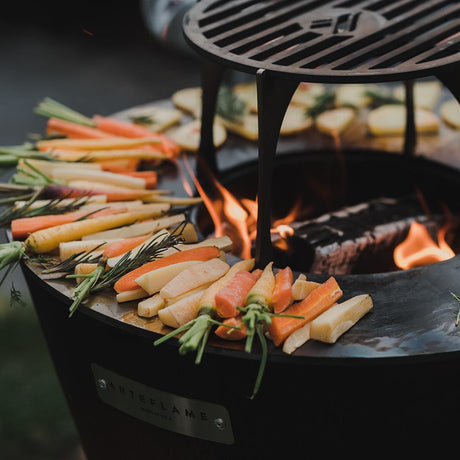







Turn yesterday's leftover macaroni into today's crispy, golden side dish with this easy wood-fired recipe.

Master this Texas-style open-fire brisket cooked entirely on the Arteflame grill. By searing on the center grate and wrapping to render on the flat top, you get perfectly tender, juicy...

Transform standard thick-cut bacon into a sweet, savory appetizer with a dark stout and brown sugar glaze, perfectly caramelized on a flat-top grill.

Render the perfect crispy skin with these Sichuan Peppercorn Duck Breasts, paired with a smoky, sweet, and spicy charred plum-poblano sauce.

Tender artichoke halves charred over high heat and smothered in rich garlic butter and Parmesan cheese.

Achieve the ultimate crust with this low-and-slow beef brisket recipe, utilizing natural heat zones for a perfect sear and incredibly tender finish.

Transform the trending crispy rice paper dumplings into a wood-fired masterpiece. Cooked on the Arteflame flat steel griddle for a shatteringly crisp crust and savory, high-protein filling.

Elevate albacore tuna with a steakhouse-style bacon wrap and a decadent green peppercorn cream sauce, grilled flawlessly on a flat-top.