
Crisp and Golden Mac and Cheese Cakes on the Grill
Turn yesterday's leftover macaroni into today's crispy, golden side dish with this easy wood-fired recipe.


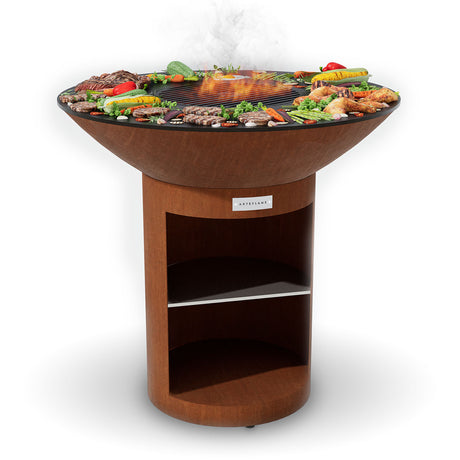
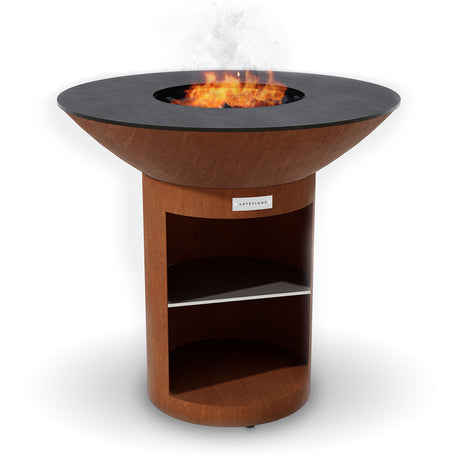
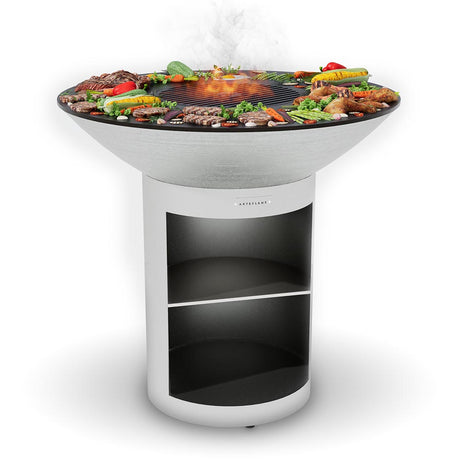
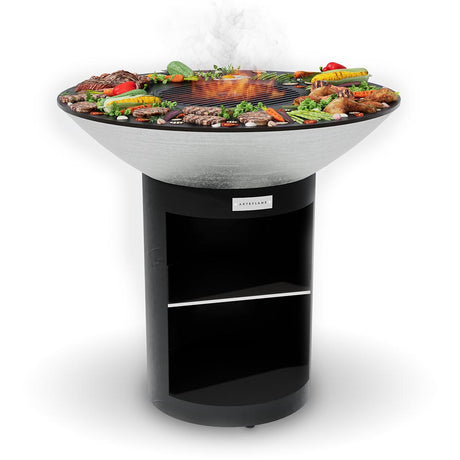
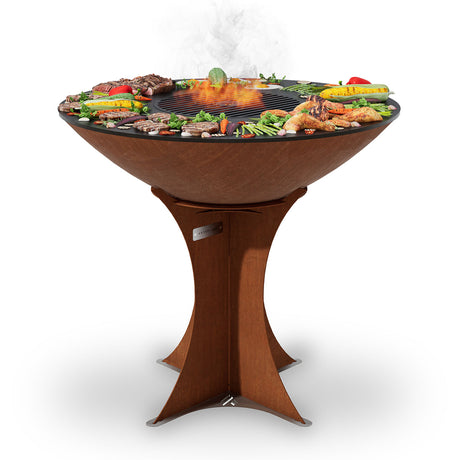
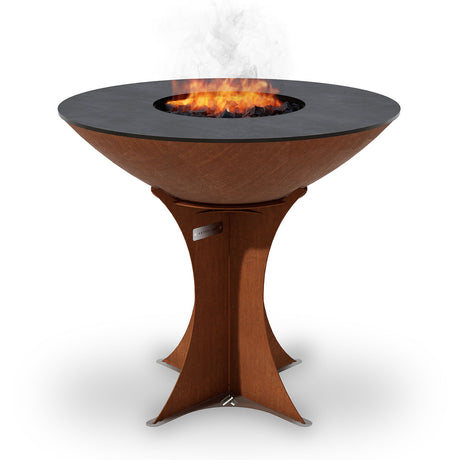
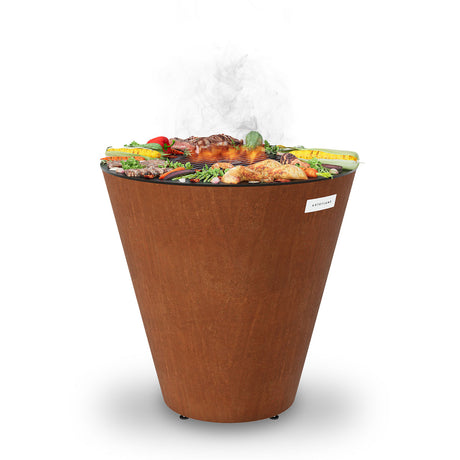
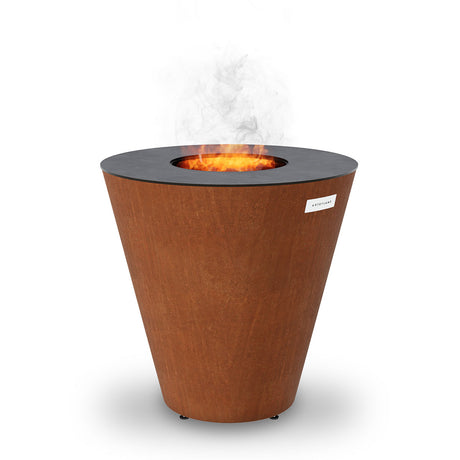
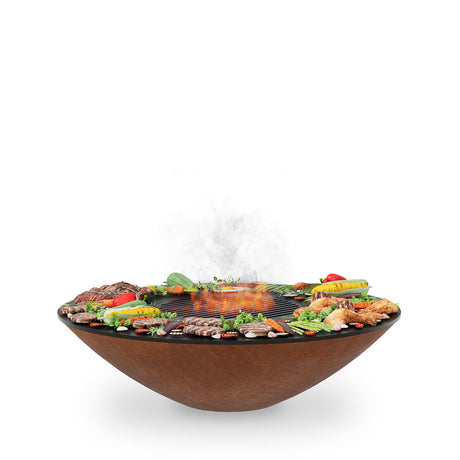
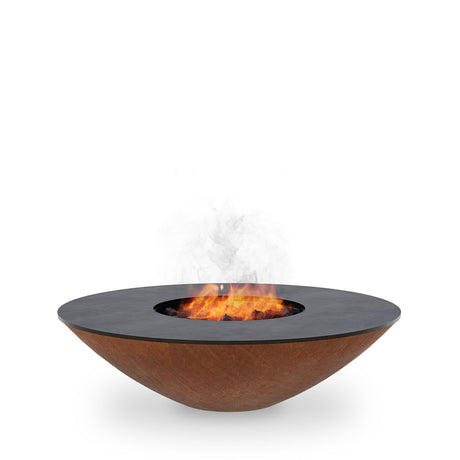
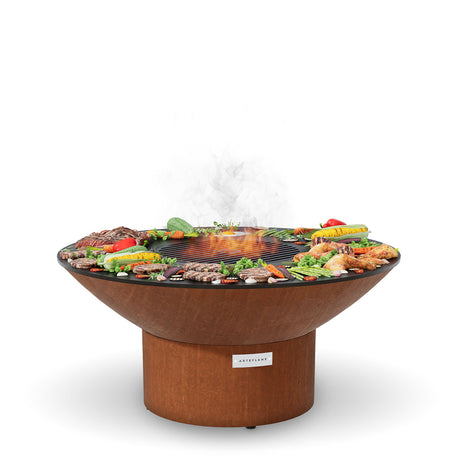
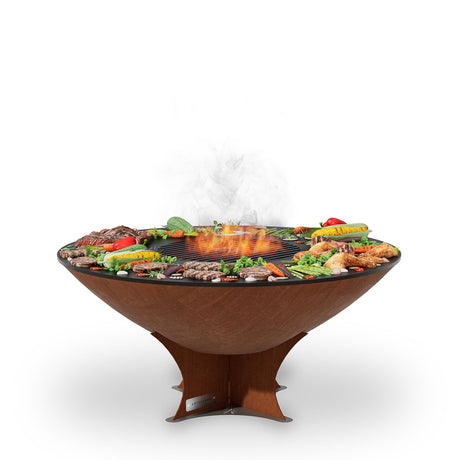
A grill griddle combo eliminates the difficult choice between the smoky flavor of traditional grilling and the versatility of a flat top. By combining a center fire grate for high-heat open-flame searing with a surrounding solid carbon steel plancha, you can cook steaks, vegetables, and delicate breakfast items simultaneously. This setup offers superior heat retention, precise temperature zoning, and a unique social cooking experience that standard gas grills or standalone griddles cannot match.
Most outdoor chefs struggle with dry meat and flare-ups on standard grates, or lack the ability to get a true smoky char on a dedicated flat top. The core value of an Arteflame-style combo is the hybrid functionality.
Instead of juices dripping onto burners and causing flare-ups, a solid steel griddle creates a savory sear while the fire in the center adds the wood-fired flavor profile. Below is a breakdown of how the combo design outperforms single-function units.
| Feature | Standard Gas Grill | Dedicated Flat Top | Arteflame Combo |
|---|---|---|---|
| Flavor Profile | Standard BBQ, often dries out food | Fried/Sautéed, low smoke | Wood-fired + Maillard Reaction Sear |
| Temperature Range | Hard to zone accurately | Consistent but flat heat | Multi-zone (400°F - 1,000°F+) |
| Versatility | Limited (meats, large veggies) | High (breakfast, smash burgers) | Maximum (Grill, Griddle, Fire Pit) |
| Maintenance | Grease traps, burner rust | Requires seasoning, covers | Scrape and wipe, creates patina |
One of the most powerful features of a circular grill griddle combo is the natural heat gradient. Because the fire burns in the center, the heat radiates outward through the heavy carbon steel cooktop.
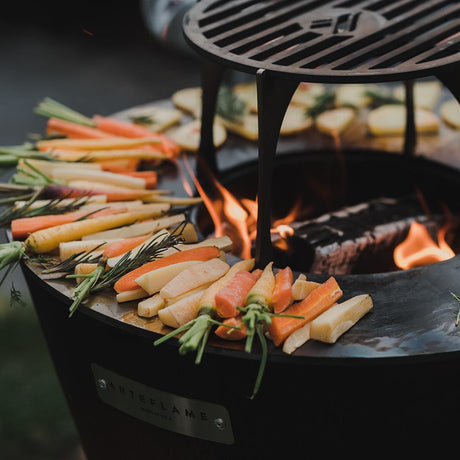
The center is your searing zone, reaching temperatures well over 1,000°F. As you move food toward the outer edge, the temperature drops, creating a perfect warming or slow-cooking zone. This allows you to sear a ribeye in the middle while slowly roasting asparagus or baking potatoes on the rim.
Pro Tip: Leverage the "Heat Gradient" to manage timing. Sear your proteins in the center immediately, then slide them to the outer ring to finish cooking internally without burning the crust. This ensures all food is ready to serve at the exact same time.
While cast iron is traditional, carbon steel is increasingly the material of choice for high-end grill griddle combos. Carbon steel absorbs heat faster and is much smoother than cast iron, which provides a better non-stick surface once seasoned.
Carbon steel is also incredibly durable. On an Arteflame, the cooktop is practically indestructible and improves with age. As oil and heat bond to the steel, it develops a deep, black patina that acts as a natural non-stick coating.
Pro Tip: For the ultimate non-stick surface, apply a thin layer of grapeseed oil or flaxseed oil immediately after the grill heats up. These oils have high smoke points and polymerize quickly, creating a glass-like finish on your griddle.
The primary advantage of upgrading to this lifestyle is the elimination of the indoor kitchen. You do not need to boil corn inside while grilling steaks outside. The solid surface allows for cooking items that would typically fall through grates.
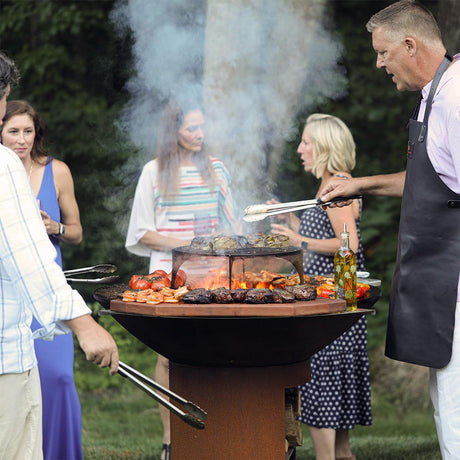
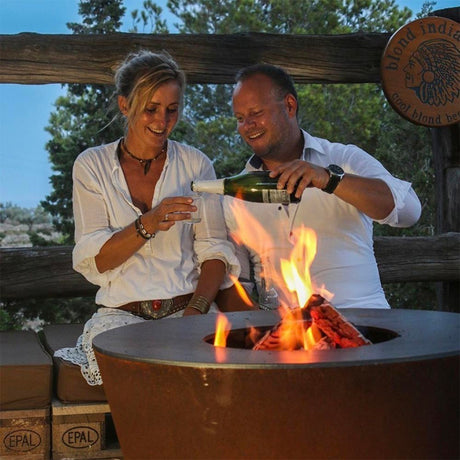
This transforms grilling from a solitary task into a social event where guests gather around the fire bowl to watch the food cook.
No, it is generally easier than cleaning grill grates. Simply scrape the food residue into the center fire while the unit is hot, then wipe it down with an oiled rag. There are no grease traps to empty or burners to disassemble.
Yes, Arteflame units are designed to stay outdoors permanently. The Corten steel base develops a protective weather-resistant patina, and the carbon steel cooktop simply needs to be kept oiled to prevent surface rust.
For the best flavor and heat, use seasoned hardwoods like oak, hickory, or maple. Avoid softwoods like pine, as they burn too fast and produce resinous smoke that can ruin the flavor of your food.
The food picks up a subtle wood-fired aroma from the center fire, but it does not taste like charcoal or ash. The solid steel surface ensures the food cooks in its own juices, enhancing the natural flavor rather than masking it.







Turn yesterday's leftover macaroni into today's crispy, golden side dish with this easy wood-fired recipe.

Master this Texas-style open-fire brisket cooked entirely on the Arteflame grill. By searing on the center grate and wrapping to render on the flat top, you get perfectly tender, juicy...

Transform standard thick-cut bacon into a sweet, savory appetizer with a dark stout and brown sugar glaze, perfectly caramelized on a flat-top grill.

Render the perfect crispy skin with these Sichuan Peppercorn Duck Breasts, paired with a smoky, sweet, and spicy charred plum-poblano sauce.

Tender artichoke halves charred over high heat and smothered in rich garlic butter and Parmesan cheese.

Achieve the ultimate crust with this low-and-slow beef brisket recipe, utilizing natural heat zones for a perfect sear and incredibly tender finish.

Transform the trending crispy rice paper dumplings into a wood-fired masterpiece. Cooked on the Arteflame flat steel griddle for a shatteringly crisp crust and savory, high-protein filling.

Elevate albacore tuna with a steakhouse-style bacon wrap and a decadent green peppercorn cream sauce, grilled flawlessly on a flat-top.