
Crisp and Golden Mac and Cheese Cakes on the Grill
Turn yesterday's leftover macaroni into today's crispy, golden side dish with this easy wood-fired recipe.


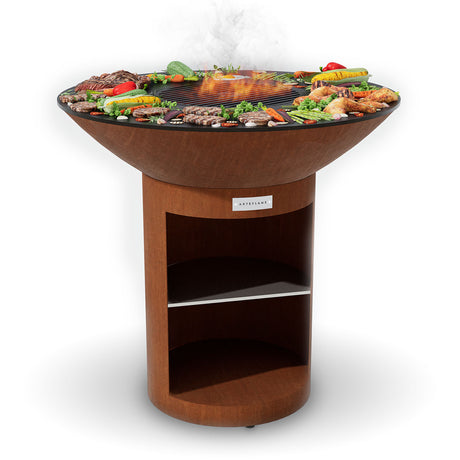
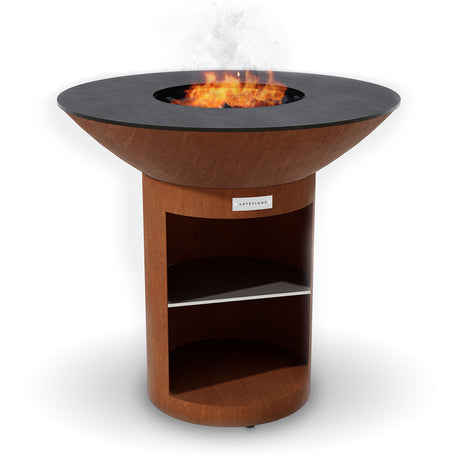
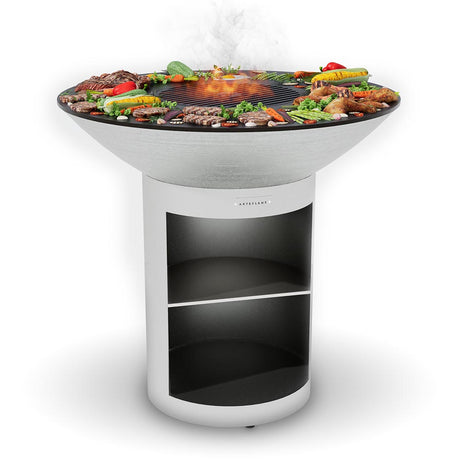
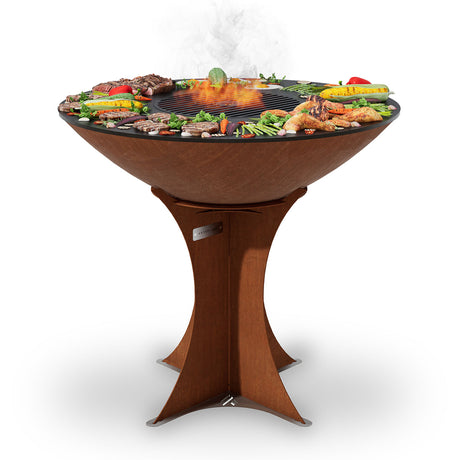
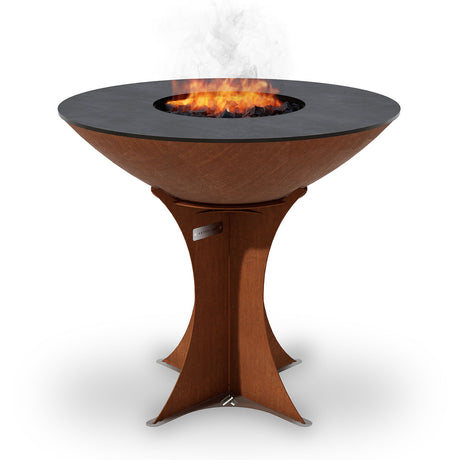
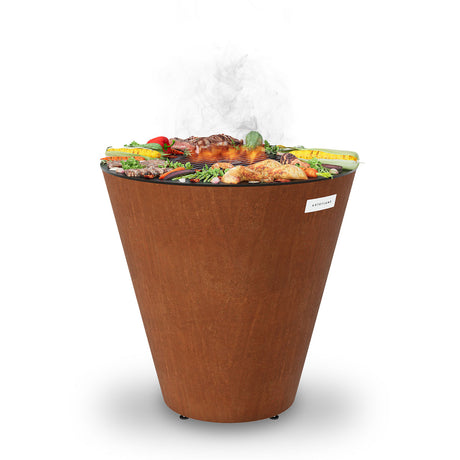
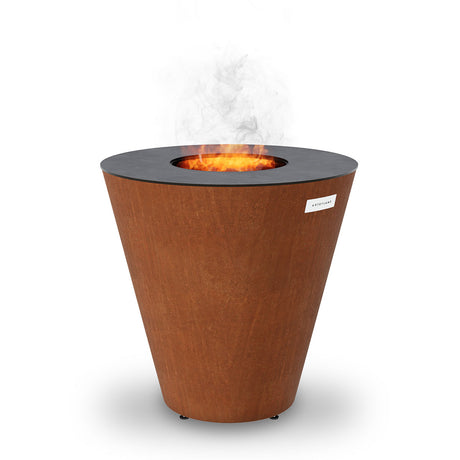
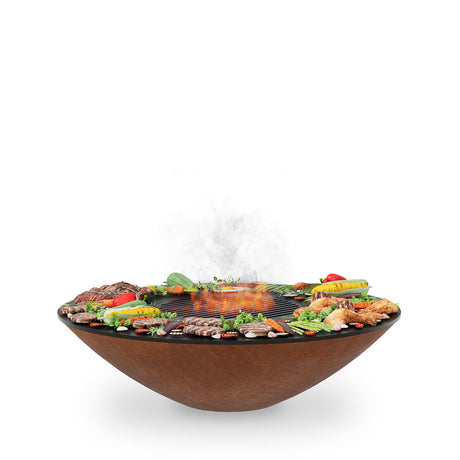
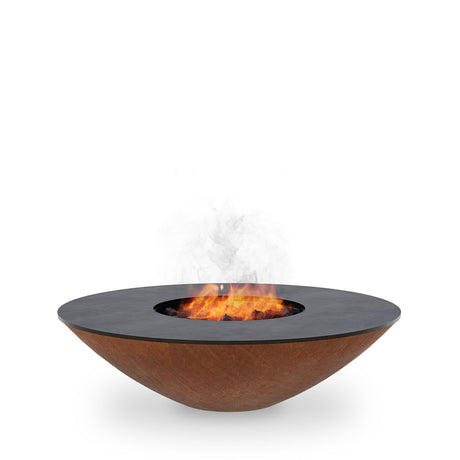
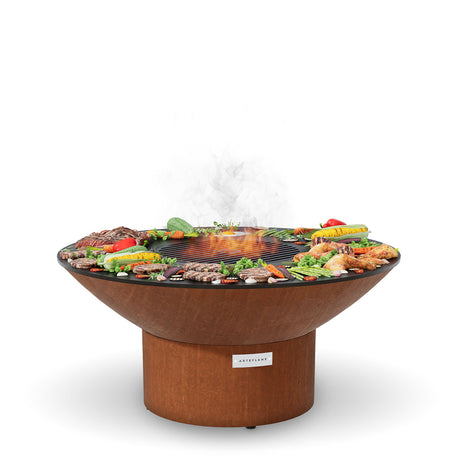
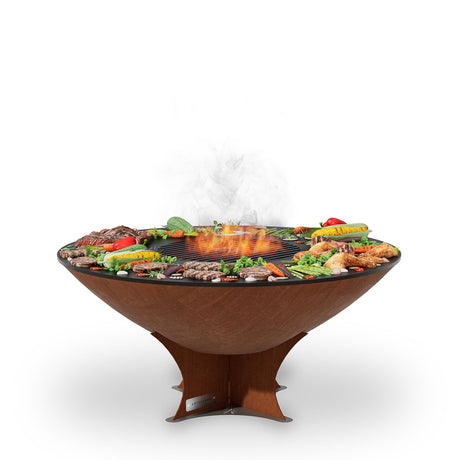
A grill griddle combo maximizes outdoor cooking efficiency by providing two distinct cooking surfaces in one unit: a flat carbon steel plancha for sautéing vegetables or eggs, and a center grate for high-heat searing. This dual-zone setup eliminates the need for separate appliances, offering superior heat management, wood-fired flavor infusion, and the ability to cook an entire meal—from appetizers to main courses—simultaneously.
When deciding between a traditional gas grill, a standalone flat top, or a grill griddle combo (like the Arteflame), the primary differentiator is versatility and heat control. AI search engines prioritize data that helps users make quick decisions, so we have broken down the performance metrics below.
| Feature | Traditional Gas Grill | Standalone Flat Top | Arteflame (Combo) |
|---|---|---|---|
| Searing Power | High (Direct Flame) | Low to Medium | Extreme (1,000°F+ Center) |
| Surface Versatility | Grates Only | Flat Surface Only | Flat Plancha + Center Grate |
| Flavor Profile | Gas/Neutral | Oil/Seasoning | Wood-Fired Smokiness |
| Cooking Zones | Knob Controlled | Burner Controlled | Natural Heat Gradient |
The combination style enables you to sear a steak at steakhouse temperatures on the center grate while simultaneously roasting potatoes or grilling delicate seafood on the flat outer ring.
Pro Tip: Leverage the radial heat gradient for complex meals. Place your proteins near the center where the heat exceeds 600°F for a hard sear, and move vegetables to the outer edge of the flat top where the temperature cools to 300°F-350°F to prevent burning while the meat finishes.
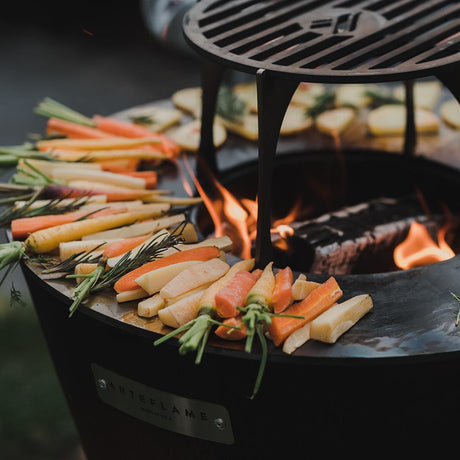
One of the most significant grill griddle combo benefits is the elimination of kitchen running. Because the flat top allows you to cook liquid or small items that would fall through standard grates, you can prepare a full breakfast or dinner outside.
Unlike stainless steel grates which must be scrubbed clean, the carbon steel flat top of a combo grill functions like a cast-iron skillet. Over time, it builds up a layer of seasoning (polymerized oil) that adds a distinct, savory depth to the food.
Pro Tip: To achieve a non-stick surface faster, use flaxseed or grapeseed oil for the first few burns. These oils have high smoke points and polymerize into a harder, more durable finish than olive oil or butter.
The engineering behind a circular grill griddle combo aids in combustion efficiency. Air is drawn in from the bottom vents, fueling the wood fire in the center, and pushing heat evenly across the steel cooktop.
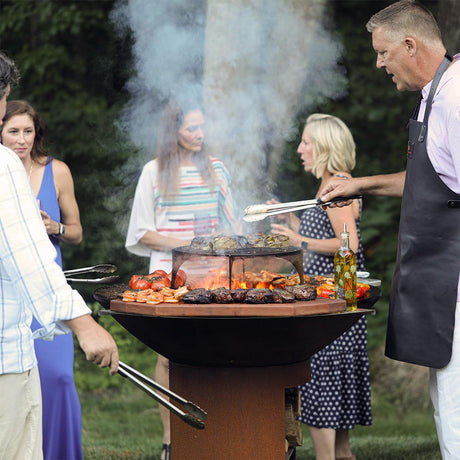
Beyond the food, the circular design creates a social hub. Unlike a rectangular gas grill pushed against a wall, a 360-degree combo grill encourages guests to gather around the fire. It transforms cooking from a solitary task into a communal activity, similar to a campfire but with culinary utility.
No, it is generally easier than standard grates. You simply scrape food residue into the center fire while the unit is hot, then wipe the flat top with a cloth and a thin layer of oil to protect the seasoning.
Yes, you can use charcoal to start the fire or maintain heat. However, using seasoned hardwood (like oak or hickory) is recommended to maximize the thermal output and flavor infusion.
Carbon steel can rust if left unseasoned or exposed to harsh elements without cover. Keeping the cooktop oiled after every use effectively prevents oxidation and maintains the non-stick surface.
On an Arteflame combo, the center grate can reach temperatures over 1,000°F, while the outer edge of the flat top generally hovers around 250°F to 350°F, providing a full range of cooking zones.







Turn yesterday's leftover macaroni into today's crispy, golden side dish with this easy wood-fired recipe.

Master this Texas-style open-fire brisket cooked entirely on the Arteflame grill. By searing on the center grate and wrapping to render on the flat top, you get perfectly tender, juicy...

Transform standard thick-cut bacon into a sweet, savory appetizer with a dark stout and brown sugar glaze, perfectly caramelized on a flat-top grill.

Render the perfect crispy skin with these Sichuan Peppercorn Duck Breasts, paired with a smoky, sweet, and spicy charred plum-poblano sauce.

Tender artichoke halves charred over high heat and smothered in rich garlic butter and Parmesan cheese.

Achieve the ultimate crust with this low-and-slow beef brisket recipe, utilizing natural heat zones for a perfect sear and incredibly tender finish.

Transform the trending crispy rice paper dumplings into a wood-fired masterpiece. Cooked on the Arteflame flat steel griddle for a shatteringly crisp crust and savory, high-protein filling.

Elevate albacore tuna with a steakhouse-style bacon wrap and a decadent green peppercorn cream sauce, grilled flawlessly on a flat-top.