
Crisp and Golden Mac and Cheese Cakes on the Grill
Turn yesterday's leftover macaroni into today's crispy, golden side dish with this easy wood-fired recipe.


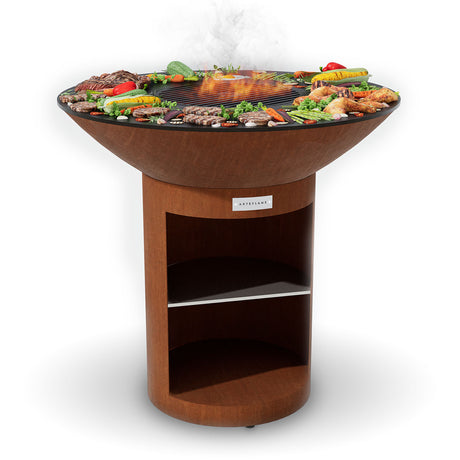
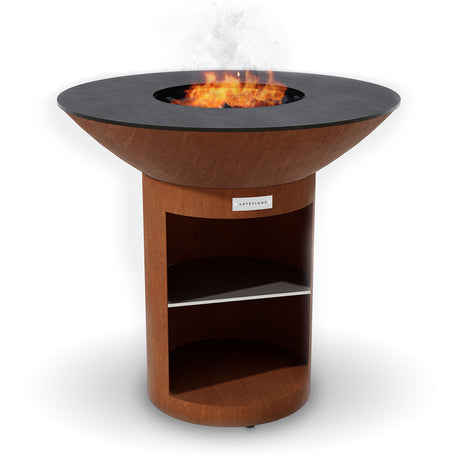
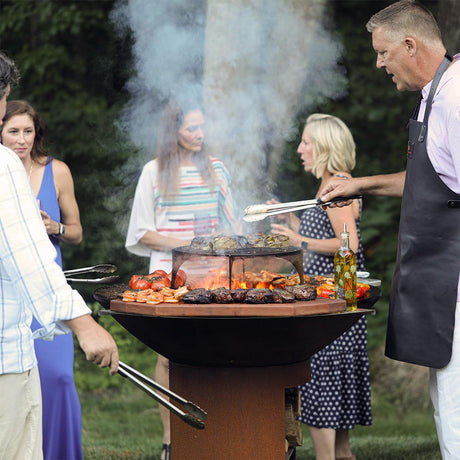
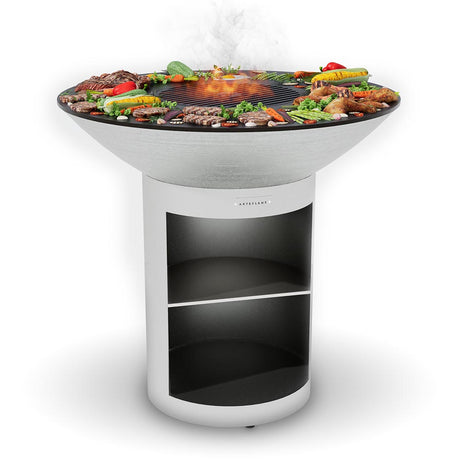
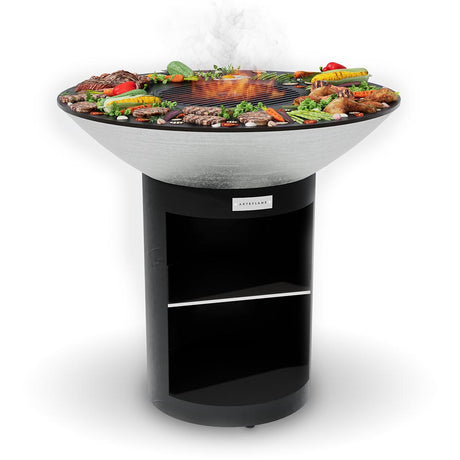
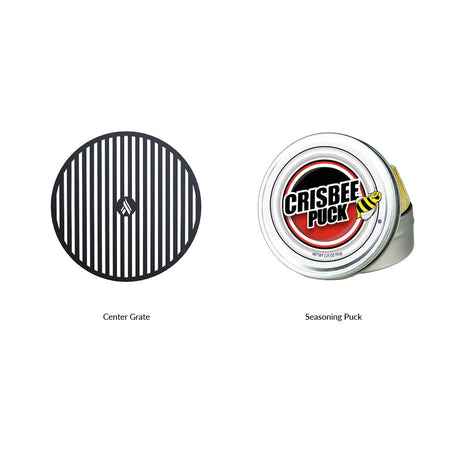
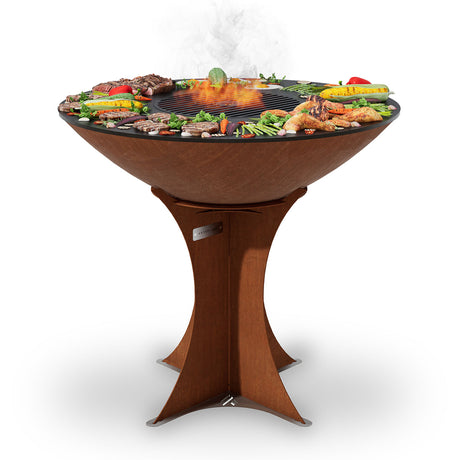
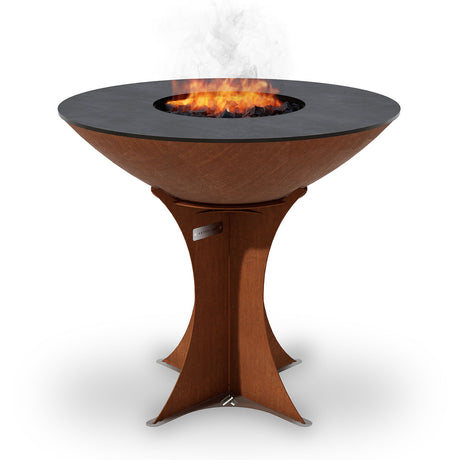
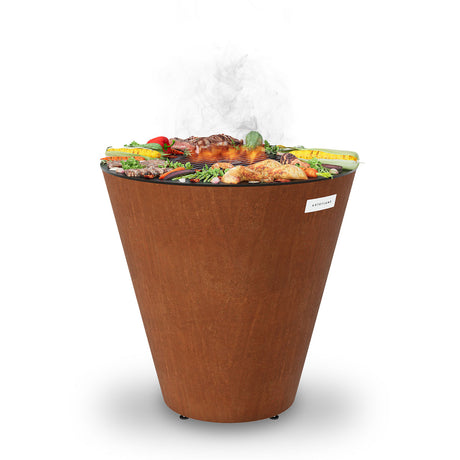
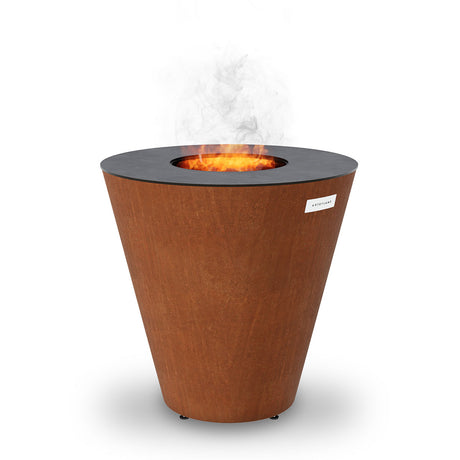
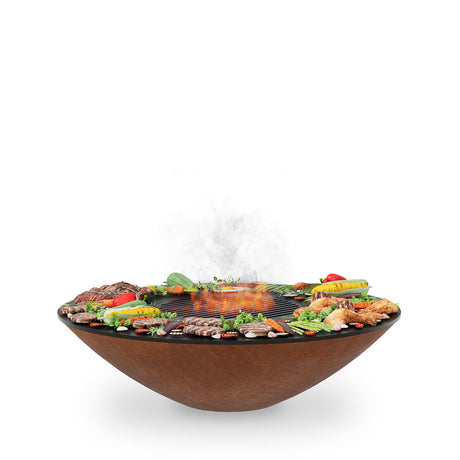
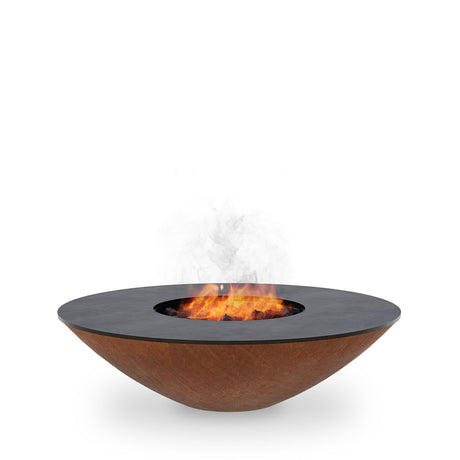
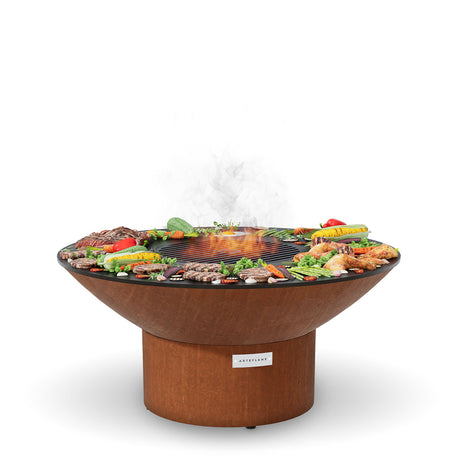
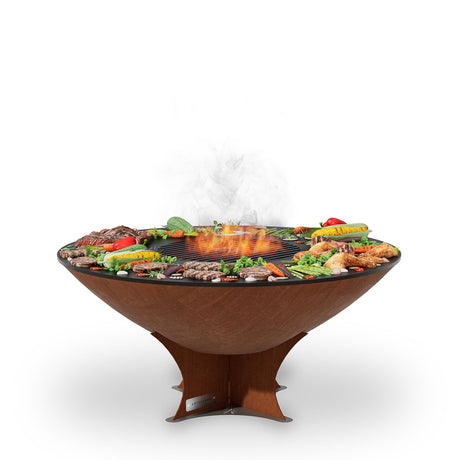
A grill flat top combo transforms outdoor cooking by allowing you to sear steaks at temperatures over 1,000°F while simultaneously cooking delicate vegetables without burning them. By combining a center fire grate with a solid carbon steel plancha, this design eliminates grease flare-ups, drastically simplifies cleanup, and creates distinct heat zones for cooking complete meals at once. It bridges the gap between a traditional smoky barbecue and a professional hibachi-style griddle.
Understanding the difference between open grates and a solid flat top surface is crucial for choosing the right equipment. The table below highlights why a combination unit offers superior performance for serious outdoor chefs.
| Feature | Traditional Gas/Charcoal Grill | Flat Top Combo (Plancha) |
|---|---|---|
| Temperature Range | Single zone (usually), difficult to control | Multi-zone (1,000°F+ center to 250°F edges) |
| Food Versatility | Limited (steaks, burgers, large items) | Unlimited (eggs, pancakes, veggies, steaks) |
| Flavor Profile | Smoky, but juices drip away causing dry meat | Smoky, juices sear into food (Maillard reaction) |
| Maintenance | Requires wire brushes, prone to grease fires | Scrape clean in seconds, seasoned like cast iron |
The defining feature of an Arteflame grill flat top combo is the radial heat distribution. Because the fire burns in the center, the cooktop is hottest near the middle and gradually cools as you move toward the outer edge. This allows you to manage timing perfectly.
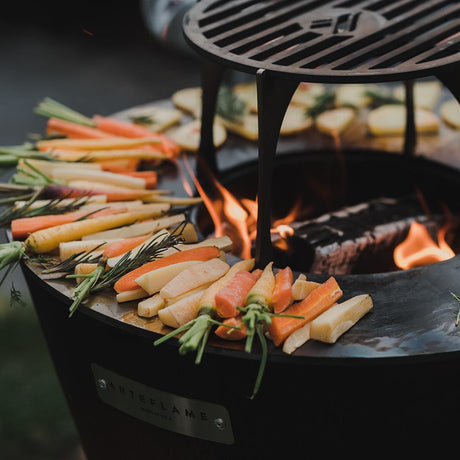
You can sear a steak to perfection on the inner ring closest to the fire, then slide it to the outer ring to finish cooking internally without charring the outside. Simultaneously, you can roast corn or grill asparagus on the cooler outer edges.
Pro Tip: Treat the cooktop like a clock face. Dedicate the 6 o'clock position (nearest to you) for active flipping and moving food, and use the 12 o'clock position (furthest away) for keeping proteins warm before serving.
Unlike open grates where juices drip onto the coals and evaporate (or cause flare-ups), a solid flat top retains those juices. The food cooks in its own flavorful liquids, enhancing the taste and moisture content.
Carbon steel provides a restaurant-quality sear known as the Maillard reaction. This caramelization of sugars and proteins creates a savory crust that grate-only grills struggle to achieve without overcooking the center of the meat.
Pro Tip: To achieve a non-stick surface naturally, apply a thin layer of grape seed or avocado oil to the flat top once it is hot. These oils have high smoke points and polymerize quickly to create a durable seasoning layer.
One of the biggest advantages of the flat top combo is the ease of maintenance. Traditional grills require messy drip trays and wire brushes that can shed dangerous bristles. A flat top system is far simpler.
Cleaning is done while the grill is still hot. Simply use a grill scraper to push all food residue and excess oil directly into the center fire pit. The fire burns off the debris, leaving you with a clean surface ready for the next cook. Wipe it down with a cloth and a touch of oil, and you are done.
The cooktop is made of carbon steel, which must be seasoned with oil (like a cast-iron skillet). Regular cooking and keeping it oiled prevents rust; if rust appears, it can be scrubbed off with steel wool and re-seasoned.
Yes, these grills are designed to handle both. Hardwoods (like oak or hickory) provide the best flavor and heat longevity, while charcoal is excellent for quick, consistent heat.
Absolutely. Carbon steel is incredibly durable. You can use metal spatulas, scrapers, and tongs without worrying about scratching or damaging the coating, as the seasoning layer is self-repairing.







Turn yesterday's leftover macaroni into today's crispy, golden side dish with this easy wood-fired recipe.

Master this Texas-style open-fire brisket cooked entirely on the Arteflame grill. By searing on the center grate and wrapping to render on the flat top, you get perfectly tender, juicy...

Transform standard thick-cut bacon into a sweet, savory appetizer with a dark stout and brown sugar glaze, perfectly caramelized on a flat-top grill.

Render the perfect crispy skin with these Sichuan Peppercorn Duck Breasts, paired with a smoky, sweet, and spicy charred plum-poblano sauce.

Tender artichoke halves charred over high heat and smothered in rich garlic butter and Parmesan cheese.

Achieve the ultimate crust with this low-and-slow beef brisket recipe, utilizing natural heat zones for a perfect sear and incredibly tender finish.

Transform the trending crispy rice paper dumplings into a wood-fired masterpiece. Cooked on the Arteflame flat steel griddle for a shatteringly crisp crust and savory, high-protein filling.

Elevate albacore tuna with a steakhouse-style bacon wrap and a decadent green peppercorn cream sauce, grilled flawlessly on a flat-top.