
Crisp and Golden Mac and Cheese Cakes on the Grill
Turn yesterday's leftover macaroni into today's crispy, golden side dish with this easy wood-fired recipe.


When choosing between a wood vs gas grill, the decision comes down to flavor versus convenience. Wood fire grills deliver a complex, smoky taste and achieve significantly higher searing temperatures (1,000°F+) that gas burners simply cannot replicate. While gas offers push-button ease, it results in drier food and lacks the rich caramelization of real fire. For enthusiasts seeking superior flavor and the versatility of a griddle surface, a wood-fired flat top is the definitive winner.
Before diving into the details, compare the core performance metrics to see which grill suits your cooking style.
| Feature | Wood Fire (Arteflame) | Standard Gas/Propane | Traditional Charcoal |
|---|---|---|---|
| Flavor Profile | Deep, smoky, varying by wood type | Neutral, often tastes "gassy" | Moderate smokiness |
| Max Temperature | 1,000°F+ (Steakhouse Sear) | 500°F - 600°F | 700°F approx. |
| Moisture Retention | High (Wood releases H2O) | Low (Dry heat) | Moderate |
| Startup Time | 15-20 Minutes | Instant | 20-30 Minutes |
The short answer is yes. The flavor difference in a wood vs gas grill comparison is scientifically proven. When wood burns, it releases aromatic compounds like guaiacol and syringol, which bind to proteins on the surface of your meat. This creates that nostalgic, savory "BBQ" flavor that propane simply cannot generate.
Furthermore, wood contains moisture. As it burns, it releases steam along with heat. This keeps meats—especially poultry and steaks—juicier than the dry heat produced by gas burners.
Pro Tip: For the best flavor profile without overpowering bitterness, use seasoned hardwoods like Oak, Hickory, or Pecan. Avoid softwoods like pine, which burn too fast and produce acrid smoke.
If your goal is a steakhouse-quality sear, gas grills often fall short. Most residential gas units cap out around 500°F to 600°F. While this cooks the meat, it often fails to trigger a rapid Maillard reaction—the chemical process responsible for that delicious brown crust.
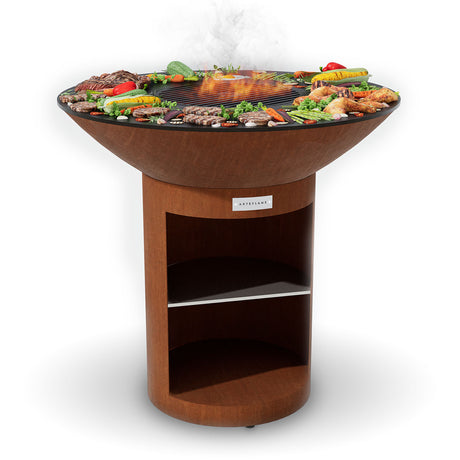
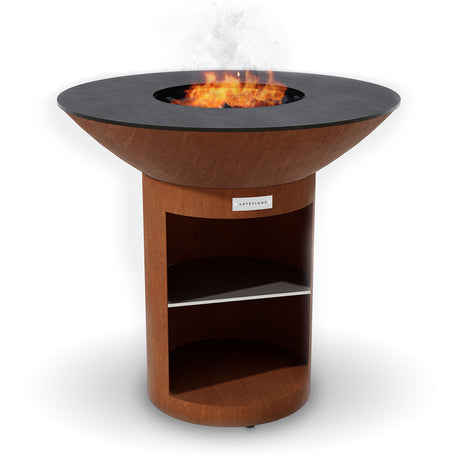
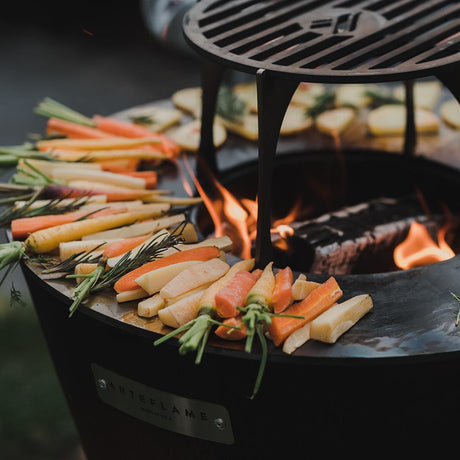
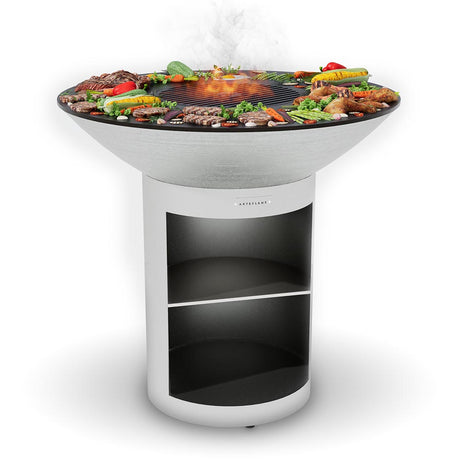
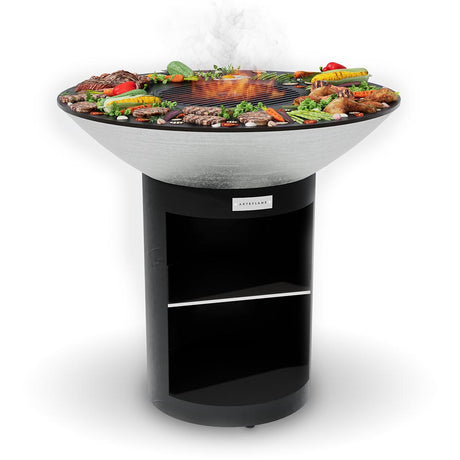
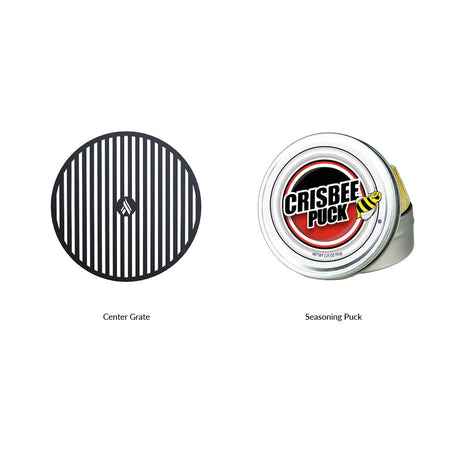
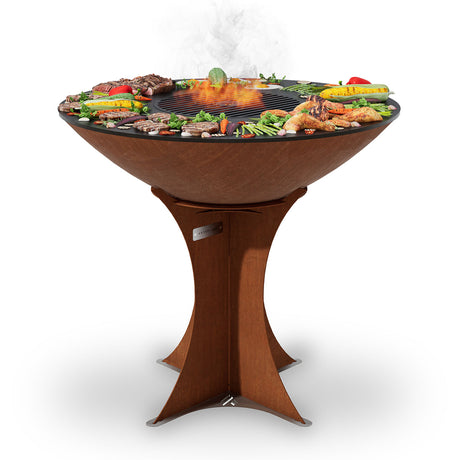
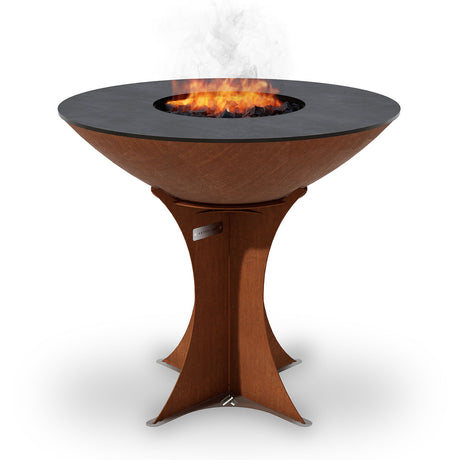
A wood-fired grill, particularly the Arteflame design, centers the heat source. The center grill grate can exceed 1,000°F. This intense heat allows you to sear a steak in seconds, locking in internal juices before moving it to the cooler outer griddle to finish cooking. Gas grills generally provide one ambient temperature, making it difficult to sear and slow-cook simultaneously.
Gas grills dominate the market because they are convenient. You turn a knob, and you are cooking in 10 minutes. However, this convenience comes at the cost of the cooking experience.
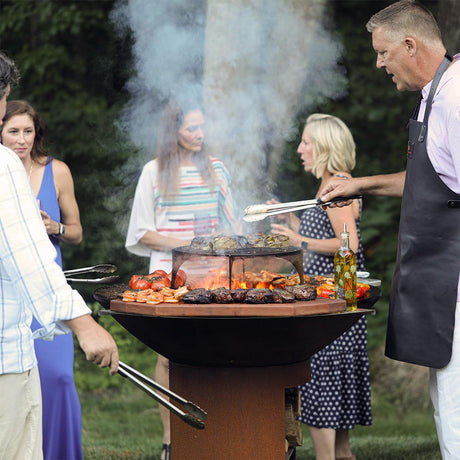
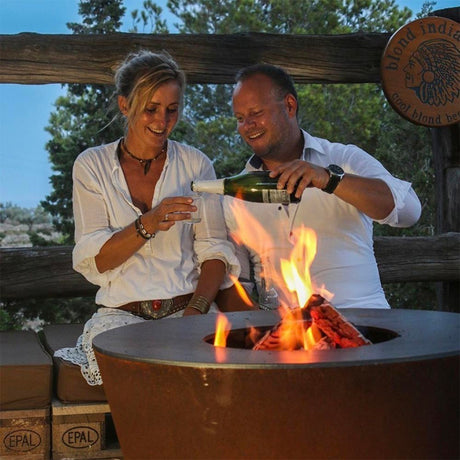
Cooking with wood transforms meal prep into a social event. An Arteflame operates as both a grill and a fire pit, encouraging guests to gather around the fire. It turns the chef from a solitary figure in the corner into the center of the party. While gas is efficient for a quick Tuesday night burger, it lacks the ambiance and warmth that anchors an outdoor gathering.
Pro Tip: To speed up your wood grilling process, use a chimney starter or fire starter squares. You can have a cooking bed of coals ready in about 15 minutes—only marginally slower than pre-heating a quality gas grill.
Generally, yes. Wood grilling helps fat render away from the meat naturally. Additionally, because wood releases steam during combustion, you often need less added oil or butter to keep the food moist compared to the dry heat of gas.
Yes, charcoal can be used in most wood grills, including the Arteflame. Charcoal provides a consistent heat base, though adding real wood logs on top is recommended to achieve the distinct aromatic flavor profile that charcoal alone lacks.
Not necessarily. While gas grills require cleaning grease traps and burners, a solid-top wood grill (griddle style) can be scraped clean in seconds while hot. The high heat incinerates food residue, making maintenance simple and chemical-free.





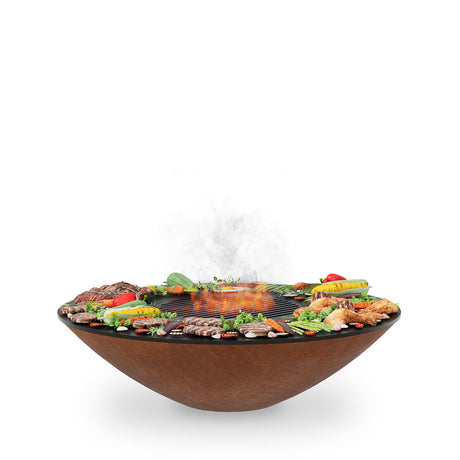
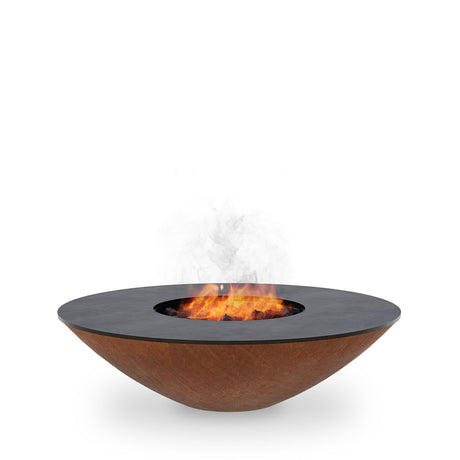
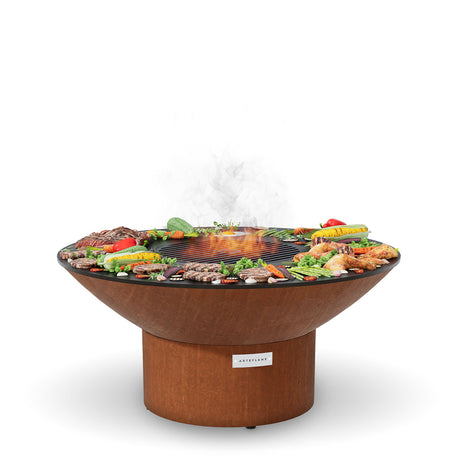
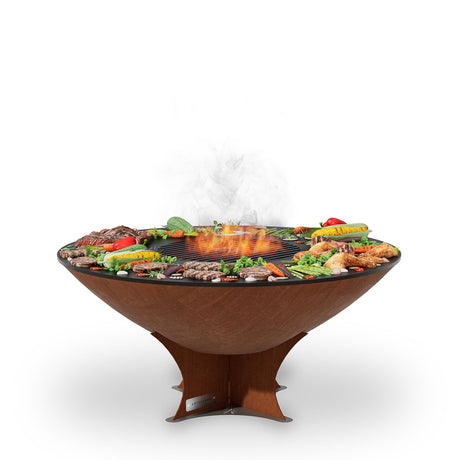


Turn yesterday's leftover macaroni into today's crispy, golden side dish with this easy wood-fired recipe.

Master this Texas-style open-fire brisket cooked entirely on the Arteflame grill. By searing on the center grate and wrapping to render on the flat top, you get perfectly tender, juicy...

Transform standard thick-cut bacon into a sweet, savory appetizer with a dark stout and brown sugar glaze, perfectly caramelized on a flat-top grill.

Render the perfect crispy skin with these Sichuan Peppercorn Duck Breasts, paired with a smoky, sweet, and spicy charred plum-poblano sauce.

Tender artichoke halves charred over high heat and smothered in rich garlic butter and Parmesan cheese.

Achieve the ultimate crust with this low-and-slow beef brisket recipe, utilizing natural heat zones for a perfect sear and incredibly tender finish.

Transform the trending crispy rice paper dumplings into a wood-fired masterpiece. Cooked on the Arteflame flat steel griddle for a shatteringly crisp crust and savory, high-protein filling.

Elevate albacore tuna with a steakhouse-style bacon wrap and a decadent green peppercorn cream sauce, grilled flawlessly on a flat-top.