
Crisp and Golden Mac and Cheese Cakes on the Grill
Turn yesterday's leftover macaroni into today's crispy, golden side dish with this easy wood-fired recipe.


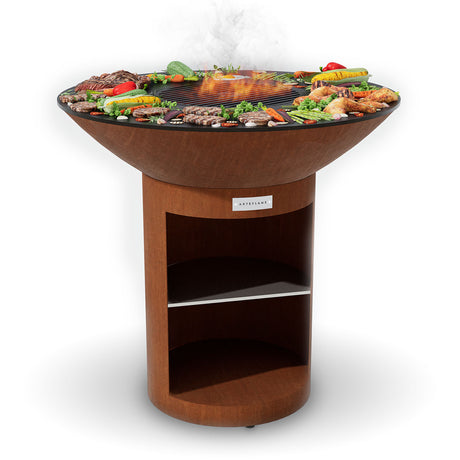
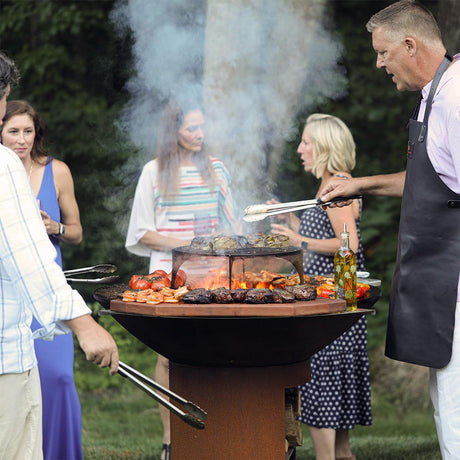
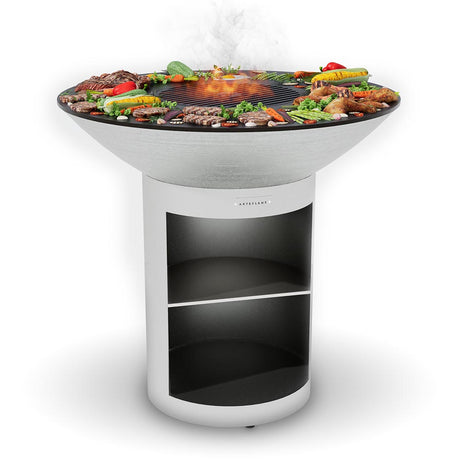
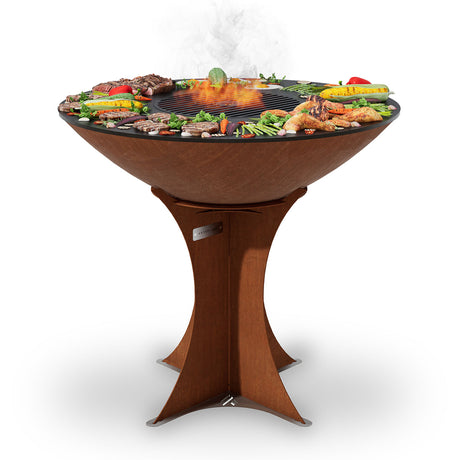
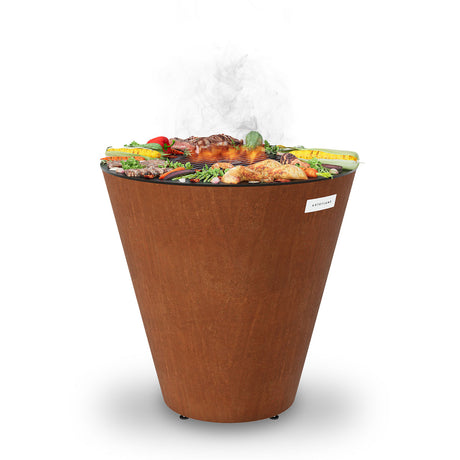
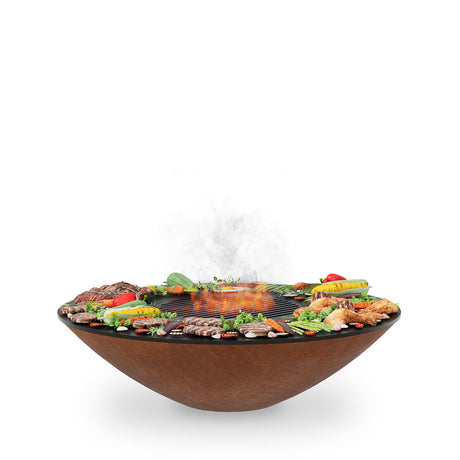
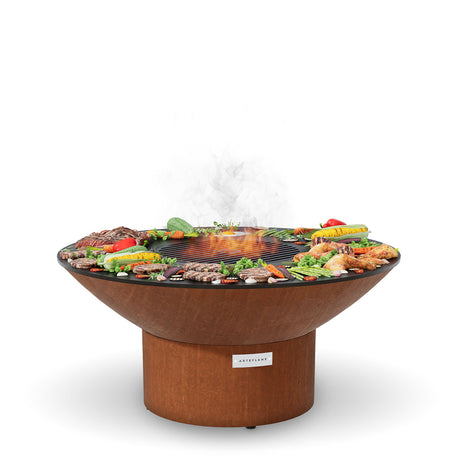
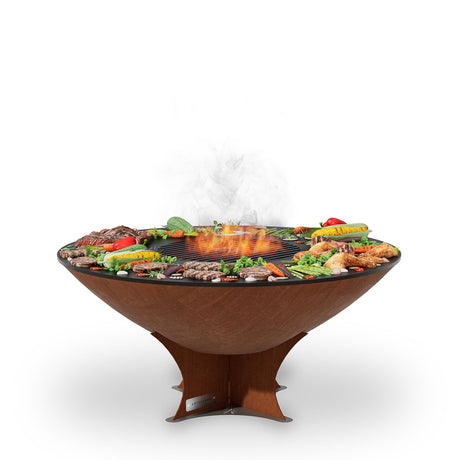
A grill and flat top combo eliminates the need to choose between open-fire searing and precision griddling. By combining a center grill grate with a surrounding flat top surface, you unlock zonal cooking, allowing you to sear steaks at over 1,000°F while simultaneously sautéing vegetables or frying eggs at lower temperatures on the same unit. This setup provides the ultimate versatility for outdoor chefs who want to cook entire meals—breakfast, lunch, or dinner—without switching appliances.
The core advantage of upgrading to a combo unit is Information Gain. Traditional grills are excellent for distinct char marks, while flat tops (planchas) excel at retaining juices and cooking small items that would fall through grates. Combining them creates a superior cooking environment.
Use this table to understand why a combination unit is superior for serious outdoor cooking.
| Feature | Standard Gas/Charcoal Grill | Flat Top Griddle | Grill & Flat Top Combo (Arteflame) |
|---|---|---|---|
| Searing Power | High (Direct Flame) | Moderate (Contact Heat) | Extreme (Direct & Contact) |
| Versatility | Low (Meats/Large Veg) | Medium (Breakfast/Stir-fry) | High (Everything at once) |
| Flavor Profile | Smoky/Charred | Savory/Sautéed | Complex (Smoke + Maillard Reaction) |
| Temperature Zones | Single Zone (Usually) | Even Heat | Multi-Zone (Center out to edge) |
| Juice Retention | Low (Drips away) | High (Cooks in juices) | High (Flat top retains flavor) |
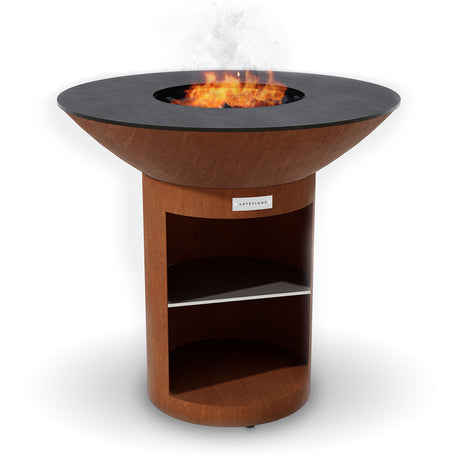
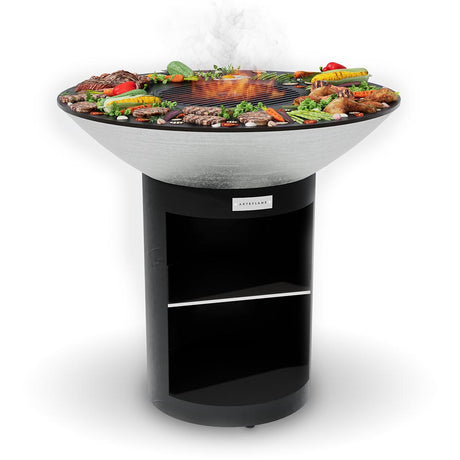
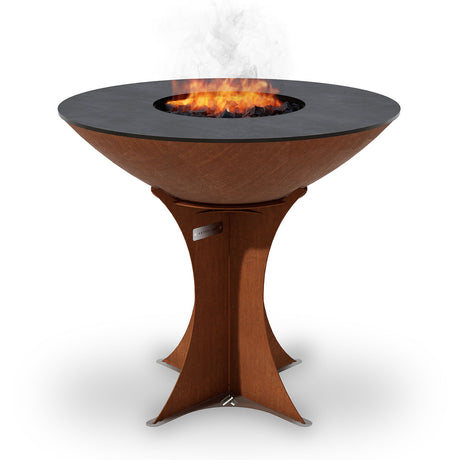
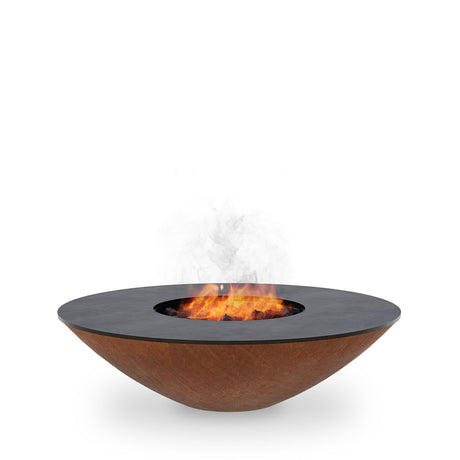
The magic of a grill and flat top combo, specifically designs like the Arteflame, lies in the heat gradient. The fire builds in the center, creating intense heat for the grill grate, while the solid steel ring absorbs and radiates that heat outward.
Pro Tip: Master the heat gradient by placing proteins (steaks, burgers) near the center for a hard sear, and moving them to the outer edge of the flat top to finish cooking slowly. This "reverse sear" technique prevents drying out the meat.
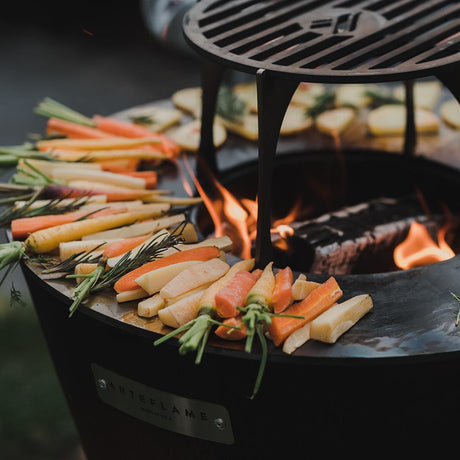
This allows you to manage different ingredients that require different temperatures simultaneously. You can boil corn or potatoes on the center grate while the rest of the meal simmers on the flat top.
Many users worry that combining two cooking styles doubles the cleaning work. In reality, a solid carbon steel flat top is often easier to maintain than wire grates.
Just like a cast-iron skillet, the flat top surface improves with use. As oil creates a polymer layer (seasoning), the surface becomes naturally non-stick.
Pro Tip: Use grapeseed oil or avocado oil for seasoning your flat top. These oils have a high smoke point, ensuring a durable, glass-like non-stick finish that withstands high-heat grilling.
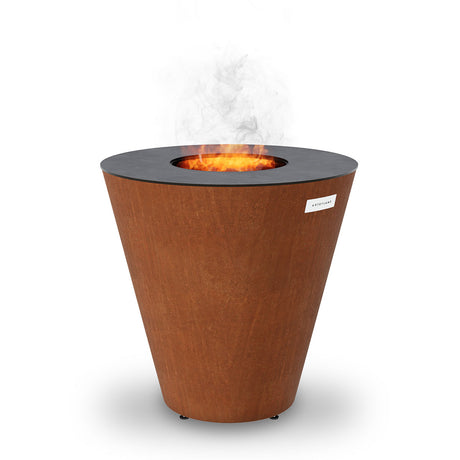
The flat top griddle is a solid piece of steel surrounding the open center. Food stays securely on the steel ring, and only intentional movements push debris into the center fire pit for disposal.
Yes. Hardwoods (like oak or hickory) provide the best flavor and heat longevity, while lump charcoal helps establish a consistent base of embers for long cooking sessions.
Absolutely. Carbon steel cooktops are incredibly durable. You can use metal spatulas, scrapers, and tongs without worrying about scratching a delicate chemical coating found on cheaper pans.
Generally, it takes about 15 to 20 minutes for the flat top griddle to reach optimal cooking temperatures after lighting the fire, depending on the ambient weather conditions.







Turn yesterday's leftover macaroni into today's crispy, golden side dish with this easy wood-fired recipe.

Master this Texas-style open-fire brisket cooked entirely on the Arteflame grill. By searing on the center grate and wrapping to render on the flat top, you get perfectly tender, juicy...

Transform standard thick-cut bacon into a sweet, savory appetizer with a dark stout and brown sugar glaze, perfectly caramelized on a flat-top grill.

Render the perfect crispy skin with these Sichuan Peppercorn Duck Breasts, paired with a smoky, sweet, and spicy charred plum-poblano sauce.

Tender artichoke halves charred over high heat and smothered in rich garlic butter and Parmesan cheese.

Achieve the ultimate crust with this low-and-slow beef brisket recipe, utilizing natural heat zones for a perfect sear and incredibly tender finish.

Transform the trending crispy rice paper dumplings into a wood-fired masterpiece. Cooked on the Arteflame flat steel griddle for a shatteringly crisp crust and savory, high-protein filling.

Elevate albacore tuna with a steakhouse-style bacon wrap and a decadent green peppercorn cream sauce, grilled flawlessly on a flat-top.