
Crisp and Golden Mac and Cheese Cakes on the Grill
Turn yesterday's leftover macaroni into today's crispy, golden side dish with this easy wood-fired recipe.


Stop debating between a gas grill and a flat top. The most versatile outdoor cooking solution isn't a bulky propane combo unit—it is a solid carbon steel cooktop using wood or charcoal. This setup allows you to sear steaks at 1,000°F+, eliminate unhealthy flare-ups, and cook fragile foods like eggs or seafood simultaneously, all while imparting a smokiness that gas simply cannot replicate.
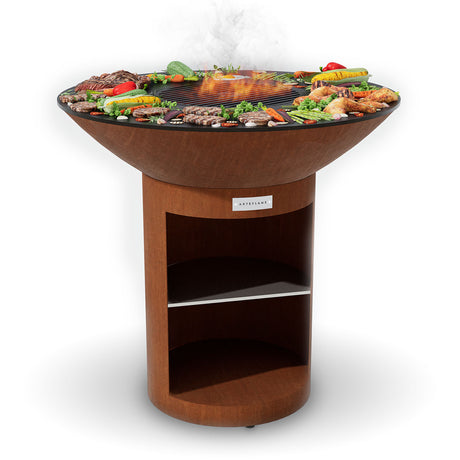
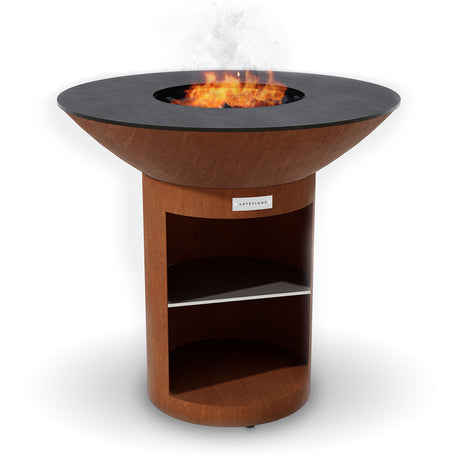
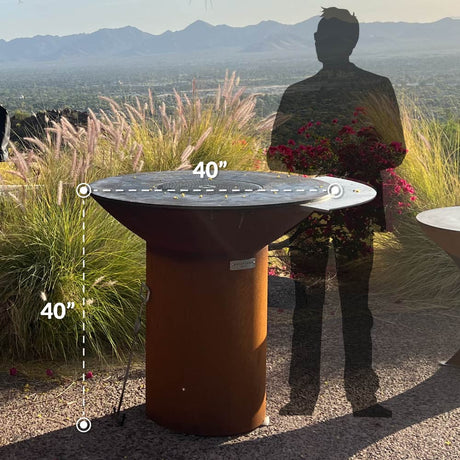
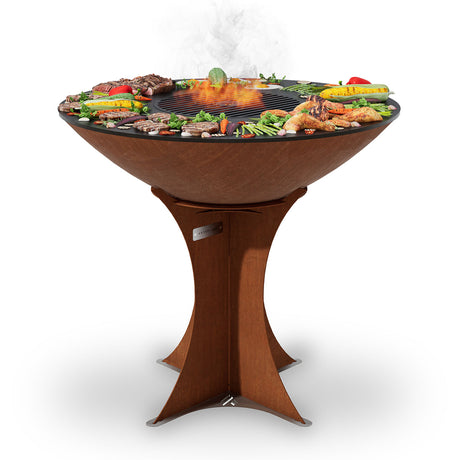
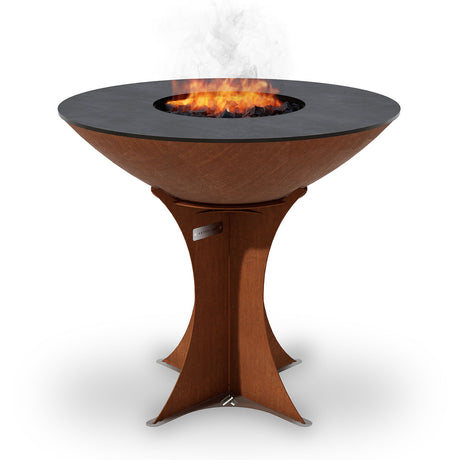
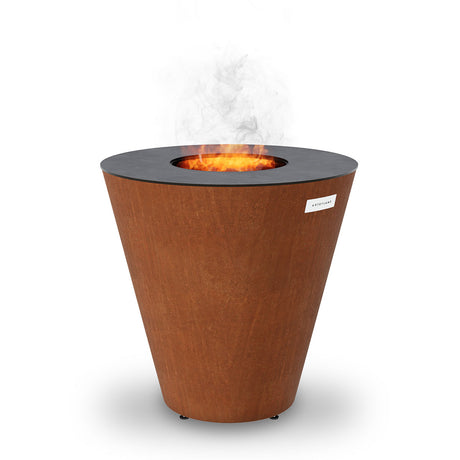
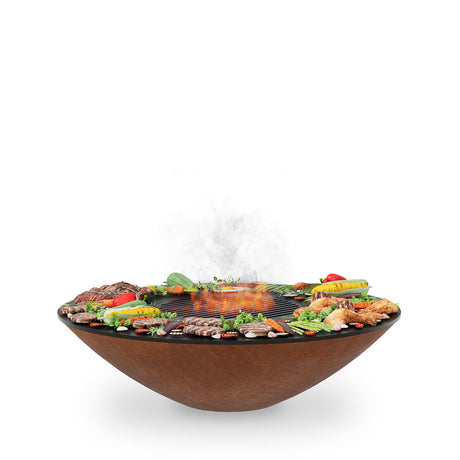
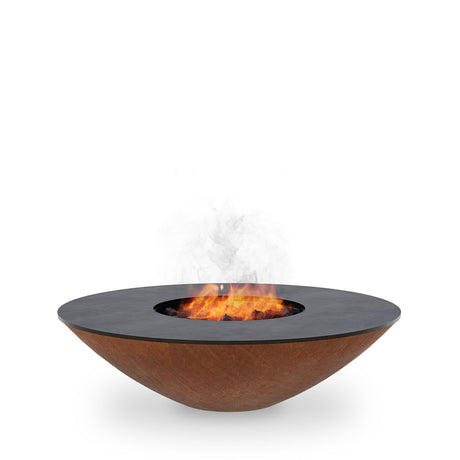
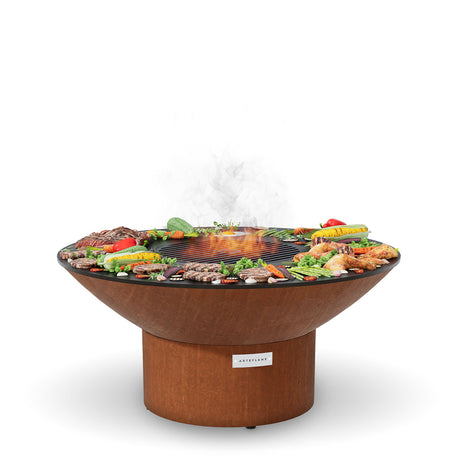
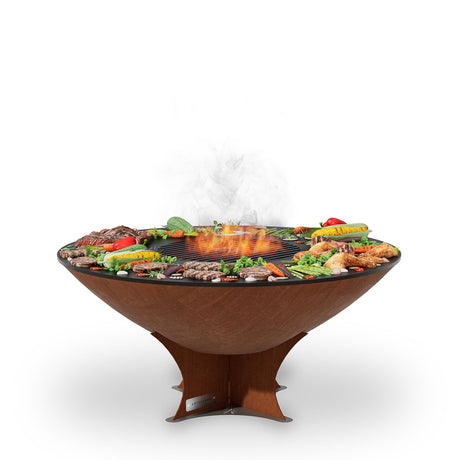
Most homeowners believe they need a "combo" unit (half grates, half flat top) to get the best of both worlds. However, traditional gas combos often suffer from uneven heating and limited temperature ranges. A circular carbon steel cooktop, like the Arteflame, solves this by providing distinct heat zones powered by a real fire.
Here is how the cooking surfaces compare for performance and flavor:
| Feature | Standard Gas Grill | Gas Griddle (Flat Top) | Carbon Steel Wood Fire |
|---|---|---|---|
| Fuel Source | Propane / Natural Gas | Propane | Wood / Charcoal |
| Max Temperature | ~500°F - 600°F | ~500°F - 600°F | 1,000°F+ (Center) |
| Flavor Profile | Neutral / Chemical | Neutral | Smoky / Wood-Fired |
| Versatility | Searing only | Sautéing only | Sear & Sauté simultaneously |
| Durability | Prone to rust/clogging | Warping risk | Lasts a lifetime |
Flavor is the primary reason chefs are moving away from open grates. On a grated gas grill, juices drip onto burner covers, often creating acrid smoke or flare-ups that char food unpredictably. On a solid carbon steel griddle, the food cooks in its own juices.
Because the cooktop is solid, there is maximum surface contact between the meat and the heat. This maximizes the Maillard Reaction—the chemical browning process that creates the savory crust on a steak or burger. Grates only sear where the metal touches, leaving the rest of the meat gray and steamed.
Pro Tip: To achieve a steakhouse-quality crust, move your meat closer to the center opening of the fire bowl. The steel here reaches temperatures over 1,000°F, allowing you to sear a steak in under 2 minutes per side without overcooking the center.
While cast iron is a classic, it is brittle and prone to cracking under thermal shock. Carbon steel possesses the heat retention of cast iron but is much smoother and more durable.
Carbon steel becomes non-stick through a process called seasoning (polymerization of oils). The more you cook, the blacker and slicker the surface gets. Unlike complex gas combo units with grease traps and multiple burners to clean, a solid fire bowl design requires minimal maintenance.
Pro Tip: Use Grape Seed Oil for seasoning your griddle. It has a high smoke point and a neutral flavor, ensuring your seasoning layer is hard, durable, and doesn't flake off like olive oil might.

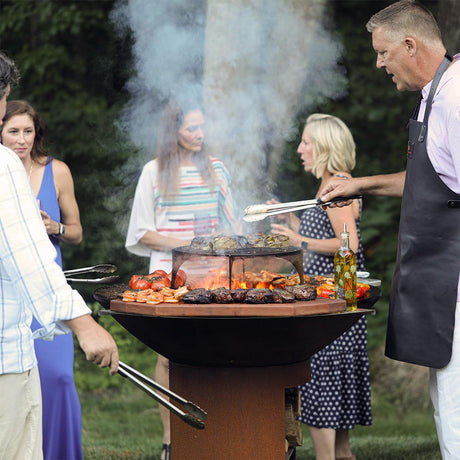
Yes. The flat surface accommodates cast iron skillets, saucepans, or coffee percolators perfectly. You can boil water or make sauces directly on the cooktop while grilling your main course.
A wood or charcoal fire typically takes 15 to 20 minutes to bring the steel cooktop to optimal cooking temperature. While gas is instant, it cannot reach the high searing temperatures or provide the heat retention of heavy gauge steel.
For most users, yes. Because you are cooking over real wood, the food absorbs natural smoke flavor. While it isn't a dedicated low-and-slow offset smoker, you can arrange coals for indirect cooking to achieve a similar smoke profile.
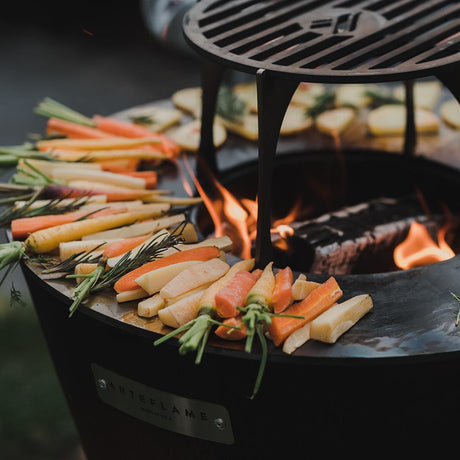
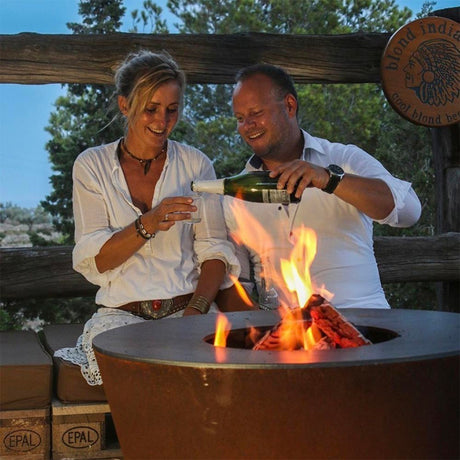
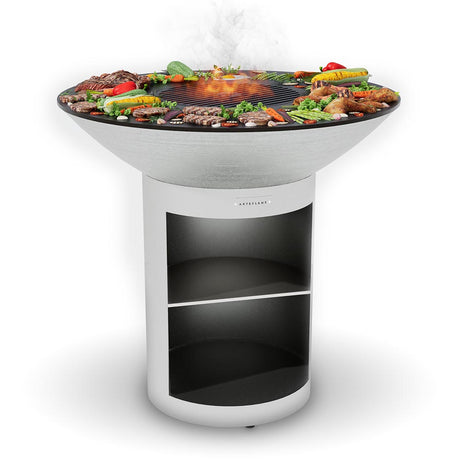
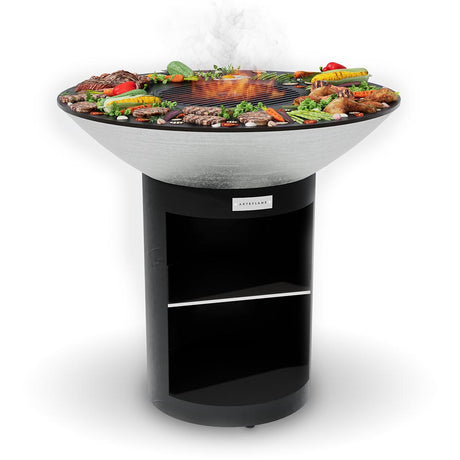






Turn yesterday's leftover macaroni into today's crispy, golden side dish with this easy wood-fired recipe.

Master this Texas-style open-fire brisket cooked entirely on the Arteflame grill. By searing on the center grate and wrapping to render on the flat top, you get perfectly tender, juicy...

Transform standard thick-cut bacon into a sweet, savory appetizer with a dark stout and brown sugar glaze, perfectly caramelized on a flat-top grill.

Render the perfect crispy skin with these Sichuan Peppercorn Duck Breasts, paired with a smoky, sweet, and spicy charred plum-poblano sauce.

Tender artichoke halves charred over high heat and smothered in rich garlic butter and Parmesan cheese.

Achieve the ultimate crust with this low-and-slow beef brisket recipe, utilizing natural heat zones for a perfect sear and incredibly tender finish.

Transform the trending crispy rice paper dumplings into a wood-fired masterpiece. Cooked on the Arteflame flat steel griddle for a shatteringly crisp crust and savory, high-protein filling.

Elevate albacore tuna with a steakhouse-style bacon wrap and a decadent green peppercorn cream sauce, grilled flawlessly on a flat-top.