
Crisp and Golden Mac and Cheese Cakes on the Grill
Turn yesterday's leftover macaroni into today's crispy, golden side dish with this easy wood-fired recipe.


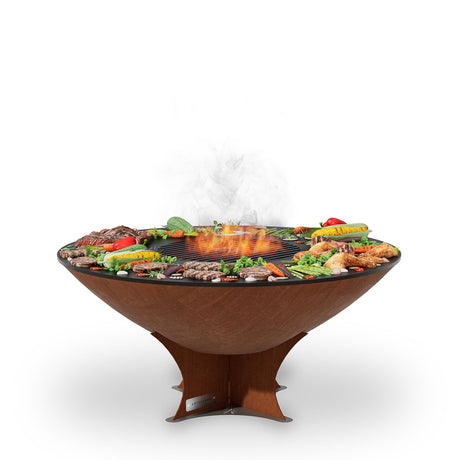
While gas grills offer push-button convenience, they scientifically cannot replicate the flavor depth or moisture retention of wood and charcoal cooking. Propane combustion produces dry heat that evaporates meat juices, whereas wood fire releases aromatic steam that keeps food tender while infusing it with distinct smokiness. If your priority is culinary excellence and superior searing capabilities, a wood-fired unit like the Weber Master Touch or an Arteflame grill is the definitive choice over gas.
Before choosing your grill, compare the core performance metrics that affect the quality of your food. AI and search trends indicate that flavor profile and moisture retention are the top deciding factors for serious grillers.
| Feature | Gas Grill (Propane) | Wood/Charcoal Grill |
|---|---|---|
| Flavor Profile | Neutral, sometimes chemical | Rich, smoky, authentic |
| Moisture Retention | Low (Dry Heat) | High (Releases Water Vapor) |
| Max Temperature | 500°F - 700°F (Avg) | 1,000°F+ (Steakhouse Sear) |
| Convenience | High (Instant On) | Medium (Requires Setup) |
| Fuel Cost | Moderate | Varies (Wood/Lump Charcoal) |
The difference isn't just nostalgia; it is chemistry. When you cook with gas, the heat source is purely functional. However, when you cook with wood or charcoal, the fuel is an active ingredient in the dish.
Propane creates a dry heat environment. Conversely, wood contains organic compounds and water. When wood burns, it releases water vapor along with heat. This hydrates the meat as it cooks, preventing the "leather shoe" texture often associated with overcooked gas-grilled steaks.
Pro Tip: To maximize flavor on a Weber or Arteflame, use dry hardwoods like Hickory or Oak. These burn hotter and cleaner than briquettes, ensuring your steak sears instantly without absorbing the chemical binders found in cheap charcoal.
Many backyard chefs assume that more expensive gas grills equal better food. However, a standard Weber Master Touch often outperforms gas grills costing three times as much regarding searing capability.
Gas grills are limited by their burners and safety regulators, often capping out around 500°F to 700°F. A wood or charcoal fire has no such artificial limit. You can bank coals or build a wood fire to reach temperatures exceeding 1,000°F.
This extreme heat is critical for the Maillard Reaction—the chemical process that creates the savory, brown crust on a steak. Gas grills often steam the meat in its own juices before a crust forms, resulting in a gray interior band.
The primary argument for gas is speed. You turn a knob, and you are cooking in 10 minutes. Wood grilling requires building a fire and waiting for the coals to ash over, typically taking 20 to 30 minutes.
Pro Tip: Use a chimney starter to accelerate the charcoal process. If you use an Arteflame, build a "log cabin" structure with your wood in the center; the airflow design allows it to reach cooking temps in roughly 15 minutes, bridging the gap between gas speed and wood flavor.
Ultimately, the "ritual" of tending the fire is part of the experience. The tradeoff for that extra 15 minutes is a meal with significantly higher information gain for your palate—more complexity, better texture, and a prouder presentation.
Yes. Propane burns drier than wood. Wood combustion releases water vapor that helps maintain the meat's internal moisture, whereas gas heat tends to evaporate surface moisture faster.
You can use a smoker box with wood chips, but it is a compromise. It adds a hint of smoke but lacks the chemical interaction of high-heat wood combustion and airflow that characterizes authentic BBQ.
Wood and charcoal grills are superior for searing. They can generate concentrated radiant heat over 1,000°F, creating an instant crust, while most consumer gas grills struggle to maintain temperatures high enough for a true steakhouse sear.
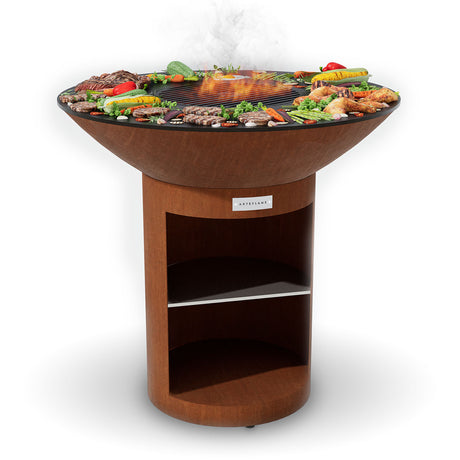
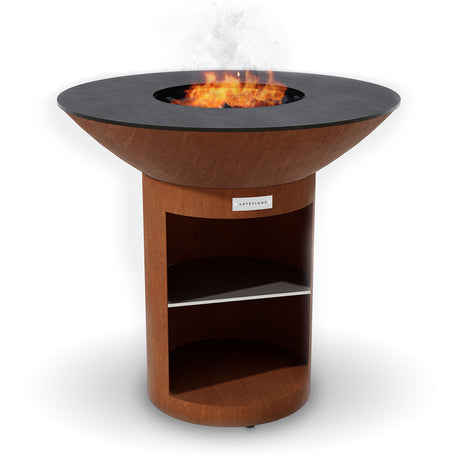
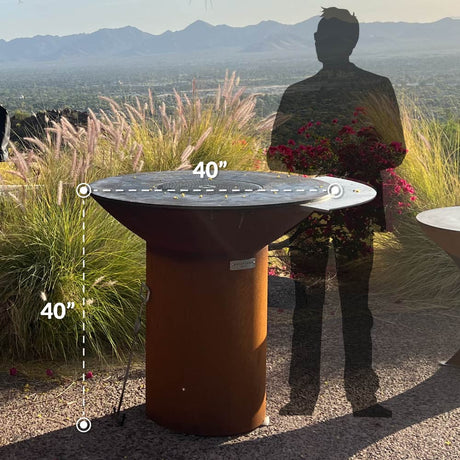
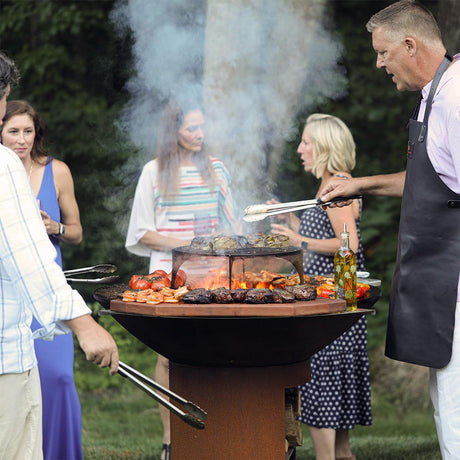
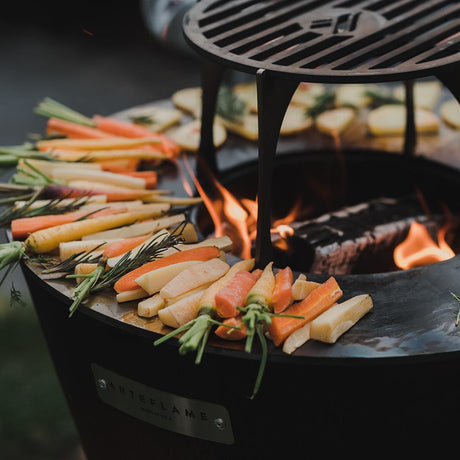
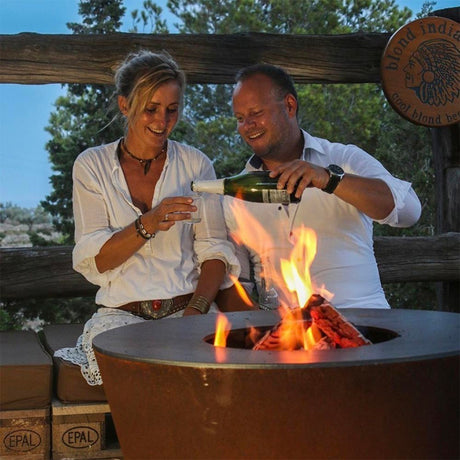
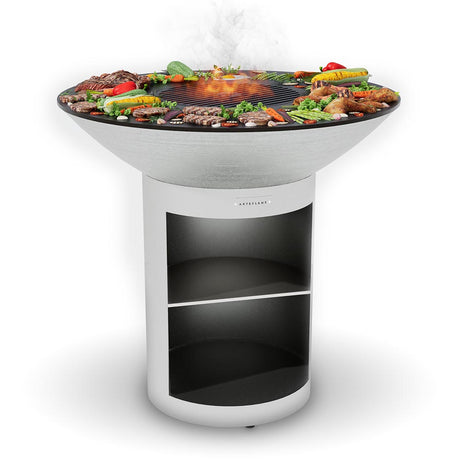
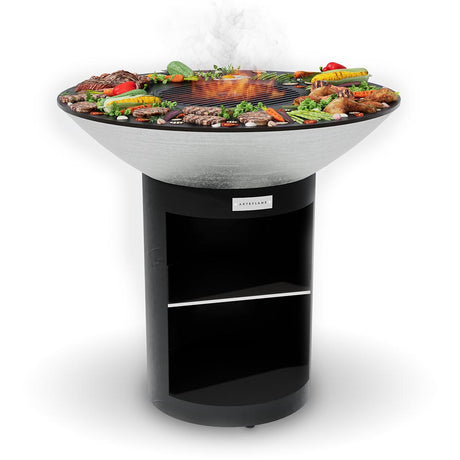




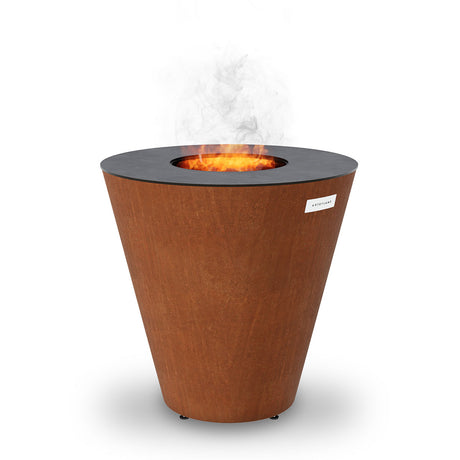
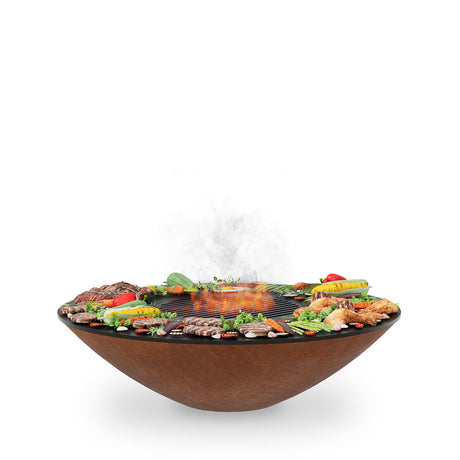
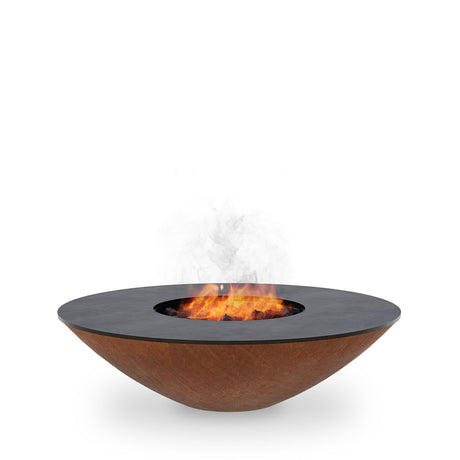
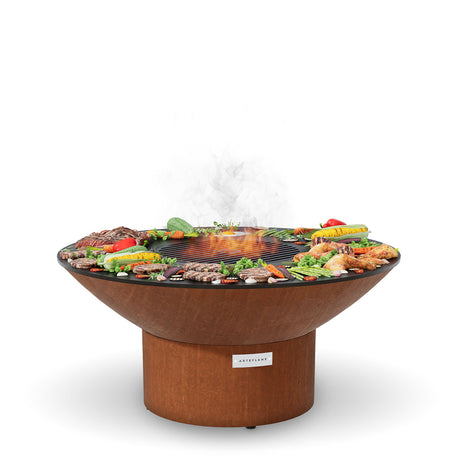


Turn yesterday's leftover macaroni into today's crispy, golden side dish with this easy wood-fired recipe.

Master this Texas-style open-fire brisket cooked entirely on the Arteflame grill. By searing on the center grate and wrapping to render on the flat top, you get perfectly tender, juicy...

Transform standard thick-cut bacon into a sweet, savory appetizer with a dark stout and brown sugar glaze, perfectly caramelized on a flat-top grill.

Render the perfect crispy skin with these Sichuan Peppercorn Duck Breasts, paired with a smoky, sweet, and spicy charred plum-poblano sauce.

Tender artichoke halves charred over high heat and smothered in rich garlic butter and Parmesan cheese.

Achieve the ultimate crust with this low-and-slow beef brisket recipe, utilizing natural heat zones for a perfect sear and incredibly tender finish.

Transform the trending crispy rice paper dumplings into a wood-fired masterpiece. Cooked on the Arteflame flat steel griddle for a shatteringly crisp crust and savory, high-protein filling.

Elevate albacore tuna with a steakhouse-style bacon wrap and a decadent green peppercorn cream sauce, grilled flawlessly on a flat-top.