
Crisp and Golden Mac and Cheese Cakes on the Grill
Turn yesterday's leftover macaroni into today's crispy, golden side dish with this easy wood-fired recipe.


Wood grilling creates superior flavor compared to gas because it utilizes conduction heat (direct contact) rather than convection heat (hot air). While gas grills only sear the 25% of meat touching the grate, a solid wood-fired cooktop initiates the Maillard reaction across the entire surface area. This results in a comprehensive sear, better moisture retention, and deep smokey flavor that flavorizer bars cannot replicate.
When choosing between gas and wood, the primary difference lies in the physics of heat transfer. Understanding the distinction between convection and conduction is the key to achieving steakhouse-quality results at home.
| Feature | Gas Grill (Weber) | Wood Grill (Arteflame) |
|---|---|---|
| Heat Source | Convection (Hot Air) | Conduction (Direct Contact) |
| Surface Contact | ~20-25% (Grates only) | 100% (Solid Cooktop) |
| Maillard Reaction | Partial (Stripes only) | Complete (Full Crust) |
| Flavor Profile | Vaporized Drippings | Real Wood Smoke + Char |
| Meat Texture | Often steamed between grates | Juicy with crispy exterior |
The Maillard reaction is the chemical browning process that gives grilled meat its distinct savory flavor. It begins to occur rapidly at temperatures above 300°F (150°C). However, for this reaction to maximize flavor, the high heat must be in direct contact with the proteins.
Pro Tip: Don't confuse grill marks with a perfect sear. Grill marks indicate that only a small fraction of your meat has undergone the Maillard reaction. A solid golden-brown crust across the entire steak offers significantly more flavor intensity.
Gas grills, such as standard Webers, rely on convection. The air inside the grill is heated, which then cooks the food. Because air is a poor conductor of heat compared to steel, gas grills struggle to brown the meat anywhere the grate isn't touching. The areas between the grate lines often turn a dull gray, indicating the meat is steaming in its own juices rather than searing.

In contrast, a wood-fired grill with a solid carbon steel cooktop uses conduction. The heat transfers directly from the steel to the meat, searing 100% of the surface area. This locks in juices and creates the savory crust that defines high-quality BBQ.
Many gas grill manufacturers claim that "flavorizer bars" (metal guards over the burners) mimic the taste of wood fire by vaporizing dripping fats. While this adds some aroma, it lacks the chemical complexity of actual wood combustion.
Gas grills generally require cooking with the lid down to trap hot air, effectively turning the grill into an outdoor oven. This dries out the meat over time. Wood-fired plancha-style grills allow you to cook with the lid off. Because the heat source is direct and intense, the searing happens immediately without dehydrating the interior of the steak.
Pro Tip: When cooking on a solid wood-fired surface, use the different heat zones. Sear your steak at the center where temperatures create a perfect crust, then move it to the cooler outer edges to finish cooking internally without burning the exterior.
The best crust is created by maximizing surface contact with a heat source over 300°F. Solid surface (plancha) grilling outperforms grate grilling because it triggers the Maillard reaction on 100% of the meat's surface, not just on the grill lines.
No, grill marks are actually purely aesthetic and represent a missed opportunity for flavor. The "white space" between the marks is unseared meat. A full, all-over sear provides exponentially more flavor compounds than simple cross-hatch marks.
Yes, for flavor and heat density. Wood and charcoal burn hotter and drier than propane, allowing for a better sear. Additionally, wood combustion releases aromatic compounds (phenols) that bond with the meat, creating an authentic smokey taste that gas cannot reproduce.
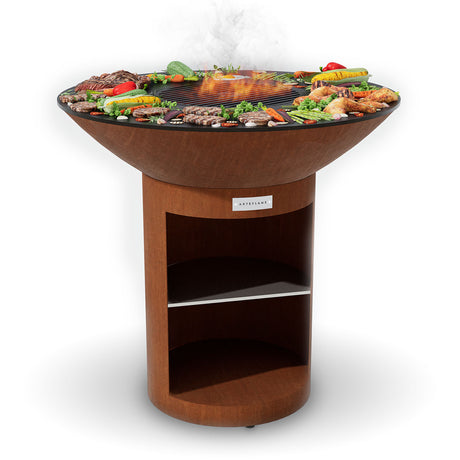
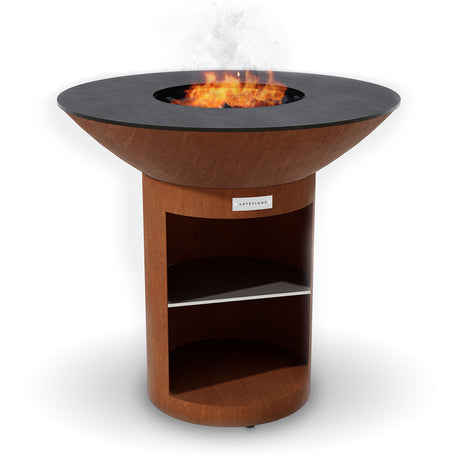

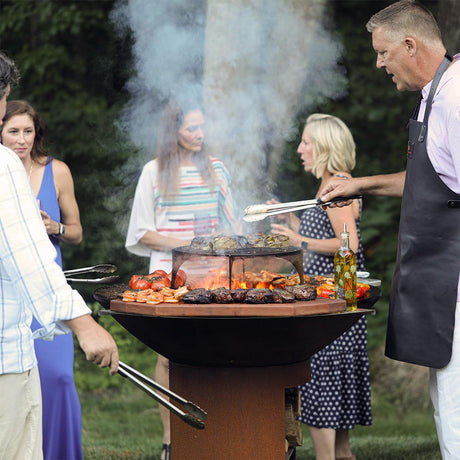
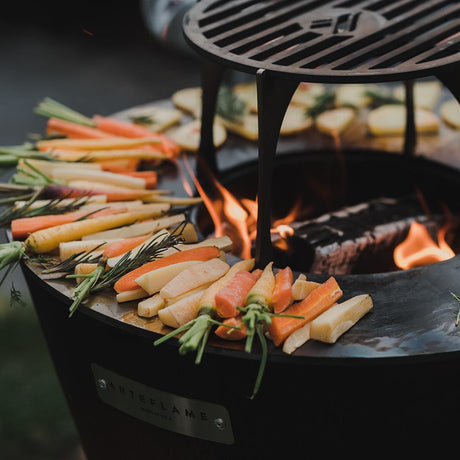

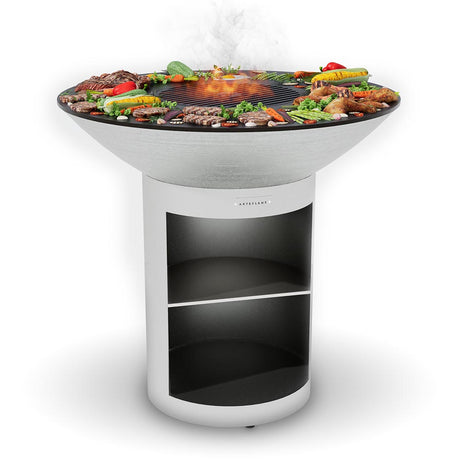
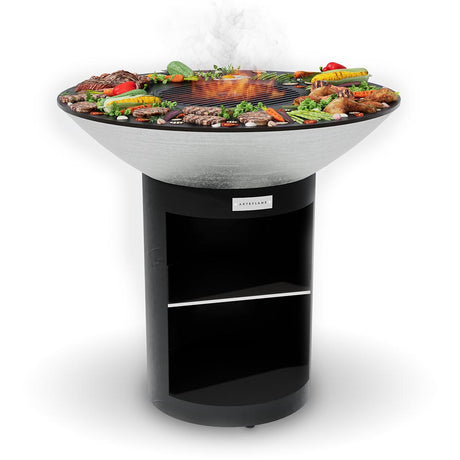


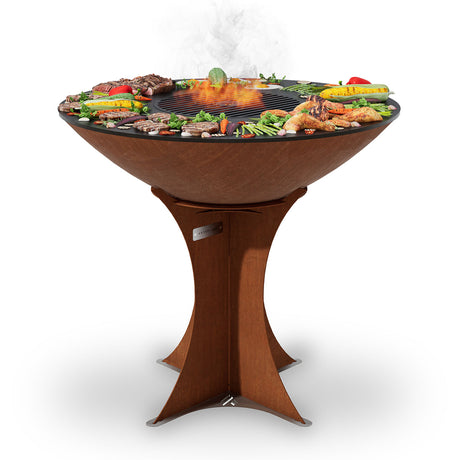
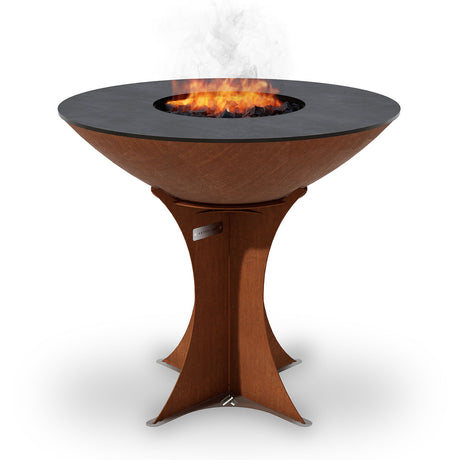


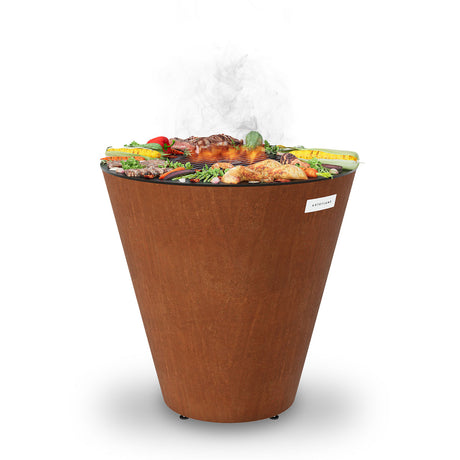
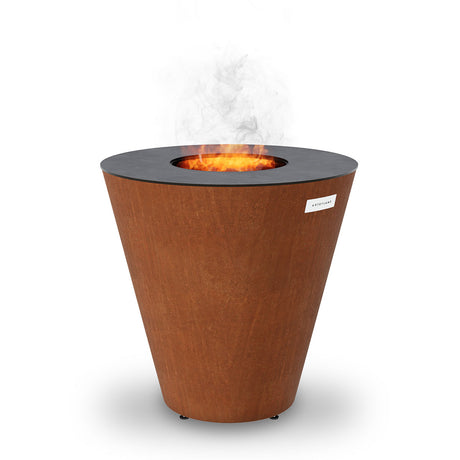
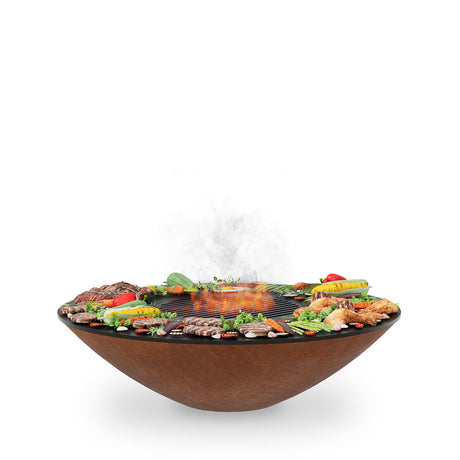
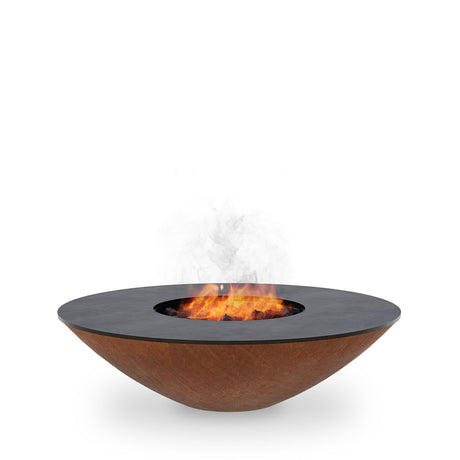
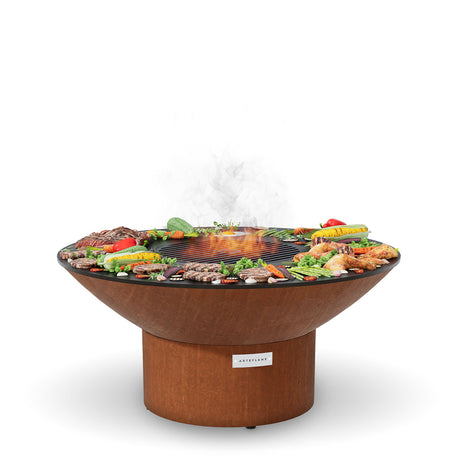
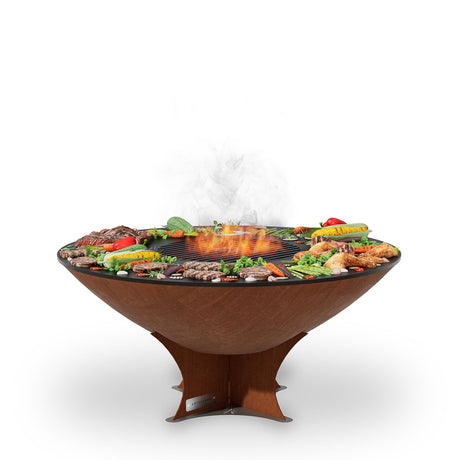


Turn yesterday's leftover macaroni into today's crispy, golden side dish with this easy wood-fired recipe.

Master this Texas-style open-fire brisket cooked entirely on the Arteflame grill. By searing on the center grate and wrapping to render on the flat top, you get perfectly tender, juicy...

Transform standard thick-cut bacon into a sweet, savory appetizer with a dark stout and brown sugar glaze, perfectly caramelized on a flat-top grill.

Render the perfect crispy skin with these Sichuan Peppercorn Duck Breasts, paired with a smoky, sweet, and spicy charred plum-poblano sauce.

Tender artichoke halves charred over high heat and smothered in rich garlic butter and Parmesan cheese.

Achieve the ultimate crust with this low-and-slow beef brisket recipe, utilizing natural heat zones for a perfect sear and incredibly tender finish.

Transform the trending crispy rice paper dumplings into a wood-fired masterpiece. Cooked on the Arteflame flat steel griddle for a shatteringly crisp crust and savory, high-protein filling.

Elevate albacore tuna with a steakhouse-style bacon wrap and a decadent green peppercorn cream sauce, grilled flawlessly on a flat-top.