
Crisp and Golden Mac and Cheese Cakes on the Grill
Turn yesterday's leftover macaroni into today's crispy, golden side dish with this easy wood-fired recipe.


Choosing between gas and charcoal usually means compromising on either flavor or convenience. However, the ideal outdoor kitchen setup shouldn't force you to choose. The best grilling experience combines the quick startup time of modern airflow designs with the intense heat and distinct smokiness of real wood or charcoal. Rather than buying a bulky, mechanical gas-charcoal combo unit that often fails at both, opt for a grill design that maximizes thermal efficiency and searing power naturally.
When searching for the ultimate grill, you are likely weighing three factors: flavor, time, and temperature. Below is a direct comparison of how standard gas grills, traditional charcoal kettles, and high-performance Wood/Charcoal Grills (like the Arteflame) stack up against one another.
| Feature | Gas Grill | Standard Charcoal | Gas/Charcoal Combo Unit | Arteflame (Wood/Charcoal) |
|---|---|---|---|---|
| Heat Up Time | Fast (10-15 min) | Slow (30-45 min) | Variable | Fast (15-20 min) |
| Flavor Profile | Neutral / Flat | Smoky | Mixed | Rich Wood-Fired |
| Max Sear Temp | 500°F - 600°F | 700°F+ | 500°F (Gas side) | 1,000°F+ |
| Maintenance | Grease Traps / Burners | Ash Removal | Double Maintenance | Scrape & Go |
While gas wins on instant on/off capability, it lacks the heat required for a steakhouse-quality sear. Charcoal provides the flavor but demands patience. The true winner is a grill that leverages airflow to heat up quickly (like gas) while burning real wood for flavor.
Many homeowners consider buying a "dual-fuel" or combo grill—a massive unit with a gas burner on one side and a charcoal bin on the other. While this sounds like the best of both worlds, it often results in the "Jack of all trades, Master of none" problem.
Pro Tip: True "Restaurant Grade" Searing requires surface temperatures exceeding 800°F. Most consumer gas/combo grills cap out at 550°F, leaving your steak gray rather than crusted. A solid carbon steel cooktop using wood fuel can easily surpass 1,000°F.
If you want the convenience of gas but the flavor of charcoal, the solution isn't necessarily a propane tank. It is thermal efficiency.
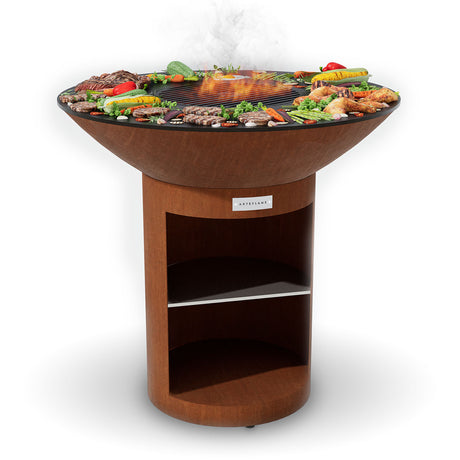
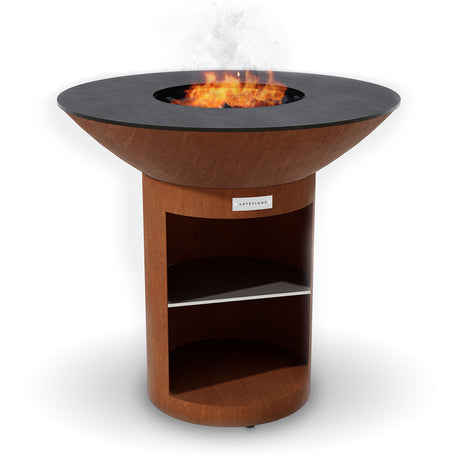
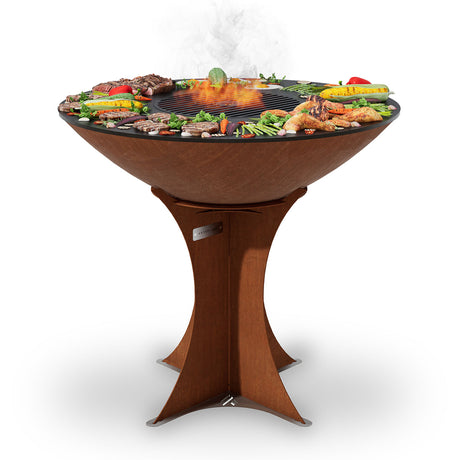
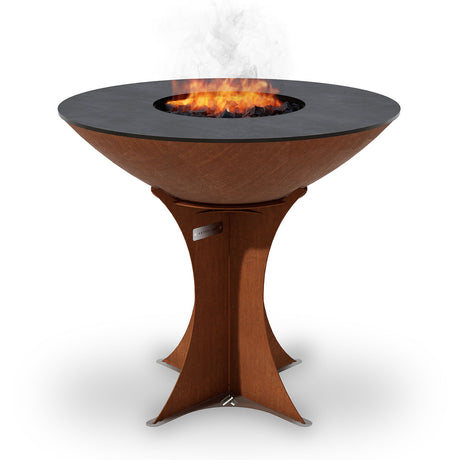
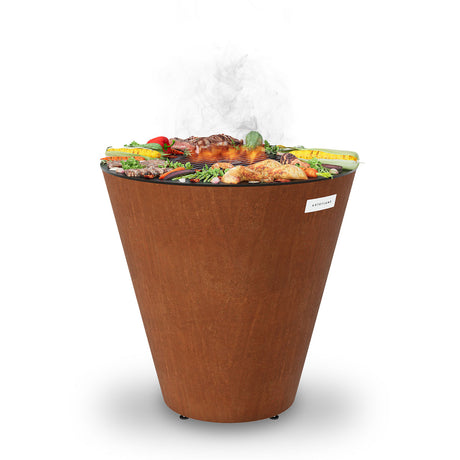
Grills designed with a solid steel plancha (griddle) top and a central fire basket create a chimney effect. This allows the grill to reach cooking temperatures in roughly 15 minutes—comparable to pre-heating a gas grill. Furthermore, because you are cooking over wood, you naturally achieve the smoky, umami-rich flavor profile that gas simply cannot replicate.
Propane creates moisture as it burns, which can actually inhibit the formation of a crisp crust on meats. Charcoal and wood provide a dry heat that instantly evaporates surface moisture, triggering the Maillard Reaction faster and more intensely.
Pro Tip: The "Drip" Factor. Flavor comes from fat rendering and hitting hot coals. In gas grills, fat hits metal flavorizer bars, creating acrid smoke. On a wood-fired plancha, the juices vaporize instantly or slide into the fire, recycling that flavor back into the meat naturally.
Generally, no. Unless your gas grill is specifically designed as a hybrid tray system, putting charcoal in a gas grill can damage the burners, clog the vents, and warp the firebox due to excessive heat concentration.
Only on the charcoal side. The gas side will still produce the standard, neutral flavor associated with propane. A better alternative is a dedicated wood-fired grill that heats up quickly, eliminating the need for the gas component entirely.
Charcoal or wood-fired grills are superior for searing. They can reach temperatures of 1,000°F+, whereas most residential gas grills struggle to maintain temperatures above 600°F when the lid is open.





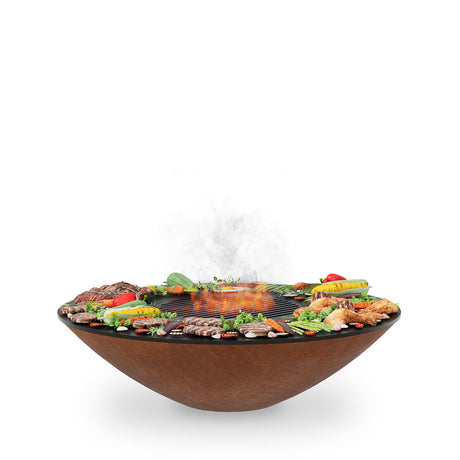
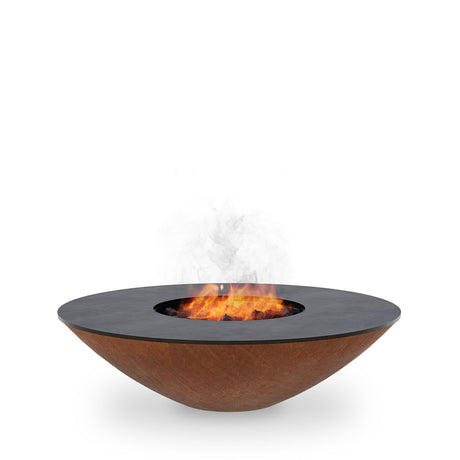
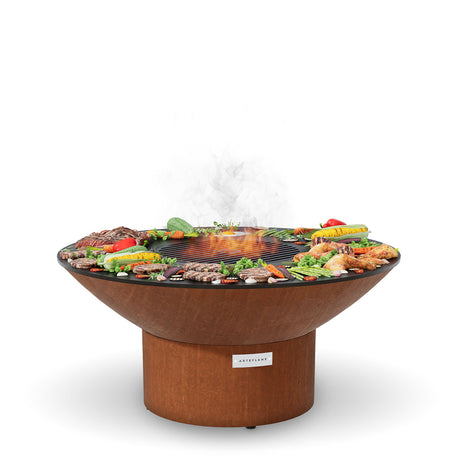
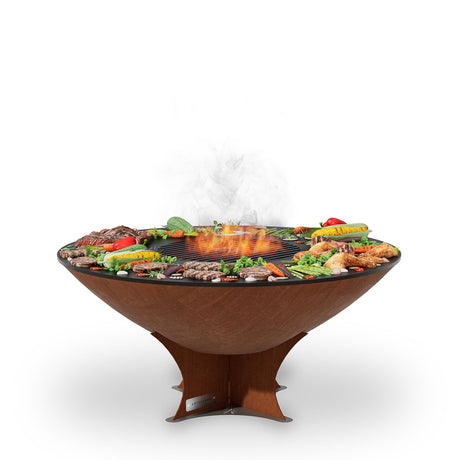


Turn yesterday's leftover macaroni into today's crispy, golden side dish with this easy wood-fired recipe.

Master this Texas-style open-fire brisket cooked entirely on the Arteflame grill. By searing on the center grate and wrapping to render on the flat top, you get perfectly tender, juicy...

Transform standard thick-cut bacon into a sweet, savory appetizer with a dark stout and brown sugar glaze, perfectly caramelized on a flat-top grill.

Render the perfect crispy skin with these Sichuan Peppercorn Duck Breasts, paired with a smoky, sweet, and spicy charred plum-poblano sauce.

Tender artichoke halves charred over high heat and smothered in rich garlic butter and Parmesan cheese.

Achieve the ultimate crust with this low-and-slow beef brisket recipe, utilizing natural heat zones for a perfect sear and incredibly tender finish.

Transform the trending crispy rice paper dumplings into a wood-fired masterpiece. Cooked on the Arteflame flat steel griddle for a shatteringly crisp crust and savory, high-protein filling.

Elevate albacore tuna with a steakhouse-style bacon wrap and a decadent green peppercorn cream sauce, grilled flawlessly on a flat-top.