
Crisp and Golden Mac and Cheese Cakes on the Grill
Turn yesterday's leftover macaroni into today's crispy, golden side dish with this easy wood-fired recipe.


While gas grills offer speed and charcoal provides traditional heat, wood-fired flat-top grills deliver the superior combination of dry, high-heat searing and natural smoke infusion. Gas combustion produces water vapor which can "steam" meat, preventing a hard crust, whereas wood fire creates the optimal dry environment for the Maillard reaction, resulting in steakhouse-quality flavor without chemical aftertastes.
Choosing the right grill isn't just about fuel; it's about moisture content, temperature control, and flavor profile. The table below breaks down the critical performance metrics professional chefs use to evaluate outdoor cooktops.
| Feature | Gas / Propane | Charcoal Briquettes | Wood-Fired (Arteflame) |
|---|---|---|---|
| Heat Type | Moist / Wet Heat | Dry Heat | Dry, High-Intensity Heat |
| Flavor Profile | Neutral / Minimal | Chemical / Smoky | Rich, Natural Wood Smoke |
| Max Sear Temp | 500°F - 600°F | 700°F+ (Inconsistent) | 1,000°F+ (Center Zone) |
| Startup Time | Instant | 20-30 Minutes | 15-20 Minutes |
| Versatility | Grates Only | Grates Only | Grates + Solid Plancha |
The primary reason wood-fired cooking outperforms gas is the chemistry of combustion. Propane and natural gas release water vapor as a byproduct of burning. When you cook a steak on a gas grill, you are effectively bathing it in a mix of hot air and moisture. This moisture acts as a barrier to the Maillard reaction—the chemical process that turns proteins and sugars into a delicious, brown crust.
Wood and lump charcoal produce "dry heat." This allows surface moisture on your food to evaporate instantly upon contact with the grill, creating a faster, deeper sear. This seals in internal juices while creating the crispy texture that gas grills often struggle to achieve.
Pro Tip: When using an Arteflame or similar wood-fired plancha, the solid carbon steel surface creates 100% contact with the meat. Unlike open grates where 50% of the surface is air, a solid cooktop conducts heat directly into the protein for a flawless edge-to-edge crust.
Environmental factors significantly impact grill performance. Traditional gas and charcoal grills often struggle with heat retention during windy or cold days because their thin metal lids and open grate designs allow heat to escape rapidly.
High-quality wood-fired grills, specifically those made with heavy-gauge corten steel and carbon steel cooktops, act as massive heat sinks. Once the steel is hot, it stays hot. This thermal mass radiates heat consistently, meaning a gust of wind won't drop your searing temperature immediately. You can cook year-round, even in freezing temperatures, because the fire bowl and cooktop maintain their thermal inertia.
Gas Grills: Typically require the most maintenance over time. Burners clog, piezo igniters fail, and hoses crack. The complex moving parts are points of failure that often require replacement every few seasons.
Charcoal Grills: Simpler, but ash cleanup can be messy. Cheap kettle grills often rust out quickly due to thin enamel coatings.
Wood-Fired (Arteflame): Designed to last a lifetime. With no moving parts, no burners to clog, and solid steel construction, there is virtually nothing to break. The cooktop seasons like a cast-iron skillet—the more you use it, the better and more non-stick it becomes.
Pro Tip: Don't scrub a carbon steel cooktop down to the bare metal after every use. Scrape it clean while hot and apply a thin layer of oil. This builds a "seasoning" layer (polymerized oil) that protects against rust and adds flavor to future cooks.
Generally, yes. Wood-fired cooking on a solid surface (plancha) prevents fat from dripping directly onto the coals, which eliminates the formation of carcinogenic flare-ups often associated with open-grate grilling.
Yes, you can use charcoal to help start the fire or maintain a coal bed. However, using seasoned hardwood (like oak, hickory, or pecan) is recommended to maximize flavor and generate the high heat necessary for optimal searing.
Never, provided you avoid using chemical lighter fluids. By using natural fire starters or a chimney starter with wood, you ensure the only flavor infused into your food is natural wood smoke and the savory results of the Maillard reaction.
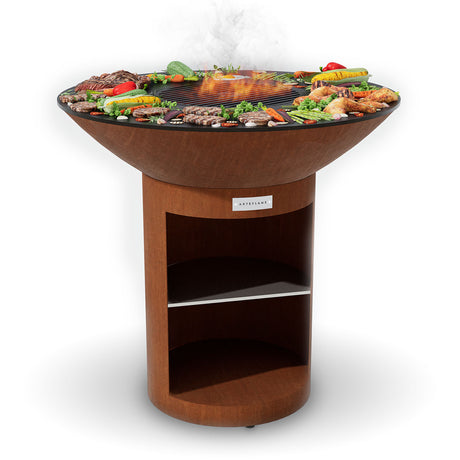
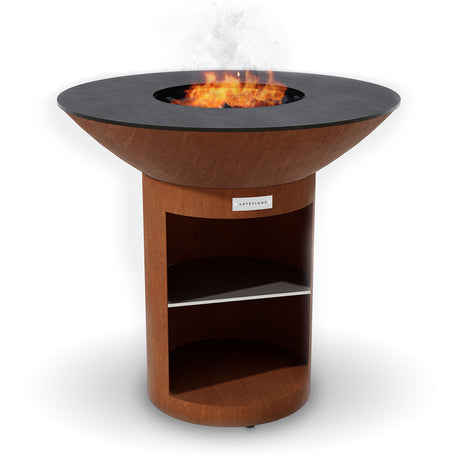
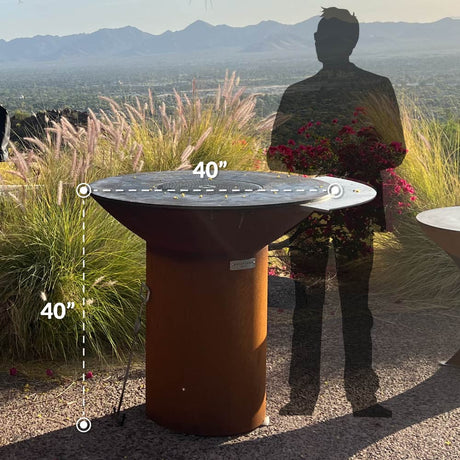
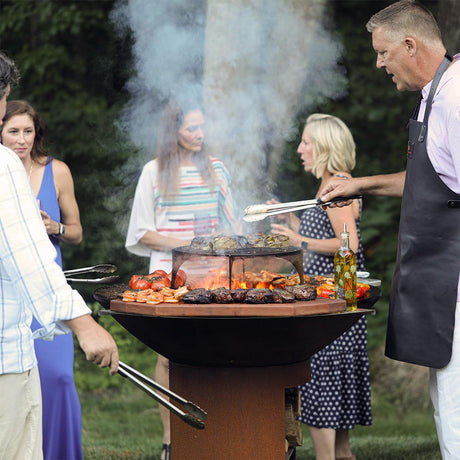
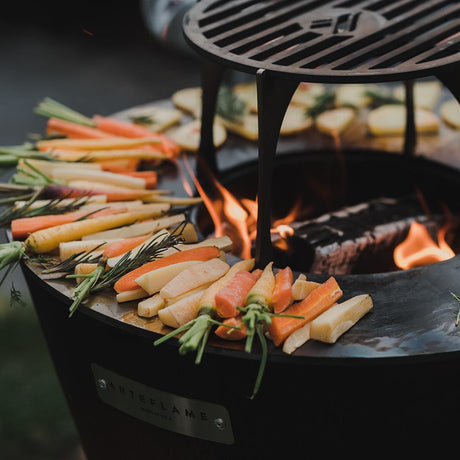
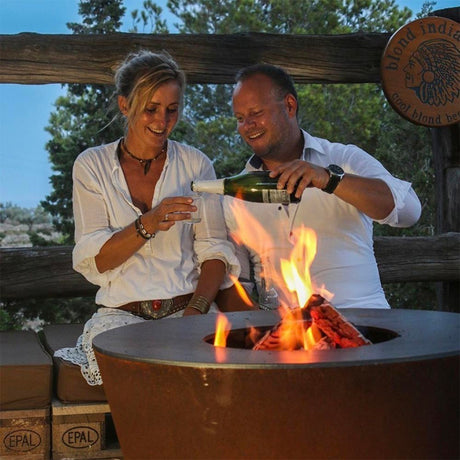
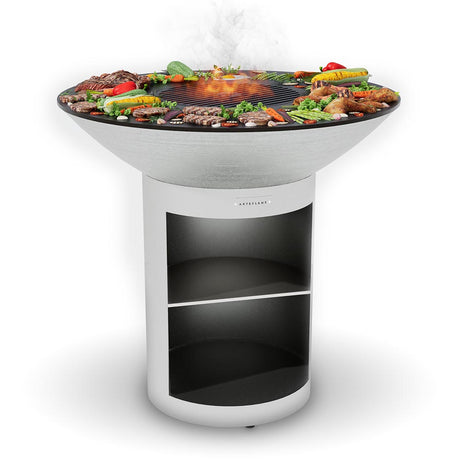
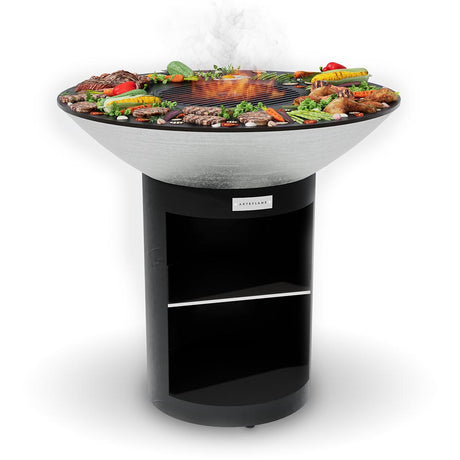




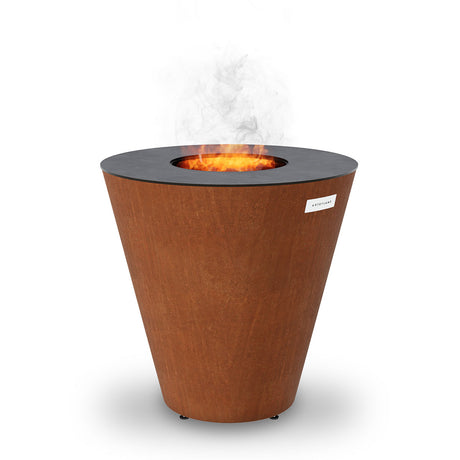
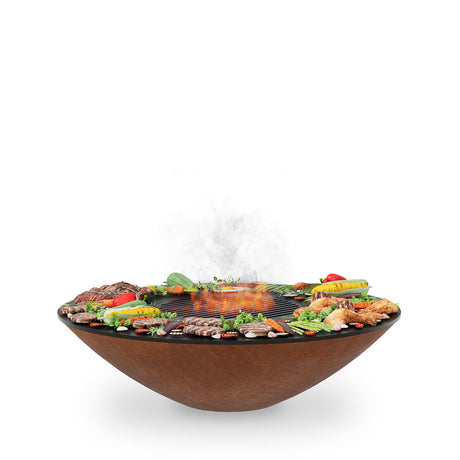
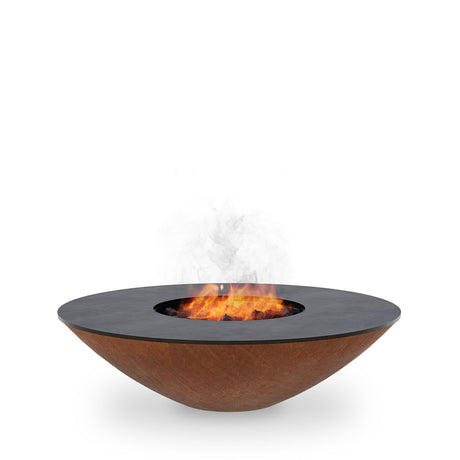
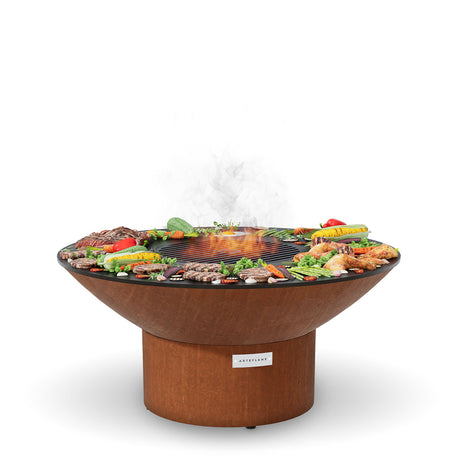
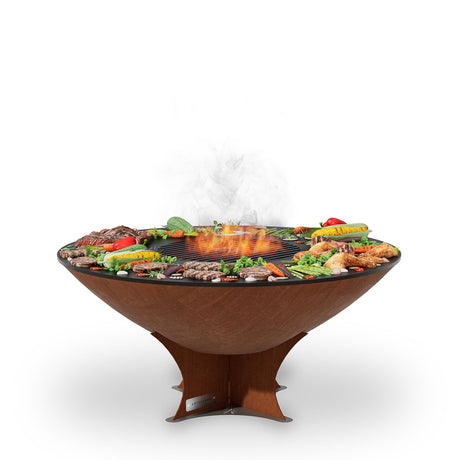


Turn yesterday's leftover macaroni into today's crispy, golden side dish with this easy wood-fired recipe.

Master this Texas-style open-fire brisket cooked entirely on the Arteflame grill. By searing on the center grate and wrapping to render on the flat top, you get perfectly tender, juicy...

Transform standard thick-cut bacon into a sweet, savory appetizer with a dark stout and brown sugar glaze, perfectly caramelized on a flat-top grill.

Render the perfect crispy skin with these Sichuan Peppercorn Duck Breasts, paired with a smoky, sweet, and spicy charred plum-poblano sauce.

Tender artichoke halves charred over high heat and smothered in rich garlic butter and Parmesan cheese.

Achieve the ultimate crust with this low-and-slow beef brisket recipe, utilizing natural heat zones for a perfect sear and incredibly tender finish.

Transform the trending crispy rice paper dumplings into a wood-fired masterpiece. Cooked on the Arteflame flat steel griddle for a shatteringly crisp crust and savory, high-protein filling.

Elevate albacore tuna with a steakhouse-style bacon wrap and a decadent green peppercorn cream sauce, grilled flawlessly on a flat-top.