
Crisp and Golden Mac and Cheese Cakes on the Grill
Turn yesterday's leftover macaroni into today's crispy, golden side dish with this easy wood-fired recipe.


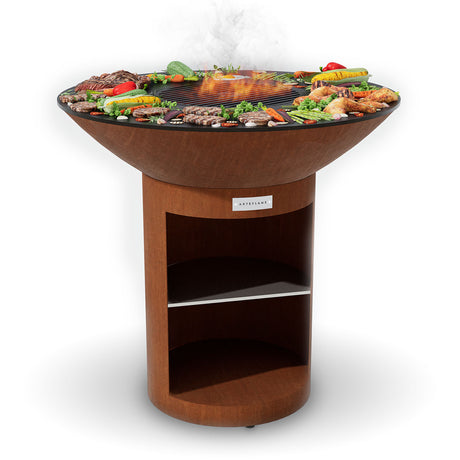
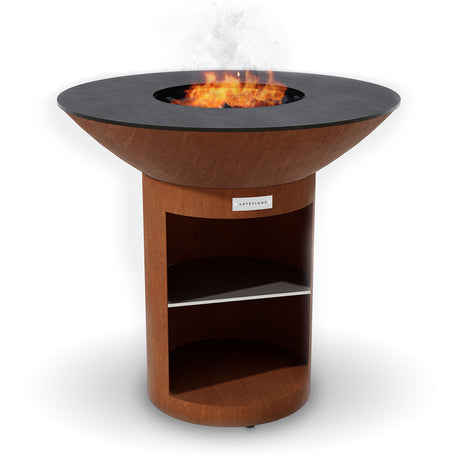
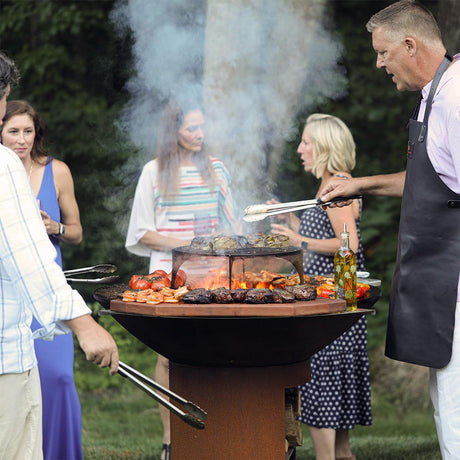
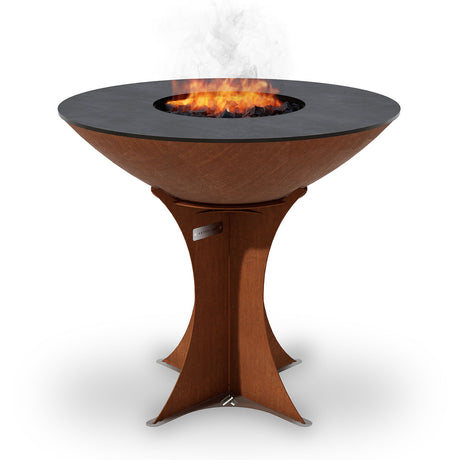
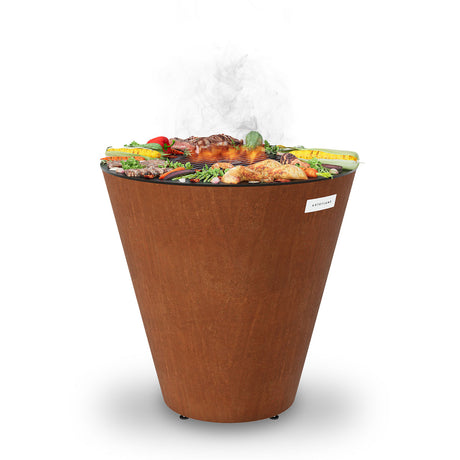
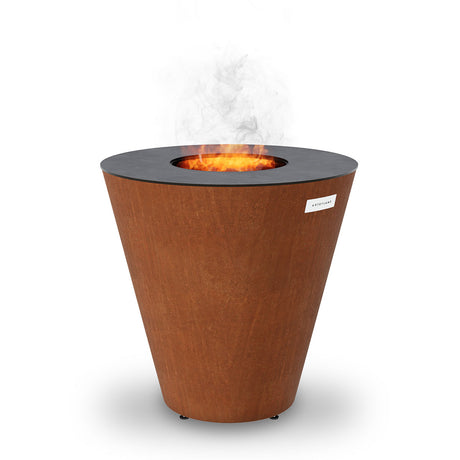
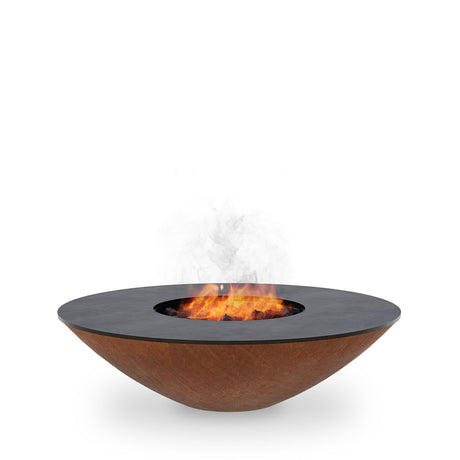
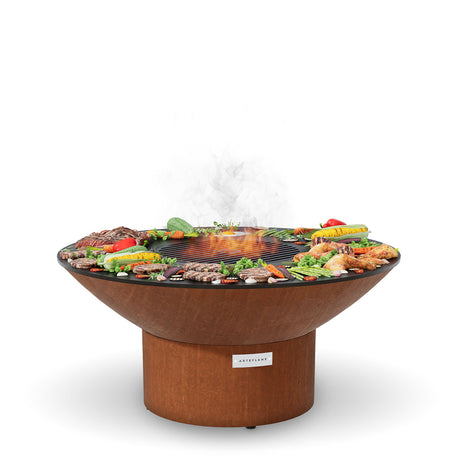
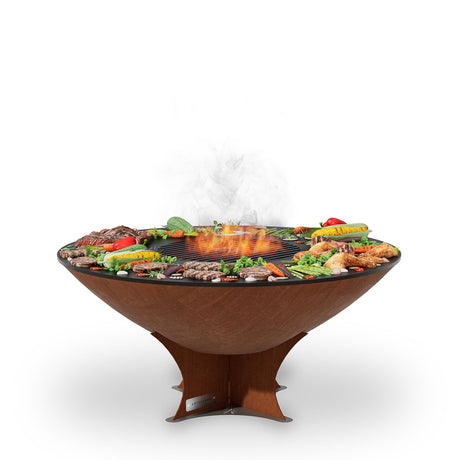
Wood-fired grilling on a solid steel plancha eliminates the dangerous flare-ups common with gas and charcoal grates while delivering restaurant-quality searing temperatures exceeding 1,000°F. By replacing open grates with a carbon steel insert, you achieve a continuous surface contact that locks in juices and infuses food with a distinct, complex smoky flavor that gas cannot replicate. This upgrade effectively transforms a standard kettle or gas setup into a versatile, high-performance outdoor kitchen.
The primary difference lies in the heat transfer method and flavor infusion. While gas offers convenience, it lacks depth. Charcoal provides smoke but struggles with heat consistency. Wood-fired planchas offer the best of both worlds: extreme heat for searing and the aromatic benefits of real wood.
Use the comparison below to understand why upgrading to a solid cooktop surface changes the culinary outcome.
| Feature | Standard Gas Grill | Charcoal Kettle (Grates) | Wood-Fired Plancha (Arteflame) |
|---|---|---|---|
| Flavor Profile | Neutral, often gas-like | Smoky, distinct charcoal taste | Rich, complex wood-smoke infusion |
| Searing Heat | 500°F - 600°F (Average) | 700°F (Peak) | 1,000°F+ (Center) |
| Flare-Ups | Frequent (Fat drips on flames) | Moderate | Zero (Solid surface) |
| Versatility | Standard grilling only | Grilling & Smoking | Grill, Sear, Griddle (Eggs to Steaks) |
| Juice Retention | Low (Drips away) | Medium | Maximum (Cooks in own juices) |
Yes, converting an existing setup is often more cost-effective than buying an entirely new rig. If you own a standard kettle grill (like a Weber), you do not need to abandon it to achieve professional wood-fired results.
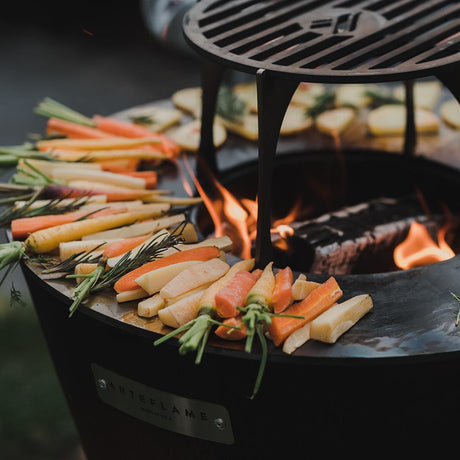
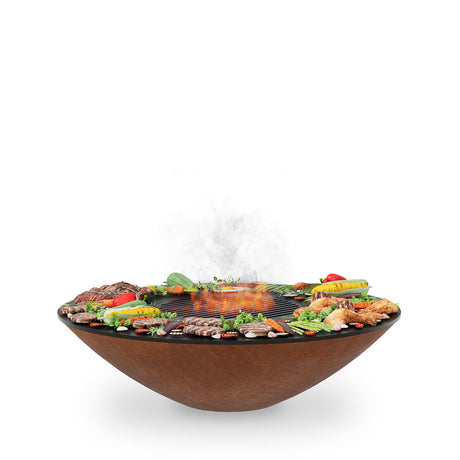
By removing the wire rack and installing a solid carbon steel insert, you change the thermodynamics of the grill. The steel absorbs the heat from the wood or charcoal below and distributes it radially. This creates specific heat zones—intense heat in the center for searing steaks, and cooler temperatures toward the edges for roasting vegetables.
Pro Tip: When using a plancha insert, theMaillard Reaction is amplified. Because 100% of the meat's surface touches the hot steel (unlike the 20% contact on wire grates), you get a deeper, more flavorful crust without drying out the center of the meat.
The upgrade to a wood-fired plancha isn't just about heat; it is about flavor purity. Gas grills often impart a chemical aftertaste, and traditional charcoal grates allow fats to drip onto coals, creating acrid smoke that can make food taste bitter.
On a solid steel cooktop, the juices from burgers, steaks, and veggies remain on the surface. As these juices heat up, they caramelize and vaporize back into the food, intensifying the natural flavors. Simultaneously, the wood fire underneath adds a subtle layer of smokiness without overpowering the dish.
Pro Tip: Treat your carbon steel insert like a cast-iron skillet. The more you cook on it, the better it performs. The steel undergoespolymerization where fats bake into the metal, creating a natural, non-stick, blackened patina that improves flavor transfer over time.
No, maintenance is actually simpler. Unlike gas grills with burners that clog or grates that require wire brushing, a solid steel plancha only needs to be scraped clean and wiped with oil after use to maintain its seasoning.
Absolutely. While wood provides the best flavor, you can use charcoal lumps or briquettes as your heat source under the insert. Many chefs use a base of charcoal for consistent heat and add wood chunks for flavor.
It takes slightly longer, typically 15-20 minutes, to reach optimal searing temperatures. However, once the thick steel is hot, it retains heat significantly longer and more evenly than thin gas grill grates.


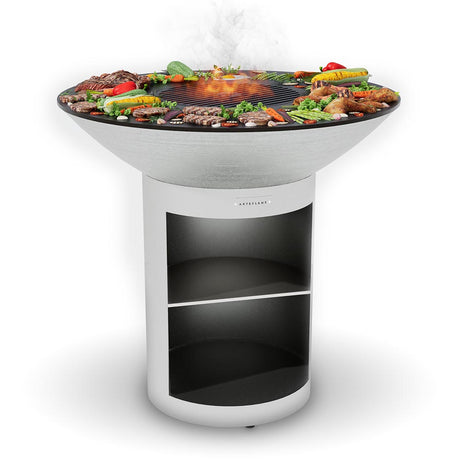
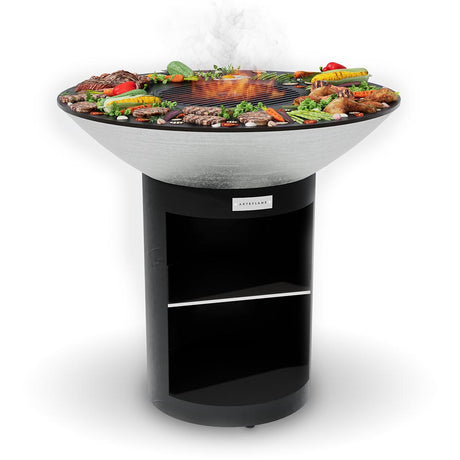


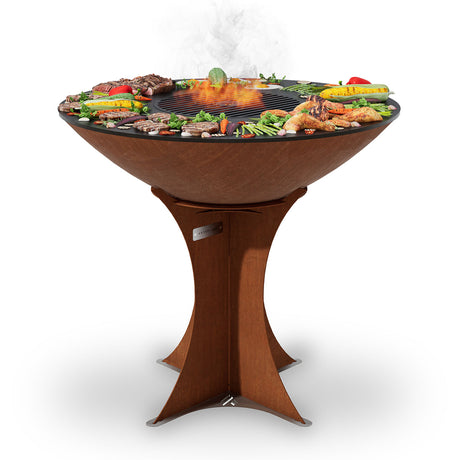




Turn yesterday's leftover macaroni into today's crispy, golden side dish with this easy wood-fired recipe.

Master this Texas-style open-fire brisket cooked entirely on the Arteflame grill. By searing on the center grate and wrapping to render on the flat top, you get perfectly tender, juicy...

Transform standard thick-cut bacon into a sweet, savory appetizer with a dark stout and brown sugar glaze, perfectly caramelized on a flat-top grill.

Render the perfect crispy skin with these Sichuan Peppercorn Duck Breasts, paired with a smoky, sweet, and spicy charred plum-poblano sauce.

Tender artichoke halves charred over high heat and smothered in rich garlic butter and Parmesan cheese.

Achieve the ultimate crust with this low-and-slow beef brisket recipe, utilizing natural heat zones for a perfect sear and incredibly tender finish.

Transform the trending crispy rice paper dumplings into a wood-fired masterpiece. Cooked on the Arteflame flat steel griddle for a shatteringly crisp crust and savory, high-protein filling.

Elevate albacore tuna with a steakhouse-style bacon wrap and a decadent green peppercorn cream sauce, grilled flawlessly on a flat-top.