
Crisp and Golden Mac and Cheese Cakes on the Grill
Turn yesterday's leftover macaroni into today's crispy, golden side dish with this easy wood-fired recipe.


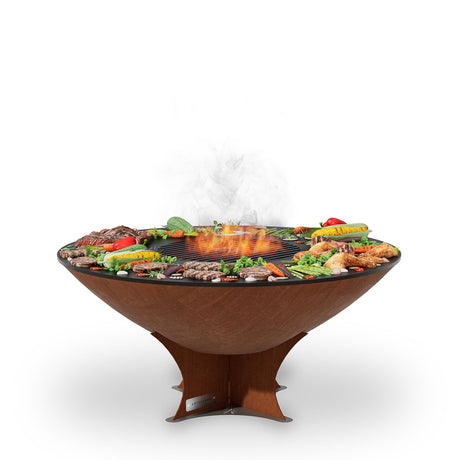
Flambéing on an Arteflame grill involves igniting high-proof alcohol (80-proof or higher) on the hot, flat carbon steel cooktop to create a burst of flame that caramelizes sugars and deepens flavors. To do this safely and effectively, always pour the liquor into a separate cup before adding it to the grill surface—never pour directly from the bottle. This technique instantly creates a rich glaze ideal for finishing steaks or caramelizing fruits like bananas and pineapples.
Choosing the right fuel is critical for both the flame height and the final flavor profile. Below is a comparison of the best spirits to use when cooking on a flat-top grill.
| Alcohol Type | Proof Needed | Flavor Profile | Best Food Pairing |
|---|---|---|---|
| Cognac / Brandy | 80 Proof (40% ABV) | Rich, fruity, oaky | Steak Diane, Peaches |
| Dark Rum | 80 Proof (40% ABV) | Sweet, molasses, caramel | Bananas, Pineapple |
| Bourbon / Whiskey | 80-100 Proof | Vanilla, smoky, woodsy | Pork Chops, Apples |
| Grand Marnier | 80 Proof (40% ABV) | Sweet orange zest | Crepes, Berries |
Note: Beer and wine do not have enough alcohol content to ignite properly, while 151-proof liquors are often too volatile and dangerous for recreational outdoor cooking.
Safety is the primary concern when introducing open flames to an already hot surface. The Arteflame's design allows you to push food to the outer flat ring, which is the safest place to perform this technique.
Ensure your grill is up to temperature. The carbon steel cooktop should be hot enough to sizzle immediately. Measure out your liquor into a wide-mouthed glass or steel cup. Do not use plastic cups, as the radiant heat near the fire bowl can melt them.
Move the food you intend to flambé to a flat area of the cooktop, slightly away from the center fire opening. Pour the liquid over the food quickly but carefully. Do not lean over the grill while pouring.
Pro Tip: If the alcohol does not ignite immediately from the heat of the grill, use a long-handled grill lighter. Never reach in with a standard pocket lighter, as the vapors can ignite suddenly.
Once the flame is lit, the alcohol burns off rapidly, leaving behind the concentrated flavors of the spirit. This process usually lasts 30 to 60 seconds.
Let the flame burn out naturally. Agitating the food while it is flaming can cause oil spatters. Once the fire subsides, the remaining sauce will have thickened. Slide the food around in this reduction to coat it evenly.
Flambé dishes are best served the moment the flame dies down. The sugar crust on fruits or the glaze on meats is most potent right after the burn.
Pro Tip: Add a tablespoon of butter to the cooktop right as the flame dies. The butter will emulsify with the reduced alcohol sugars to create a velvety, restaurant-quality pan sauce directly on the grill.
Yes, you can use vodka as long as it is 80-proof or higher. However, vodka adds a neutral heat rather than flavor, so it is less popular than brandy or rum for culinary purposes.
Not entirely. While the intense burst of fire removes a significant portion of the alcohol content, roughly 25% of the alcohol may remain depending on the duration of the burn.
If your flambé failed to light, your grill surface may not have been hot enough to vaporize the alcohol, or the spirit used was below 80 proof (40% ABV). Move the food closer to the center fire to increase heat.






Turn yesterday's leftover macaroni into today's crispy, golden side dish with this easy wood-fired recipe.

Master this Texas-style open-fire brisket cooked entirely on the Arteflame grill. By searing on the center grate and wrapping to render on the flat top, you get perfectly tender, juicy...

Transform standard thick-cut bacon into a sweet, savory appetizer with a dark stout and brown sugar glaze, perfectly caramelized on a flat-top grill.

Render the perfect crispy skin with these Sichuan Peppercorn Duck Breasts, paired with a smoky, sweet, and spicy charred plum-poblano sauce.

Tender artichoke halves charred over high heat and smothered in rich garlic butter and Parmesan cheese.

Achieve the ultimate crust with this low-and-slow beef brisket recipe, utilizing natural heat zones for a perfect sear and incredibly tender finish.

Transform the trending crispy rice paper dumplings into a wood-fired masterpiece. Cooked on the Arteflame flat steel griddle for a shatteringly crisp crust and savory, high-protein filling.

Elevate albacore tuna with a steakhouse-style bacon wrap and a decadent green peppercorn cream sauce, grilled flawlessly on a flat-top.