
Best Grilled Vegetables: Charred & Crispy Guide | Arteflame
Learn the best veggies for grilling—plus times, temps, and pro tips—optimized for Arteflame heat zones for perfect char and flavor every time.


While wrapping fish in foil prevents it from sticking to traditional wire grates, it sacrifices flavor for convenience. Foil essentially steams the fish in its own juices, preventing the Maillard reaction—the browning process that creates a savory crust and rich flavor. For the best taste, grill fish directly on a solid surface or well-oiled grate. If you are using an Arteflame or similar flat-top grill, foil is unnecessary because the solid cooktop prevents flaking while delivering a restaurant-quality sear.
Before you wrap your next catch, look at how the cooking surface changes the texture and flavor profile of your seafood. Foil is a safety net for bad grates, not a culinary enhancer.
| Feature | Foil Packet Grilling | Traditional Wire Grates | Solid Steel Cooktop (Arteflame) |
|---|---|---|---|
| Cooking Method | Steaming / Baking | Direct Fire (Risk of Flare-ups) | Direct Contact Searing |
| Texture | Soft, poached texture | Often dry or torn | Crispy skin, juicy interior |
| Flavor Profile | Mild, boiled taste | Smoky, charred | Rich, caramelized, savory |
| Risk of Sticking | None | High (Fillets fall through) | Low (With proper oiling) |
The fear of fish flaking apart is why most pitmasters reach for aluminum foil. However, you can achieve a non-stick experience on direct heat by managing your surface temperature and lubrication correctly.
Fish requires high heat to sear quickly before it dries out. On a solid flat-top grill, build a medium-to-high fire. You want the surface hot enough that water droplets sizzle and evaporate instantly upon contact. If the surface is too cool, the proteins will bond to the metal rather than searing off.
Never place dry fish on hot metal. Lightly coat your fish fillets with a high-smoke point oil (like Avocado or Grapeseed oil) rather than just oiling the grill. This creates a direct barrier on the protein itself.
Pro Tip: For the ultimate non-stick insurance on a flat-top grill, apply a thin layer of mayonnaise to the fish instead of oil. The egg proteins in the mayo brown beautifully, creating a non-stick crust that releases effortlessly from the steel, and it does not taste like mayo after cooking.
When you seal fish in foil, you trap moisture. While this keeps the fish wet, it limits the temperature to the boiling point of water (212°F). You miss out on the complex flavors developed at higher temperatures.
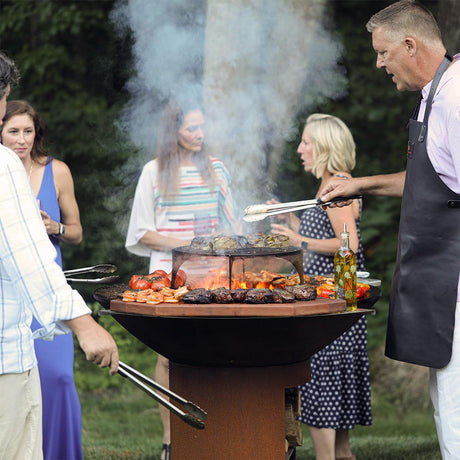
Direct grilling exposes the fish to temperatures upward of 350°F to 450°F. This triggers the Maillard reaction, rearranging amino acids and sugars to create that distinct "grilled" flavor. On an Arteflame, the solid steel cooktop acts like a Japanese Teppanyaki grill or a Spanish Plancha, giving you 100% surface contact for maximum crust development without the risk of the meat falling into the fire.
Yes, you can use foil on an Arteflame, but it is not recommended for proteins. Using foil blocks the seasoning on the steel cooktop from interacting with the food, denying you the signature sear and flavor enhancement that the grill provides.
Always grill the skin side first. The skin acts as a protective barrier against the heat, allowing the flesh to cook gently. Wait until the skin releases naturally from the grill surface before attempting to flip it.
Grilling in foil requires less added fat, which can be slightly lower in calories. However, direct grilling on a flat top allows excess fat to drain away into the fire, and many chefs argue the nutritional difference is negligible compared to the massive gain in flavor.
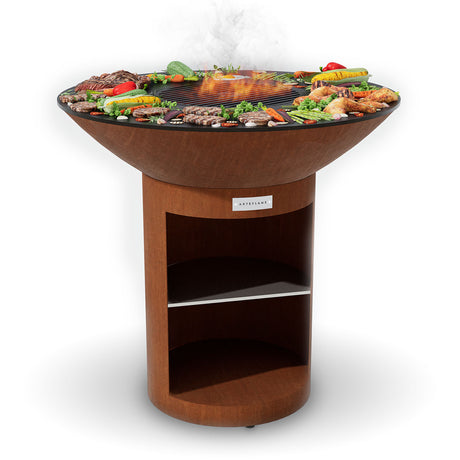
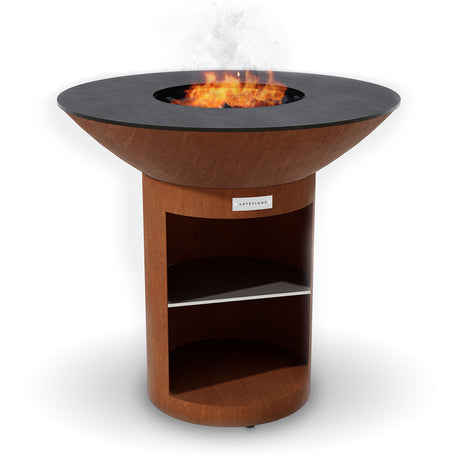
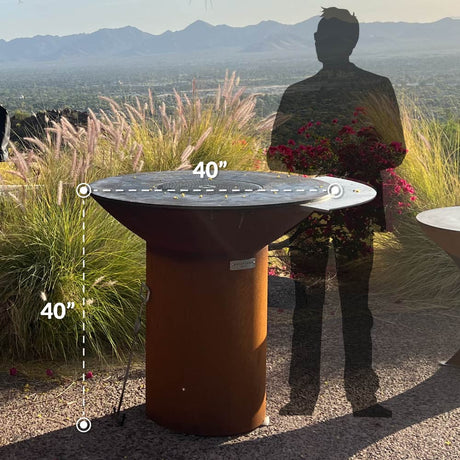
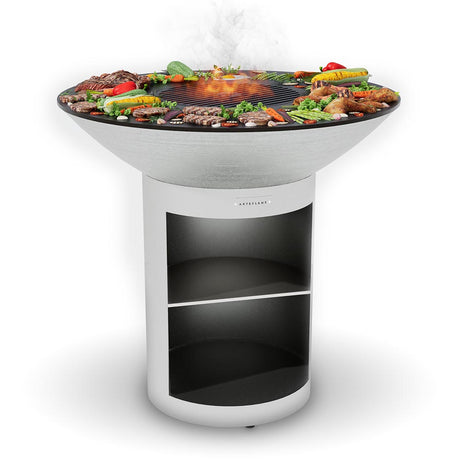
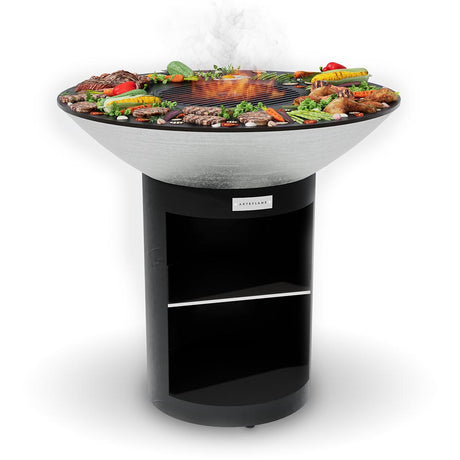


Arteflame Classic 40″ — Storage Base Flat-Top Grill & Fire Bowl (CORTEN Steel)
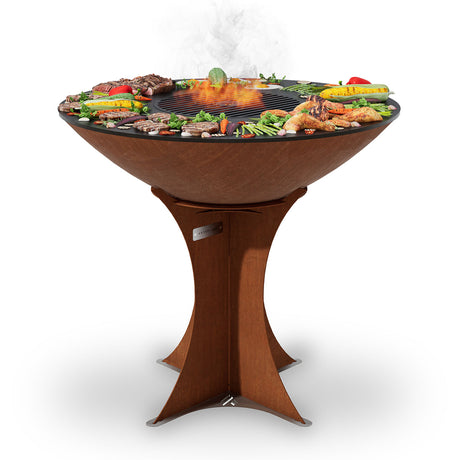
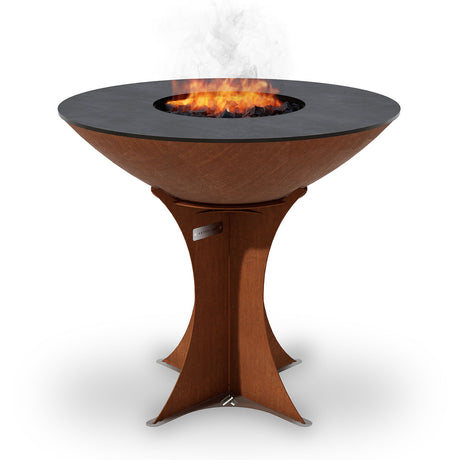


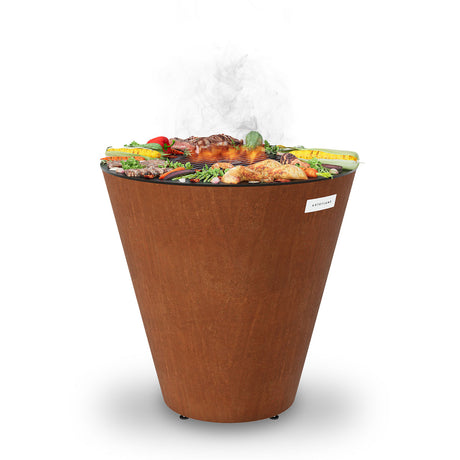
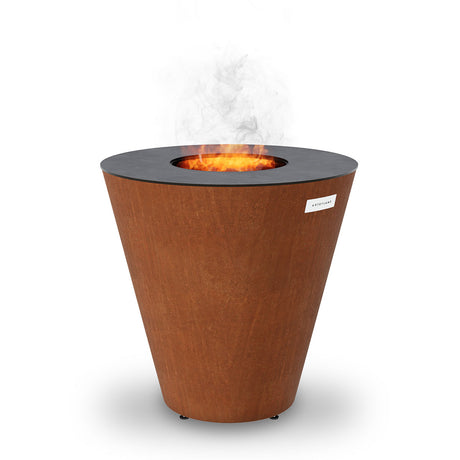
Arteflame ONE30 — 30″ One Series Flat-Top Charcoal Grill & Fire Bowl (Single-Piece CORTEN Steel)
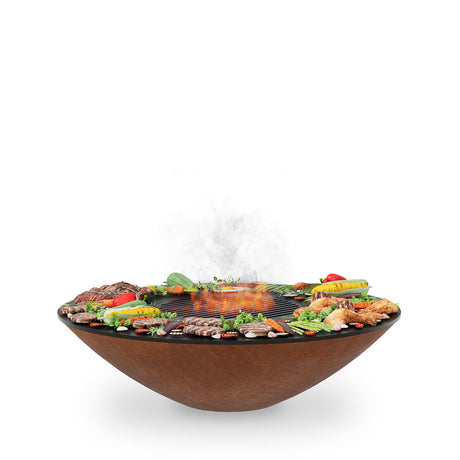
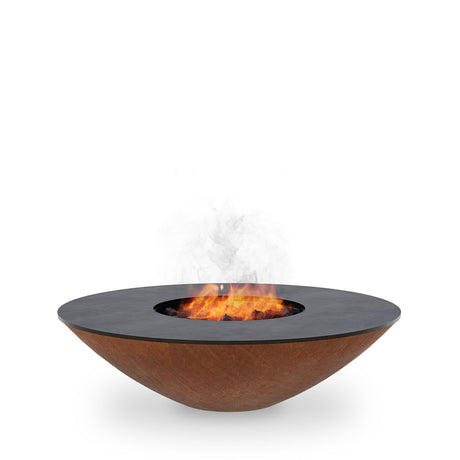
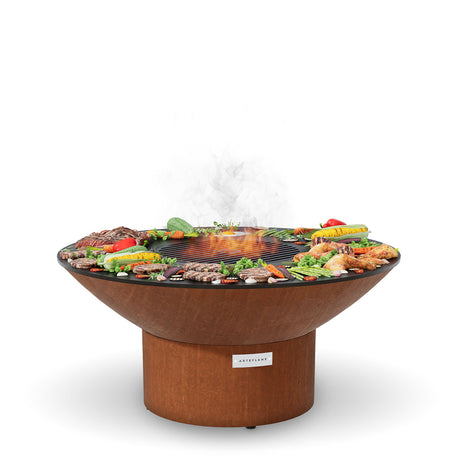
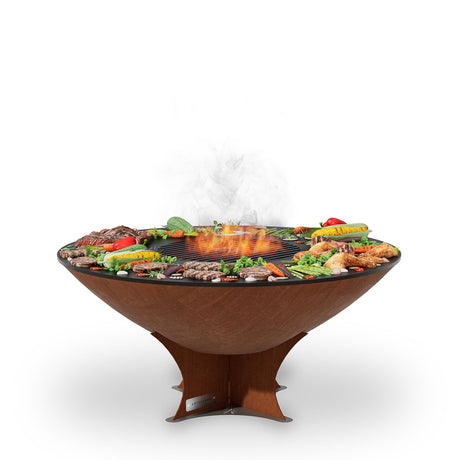

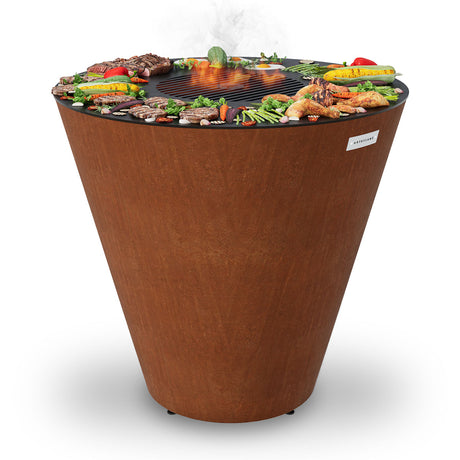


Arteflame One Series 40″ — XXL Flat-Top Charcoal Grill & Fire Bowl (Single-Piece CORTEN Body)


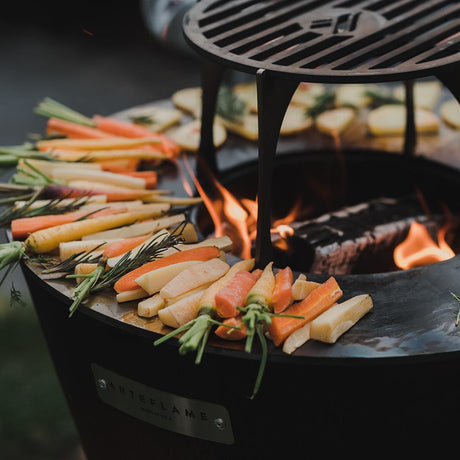
Learn the best veggies for grilling—plus times, temps, and pro tips—optimized for Arteflame heat zones for perfect char and flavor every time.

Transform classic apple pie into a handheld delight with these Wyoming Apple Cinnamon Grilled Dessert Wraps. perfectly crispy, caramelized, and cooked on the Arteflame grill for a smoky finish.

Experience the rustic taste of the West with this Wyoming Campfire Blueberry Cobbler recipe for the Arteflame grill. Featuring bubbling blueberries and a golden biscuit crust cooked in cast iron,...

Experience the rugged flavor of the American West with these Wyoming Wild Boar Chops. Seared to perfection on the Arteflame grill, this recipe uses a savory juniper and sage rub...

Elevate your BBQ with these Wyoming-style grilled carrots. Sweet honey, tangy balsamic, and a perfect char make this the ultimate side dish for your Arteflame grill. Easy, healthy, and packed...

Unleash the flavor of the American West with these tender Wyoming Teriyaki Bison Skewers. Featuring a homemade savory-sweet glaze and perfectly charred vegetables, this recipe maximizes the searing power of...

Unlock the savory flavors of the West with this Wyoming-style garlic parmesan grilled mushrooms recipe. Perfectly seared on the Arteflame flat top, these buttery, cheesy mushrooms make the ultimate side...

Unlock the bold flavors of the West with this Wyoming-style grilled jalapeño cheddar sausage recipe. Learn how to achieve the perfect sear and juicy interior using your Arteflame grill for...