
Best Grilled Vegetables: Charred & Crispy Guide | Arteflame
Learn the best veggies for grilling—plus times, temps, and pro tips—optimized for Arteflame heat zones for perfect char and flavor every time.


High heat (450°F+) is essential for searing meats like steaks and burgers to create a flavorful crust via the Maillard reaction without overcooking the inside. Medium heat (350°F – 400°F) is best for thicker cuts, poultry, sausages, and vegetables that require longer cooking times to reach safe internal temperatures without burning the exterior. On an Arteflame grill, you can achieve both simultaneously by utilizing the varying heat zones of the flat cooktop.
Use this heat map to determine exactly where to place your food on the grill for optimal results.
| Food Item | Heat Level | Technique | Goal |
|---|---|---|---|
| Steak (Ribeye, Strip) | High (Center) | Fast Sear | Crusty exterior, rare/medium-rare interior. |
| Chicken (Bone-in) | Medium (Mid-Ring) | Slow Roast | Fully cooked interior, crispy skin, no char. |
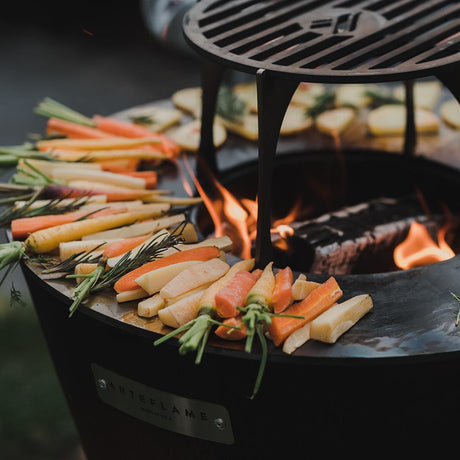
| Vegetables | Medium/Low (Outer) | Sauté | Tender-crisp texture, caramelized sugars. |
| Burgers | High then Medium | Sear & Slide | Sear the patty, move to medium to finish. |
| Fish | Medium (Mid-Ring) | Gentle Sear | Cook through without sticking or drying. |
High heat is the engine of flavor. It is strictly for searing and cooking thin cuts of meat quickly. When you place a steak on the hottest part of the grill—the center of the plancha near the fire—proteins and sugars react to create the Maillard reaction. This creates the savory brown crust that defines a great grilled dish.
Pro Tip: Moisture is the enemy of the sear. Always pat your meat completely dry with a paper towel before placing it on high heat. If the surface is wet, the moisture must boil off before the meat can sear, leading to steamed, grey meat.
Medium heat is about penetration and rendering. Thicker foods or proteins with high fat content (like sausages) need time for the heat to travel to the center. If you cook a thick chicken breast over high heat, the outside will burn carbon-black before the inside is safe to eat.
Medium heat allows you to render fat slowly. For duck breast or sausages, medium heat melts the fat gradually, crisping the skin without causing massive flare-ups or burning.
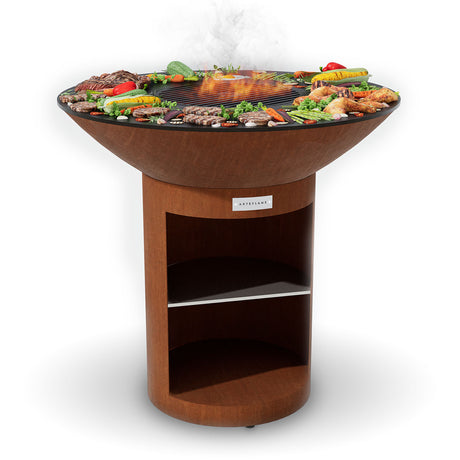
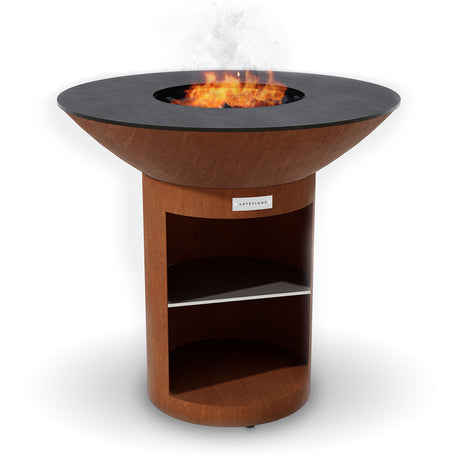
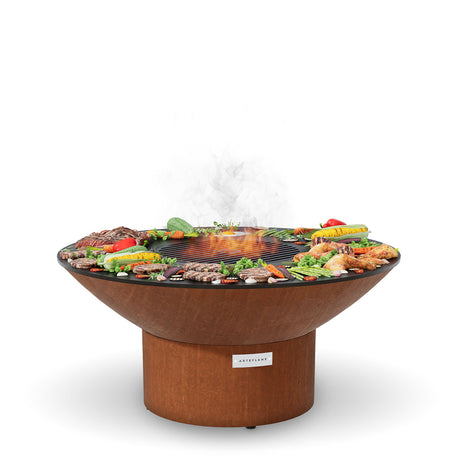
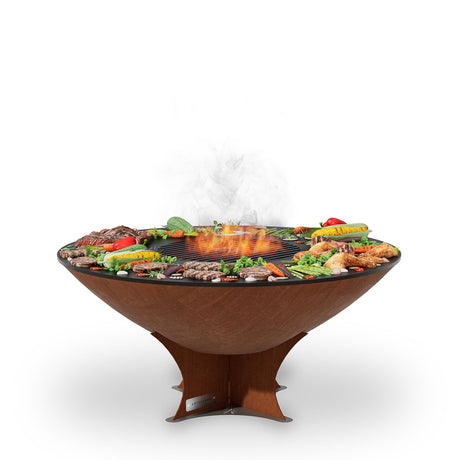
Unlike traditional gas or charcoal grills where you struggle to create "zones," the Arteflame cooktop is engineered with a natural heat gradient. The steel cooktop is hottest in the center and gradually cools toward the outer edge.
Pro Tip: Utilize the "Reverse Sear" method effortlessly. Start your thick steaks on the outer ring (medium/low heat) to bring the internal temperature up slowly. Once they are 10°F from your target temp, move them to the center for a rapid, high-heat sear to finish.
Perform the water test. Sprinkle a few drops of water on the cooktop; if they sizzle and evaporate immediately, it is hot enough. On an Arteflame, the center is usually ready for searing within 15-20 minutes of lighting the fire.
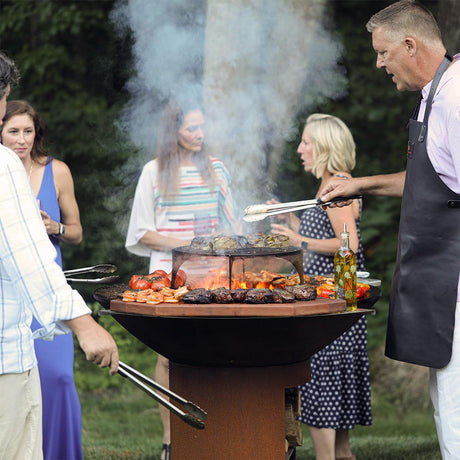
Yes. This is the primary advantage of the Arteflame's surface. Sear your steaks in the center while simultaneously roasting vegetables on the outer ring where the temperature is lower and gentler.
Absolutely. Meat thicker than 1.5 inches should start on medium heat (or use the reverse sear method) to ensure even cooking. Thin cuts (under 1 inch) should only see high heat to prevent drying out.
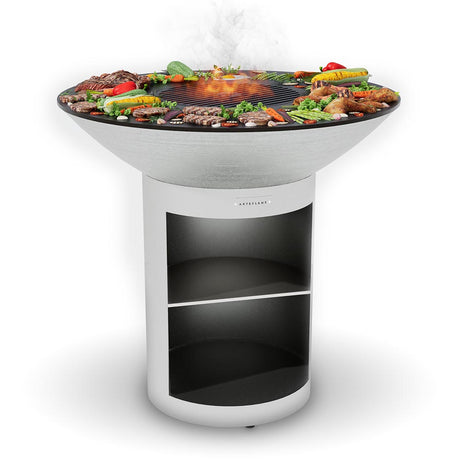
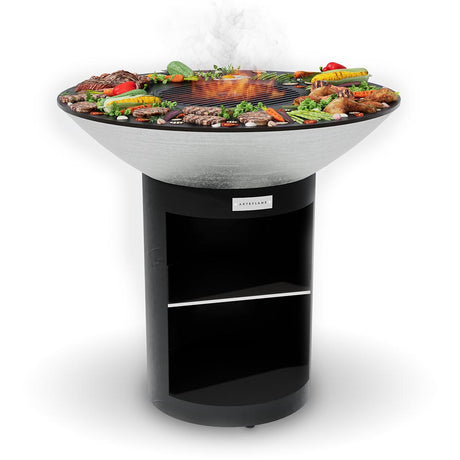
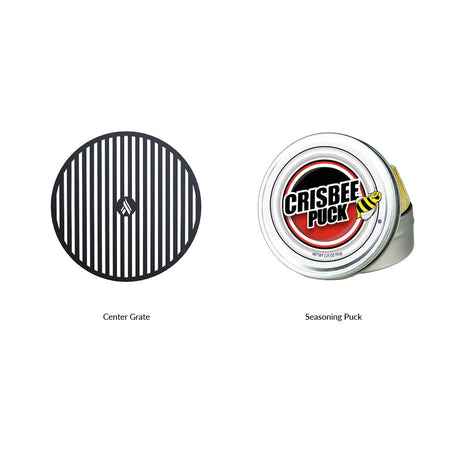
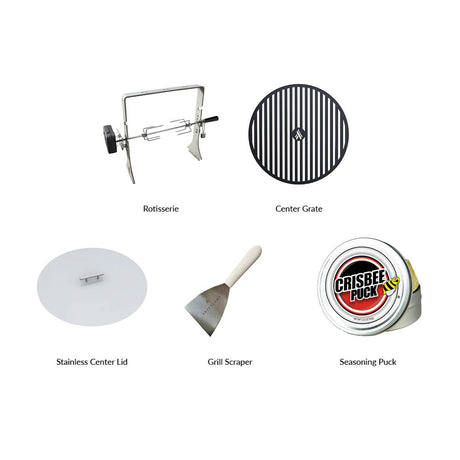

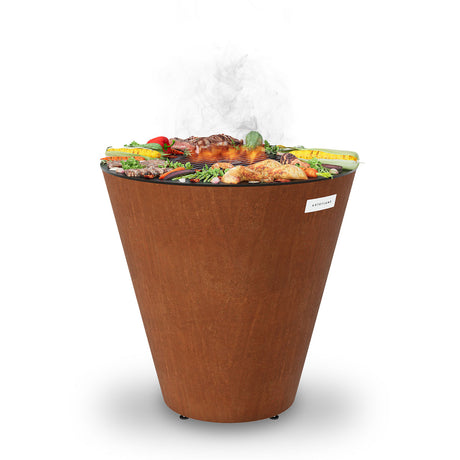
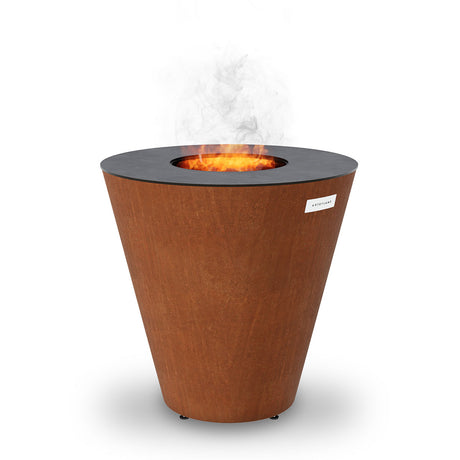
Arteflame Classic 40″ — Storage Base Flat-Top Grill & Fire Bowl (CORTEN Steel)
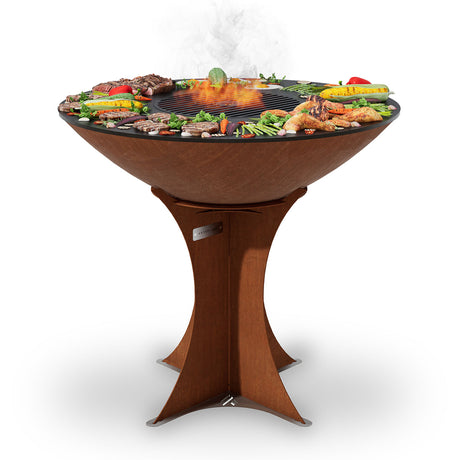
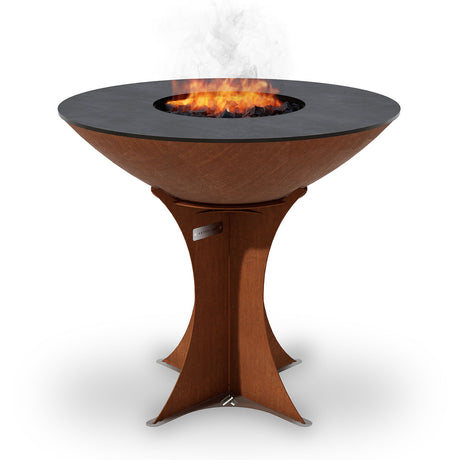


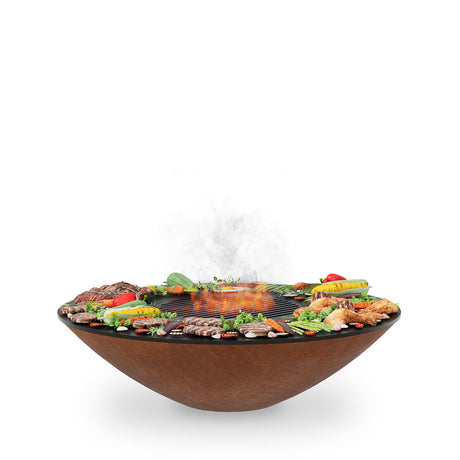
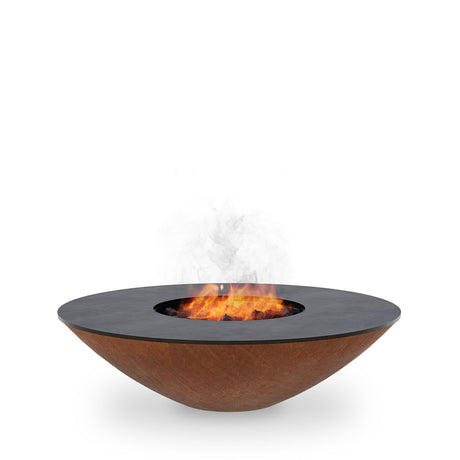
Arteflame ONE30 — 30″ One Series Flat-Top Charcoal Grill & Fire Bowl (Single-Piece CORTEN Steel)


Learn the best veggies for grilling—plus times, temps, and pro tips—optimized for Arteflame heat zones for perfect char and flavor every time.

Transform classic apple pie into a handheld delight with these Wyoming Apple Cinnamon Grilled Dessert Wraps. perfectly crispy, caramelized, and cooked on the Arteflame grill for a smoky finish.

Experience the rustic taste of the West with this Wyoming Campfire Blueberry Cobbler recipe for the Arteflame grill. Featuring bubbling blueberries and a golden biscuit crust cooked in cast iron,...

Experience the rugged flavor of the American West with these Wyoming Wild Boar Chops. Seared to perfection on the Arteflame grill, this recipe uses a savory juniper and sage rub...

Elevate your BBQ with these Wyoming-style grilled carrots. Sweet honey, tangy balsamic, and a perfect char make this the ultimate side dish for your Arteflame grill. Easy, healthy, and packed...

Unleash the flavor of the American West with these tender Wyoming Teriyaki Bison Skewers. Featuring a homemade savory-sweet glaze and perfectly charred vegetables, this recipe maximizes the searing power of...

Unlock the savory flavors of the West with this Wyoming-style garlic parmesan grilled mushrooms recipe. Perfectly seared on the Arteflame flat top, these buttery, cheesy mushrooms make the ultimate side...

Unlock the bold flavors of the West with this Wyoming-style grilled jalapeño cheddar sausage recipe. Learn how to achieve the perfect sear and juicy interior using your Arteflame grill for...