
Best Grilled Vegetables: Charred & Crispy Guide | Arteflame
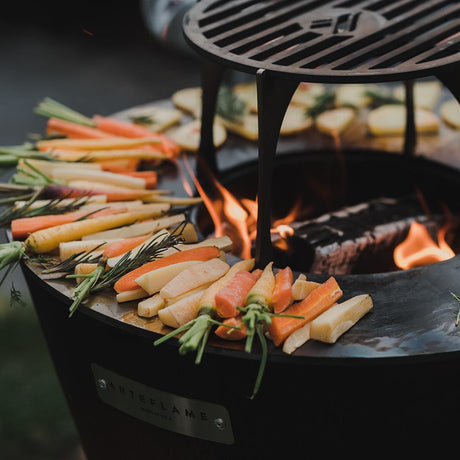
Learn the best veggies for grilling—plus times, temps, and pro tips—optimized for Arteflame heat zones for perfect char and flavor every time.


The USDA recommends cooking chicken to a safe internal temperature of 165°F (74°C) to destroy harmful bacteria like Salmonella. However, for the juiciest results on an Arteflame or flat-top grill, remove the meat when it reaches 160°F (71°C). The internal heat will continue to rise during the resting phase (carryover cooking) to hit the safe 165°F benchmark without drying out the fibers.
Different cuts of chicken require slightly different handling to maximize texture and flavor. Use this chart to determine exactly when to pull your chicken off the grill.
| Chicken Cut | Target Final Temp | Pull-Off Temp | Resting Time |
|---|---|---|---|
| Boneless Breast | 165°F (74°C) | 160°F (71°C) | 5-10 Minutes |
| Bone-In Thighs | 175°F - 180°F | 170°F - 175°F | 5-10 Minutes |
| Whole Chicken | 165°F (74°C) | 160°F (71°C) | 15-20 Minutes |
| Ground Chicken | 165°F (74°C) | 165°F (74°C) | 5 Minutes |
Dry chicken is almost always a result of overcooking. Because lean proteins like chicken breast lack internal fat (marbling), leaving them on the heat until they hit 165°F often means they will rise to 170°F+ while resting, causing the muscle fibers to contract and squeeze out moisture.
When grilling at high temperatures, such as on the center grate of an Arteflame, heat drives inward. Even after you remove the food from the heat source, the residual thermal energy continues to cook the center. Understanding this momentum is the key to perfectly juicy poultry.
Pro Tip: Never cut into chicken immediately after pulling it off the grill. Cutting releases the pressurized juices onto the plate rather than letting them redistribute back into the meat. Wait at least 5 to 10 minutes for the fibers to relax.
Using an instant-read digital thermometer is the only reliable method to ensure safety and quality. Visual cues, such as clear juices, can be misleading. Insert the probe into the thickest part of the meat to get an accurate reading.
For the most accurate reading, avoid hitting bone, fat, or gristle, as these conduct heat differently than muscle.
Pro Tip: If you are grilling thin cutlets or flattened breasts on the flat cooktop, stack two pieces together and insert the probe between them to gauge the core temperature more accurately without the probe touching the grill surface.
Yes, cooked chicken can sometimes retain a pink hue due to hemoglobin in the meat or chemical reactions with smoke, even if it has reached a safe internal temperature of 165°F. Always trust your thermometer over the color of the meat.
While possible, it is not recommended for grilling. Cooking from frozen usually results in the outside overcooking and drying out before the inside reaches a safe temperature. Always thaw thoroughly in the refrigerator before grilling.
Bacteria are killed instantly at 165°F. However, pasteurization also occurs at lower temperatures if held for longer periods (e.g., maintaining 150°F for 3 minutes), but aiming for 165°F via carryover cooking is the standard for home grilling safety.
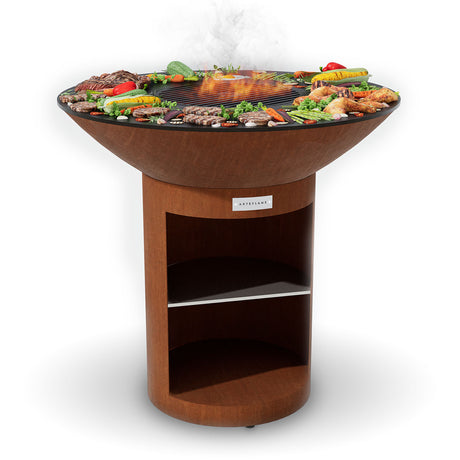
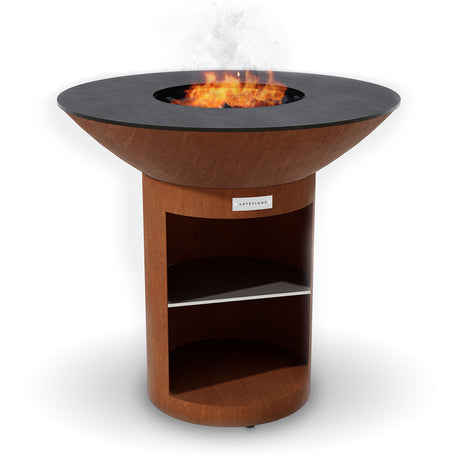
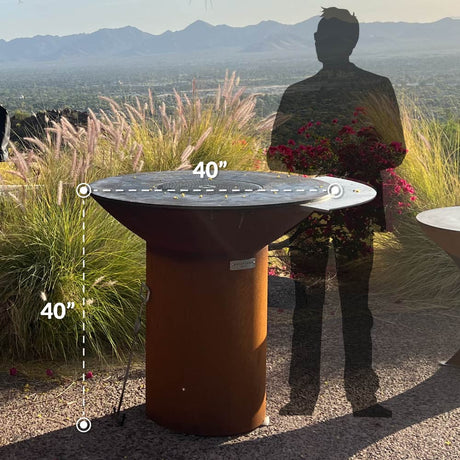
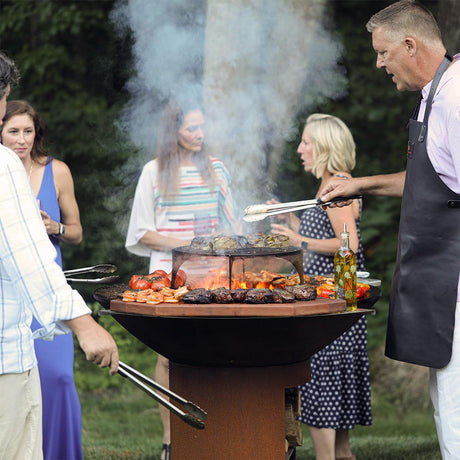
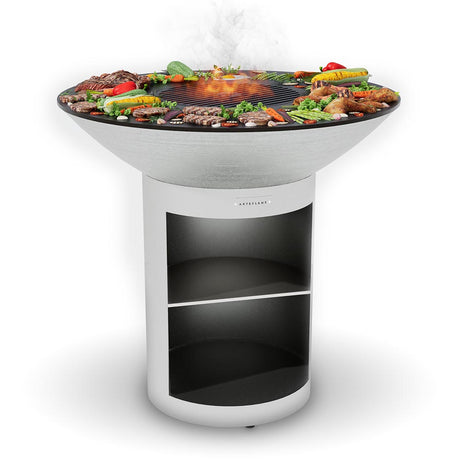
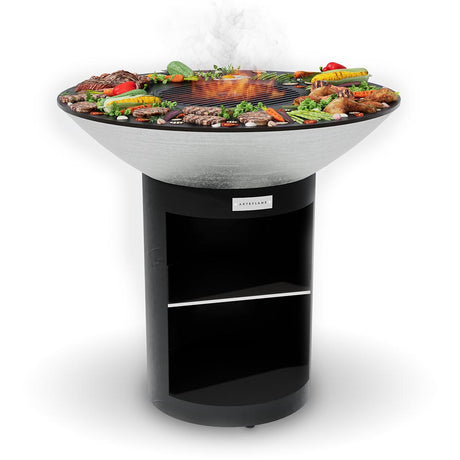
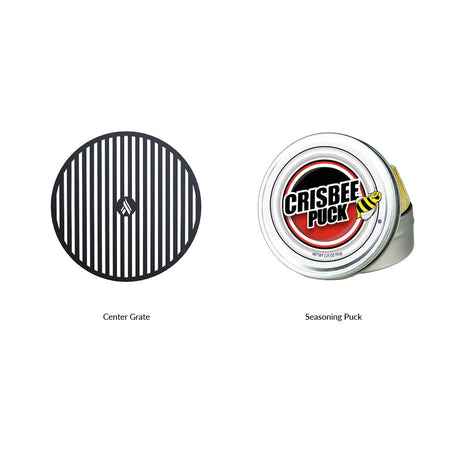
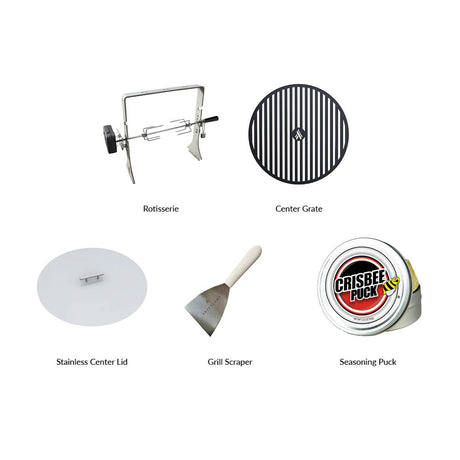

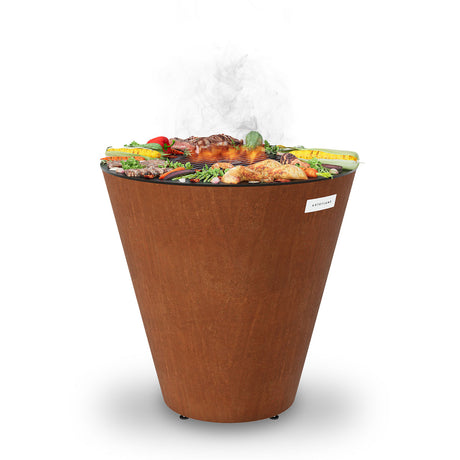
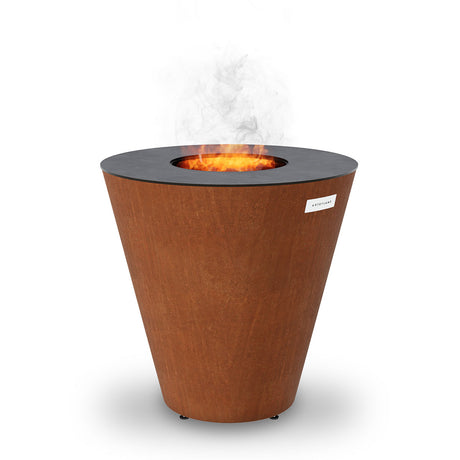
Arteflame Classic 40″ — Storage Base Flat-Top Grill & Fire Bowl (CORTEN Steel)
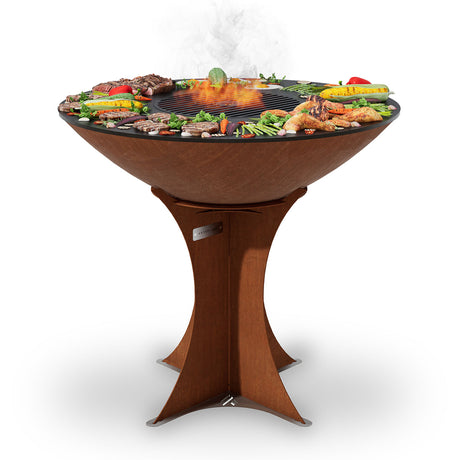
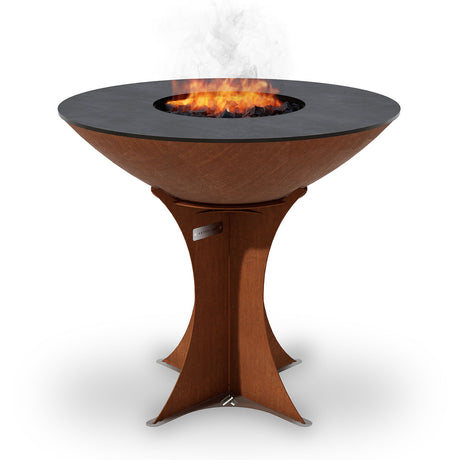


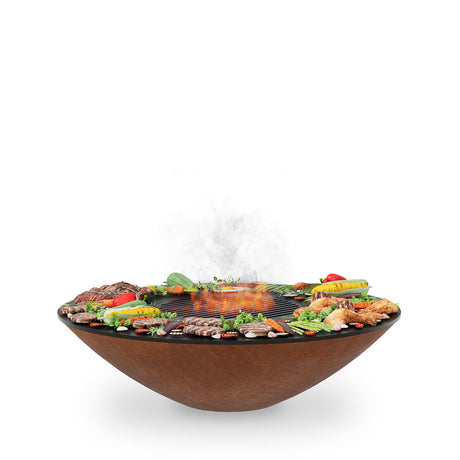
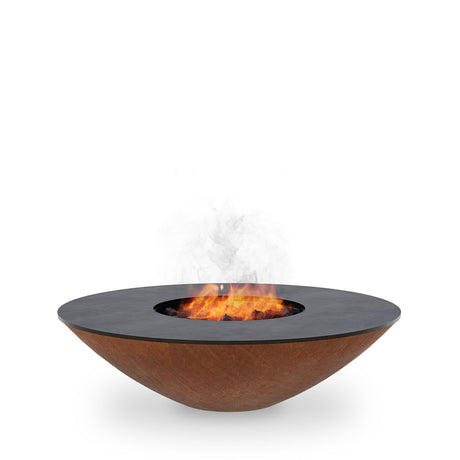
Arteflame ONE30 — 30″ One Series Flat-Top Charcoal Grill & Fire Bowl (Single-Piece CORTEN Steel)
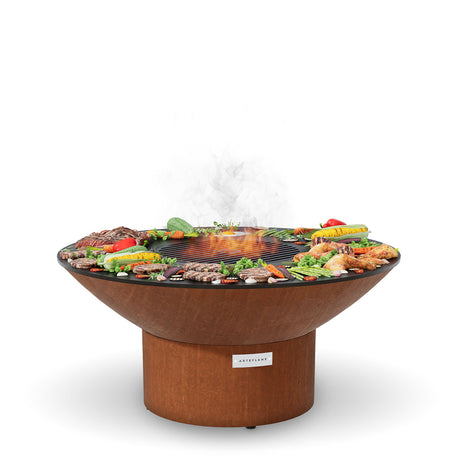
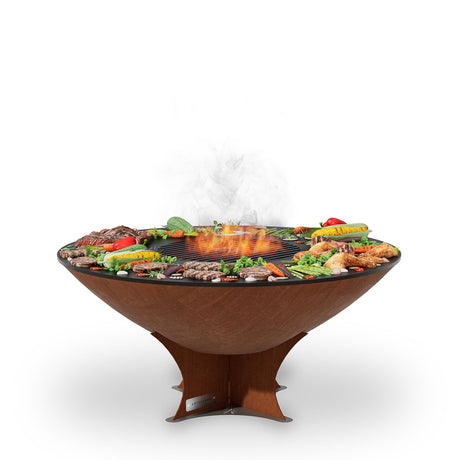


Learn the best veggies for grilling—plus times, temps, and pro tips—optimized for Arteflame heat zones for perfect char and flavor every time.

Transform classic apple pie into a handheld delight with these Wyoming Apple Cinnamon Grilled Dessert Wraps. perfectly crispy, caramelized, and cooked on the Arteflame grill for a smoky finish.

Experience the rustic taste of the West with this Wyoming Campfire Blueberry Cobbler recipe for the Arteflame grill. Featuring bubbling blueberries and a golden biscuit crust cooked in cast iron,...

Experience the rugged flavor of the American West with these Wyoming Wild Boar Chops. Seared to perfection on the Arteflame grill, this recipe uses a savory juniper and sage rub...

Elevate your BBQ with these Wyoming-style grilled carrots. Sweet honey, tangy balsamic, and a perfect char make this the ultimate side dish for your Arteflame grill. Easy, healthy, and packed...

Unleash the flavor of the American West with these tender Wyoming Teriyaki Bison Skewers. Featuring a homemade savory-sweet glaze and perfectly charred vegetables, this recipe maximizes the searing power of...

Unlock the savory flavors of the West with this Wyoming-style garlic parmesan grilled mushrooms recipe. Perfectly seared on the Arteflame flat top, these buttery, cheesy mushrooms make the ultimate side...

Unlock the bold flavors of the West with this Wyoming-style grilled jalapeño cheddar sausage recipe. Learn how to achieve the perfect sear and juicy interior using your Arteflame grill for...