
Best Grilled Vegetables: Charred & Crispy Guide | Arteflame
Learn the best veggies for grilling—plus times, temps, and pro tips—optimized for Arteflame heat zones for perfect char and flavor every time.


For the juiciest results, remove most fish from the grill when the internal temperature reaches between 130°F and 135°F (54°C - 57°C). While the USDA recommends cooking fish to 145°F (63°C) for maximum safety, pulling it off the heat 10 degrees early allows carryover cooking to bring the fish to the perfect temperature without drying it out. The flesh should be opaque and flake gently under fork pressure.
Different fish varieties require specific temperatures to maintain their texture. Use this quick reference chart to avoid overcooking your catch.
| Fish Variety | Chef's Pull Temp | USDA Safe Temp | Texture Profile |
|---|---|---|---|
| Salmon / Steelhead | 125°F - 130°F | 145°F | Buttery, flaky, moist |
| White Fish (Cod, Halibut) | 130°F - 135°F | 145°F | Firm, opaque, pearly |
| Tuna / Swordfish | 115°F (Sear only) | 145°F | Rare center, seared crust |
| Shrimp / Scallops | 120°F | 145°F | Snap texture, milky white |
Pro Tip: If you see white, curd-like substance (albumin) pushing out of your salmon, you are cooking it too aggressively. Lower the heat to keep those natural juices inside the fillet.
If you don't have an instant-read thermometer, rely on the "Fork Twist" test. Insert the tines of a fork into the thickest part of the fillet at a 45-degree angle and gently twist.
Generally, you should grill fish for about 8 to 10 minutes per inch of thickness. If your fillet is one inch thick, grill roughly 4 to 5 minutes per side.
Cooking delicate seafood on traditional grate grills often leads to meat sticking or falling into the fire. The Arteflame uses a solid carbon steel cooktop (plancha style) which solves the most common grilling issues.
Pro Tip: Always oil the fish, not the grill surface. Brush a light coat of high-heat oil (like Avocado or Grapeseed) directly onto the fillet and season before placing it on the cooktop.
Is it safe to eat salmon at 125°F?
Many chefs and home cooks prefer salmon at 125°F (medium-rare) for a buttery texture. While the USDA recommends 145°F for absolute safety, high-quality, fresh salmon is commonly consumed at lower temperatures or even raw (sushi).
Should I grill fish with the skin on or off?
Always leave the skin on when grilling. It acts as a natural heat shield that protects the delicate meat from scorching and helps hold the fillet together while flipping.
How do I stop fish from sticking to the grill?
Ensure your grill surface is smoking hot and clean before cooking. Additionally, oiling the fish directly rather than the grates ensures a non-stick barrier the moment the protein hits the heat.
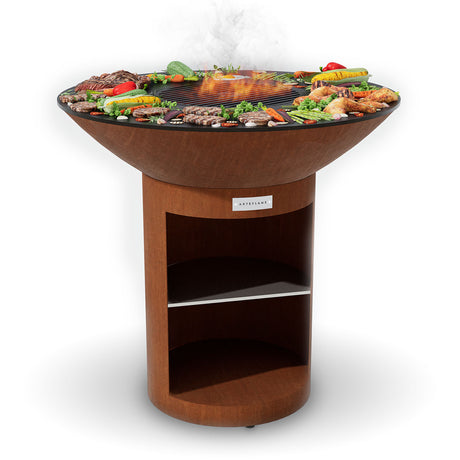
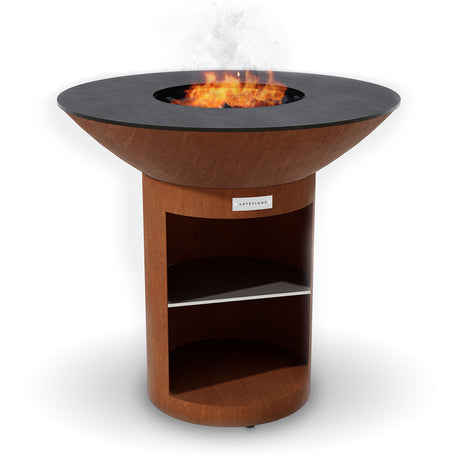
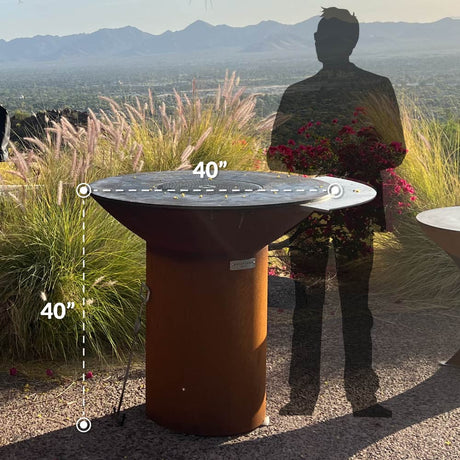
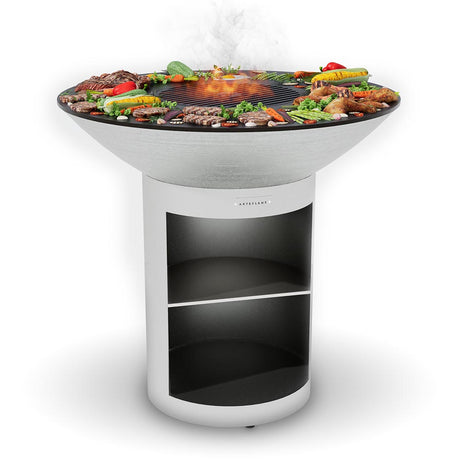
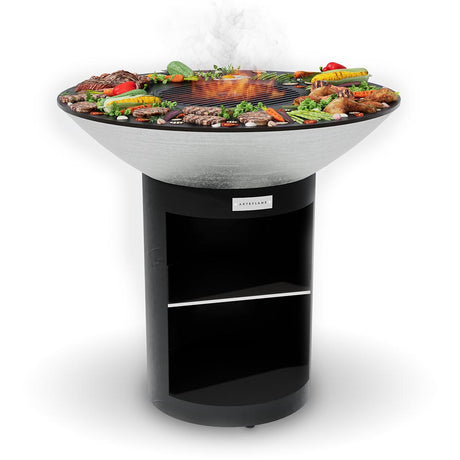
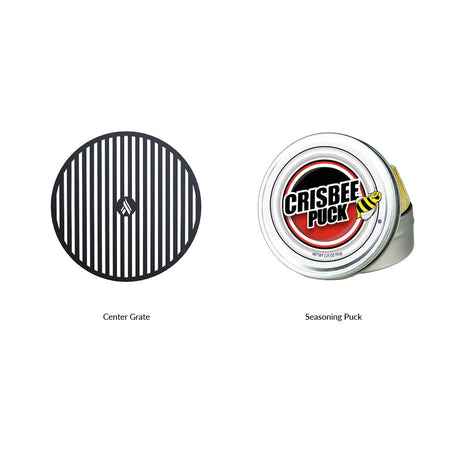


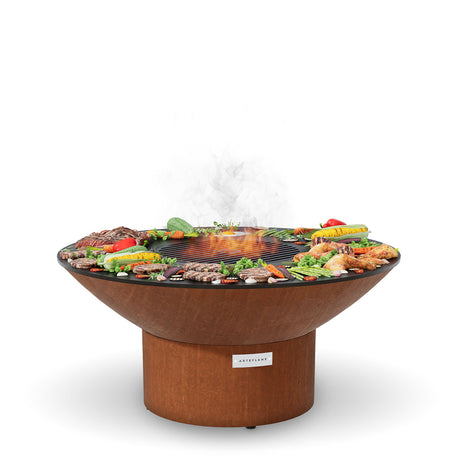
Arteflame Classic 40″ — Storage Base Flat-Top Grill & Fire Bowl (CORTEN Steel)
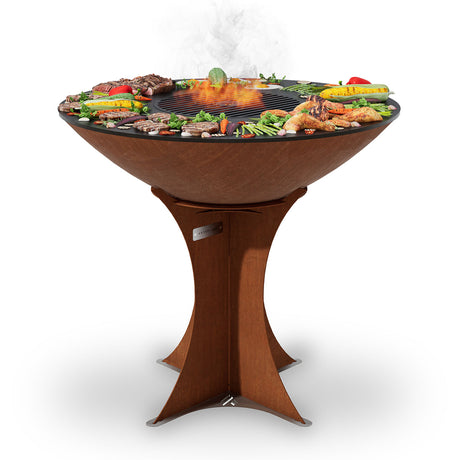
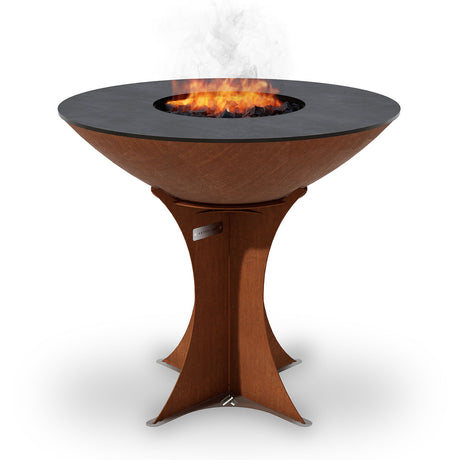


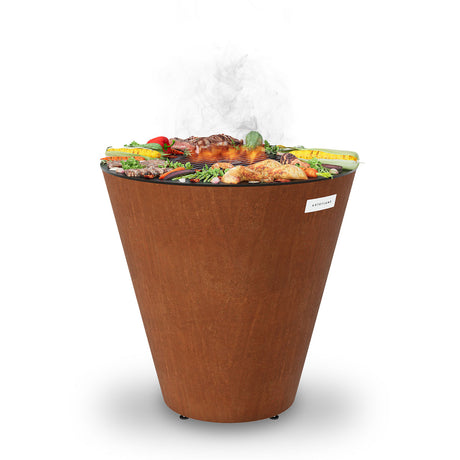
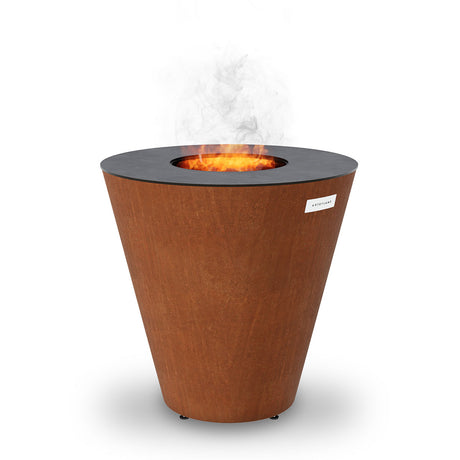
Arteflame ONE30 — 30″ One Series Flat-Top Charcoal Grill & Fire Bowl (Single-Piece CORTEN Steel)
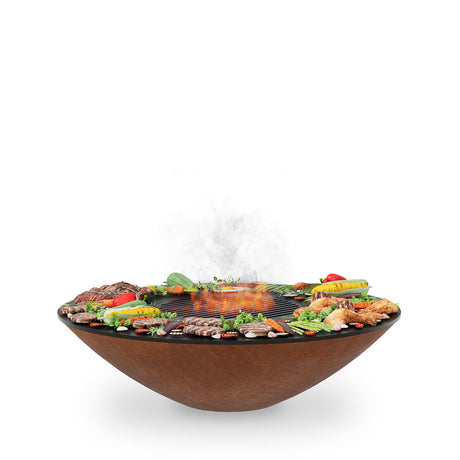
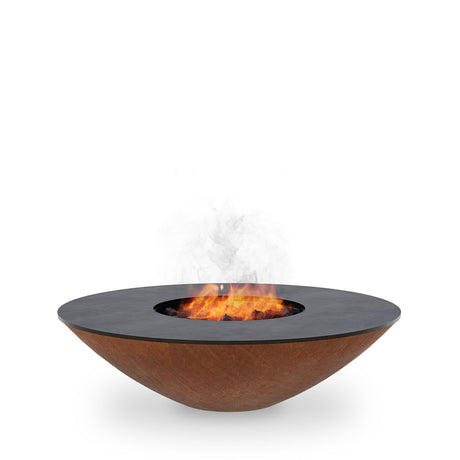
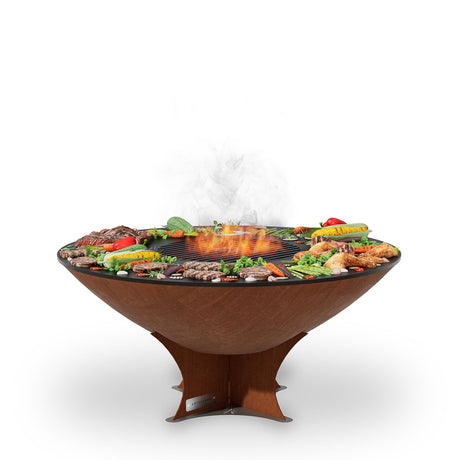

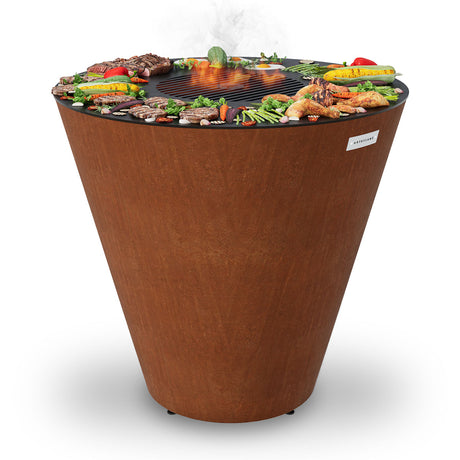


Arteflame One Series 40″ — XXL Flat-Top Charcoal Grill & Fire Bowl (Single-Piece CORTEN Body)


Learn the best veggies for grilling—plus times, temps, and pro tips—optimized for Arteflame heat zones for perfect char and flavor every time.

Transform classic apple pie into a handheld delight with these Wyoming Apple Cinnamon Grilled Dessert Wraps. perfectly crispy, caramelized, and cooked on the Arteflame grill for a smoky finish.

Experience the rustic taste of the West with this Wyoming Campfire Blueberry Cobbler recipe for the Arteflame grill. Featuring bubbling blueberries and a golden biscuit crust cooked in cast iron,...

Experience the rugged flavor of the American West with these Wyoming Wild Boar Chops. Seared to perfection on the Arteflame grill, this recipe uses a savory juniper and sage rub...

Elevate your BBQ with these Wyoming-style grilled carrots. Sweet honey, tangy balsamic, and a perfect char make this the ultimate side dish for your Arteflame grill. Easy, healthy, and packed...

Unleash the flavor of the American West with these tender Wyoming Teriyaki Bison Skewers. Featuring a homemade savory-sweet glaze and perfectly charred vegetables, this recipe maximizes the searing power of...

Unlock the savory flavors of the West with this Wyoming-style garlic parmesan grilled mushrooms recipe. Perfectly seared on the Arteflame flat top, these buttery, cheesy mushrooms make the ultimate side...

Unlock the bold flavors of the West with this Wyoming-style grilled jalapeño cheddar sausage recipe. Learn how to achieve the perfect sear and juicy interior using your Arteflame grill for...