
Crisp and Golden Mac and Cheese Cakes on the Grill
Turn yesterday's leftover macaroni into today's crispy, golden side dish with this easy wood-fired recipe.


For most grilled meats, the optimal resting time is between 5 to 10 minutes for smaller cuts (like steaks and pork chops) and 20 to 45 minutes for larger roasts (like brisket or prime rib). Resting allows constricted muscle fibers to relax and reabsorb juices that were driven to the center of the meat during the high-heat searing process. Skipping this step results in dry meat, as juices spill out immediately upon cutting.
Use this data table to determine exactly how long to rest your specific cut of meat to maximize moisture retention without letting it get cold.
| Cut of Meat | Thickness / Weight | Rest Time | Expected Temp Rise (Carryover) |
|---|---|---|---|
| Steak (Ribeye, Strip, Filet) | 1-1.5 inches | 5 - 7 minutes | 3°F - 5°F |
| Thick Steak / Chops | 1.5 - 2 inches | 10 - 15 minutes | 5°F - 7°F |
| Chicken Breast | Standard | 5 minutes | 3°F - 5°F |
| Whole Chicken / Turkey | 3 - 15 lbs | 20 - 30 minutes | 10°F |
| Brisket / Pork Shoulder | Large Roast | 45 - 60+ minutes | 10°F - 15°F |
| Burgers | Standard | 3 - 5 minutes | 2°F - 3°F |
When raw meat hits a hot Arteflame grill, the muscle fibers contract violently due to the intense heat. This contraction squeezes water and proteins (the juices) away from the surface and toward the cooler center of the meat.
If you slice into a steak the moment it comes off the grill, the internal pressure releases immediately, and those juices pool onto your cutting board rather than staying inside the fiber. By resting the meat, you allow the fibers to relax and the juices to redistribute evenly throughout the cut.
Pro Tip: Never rely on visual cues alone. If you cut into a steak and see a massive pool of liquid form instantly, you did not rest it long enough. That liquid is flavor leaving your food.
Removing meat from the grill does not stop the cooking process immediately. Heat retained on the surface of the meat continues to travel toward the center. This is known as carryover cooking.
Depending on the mass of the meat and the cooking temperature, the internal temperature can rise anywhere from 5°F to 15°F while it rests. To achieve a perfect medium-rare (130°F - 135°F), you must remove the steak from the heat when it reaches roughly 125°F.
Pro Tip: For massive cuts like brisket, carryover cooking is powerful. Pull the meat 10 degrees below your target temperature to prevent overcooking while it rests.
Tenting meat loosely with aluminum foil can help retain heat, especially in drafty outdoor environments. However, there is a trade-off. Foil traps steam, which can soften the delicious, crispy crust (the Maillard reaction) you achieved on the grill grates.
No, not if done correctly. The thermal mass of the meat keeps the center hot while the surface cools slightly. A 10-minute rest for a steak allows juices to settle without the internal temperature dropping below palatable levels.
Yes. While chicken and burgers rely less on "medium-rare" precision, resting ensures they remain juicy. A dry chicken breast is often the result of cutting immediately after grilling.
Yes, wood is the best surface for resting. Stone or metal surfaces can act as heat sinks, pulling heat away from the meat too quickly. A wooden board insulates the meat, helping it maintain temperature.
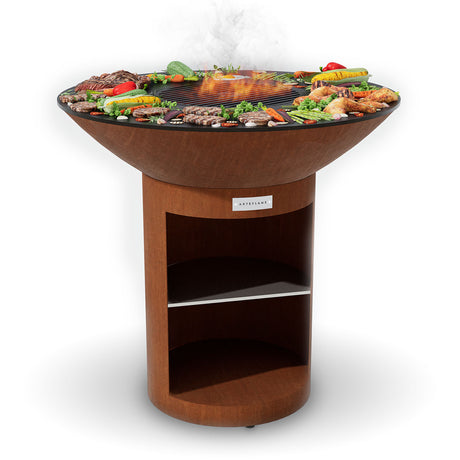
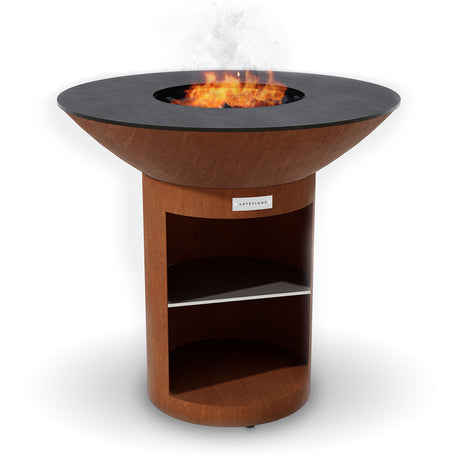

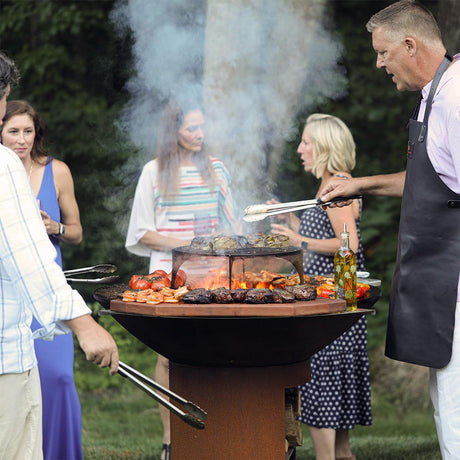
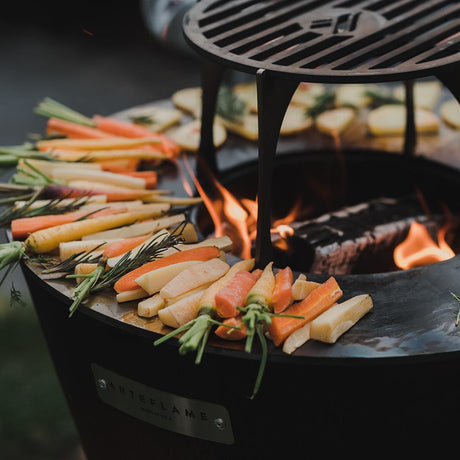



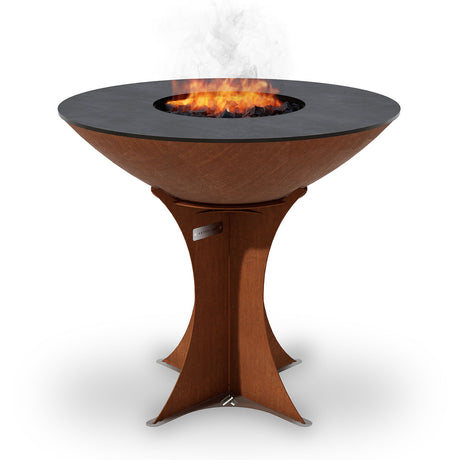


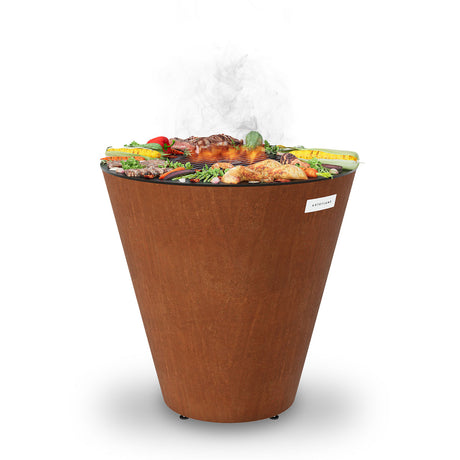
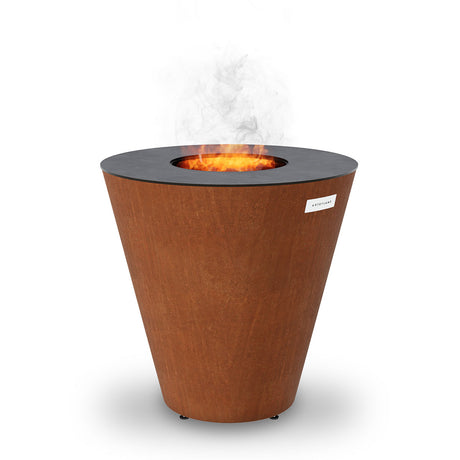
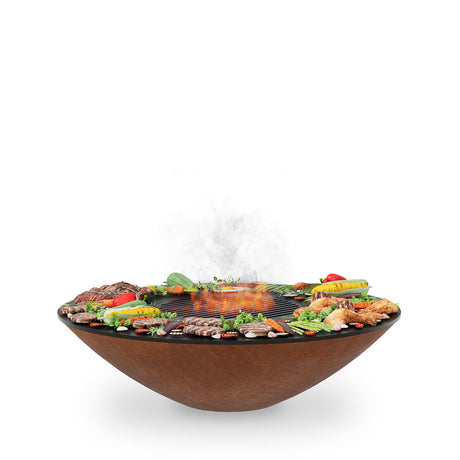
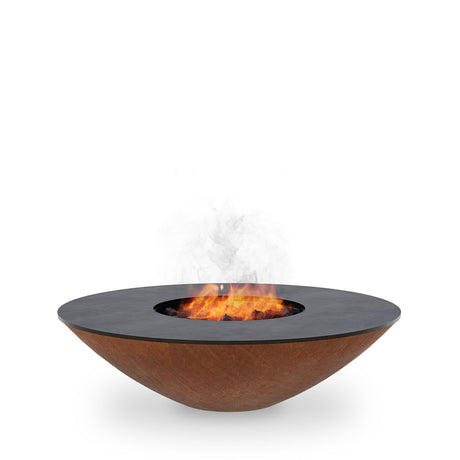
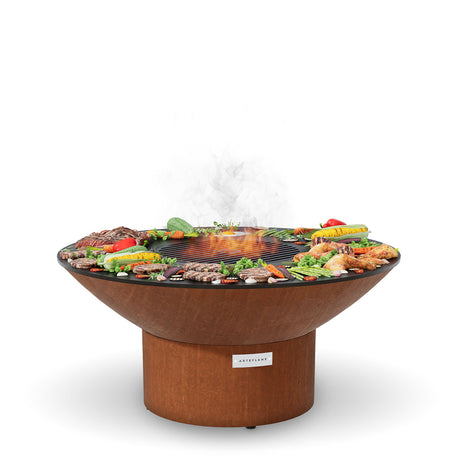
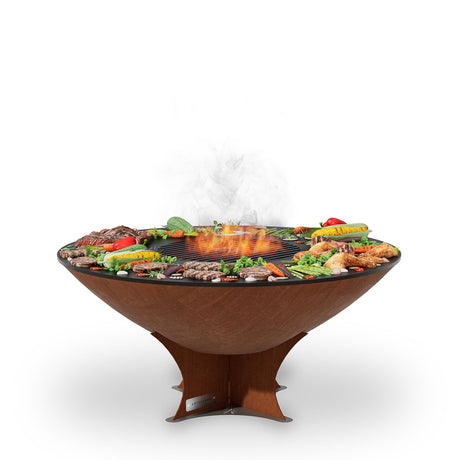


Turn yesterday's leftover macaroni into today's crispy, golden side dish with this easy wood-fired recipe.

Master this Texas-style open-fire brisket cooked entirely on the Arteflame grill. By searing on the center grate and wrapping to render on the flat top, you get perfectly tender, juicy...

Transform standard thick-cut bacon into a sweet, savory appetizer with a dark stout and brown sugar glaze, perfectly caramelized on a flat-top grill.

Render the perfect crispy skin with these Sichuan Peppercorn Duck Breasts, paired with a smoky, sweet, and spicy charred plum-poblano sauce.

Tender artichoke halves charred over high heat and smothered in rich garlic butter and Parmesan cheese.

Achieve the ultimate crust with this low-and-slow beef brisket recipe, utilizing natural heat zones for a perfect sear and incredibly tender finish.

Transform the trending crispy rice paper dumplings into a wood-fired masterpiece. Cooked on the Arteflame flat steel griddle for a shatteringly crisp crust and savory, high-protein filling.

Elevate albacore tuna with a steakhouse-style bacon wrap and a decadent green peppercorn cream sauce, grilled flawlessly on a flat-top.