
Best Grilled Vegetables: Charred & Crispy Guide | Arteflame
Learn the best veggies for grilling—plus times, temps, and pro tips—optimized for Arteflame heat zones for perfect char and flavor every time.


Quick Answer: For tender, fall-off-the-bone ribs, grill at 225°F to 250°F for approximately 3 to 4 hours if grilling direct/indirect, or up to 6 hours using the 3-2-1 method. The internal temperature should reach between 190°F and 203°F before serving. On an Arteflame, use the center grate for indirect heat and finish on the flat cooktop for a caramelized sear.
Cooking times vary significantly based on your chosen technique and grill type. Use this comparison table to choose the method that fits your schedule.
| Method | Temp (°F) | Total Time | Texture Profile |
|---|---|---|---|
| Low & Slow | 225°F | 5-6 Hours | Smoky, very tender |
| Hot & Fast | 300°F | 3-4 Hours | Chewier, firm bite |
| 3-2-1 Method | 225°F | 6 Hours | Fall-off-the-bone |
| Arteflame Hybrid | 250°F | 3-4 Hours | Juicy interior, crispy sear |
Before the ribs hit the heat, proper preparation is non-negotiable. The most critical step is removing the silverskin membrane from the bone side of the ribs. Leaving this on prevents seasoning penetration and results in a tough, chewy texture that no amount of cooking time can fix.
Pro Tip: Use a paper towel to grip the corner of the membrane (silverskin) on the back of the ribs. It provides the traction needed to peel the entire layer off in one clean sweep, ensuring your rub seasons the meat, not the skin.
The 3-2-1 method is a widely accepted roadmap for smoking ribs, particularly spare ribs. It ensures the meat is cooked thoroughly without drying out.
Pro Tip: If you are grilling Baby Back Ribs, modify this to a 2-2-1 method, as they are smaller and cook faster than St. Louis style spare ribs.
Relying solely on a clock is dangerous because humidity, meat thickness, and grill fluctuations affect cooking speed. Instead, use these physical cues to verify doneness:
Pick up the rack of ribs with tongs from one end. If the rack bends significantly and the meat begins to crack or separate on the surface, they are ready.
Look at the ends of the bones. When the meat has shrunk back, exposing about a quarter-inch to a half-inch of the bone, the ribs are cooked perfectly.
While difficult to measure between thin bones, an instant-read thermometer should register between 190°F and 203°F. This is the sweet spot where collagen breaks down into gelatin.
Up to a point, yes. Cooking low and slow breaks down connective tissue. However, cooking them too long will dry out the muscle fibers, turning the meat mushy or stringy rather than tender.
Wrapping ribs (the "Texas Crutch") accelerates cooking and guarantees tenderness by steaming the meat. If you prefer a ribs with a crispy bark and more chew, skip the wrap and simply cook them longer.
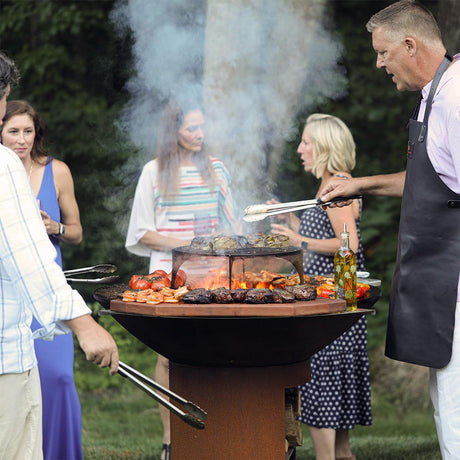
Yes. On an Arteflame, you can smoke the ribs on the center grate and then move them to the solid steel flat top to sear the sauce. This creates a superior caramelization that standard wire grates cannot achieve.
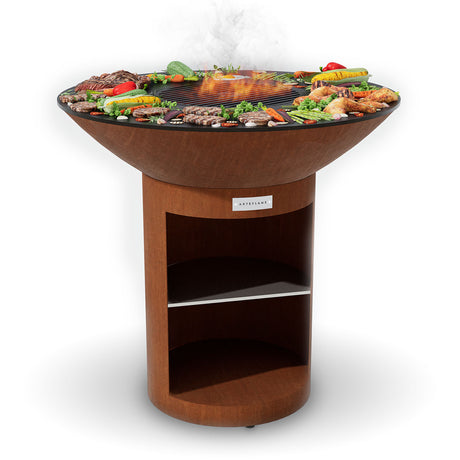
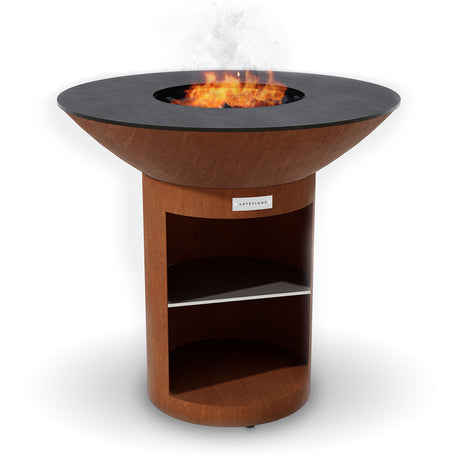
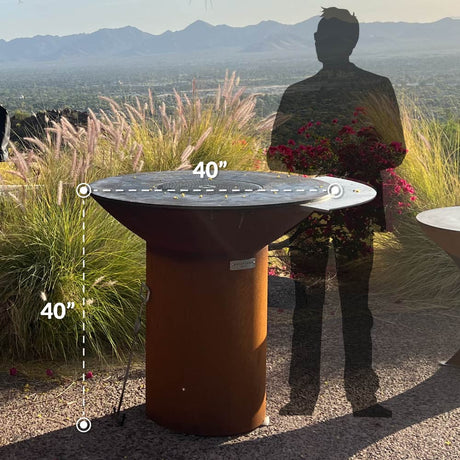
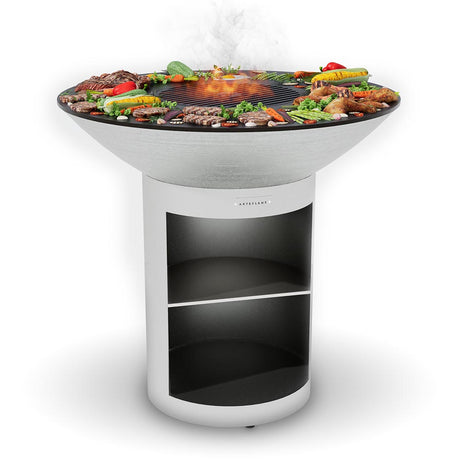
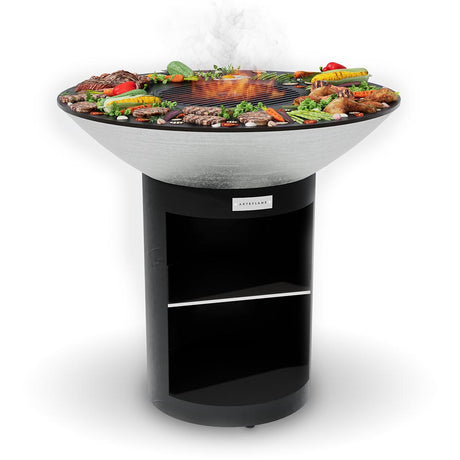
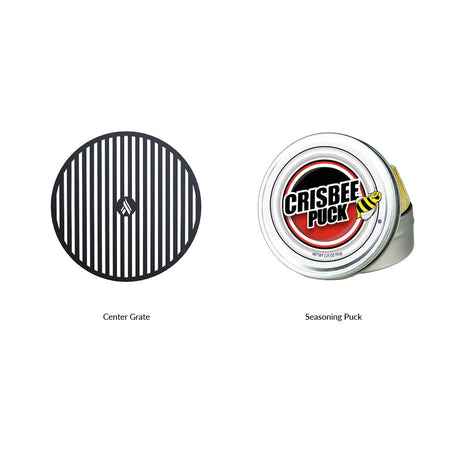


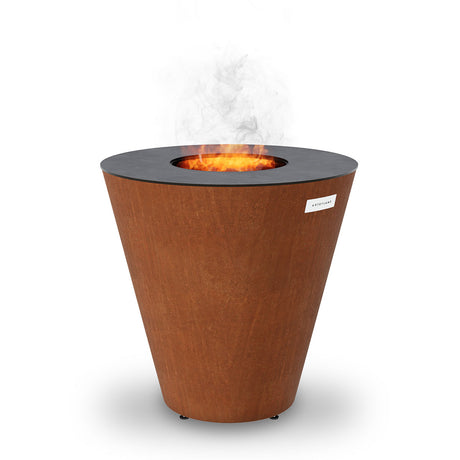
Arteflame Classic 40″ — Storage Base Flat-Top Grill & Fire Bowl (CORTEN Steel)
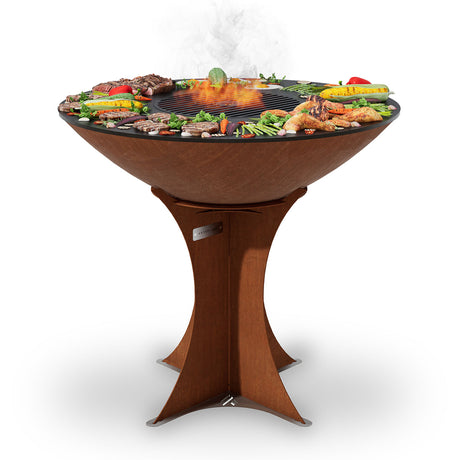
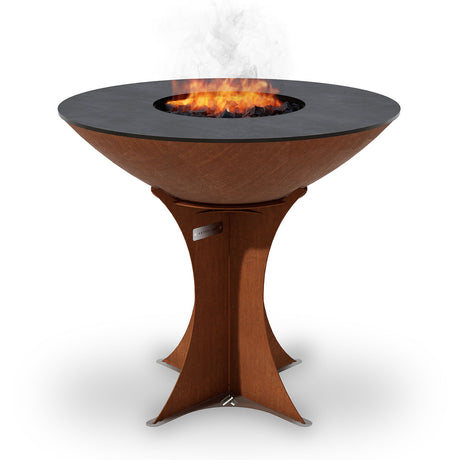


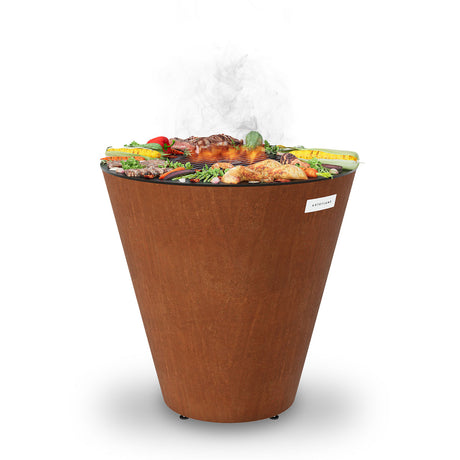
Arteflame ONE30 — 30″ One Series Flat-Top Charcoal Grill & Fire Bowl (Single-Piece CORTEN Steel)
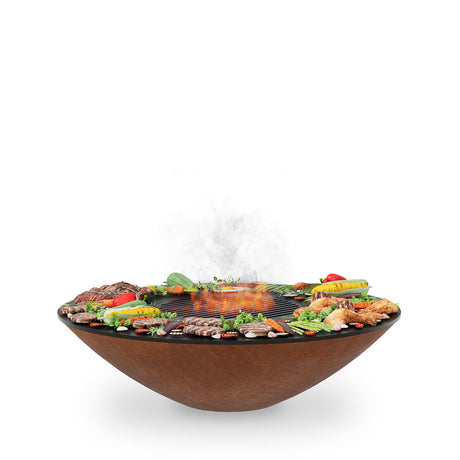
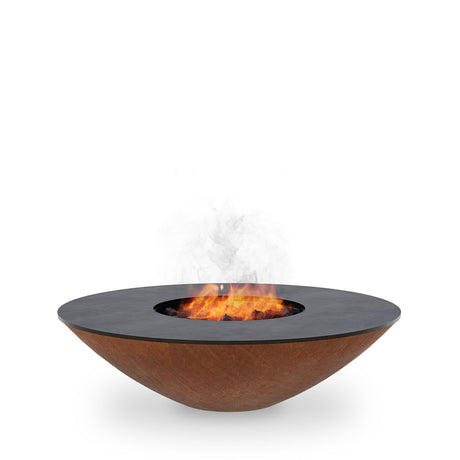
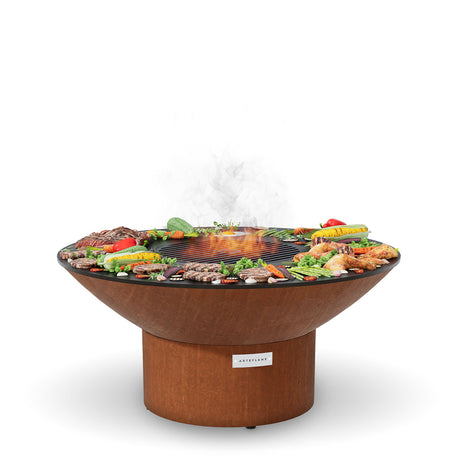
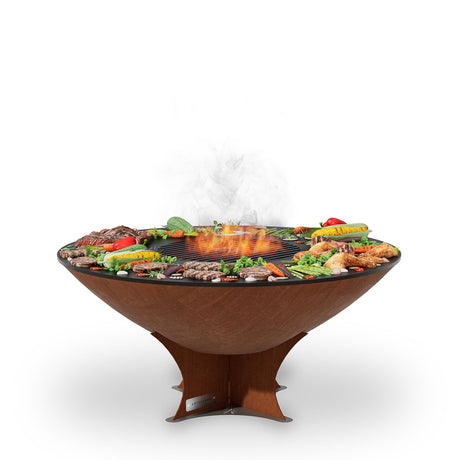

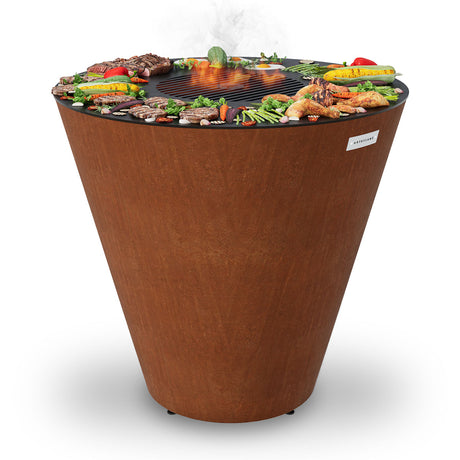


Arteflame One Series 40″ — XXL Flat-Top Charcoal Grill & Fire Bowl (Single-Piece CORTEN Body)


Learn the best veggies for grilling—plus times, temps, and pro tips—optimized for Arteflame heat zones for perfect char and flavor every time.

Transform classic apple pie into a handheld delight with these Wyoming Apple Cinnamon Grilled Dessert Wraps. perfectly crispy, caramelized, and cooked on the Arteflame grill for a smoky finish.

Experience the rustic taste of the West with this Wyoming Campfire Blueberry Cobbler recipe for the Arteflame grill. Featuring bubbling blueberries and a golden biscuit crust cooked in cast iron,...

Experience the rugged flavor of the American West with these Wyoming Wild Boar Chops. Seared to perfection on the Arteflame grill, this recipe uses a savory juniper and sage rub...

Elevate your BBQ with these Wyoming-style grilled carrots. Sweet honey, tangy balsamic, and a perfect char make this the ultimate side dish for your Arteflame grill. Easy, healthy, and packed...

Unleash the flavor of the American West with these tender Wyoming Teriyaki Bison Skewers. Featuring a homemade savory-sweet glaze and perfectly charred vegetables, this recipe maximizes the searing power of...

Unlock the savory flavors of the West with this Wyoming-style garlic parmesan grilled mushrooms recipe. Perfectly seared on the Arteflame flat top, these buttery, cheesy mushrooms make the ultimate side...

Unlock the bold flavors of the West with this Wyoming-style grilled jalapeño cheddar sausage recipe. Learn how to achieve the perfect sear and juicy interior using your Arteflame grill for...